Starting a bartending business is an exciting venture that combines the art of mixology and customer service with sharp business savvy. The mobile bartending market is a multi-billion dollar industry, fueled by a steady demand for skilled drink service at weddings, corporate events, and private parties.
This guide will take you through the practical steps of validating your business concept, securing funding, obtaining necessary licenses, and acquiring equipment to help you launch a successful bartending business in the U.S.
Step 1: Validate your business idea
Market and competitor research
Start by researching your local market. Look at event planning websites like The Knot or WeddingWire to see what mobile bartending services are active. Also, search social media for local wedding and corporate event hashtags to gauge demand and identify competitors.
When you find competitors, analyze their websites and social media. Note their branding, service packages, and pricing structures. A common misstep is to only compare yourself to brick-and-mortar bars, so focus specifically on other mobile operations in your area.
Estimate your startup costs
Your initial investment will vary, but you can create a solid budget. Expect to spend between $7,500 and $15,000 for a non-vehicle setup. This covers a professional portable bar ($500-$3,000), quality glassware and tools ($500-$1,500), and initial licensing and insurance ($500-$2,000).
If your business model includes providing the alcohol, your initial inventory could add another $1,000 to $4,000. A dedicated vehicle or trailer is the largest variable, potentially adding $5,000 to $25,000 or more to your budget. Plan for these costs upfront to avoid surprises.
Here are 3 immediate steps to take:
- List five local mobile bartending competitors and their primary service offerings.
- Draft a spreadsheet with estimated startup costs based on the ranges above.
- Outline three potential service packages you could offer, such as beer and wine only or a full bar.
Step 2: Set up your legal and licensing framework
Choose your business structure
Registering as a Limited Liability Company (LLC) is a popular choice. It protects your personal assets if the business faces debt or lawsuits. This structure also allows profits to pass through to your personal taxes, which simplifies your accounting. Filing fees typically range from $50 to $200.
Secure the right permits and licenses
First, get a free Employer Identification Number (EIN) from the IRS website. You will need this for taxes and banking. Next, contact your state's Alcohol Beverage Control (ABC) board. They govern all liquor sales and service and will have the specific license you need.
Look for a caterer's permit or a temporary event liquor license. Costs can vary from $50 to over $500, and processing can take 30 to 90 days, so apply well in advance. A mistake many make is assuming one license works everywhere; check local rules for each event.
You will also need insurance. General liability is standard, but you must have liquor liability coverage. Most venues require proof of at least $1 million in coverage and may ask to be listed as an "additional insured" on your policy. This is non-negotiable for most professional events.
Here are 4 immediate steps to take:
- File for an LLC with your state's Secretary of State.
- Apply for a free EIN on the IRS website.
- Research your state ABC board's requirements for a caterer's liquor license.
- Get quotes for both general and liquor liability insurance.
Step 3: Secure your insurance and manage risk
Key insurance policies
Your two main policies are general liability and liquor liability. Most venues will not let you on-site without proof of at least $1 million in coverage for each. Annual premiums for a combined policy typically run from $500 to $2,500, a cost to factor into your pricing.
Beyond liability, you may need other coverage. If you hire staff, workers' compensation is legally required in most states. Should you purchase a dedicated van or trailer for the business, you will also need a commercial auto policy, as personal auto insurance will not cover business use.
Find the right provider
You will want to work with an insurer who understands the events industry. A general agent might miss specific risks. Look into providers like the Food Liability Insurance Program (FLIP), BIZINSURE, or Insureon. They create packages specifically for mobile food and beverage businesses.
Some new owners get a policy without checking if it covers risks like over-serving guests or accidental property damage at a venue. Your liquor liability policy is your main protection here, so confirm these scenarios are explicitly covered before you sign anything.
Here are 4 immediate steps to take:
- Request quotes for a $1 million general and liquor liability policy.
- Contact an insurance provider that specializes in the food and beverage industry, like FLIP or Insureon.
- Determine if you need workers' compensation or commercial auto insurance based on your business plan.
- Review policy details to confirm it covers risks like over-serving and property damage.
Step 4: Equip your mobile bar and find storage
Find a storage solution
Your mobile business needs a home base for equipment. A 10x10 foot storage unit provides about 100 square feet, which is typically enough space for a portable bar, glassware, and supplies. If you plan to use your garage, first check local zoning rules for home-based businesses.
When you look for a storage unit, consider a climate-controlled option to protect your inventory. Confirm you can get 24-hour access for late-night unloading after events. Many facilities offer a free first month, which helps manage your initial budget.
Purchase your bar equipment
Your portable bar is a main feature of your setup. A basic model costs around $500, while a custom, professional-grade bar can reach $3,000. Some new owners make the mistake of buying a flimsy bar that looks unprofessional or breaks during transport, so invest in a sturdy one.
You will also need service items. A full set of quality bar tools will run between $200 and $500. For drinkware, you can choose between real glass or premium disposables. Restaurant suppliers like WebstaurantStore sell these items by the case, often in quantities of 12 or 24.
Here are 4 immediate steps to take:
- Get quotes for a 10x10 climate-controlled storage unit with 24-hour access.
- Compare three professional portable bars based on durability and price.
- Build a sample shopping cart on a site like WebstaurantStore for tools and supplies.
- Decide if your service packages will use real glass or premium disposables.
Step 5: Set up your payment processing
Payment processing
Standard practice is a 50% non-refundable deposit to secure the event date. The final balance is typically due 7 to 14 days before the event. A mistake some new owners make is accepting a deposit without a signed contract, which leaves the business unprotected if details change.
You will want a payment solution built for mobile work. Look for low transaction fees and the ability to take payments without extra hardware. Many solutions have rates from 2.5% to 3.5% plus equipment costs, so compare your options carefully before you commit.
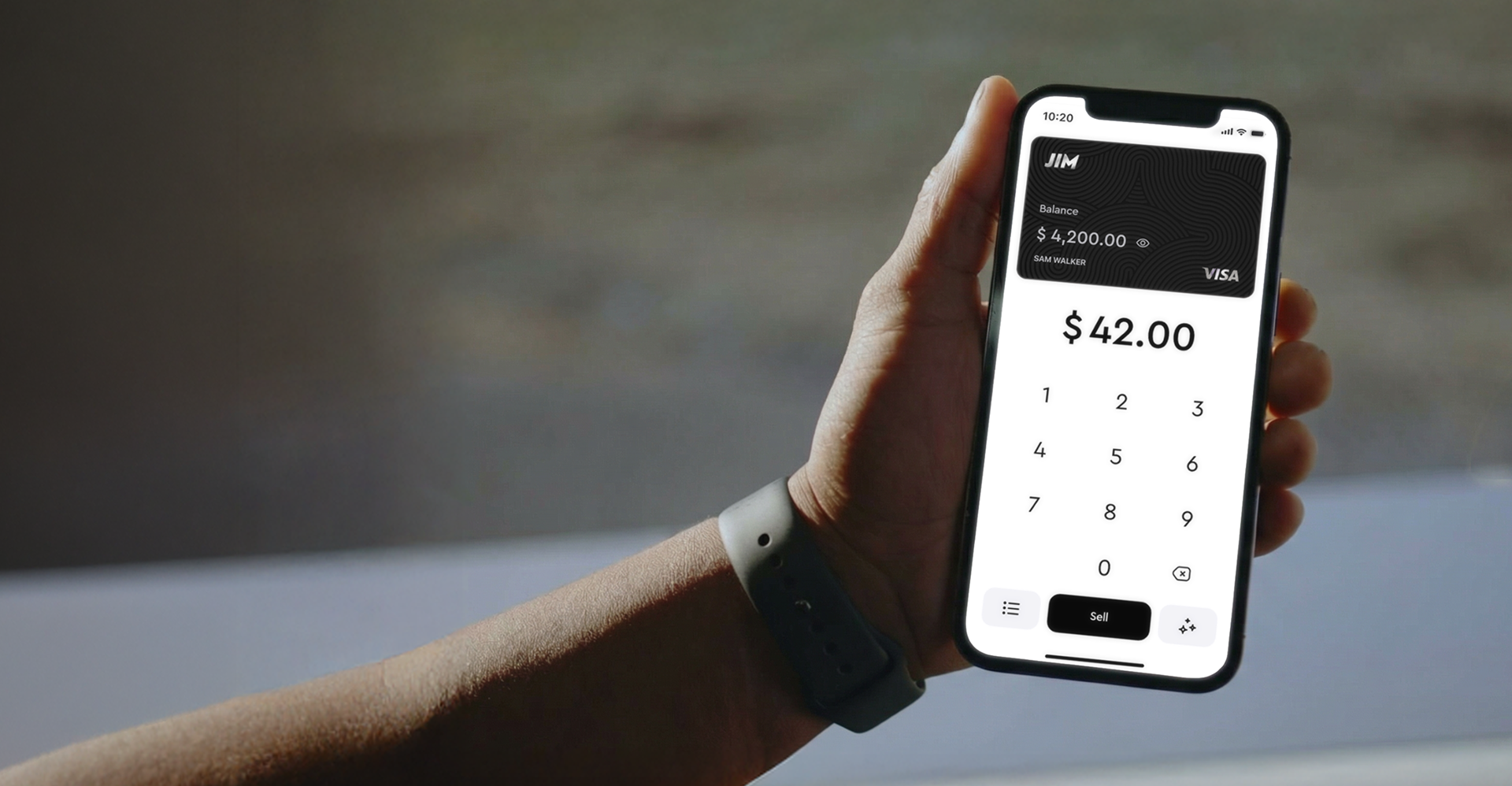
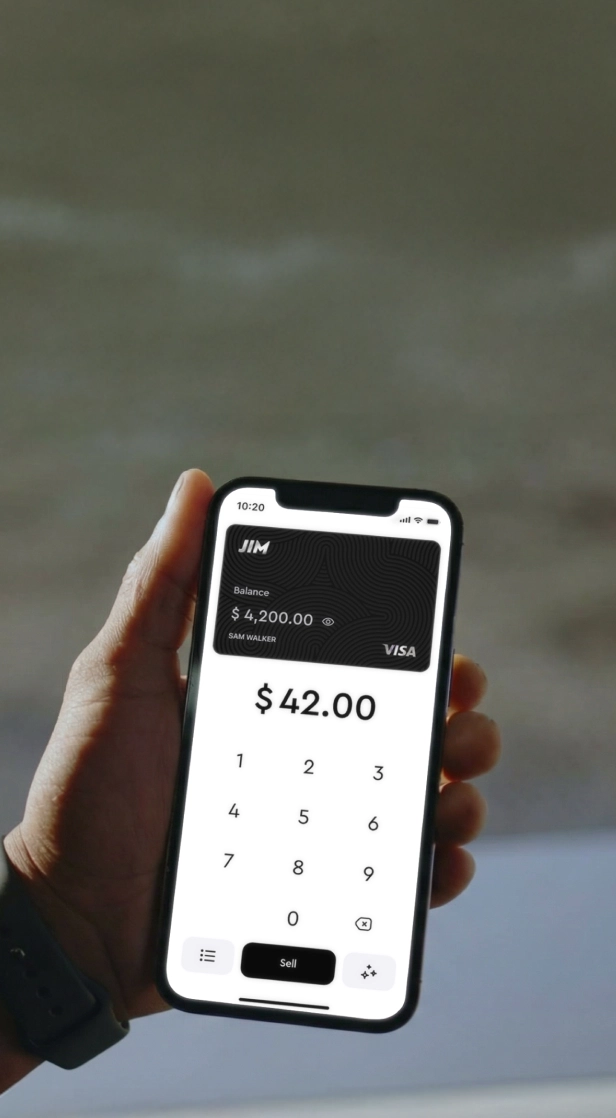
For a business that needs to accept payments on-site, JIM offers a streamlined solution. With JIM, you can accept debit, credit, and digital wallets directly through your smartphone. At just 1.99% per transaction with no hidden costs, it is a strong choice for settling final balances at events.
- Get Started: Download the JIM app for iOS.
- Make a Sale: Type the sales amount, hit sell, and ask your customer to tap their card or device on your phone.
- Access Funds: Your money is available on your JIM card as soon as the sale is done.
Here are 4 immediate steps to take:
- Draft your standard payment terms, including deposit and final payment deadlines.
- Create a basic service contract template to send with your invoices.
- Compare mobile payment solutions based on transaction fees and hardware needs.
- Download the JIM app to see how it works for on-the-go payments.
Step 6: Secure your funding and manage finances
Explore your funding options
Many owners use a mix of personal savings and small loans. You might want to look into an SBA Microloan, which offers up to $50,000. These are designed for new businesses and typically have interest rates between 8% and 13%.
Another option is a business credit card with a 0% introductory APR. This can be a smart way to finance initial equipment purchases without immediate interest. Just be sure you can pay the balance before the promotional period ends.
Set up your financial systems
You will want enough cash to cover your first six months of operation. Plan for $3,000 to $5,000 in working capital for expenses like insurance, storage, and marketing. Some owners get caught off guard by slow months, so this buffer is your safety net.
Open a separate business bank account as soon as your LLC is approved. Mixing personal and business funds is a common mistake that creates major accounting headaches. A dedicated account keeps your bookkeeping clean and simplifies tax preparation from day one.
Here are 4 immediate steps to take:
- Open a dedicated business checking account.
- Research SBA Microloan requirements through a local lender.
- Calculate your estimated operating expenses for the first six months.
- Compare business credit cards that offer a 0% introductory APR.
Step 7: Hire your team and set up operations
Build your event staff
A good rule of thumb is to have one bartender for every 75 guests. If your menu features complex cocktails, you might want to tighten that ratio to one bartender per 50 guests. This ensures quality service and keeps wait times down.
You will likely hire independent contractors at first. A Lead Bartender who manages the event can earn $25 to $35 per hour. Event Bartenders typically make $15 to $25 per hour plus tips, while a Barback who assists with stocking earns around $12 to $18 per hour.
Do not make the mistake of hiring uncertified friends. Every person serving alcohol must have a state-approved certification, like TIPS or ServSafe Alcohol. This protects your business and is often required by your insurance policy and the event venue.
Manage your operations
Once you have a few events booked, you can use scheduling software to manage your team. Platforms like Homebase or When I Work help you coordinate staff for gigs and often have free plans for small businesses. You can find staff by posting on Indeed or networking locally.
Here are 4 immediate steps to take:
- Draft job descriptions for a Lead Bartender and an Event Bartender.
- Confirm your state's required alcohol server certification, such as TIPS or ServSafe.
- Determine your standard staff-to-guest ratio for different service packages.
- Explore scheduling software like Homebase or When I Work to see their features.
Step 8: Market your business and get clients
Build your online portfolio
Your marketing starts with visuals. Create a professional Instagram account and a simple website to showcase your work. High-quality photos of your bar setup, cocktails, and happy clients are your most effective sales assets. Your online presence should immediately show potential clients what their event could look like.
Use local hashtags like #YourCityWeddings or #YourCityCorporateEvents to appear in relevant searches. Engage with posts from local venues, planners, and caterers. This simple activity increases your visibility to both partners and direct clients looking for services in your area.
Forge local partnerships
Do not just wait for clients to find you. Proactively reach out to wedding planners, event venues, and caterers. Offer a 10% referral fee for any booked clients they send your way. You could also offer a private tasting to let them experience your service firsthand.
Another great strategy is to collaborate on a "styled shoot." You partner with a photographer, planner, and venue to stage a mock event. You provide your services for free in exchange for professional photos you can use for your portfolio and social media. This is a fast way to build credibility.
Here are 4 immediate steps to take:
- Set up a business Instagram account and post at least nine high-quality photos.
- Make a list of 10 local wedding planners and venues to contact.
- Draft an email template that introduces your business and offers a referral partnership.
- Find one local photographer to propose a styled shoot collaboration.
Step 9: Price your services and create packages
Choose your pricing model
Most mobile bars use either per-person pricing or flat-rate packages. A per-person rate, often $20 to $40 per guest for a four-hour event, works well when the guest count is solid. Flat-rate packages are simpler for clients and might look like "$1,200 for a beer and wine package for 100 guests."
A mistake some new owners make is only pricing for the event hours. Your fee must also cover your time for consultation, setup, breakdown, and travel. Forgetting this can quickly erase your profit margin before the first drink is even poured.
Calculate your costs and profit
If you supply the alcohol, a standard markup is 200-300% over your wholesale cost. This covers your liability, transport, and profit. Your target profit margin on a full package, including service and alcohol, should land between 40% and 60%.
For example, if your total costs for a 100-person event are $800 for staff, insurance, and alcohol, you might price the package at $1,600. This gives you a 50% profit margin and a healthy buffer for any unexpected issues.
Here are 4 immediate steps to take:
- Draft two flat-rate packages: one for beer and wine, and one for a full bar.
- Calculate the cost of goods for a sample 100-person event to determine your base price.
- Set a per-person rate for events where you only provide service, not alcohol.
- Research the package prices of three local competitors to ensure your rates are competitive.
Step 10: Maintain quality and scale your operations
Establish your quality standards
Your quality baseline is non-negotiable. Every bartender on your team must hold a current alcohol server certification, like TIPS or ServSafe. This ensures everyone understands liability and service laws, which protects your clients and your business.
To measure performance, send clients a simple feedback survey within 48 hours of an event. Use a Google Form to ask them to rate service, professionalism, and drink quality on a 1-5 scale. Many new owners skip this, missing out on valuable improvement data.
Know when to grow
Let data guide your expansion. If you find yourself turning down two or more events per month because you are already booked, it is time to hire another lead bartender. This allows you to accept more work without sacrificing quality.
Once you have a second reliable lead bartender, you can invest in another full portable bar setup. This move lets you service two events at once, effectively doubling your potential weekend revenue. Waiting too long means leaving money on the table.
With more clients comes more admin work. You might want to look at client management software like HoneyBook or Dubsado. These platforms help you track leads, send contracts, and manage payments, so nothing falls through the cracks as you get busier.
Here are 4 immediate steps to take:
- Create a simple post-event client feedback survey using Google Forms.
- Set a benchmark for hiring, like turning down two events in a single month.
- Price out the cost of a second complete portable bar setup.
- Explore the features of client management software like HoneyBook or Dubsado.
You have the roadmap to launch your mobile bartending business. Remember that beyond the cocktails, your professionalism and smooth service are what clients notice most. With a solid plan, you are ready to build a business that stands out.
To keep your service smooth, make sure getting paid is just as simple. JIM lets you accept cards right on your phone with no extra hardware, for a flat 1.99% fee per transaction. Download JIM and you are set for your first event.
.avif)