How to start a bike rental business from the ground up

Our guide gives you a clear roadmap to start a bike rental business. Get practical steps on funding, licensing, and insurance to avoid common mistakes.

2 min read time

Copied
How to start a bike rental business
Main topics

Starting a bike rental business can be a rewarding venture, blending a passion for cycling and customer service with smart business sense. The industry is valued in the billions of dollars, with steady demand from tourists, daily commuters, and people simply looking for a leisurely ride.

This guide will take you through the practical steps of validating your business concept, securing funding, obtaining necessary licenses, and acquiring your fleet of bikes to help you launch a successful bike rental business in the U.S.

Step 1: Plan your business and validate your idea

Begin by spending a few days at potential locations. Count pedestrians and cyclists near tourist attractions, parks, or major transit stops. This gives you raw data on foot traffic. Also, check your city's tourism board reports for visitor statistics and future development plans.

Next, map out your competition. Use Google Maps and TripAdvisor to find every bike rental shop nearby. Note their fleet size, pricing, and online reviews. This helps you find a gap in the market, such as a lack of family-friendly bikes or guided tours.

Estimate your startup costs

A realistic budget is your foundation. Initial costs can range from $10,000 to $25,000, depending on your fleet size and location. Many new owners miscalculate maintenance, so you might want to factor that in from day one to avoid surprises.

  • Bikes: A fleet of 20 reliable bikes can cost between $8,000 and $15,000. A frequent misstep is choosing flashy bikes that are not durable for rental use. Opt for sturdy, low-maintenance models suited to your local terrain.
  • Gear: Budget around $1,500 for 25 sets of helmets and high-quality locks.
  • Insurance and Licenses: Set aside $1,000 to $2,500 for general liability insurance and business permits from your local city hall.
  • Booking System: A monthly subscription for booking software typically runs from $50 to $150.

Here are 3 immediate steps to take:

  • Scout two to three potential high-traffic locations and count cyclists for an hour at each.
  • Create a spreadsheet listing the prices and bike types of at least three local competitors.
  • Draft a preliminary startup budget based on the cost estimates for a 20-bike fleet.

Step 2: Set up your legal structure and get licensed

Choose your business structure

You might want to consider forming a Limited Liability Company (LLC). It protects your personal assets, like your home and car, if the business faces debt or a lawsuit. This separation is a safeguard many new owners appreciate.

An LLC also offers pass-through taxation, meaning business profits pass to your personal tax return. This avoids the double taxation that corporations face and simplifies your accounting. Filing for an LLC with your Secretary of State usually costs between $50 and $500.

Secure your licenses and permits

First, get a free Employer Identification Number (EIN) from the IRS website. You need an EIN to open a business bank account and file federal taxes. The process is online and takes minutes.

Next, visit your city or county clerk’s office for a general business operating license. In addition, some cities require specific permits like a "Bicycle Rental Dealer" license. These can cost $50 to $200 and take four to six weeks to process, so apply early.

Here are 3 immediate steps to take:

  • Decide between an LLC and a sole proprietorship based on your liability comfort level.
  • Apply for a free Employer Identification Number (EIN) on the official IRS website.
  • Check your city clerk’s website for the specific business license and rental permit applications you need.

Step 3: Secure your insurance and manage risk

Protect your business with the right insurance

General liability insurance is your first line of defense. You will want a policy with at least $1 million in coverage. Annual premiums typically fall between $600 and $2,000, based on your fleet size and claims history.

In addition, commercial property insurance protects your bikes from theft or damage. If you plan to hire employees, you will also need workers' compensation insurance. Budgeting for these policies is a key part of your financial plan.

Address unique rental risks

A frequent misstep is to use a basic rental agreement instead of a comprehensive liability waiver. You should have a lawyer draft a waiver to protect you if a rider is injured. This document is a stronger safeguard for your business.

When you look for coverage, seek out agents who understand recreational businesses. Providers like Veracity Insurance Solutions or Philadelphia Insurance Companies have experience with the specific risks of bike rentals, unlike most general agents.

Here are 3 immediate steps to take:

  • Request quotes for a $1 million general liability policy from two different providers.
  • Contact a local attorney to discuss drafting a liability waiver for your customers.
  • Research one of the specialized insurance providers mentioned to understand their offerings.

Step 4: Set up your shop and acquire equipment

Secure your physical space

You should look for a space between 500 and 800 square feet for a 20-bike fleet. This provides enough room for the bikes, a small counter, and a repair area. Check your city’s planning department for commercial zoning codes like "C-1" or "General Retail."

When you negotiate a lease, you can propose a shorter initial term of one to two years with an option to renew. Some new owners accept standard terms without question, but you have room to negotiate. This flexibility reduces your upfront risk before you establish a customer base.

You might also ask for a tenant improvement allowance or a few months of rent abatement. This helps cover build-out costs or gives you a cash flow cushion. Landlords are often open to this for the right tenant, so it is worth the ask.

Purchase your repair gear

Your repair station is your operational hub. A professional repair stand from a brand like Park Tool or Feedback Sports will cost between $250 and $500. You will also need a complete mechanic's tool kit, which typically runs from $300 to $600 for a quality set.

To get wholesale prices on parts and accessories, you can open a dealer account with a distributor. Quality Bicycle Products (QBP) is a major industry supplier. They usually require a business license and resale certificate to apply, but often have no minimum order quantity for parts.

Here are 3 immediate steps to take:

  • Look up the commercial zoning map on your city’s planning department website.
  • Contact a commercial real estate agent to inquire about 500-800 square foot retail spaces.
  • Review the dealer application requirements on the Quality Bicycle Products (QBP) website.

Step 5: Set up your payment processing

Most customers will expect to pay with credit cards or digital wallets. You should also plan for security deposits. A common approach is to place a temporary hold of $100 to $200 on a customer's credit card, which you release upon the bike's safe return.

When you look at payment solutions, focus on low transaction fees and mobile flexibility. Many new owners get locked into systems with high monthly fees or clunky hardware, which eats into profits and slows down checkouts.

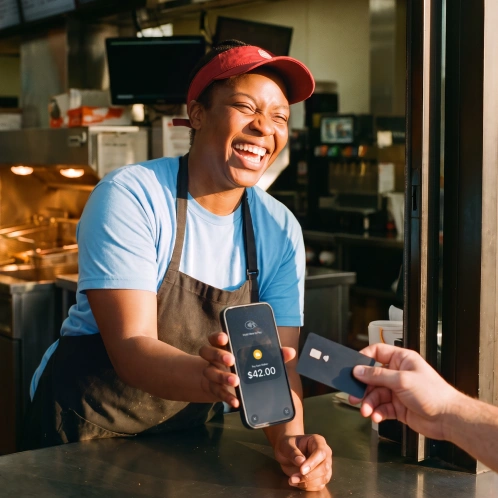
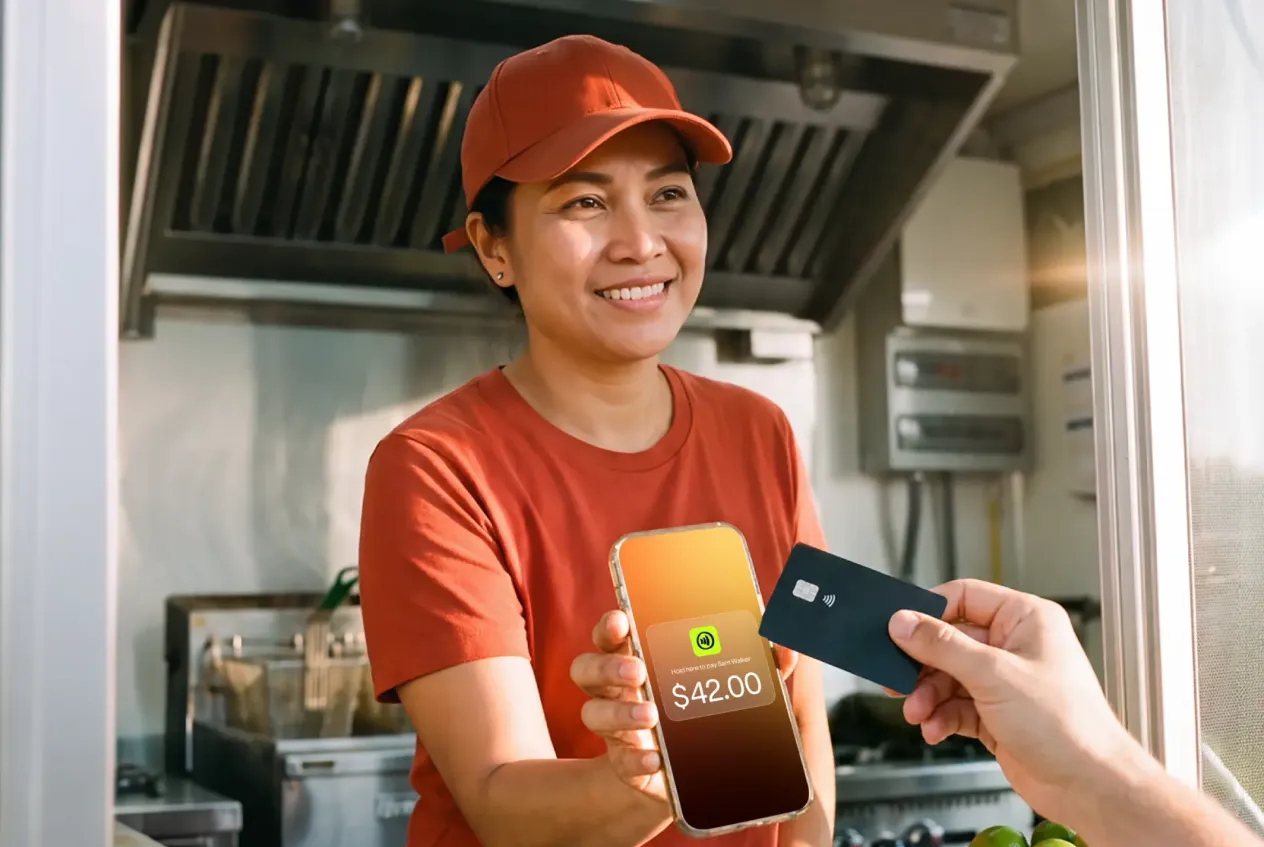
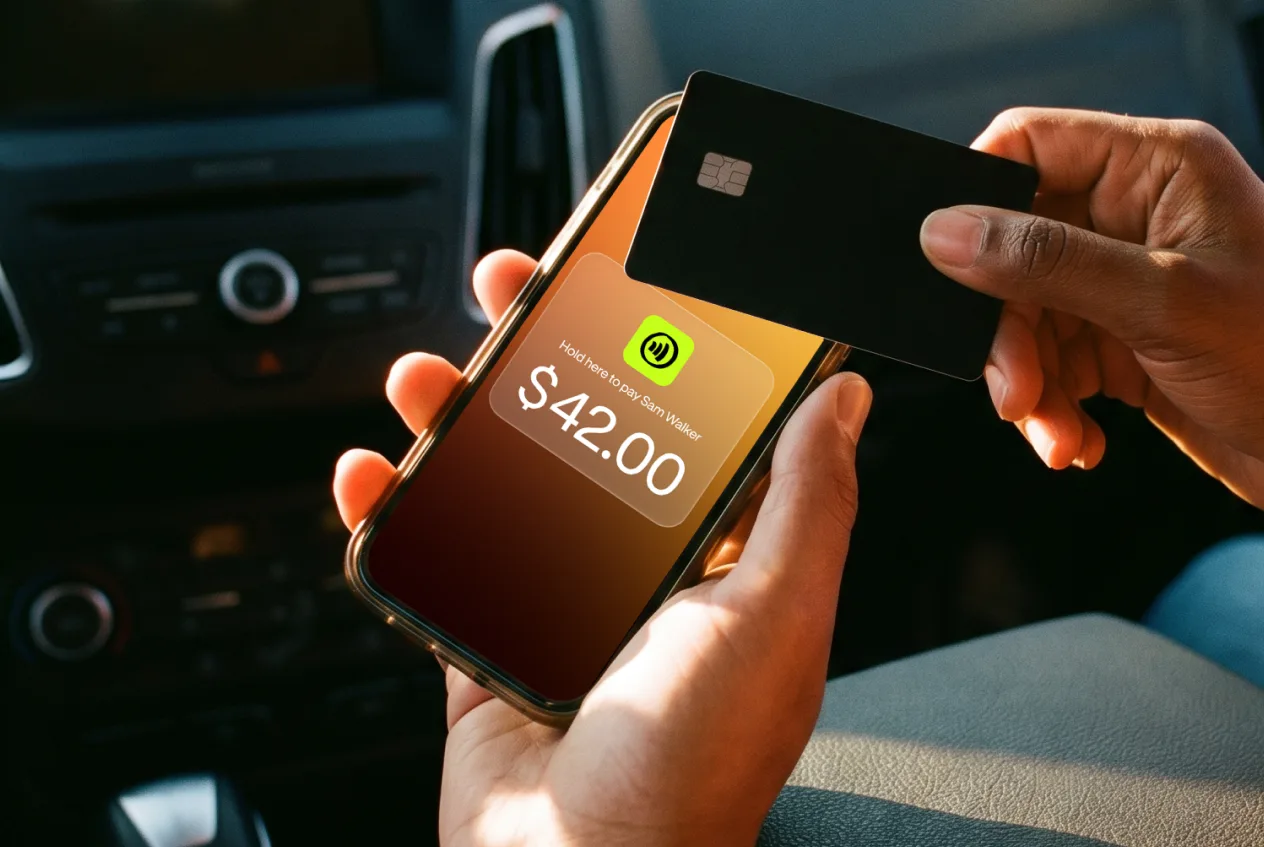
For a bike rental business that needs to accept payments on-site or on-the-go, JIM offers a streamlined solution. With JIM, you can accept debit, credit, and digital wallets directly through your smartphone. Just tap and it is done.

At just 1.99% per transaction with no hidden costs or extra hardware needed, it is a strong offer. Other providers often charge rates between 2.5% and 3.5%. It's particularly useful for processing payments for walk-up customers or handling on-the-spot tour upgrades.

  • Get Started: Download the JIM app for iOS.
  • Make a Sale: Type the sales amount, hit sell, and ask your customer to tap their card or device on your phone.
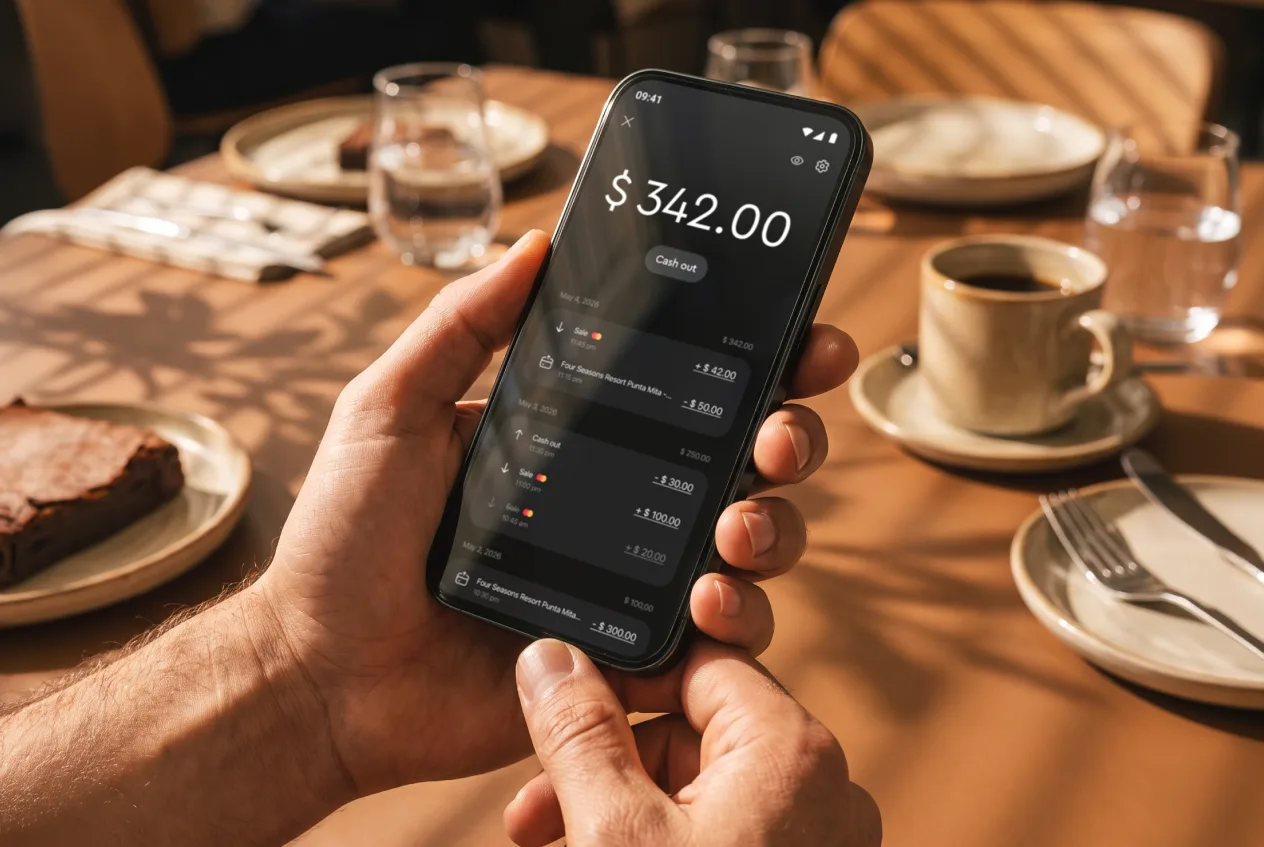
  • Access Funds: Your money is available right on your JIM card as soon as the sale is done. There is no wait for bank transfers.

Here are 3 immediate steps to take:

  • Decide on a standard security deposit amount for your rentals.
  • Compare JIM's 1.99% transaction rate with the fees of two other mobile payment processors.
  • Download the JIM app to see how the sales process works on your phone.

Step 6: Secure funding and manage your finances

Explore your funding options

The SBA Microloan program is a solid starting point. It offers loans up to $50,000 through nonprofit lenders. To qualify, you will likely need a credit score above 680 and a strong business plan. Interest rates typically sit between 6% and 9%.

You can also look into Community Development Financial Institutions (CDFIs). They often support small businesses that promote local tourism. In addition, search for state-level "green transportation" grants, but be mindful of their strict application deadlines.

Calculate your working capital

A frequent misstep is to secure funds only for startup gear and forget day-to-day costs. You should have enough working capital to cover at least six months of operation. This buffer lets you build a customer base without financial pressure.

For a 20-bike fleet, this means having $10,000 to $15,000 set aside. This amount covers key monthly expenses before your revenue stabilizes.

  • Rent and utilities for your space
  • Insurance premiums
  • Booking software subscriptions
  • A fund for unexpected repairs and maintenance

Here are 3 immediate steps to take:

  • Check your personal credit score to understand your loan eligibility.
  • Use the SBA's Lender Match feature to find a microloan intermediary near you.
  • Draft a six-month operating budget to determine your exact working capital needs.

Step 7: Hire your team and set up operations

Build your frontline crew

For a small fleet, you can start with one or two part-time Rental Associates. This role combines customer service with basic tech work. Expect to pay between $15 and $20 per hour. Look for people who are friendly and comfortable with bikes.

Their main duties will include fitting customers for bikes, explaining rental terms, and performing daily safety checks. While a formal mechanic certification is a bonus, you might want to have your team get basic first aid and CPR certified. It adds a layer of professionalism and safety.

Streamline your daily workflow

Many new owners underestimate weekend and holiday rushes, which leaves them understaffed. You can use scheduling software like Homebase or When I Work to manage shifts and communicate with your team. These platforms often have free plans for small crews.

As a general guide, aim for one staff member for every 25 bikes you have out on rental during peak hours. For a 20-bike fleet, one person can often manage the shop, but having a second person on call for busy Saturdays is a smart move.

Here are 3 immediate steps to take:

  • Draft a job description for a Rental Associate, focusing on customer service and basic bike knowledge.
  • Research local first aid and CPR certification courses for your future employees.
  • Create a free account on Homebase or When I Work to explore their scheduling features.

Step 8: Market your business and get customers

Build your online presence

Start by claiming your free Google Business Profile. Many new owners neglect this, but it is how customers find you on Google Maps. Upload at least 10 high-quality photos of your bikes and shop, and encourage every customer to leave a review.

You should also use social media. On Instagram, post photos of your bikes at local landmarks. You can run targeted Facebook ads for as little as $5 a day to reach tourists who are currently in your city. This is far more effective than just waiting for walk-ins.

Form local partnerships

Once you have an online presence, approach local hotels, B&Bs, and visitor centers. You can offer them a 10-15% commission for each customer they send your way. Provide them with a small stack of flyers that include a unique QR code for easy booking and tracking.

Keep an eye on your Customer Acquisition Cost (CAC). To find it, divide your total monthly marketing spend by the number of new customers. For a bike rental shop, a CAC below $25 is a healthy benchmark. If your costs are higher, you may need to adjust your strategy.

Here are 3 immediate steps to take:

  • Claim and fully complete your Google Business Profile with photos and business hours.
  • Draft a partnership proposal email to send to three local hotels or B&Bs.
  • Create a simple spreadsheet to track your monthly marketing spend and customer sources.

Step 9: Set your pricing and boost profit

Choose your pricing model

Most shops use a tiered structure. You might offer hourly rates from $8 to $15, half-day rates around $30, and full-day rentals for $45 to $60. Also, consider weekly packages at a discount, like $150, to attract longer-term tourists and reduce daily turnover.

Many new owners make the mistake of pricing all bikes the same. You should charge a premium for specialty bikes. An e-bike, for example, can often command a 50-75% higher rental fee than a standard cruiser due to its higher cost and appeal.

Analyze the competition and set margins

Create a simple spreadsheet to track the rates of at least three local competitors. Note their prices for different bike types and rental durations. This helps you position your prices competitively without starting a price war. Your goal is to offer better value, not just a lower price.

After you account for maintenance, labor, and insurance, a healthy gross profit margin on a single rental should be between 60% and 75%. This buffer ensures you cover all your operational costs and can reinvest in your fleet. If your margin is lower, your prices may be too low.

Here are 3 immediate steps to take:

  • Create a spreadsheet to log the hourly, half-day, and full-day prices of three local competitors.
  • Draft a tiered pricing sheet for your standard bikes, e-bikes, and any other specialty models.
  • Calculate your target profit margin per rental after you factor in estimated maintenance and labor costs.

Step 10: Maintain quality and scale your operations

Set your quality standards

Your reputation depends on the condition of your bikes. You can implement a daily T-CLOCS checklist (Tires, Controls, Lights, Oil, Chassis, Stands) for every bike. This five-minute inspection before each rental prevents most mechanical failures and builds customer trust.

For customer service, you might want to aim for a sub-five-minute checkout process. A quick, friendly interaction that gets riders on their way fast often leads to better reviews than a lengthy, detailed one. Many new owners focus too much on process and forget about speed.

Track your performance metrics

To measure quality, you can track your Customer Satisfaction (CSAT) score. A simple post-rental email asking for a 1-5 star rating works well. If your average score dips below 4.5 stars for a month, it is a signal to review customer feedback for patterns.

Also, monitor your bike utilization rate. If your fleet consistently hits 80% utilization on weekends, it is a strong indicator of demand. Software like Booqable or Bike Rental Manager can help you track this data alongside maintenance logs for each bike.

Know when to grow

Once your weekend utilization rate stays above 80% for two consecutive months, it is time to expand. A measured approach is to add five bikes to your fleet, not twenty. This prevents you from over-investing before you have the staff to manage the growth.

When it comes to hiring, a good benchmark is when one employee cannot manage check-ins and basic maintenance during peak hours. If customers wait more than ten minutes, you should hire a second part-time associate to handle the weekend rush.

Here are 3 immediate steps to take:

  • Create a laminated T-CLOCS checklist for your staff to use before every rental.
  • Set up an automated email to request a 1-5 star rating from customers after their rental period ends.
  • Define your peak-season utilization rate that will trigger a fleet expansion order.

You now have a clear roadmap for your bike rental business. Remember, your reputation is built one ride at a time through reliable bikes and friendly service. Stay focused on the customer experience, and the rest will follow. You are ready to take the first step.

As you set up, keep your payments simple. JIM turns your phone into a card reader, so you can take payments anywhere with a flat 1.99% fee and no extra hardware. Download JIM to be ready for your first customer.

Sell and get paid instantly1 with JIM

Start selling
Hand holding a smartphone with the JIM app interface, showing a $2,100.00 Visa card balance and a keypad to enter a $42.00 transaction. The background features a futuristic rocky landscape and digital wrist overlay.