How to start a braiding business from the ground up

Launch a profitable braiding business with our complete guide. Get a clear roadmap for funding, licensing, and insurance to start your business right.

2 min read time

Copied
How to start a braiding business
Main topics

Starting a hair braiding business is a rewarding venture where your creative artistry meets smart business strategy. The industry is part of a multi-billion dollar market, with steady demand for styles for daily wear, special events, and protective hair care.

This guide will take you through the practical steps of obtaining necessary licenses, selecting the right location, acquiring initial equipment, and building a client base to help you launch a successful braiding business in the U.S.

Step 1: Plan your business and research the market

Start by exploring your local market. Use Instagram and Styleseat to find local braiders. Note their popular styles, pricing, and how they book clients. This gives you a real-world baseline for your own services and prices.

Competitor and cost analysis

To understand your competition, a simple search on Google Maps for "hair braiders" in your area works well. Read their reviews to see what clients love and what they complain about. This is valuable insight you can use to improve your own business model.

When you look at competitor prices, avoid the temptation to drastically undercut them. This can devalue your skill. Instead, set your rates based on your expertise, the time each style takes, and your product costs. Your initial investment will likely fall in this range:

  • Licensing and permits: $100 - $500
  • Tools and equipment: $200 - $400
  • Initial product inventory: $500 - $1,500

This puts your estimated startup costs between $800 and $2,400, not including rent if you plan to get a commercial space right away.

Here are 3 immediate steps to take:

  • List five local competitors and their prices for three popular styles.
  • Create a spreadsheet to budget for your initial equipment and product inventory.
  • Search Instagram using hashtags like #yourcitybraider to identify local trends.

Step 2: Set up your legal structure and get licensed

First, decide on a business structure. A sole proprietorship is the simplest, as it links the business to you personally. However, forming a Limited Liability Company (LLC) is a smart move. It separates your personal assets from business debts, which offers you protection.

You will also want a free Employer Identification Number (EIN) from the IRS. You need this for an LLC, to open a business bank account, or if you plan to hire help later. The application is online and takes minutes.

State and local requirements

Braiding license rules change from state to state. Some states, like Arizona and Virginia, have deregulated braiding. Others may require a specific braiding license or a full cosmetology license. Your first stop should be your state’s Board of Cosmetology website for its exact rules.

A mistake some braiders make is not checking local rules. If you work from home, you may need a Home Occupation Permit from your city or county. This can cost between $50 and $150. If you sell products, you will also need a Seller’s Permit.

Here are 4 immediate steps to take:

  • Visit your state's Board of Cosmetology website to find its braiding regulations.
  • Decide if a sole proprietorship or an LLC is right for you.
  • Apply for a free EIN directly from the IRS website.
  • Contact your city clerk’s office about a Home Occupation Permit.

Step 3: Secure your business insurance

Key insurance policies

General liability insurance is your first line of defense. It covers accidents like a client who slips in your workspace. Expect to pay between $300 and $700 annually for a policy with a $1 million liability limit.

You should also consider professional liability insurance. This protects you if a client claims your service caused damage, like an allergic reaction or hair loss. This coverage typically costs an additional $250 to $600 per year.

A mistake is to assume general liability covers your work, it does not. Only professional liability, also called errors and omissions insurance, protects you from claims about the quality of your braiding service.

If you work from home, check your homeowner's policy because it likely excludes business activities. You may need a separate business property policy. Providers like Hiscox, Next Insurance, and Beauty & Bodywork Insurance (BBI) specialize in policies for beauty professionals.

Here are 3 immediate steps to take:

  • Request quotes for both general and professional liability from two specialized insurers.
  • Review your homeowner's or renter's insurance policy for business-related exclusions.
  • Decide on a coverage limit, a $1 million policy is a common starting point.

Step 4: Choose your location and buy equipment

Your first decision is where to work. A home-based setup keeps overhead low, but you should check your local zoning. You may need a specific permit to operate legally from a residential address, which protects you from fines down the road.

Another popular route is to rent a salon suite. These are small, private rooms, often 100-200 square feet, inside a larger facility. When you review leases, ask for an all-inclusive rate that covers utilities and WiFi. This makes your monthly costs predictable.

Equipment and supplies

Once you have a space, you need your setup. A quality hydraulic styling chair ($150 - $400) is a worthwhile investment for your comfort and your client's. A mistake some new braiders make is buying a cheap chair, only to have it fail within a year.

You will also want a rolling cart ($40 - $100) and good lighting, like a ring light with a phone holder ($50 - $150). For hair and products, start with online suppliers or local beauty supply stores. Most do not require large minimum orders, so you can buy what you need as you start.

Here are 4 immediate steps to take:

  • Compare the costs of two local salon suites with your estimated home setup costs.
  • Confirm your city’s zoning rules for a home-based hair business.
  • Price a professional styling chair and ring light from an online supplier.
  • Create a shopping list for your initial hair and product inventory.

Step 5: Set up your payment system

Deposits and payment methods

A smart move is to require a non-refundable deposit, perhaps $25 to $50, to secure an appointment. This protects your time from no-shows. Make this policy clear on your booking site and in confirmation messages. Relying only on cash can also make tracking income for taxes more difficult.

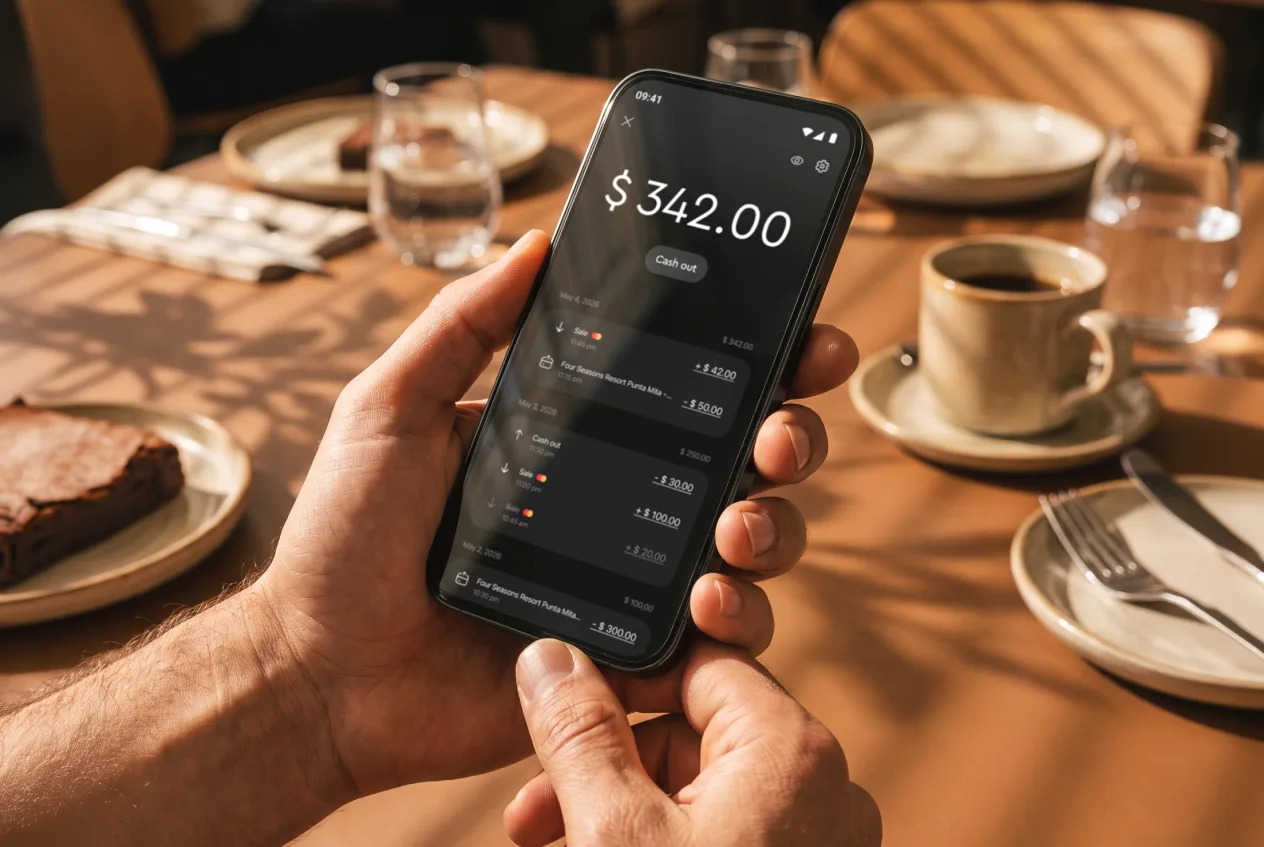
While cash is an option, accepting cards and digital wallets looks more professional and is more convenient for clients. This brings us to payment solutions. For braiders who need to accept payments on-site or on-the-go, JIM offers a streamlined solution.

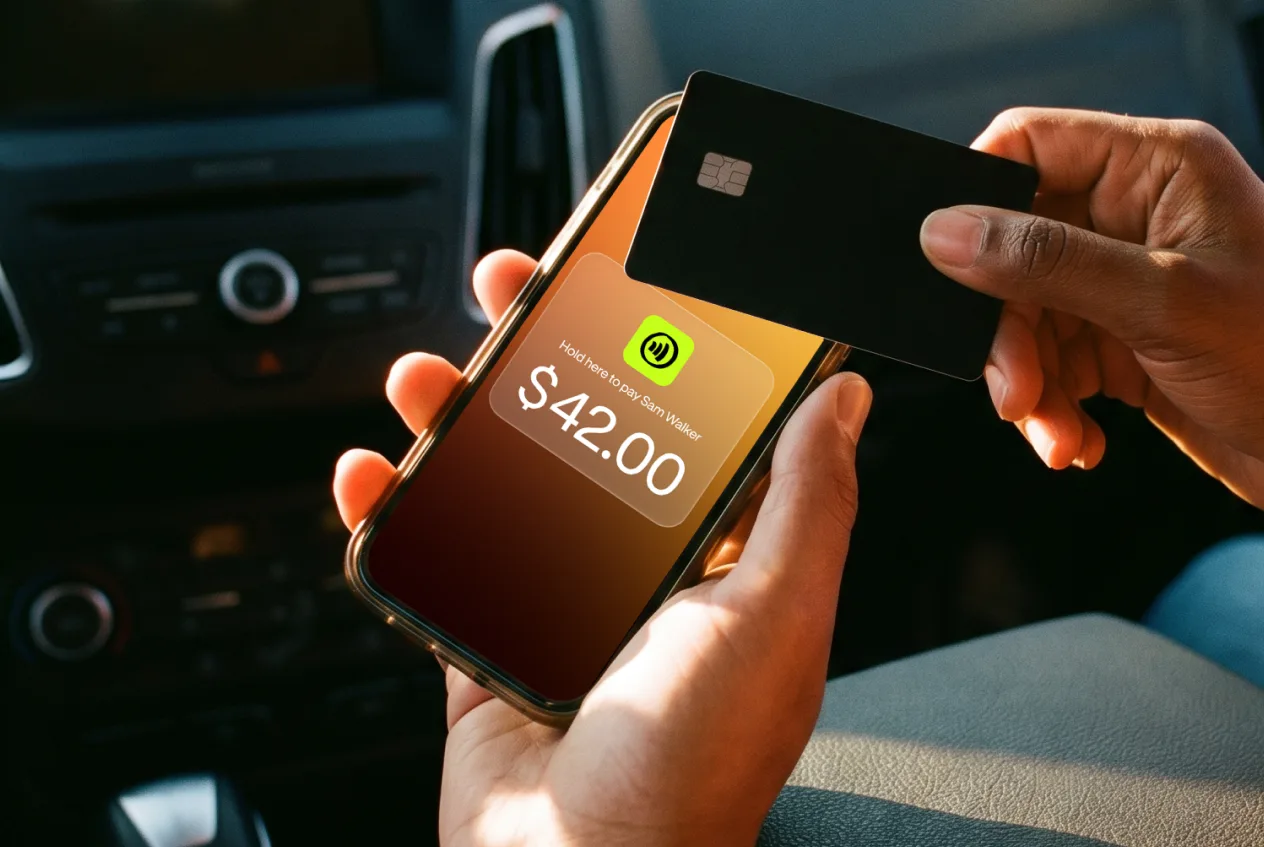
With JIM, you can accept debit, credit, and digital wallets directly through your smartphone—just tap and done. Many processors charge 2.5% to 3.5% per transaction. At just 1.99% per transaction with no hidden costs or extra hardware needed, it's particularly useful for taking final payments right from your styling chair.

Getting started is straightforward:

  • Get Started: Download the JIM app for iOS.
  • Make a Sale: Type the sales amount, hit sell, and ask your customer to tap their card or device on your phone.
  • Access Funds: Your money is available right on your JIM card as soon as the sale is done—no waiting for bank transfers.

Here are 3 immediate steps to take:

  • Decide on your deposit amount and write down your cancellation policy.
  • Download the JIM app to see how it works on your phone.
  • Calculate the potential savings of a 1.99% transaction rate versus a 2.9% rate on your projected monthly sales.

Step 6: Fund your business and manage finances

Most braiders start by using personal savings. If you need external funds, an SBA Microloan is a good option. These loans range from $500 to $50,000. You can expect interest rates between 8% and 13%, and you will need a clear business plan to qualify.

Grants and working capital

You might also look into grants. The Amber Grant awards $10,000 each month to women entrepreneurs. Many new owners underestimate the time it takes to write a grant proposal, so start the application process early. They are highly competitive.

You should have enough working capital to cover your first six months. This includes rent, supplies, and marketing costs. A buffer of $3,000 to $6,000 is a realistic target to ensure you can operate without stress while you build your client list.

Once you secure funding, open a separate business bank account. Mixing business and personal funds is a common mistake that complicates tax filing and hides your true profitability. A dedicated account keeps your finances clean from day one.

Here are 4 immediate steps to take:

  • Calculate your 6-month working capital needs based on your estimated expenses.
  • Research the SBA Microloan program and find a local intermediary lender.
  • Review the application requirements for the Amber Grant.
  • Open a dedicated business checking account if you have not done so.

Step 7: Build your team and streamline operations

You might consider your first hire when you are consistently booked 4-6 weeks in advance. This shows you have enough demand to support another stylist. Your first role will likely be a Braid Stylist or Braid Technician.

Hiring and compensation

Responsibilities for a Braid Stylist include consultations, braiding, and station upkeep. For pay, you can offer an hourly wage, typically $15-$25 plus tips, or a commission split. A 40-50% commission on services is a common model that motivates stylists to build their own client list.

One thing to watch for is hiring before your revenue can support it. A healthy ratio to aim for is one full-time stylist for every $50,000 in annual revenue. This ensures you can cover their pay without straining your finances.

Scheduling and management

With a stylist on board, an efficient booking system is a must. Software like Acuity Scheduling, GlossGenius, or StyleSeat lets clients book online, pay deposits, and receive automatic reminders. This frees you from administrative work and reduces no-shows.

Regarding qualifications, some states do not require a specific braiding license. However, a state cosmetology license is always a valuable credential for any potential hire, as it demonstrates a formal understanding of safety and sanitation standards.

Here are 4 immediate steps to take:

  • Draft a job description for a Braid Stylist with your preferred pay structure.
  • Calculate if your revenue can support a new hire using the $50,000 per stylist ratio.
  • Demo two booking software options, like Acuity Scheduling and GlossGenius.
  • Review your state’s cosmetology board rules for employee certification requirements.

Step 8: Market your business and get clients

Your first marketing focus should be Instagram. Create a business profile and post high-quality photos and videos of your work. Use local hashtags like #houstonbraids or #chicagobraider to attract nearby clients. Aim to post 3-5 times per week to stay visible.

Build your visual portfolio

To get content, you can offer a 20-25% discount to your first five clients in exchange for photos and video testimonials. A portfolio with real client results is your best sales tool. Some new braiders use stock photos, which clients can spot immediately and it erodes trust.

Use local partnerships and ads

You might also partner with local beauty supply stores. Offer to leave your business cards at their counter in exchange for recommending their shop to your clients. This creates a referral loop that benefits both of you.

Once you have a portfolio, consider a small ad budget. A targeted Instagram ad campaign for $50-$100 can reach thousands of potential clients in your zip code. For metrics, a 2-5% conversion rate from profile visits to booked appointments is a strong goal.

Here are 4 immediate steps to take:

  • Plan your first week of Instagram content with before-and-after photos.
  • Draft a discount offer for your first five portfolio-building clients.
  • Identify two local beauty supply stores or salons to approach for a partnership.
  • Set a test budget of $50 for a local Instagram ad campaign.

Step 9: Price your services and create a menu

Your pricing strategy directly impacts your profitability. Most braiders use a flat-rate model, charging a set price per style. For example, you might charge $220 for medium knotless braids. An hourly rate, perhaps $35-$50 per hour, offers flexibility for custom or time-intensive styles.

A mistake some new braiders make is forgetting to account for product costs. A standard practice is to mark up the hair and products you provide by 50% to 100%. If the hair for a style costs you $40, your price should reflect an additional $20 to $40.

Build your service menu

Start with a focused menu of 5-7 popular services. Use clear, descriptive names like "Waist-Length Stitch Braids" instead of vague terms. This helps clients understand exactly what they are booking. You can find pricing data by searching for braiders in your city on StyleSeat or Instagram.

You can also increase your average ticket with add-ons. Offer services like "tuck-in ends" for $20, "shampoo and blow-dry" for $30, or "beads and accessories" for $15. These small additions can significantly boost your income without adding much time to the appointment.

Here are 4 immediate steps to take:

  • Research the prices of five local braiders for knotless braids and cornrows.
  • Calculate your product cost for one style and apply a 75% markup.
  • Draft a service menu with five core styles and three add-on services.
  • Decide if a flat-rate, hourly, or hybrid pricing model works best for you.

Step 10: Maintain quality and scale your business

As your client list grows, you must protect the quality of your work. Create a personal quality checklist for each service. This should include standards like consistent part sizes, secure but comfortable tension, and clean, tucked ends. Your reputation depends on this consistency.

Measure your success and plan for growth

Track your client retention rate. A good goal is to have 70% of new clients return for another service within six months. You should also monitor your online reviews, with an aim to maintain a 4.8-star rating or higher. These numbers tell you what is working.

When you are booked at 80% capacity for two months straight, it is time to act. This is a strong signal to either raise your prices by 10-15% or consider your first hire. A waitlist of more than 10 clients also confirms you have more demand than you can handle alone.

As you add stylists, booking software like GlossGenius or Acuity becomes invaluable. These platforms manage multiple calendars, automate client communication, and track performance metrics for each team member. This lets you focus on growth instead of administration.

Here are 4 immediate steps to take:

  • Create a written quality checklist for your most popular braiding style.
  • Calculate your client retention rate from the last three months.
  • Review your calendar to determine your booking percentage for the past 60 days.
  • Set a specific benchmark for when you will raise your prices or hire help.

Your braiding business is where your creative skill meets smart planning. Remember, your unique style and the personal connections you make with clients are what build a loyal following. You have the steps, now go build your brand.

A professional brand also needs a simple payment process. JIM lets you accept cards right on your smartphone, with no extra hardware needed. Its flat 1.99% transaction fee helps you keep more of what you earn. Download JIM and you are ready for business.

Sell and get paid instantly1 with JIM

Start selling
Hand holding a smartphone with the JIM app interface, showing a $2,100.00 Visa card balance and a keypad to enter a $42.00 transaction. The background features a futuristic rocky landscape and digital wrist overlay.