Starting a car washing business is an exciting venture that combines a knack for detail and customer service with business savvy. The industry is a multi-billion dollar market, and there is consistent demand for clean vehicles from daily commuters, families, fleet operators, and luxury car owners.
This guide will take you through the practical steps of validating your business concept, selecting the right location, acquiring equipment, and obtaining necessary permits to help you launch a successful car washing business in the U.S.
Step 1: Plan your business and validate your idea
Your first move is to understand the local market. Spend a week conducting traffic counts at three potential locations during peak hours, like morning and evening commutes. Also, use U.S. Census Bureau data to analyze neighborhood demographics for income levels and car ownership rates.
Research your market and competition
Create a map of all car washes within a five-mile radius. Visit at least five of them at different times. Note their services, pricing, and how busy they are. Pay attention to customer reviews on platforms like Google Maps to find service gaps you can fill.
Many new owners pick a location just because it is available. You should instead find a spot where your target customers already are, even if it means a longer search. This avoids the struggle to draw people to an inconvenient location.
Estimate your startup costs
Your initial investment will vary based on the type of car wash you choose. Preparing for these figures upfront helps secure adequate funding. A detailed financial plan is a powerful asset when you approach lenders or investors.
- Self-service bay: $35,000 to $75,000 per bay
- In-bay automatic system: $125,000 to $250,000
- Conveyor or tunnel system: $500,000 to over $3 million
Remember to budget an additional 15-20% for land acquisition or leasing, permits, insurance, and initial marketing campaigns.
Here are 3 immediate steps to take:
- Analyze traffic counts and local demographics for three potential sites.
- Visit five local competitors to document their services, pricing, and customer volume.
- Draft a preliminary budget that outlines your estimated startup costs by category.
Step 2: Establish your legal structure and get licensed
Most new car wash owners form a Limited Liability Company (LLC). This structure protects your personal assets from business debts and lawsuits. It also allows profits to pass directly to you without being taxed at the corporate level, which simplifies your year-end accounting.
Once you choose a structure, get a federal Employer Identification Number (EIN) from the IRS website. It is free and you will need it to open a business bank account, file taxes, and hire employees. This is your business’s equivalent of a Social Security number.
Secure your permits and licenses
You will need a general business license from your city or county. In addition, obtain a seller’s permit from your state’s department of revenue if you plan to sell products. These typically cost between $50 and $400, with processing times of one to four weeks.
A frequent hold-up is the water discharge permit, often governed by the Environmental Protection Agency (EPA) and local authorities. This permit can take three to six months to secure and may cost $500 to $5,000, so you should start the application process very early.
Here are 3 immediate steps to take:
- Apply for a free Employer Identification Number (EIN) on the IRS website.
- File for an LLC with your state’s Secretary of State office.
- Contact your local environmental protection agency to start the water discharge permit application.
Step 3: Secure your insurance and manage risk
Choose your coverage
You will want to secure several types of insurance. A single accident could otherwise jeopardize your entire business. Your policy package should be tailored specifically for a car wash operation.
- General Liability: Covers customer slips and falls. Aim for $1 million in coverage, with annual premiums from $500 to $1,200.
- Garage Keepers Liability: This protects you if a customer’s car is damaged. Many new owners overlook this, but it is vital.
- Property Insurance: Protects your building and equipment from fire or theft. Costs vary based on asset value.
- Workers’ Compensation: Required if you have employees. It covers lost wages and medical costs from on-the-job injuries.
When you look for a provider, consider specialists like Insureon, The Hartford, or Next Insurance. They understand the unique risks of a car wash and can offer better-suited policies than a general agent.
Understand your unique risks
Car washes have specific liabilities. Customer vehicles can get scratched by equipment, or an employee might slip on a wet surface. Chemical handling also presents health risks if your team does not have proper training and protective gear.
A frequent mistake is to assume your general liability policy covers damage to a customer's car. It often does not. You need to confirm you have garage keepers coverage, which is a specific endorsement for businesses that service vehicles.
Here are 3 immediate steps to take:
- Request quotes from three insurance providers that specialize in car washes.
- Ask each provider to explicitly confirm if garage keepers liability is included.
- Draft a daily safety protocol for your team to minimize slips and chemical exposure.
Step 4: Find your location and buy equipment
Look for properties zoned for commercial use, often labeled C-2 or C-3. A typical in-bay automatic car wash needs at least 5,000 square feet for the building, queuing lanes, and vacuum stations. Confirm the zoning with your local planning department before you talk to a landlord.
When you negotiate a lease, focus on a term of at least 10 years to protect your build-out investment. Also, ensure the agreement explicitly permits high water usage and outlines responsibilities for drainage systems. Some landlords are wary of this, so address it upfront.
Select your core equipment
With a location in sight, it is time to price out your machinery. Your choices here directly impact service quality and speed. You will want to get quotes from multiple vendors to compare features and financing options.
- Pressure washers and applicators: $3,000 to $10,000
- In-bay automatic or tunnel system: $125,000 to $500,000+
- Water reclamation system: $20,000 to $60,000. Check suppliers like Sonny's The CarWash Factory or Ryko Solutions.
A mistake many new owners make is to buy equipment before the lease is signed. Always secure your location first. An equipment package that fits one property might not work for another due to space or utility constraints.
Here are 3 immediate steps to take:
- Contact your city’s planning department to verify zoning for two potential sites.
- Draft lease questions about water usage, drainage, and lease term length.
- Request equipment quotes from two industry suppliers like Sonny's or Ryko.
Step 5: Set up your payment system
Your customers will expect to pay with cards and digital wallets. You might also consider monthly membership plans, as these create predictable revenue. This means you need a system that can process recurring payments automatically.
Many payment processors charge between 2.5% and 3.5% per transaction, often with added monthly fees. A frequent mistake is to ignore these costs, which eat into your profit. Look for a solution with clear pricing that supports both single sales and subscriptions.
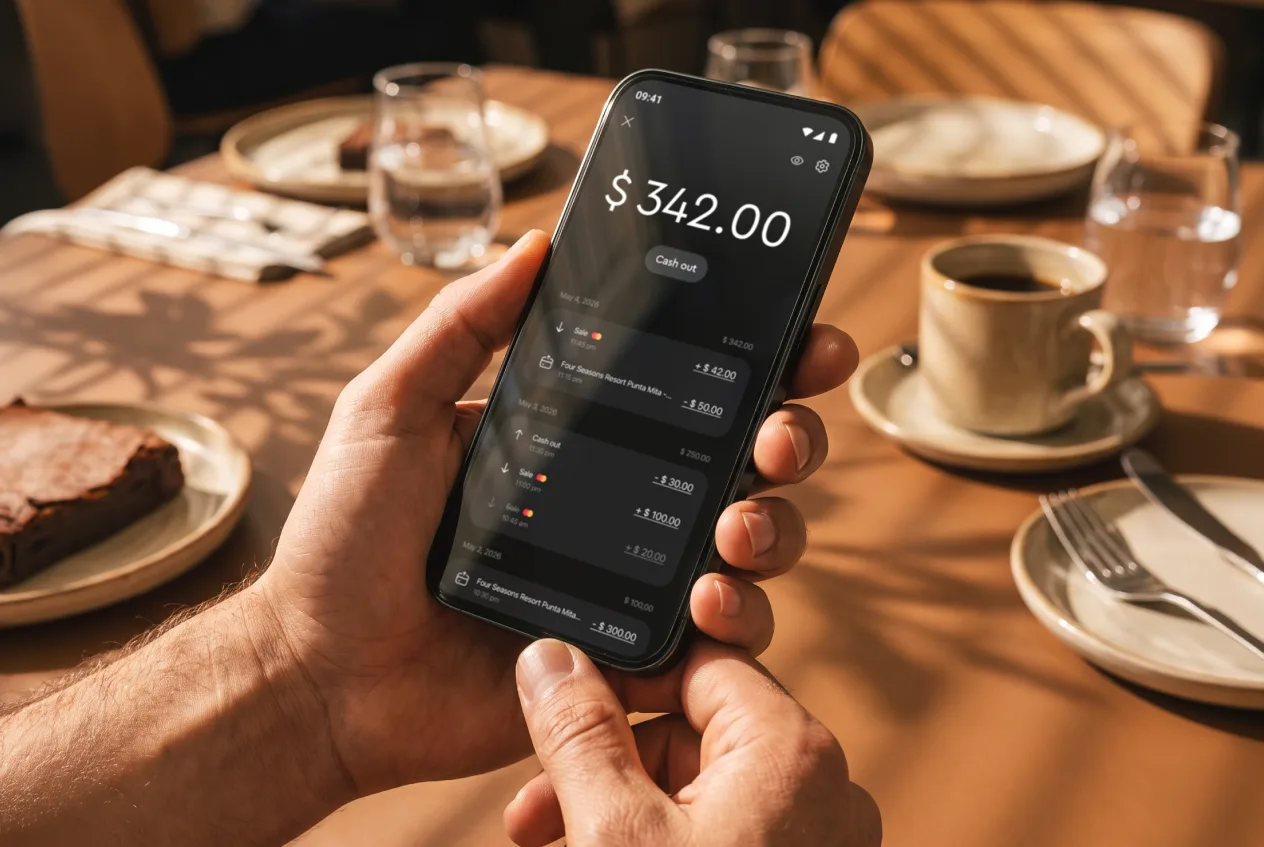
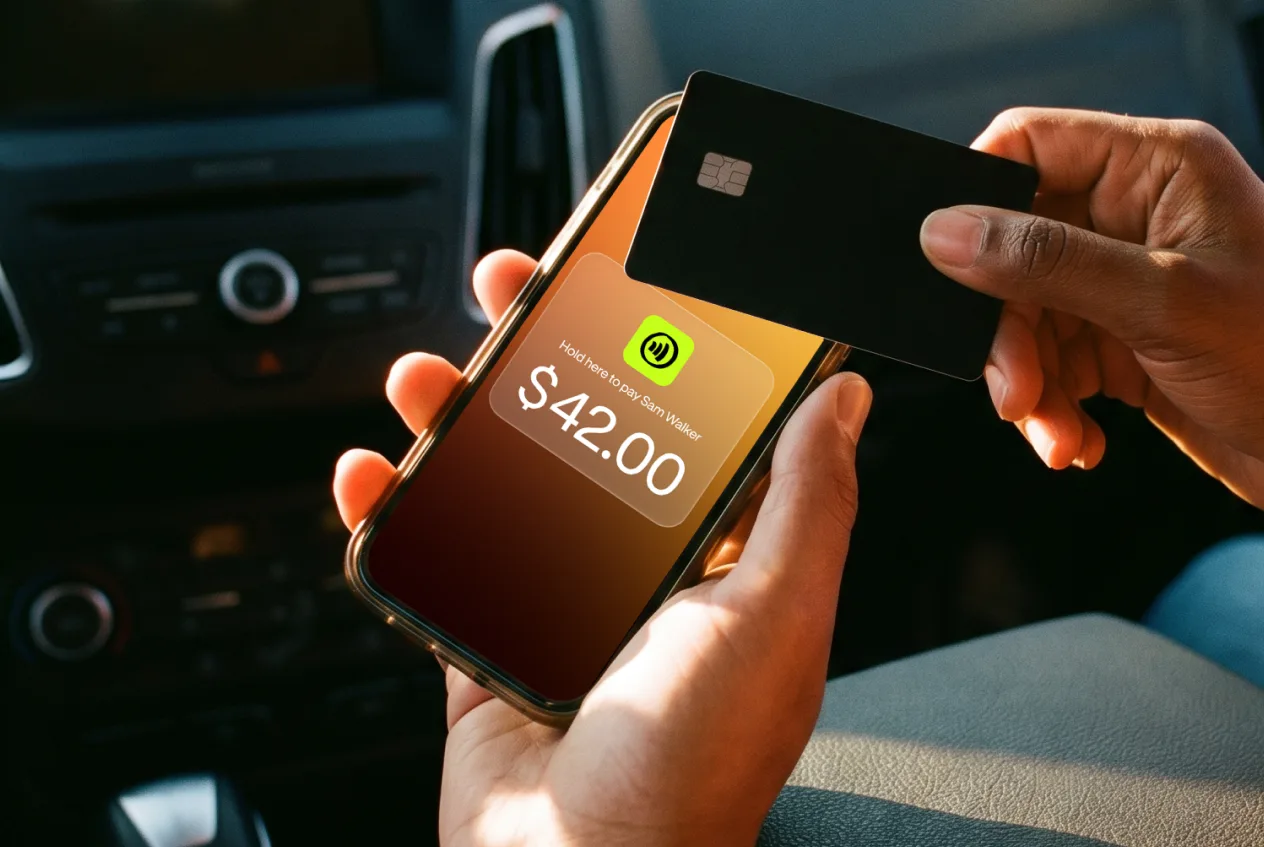
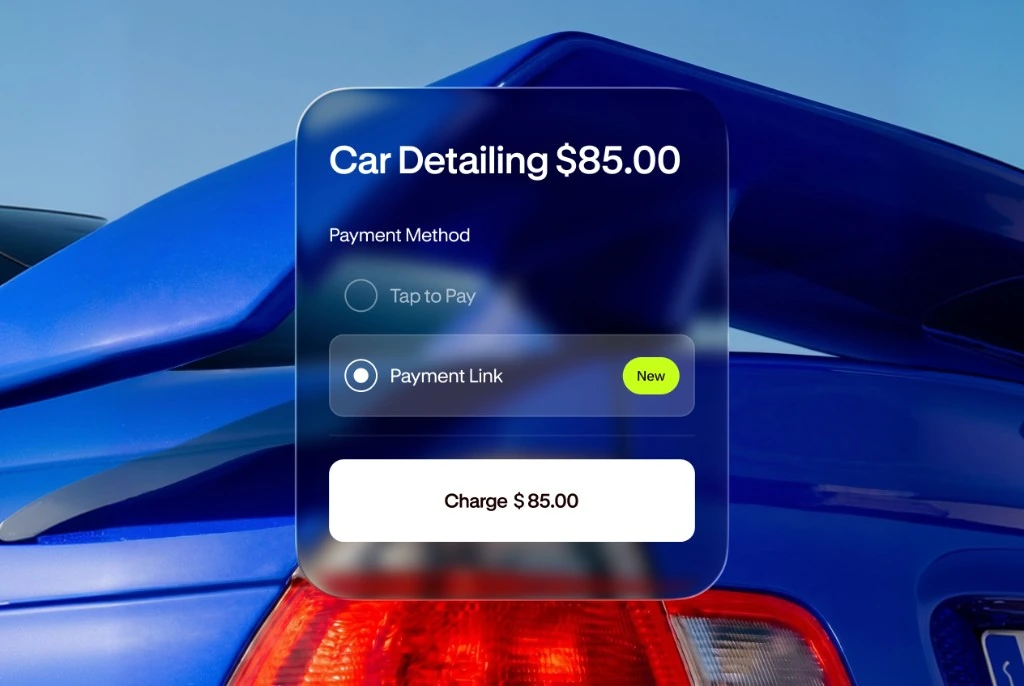
For car washes that need to accept payments on-site or on-the-go, JIM offers a streamlined solution. With it, you can accept debit, credit, and digital wallets directly through your smartphone. Just tap and you are done.
At just 1.99% per transaction with no hidden costs or extra hardware, it is particularly useful for mobile detailing jobs or to upsell services like a wax finish to customers already in line.
Here is how it works:
- Get Started: Download the JIM app for iOS.
- Make a Sale: Type the sales amount, hit sell, and ask your customer to tap their card or device on your phone.
- Access Funds: Your money is available right on your JIM card as soon as the sale is done, with no wait for bank transfers.
Here are 3 immediate steps to take:
- Decide if you will offer monthly subscription plans for recurring revenue.
- Compare the total fees of two traditional payment systems against the 1.99% rate from JIM.
- Download the JIM app to see how it functions on your phone.
Step 6: Secure your funding and manage finances
Find the right loan
The SBA 7(a) loan is a strong option for car washes. Lenders offer up to $5 million, and the government guarantee makes approval easier. You will likely need a credit score over 680 and a 10-20% down payment. Interest rates usually sit at Prime + 2.75% to 4.75%.
You might also consider equipment financing. These loans are often simpler to get because the machinery itself acts as collateral. Companies that specialize in this area can be more flexible than traditional banks. Some owners forget to factor in a solid business plan, which lenders will always want to see.
Budget for your first six months
Set aside enough working capital to cover your first six months of operations. A good rule of thumb is to reserve 20-25% of your total startup costs for this. This cash covers payroll, utilities, insurance, and marketing before your revenue becomes consistent.
For a $250,000 project, this means having $50,000 to $62,500 in cash reserves. Some new owners make the mistake of spending their entire loan on construction and equipment, leaving no buffer for the critical opening phase. Plan for this from day one.
Here are 3 immediate steps to take:
- Request your credit report from a bureau like Experian to confirm your score.
- Contact an SBA-preferred lender to discuss pre-qualification for a 7(a) loan.
- Calculate your six-month operating budget for payroll, supplies, and marketing.
Step 7: Hire your team and set up operations
Your first hires will likely be a site manager and a few attendants. A common mistake is to understaff during peak hours to save on payroll. This approach often backfires, leading to long waits and lost customers. Plan for at least two attendants during busy weekend afternoons.
Define roles and pay
Clear roles prevent confusion and improve efficiency. While formal certifications are rare for attendants, your equipment vendor will provide necessary training. Ensure your entire team completes it and understands basic OSHA safety guidelines for handling chemicals and wet surfaces.
- Site Manager: Oversees daily operations, scheduling, and inventory. Expect to pay a salary between $45,000 and $60,000 per year.
- Car Wash Attendant: Guides cars, pre-treats vehicles, and handles customer service. Pay typically ranges from $15 to $18 per hour.
For scheduling, you might use apps like Homebase or When I Work. They help you manage shifts and communicate with your team. As you grow, aim to keep your labor costs between 25% and 35% of total revenue. This ratio helps you decide when to hire more staff.
Here are 3 immediate steps to take:
- Draft job descriptions for a site manager and a car wash attendant.
- Review scheduling software like Homebase or When I Work to see which fits your needs.
- Calculate your target labor budget based on 30% of your projected monthly revenue.
Step 8: Market your business and get customers
Launch with a grand opening
Plan a grand opening event for your first weekend. Offer an irresistible deal like "First 50 Washes Free" or a flat 50% discount. This creates immediate buzz and gets cars lined up. Promote it with flyers at local coffee shops and community centers a week in advance.
You should also reach out to nearby businesses. Propose a fleet washing program to companies with service vehicles or offer a corporate discount to large offices. These partnerships can provide a consistent revenue base right from the start.
Build your online presence
Your Google Business Profile is your most important marketing asset. Claim it and fill out every detail with high-quality photos of your clean facility. Actively ask your first happy customers for reviews, as they are the strongest signal to new customers in your area.
Once your profile is set, you might run targeted social media ads. On platforms like Facebook, you can target users within a 5-mile radius for as little as $15 a day. A common mistake is to run ads without a clear offer. Instead, promote your grand opening deal to drive immediate traffic.
A good customer acquisition cost (CAC) to aim for is between $5 and $15. If you spend $100 on ads and get 10 new customers, your CAC is $10. Track this metric to see if your campaigns are profitable.
Here are 3 immediate steps to take:
- Claim and fully populate your Google Business Profile with photos.
- Design a grand opening flyer with a specific, time-sensitive offer.
- Identify three local businesses with vehicle fleets and draft a partnership email.
Step 9: Set your prices and service menu
Your pricing needs to balance your costs with what the local market will pay. Before you look at competitors, calculate your cost-per-car. This includes water, chemicals, and electricity for one wash, which typically lands between $1.50 and $3.00.
With your cost-per-car figured out, aim for a gross profit margin of 60-75%. A common mistake is to simply copy a competitor’s prices. If their overhead is lower, you might accidentally price your services at a loss. Know your numbers first.
Build your service tiers
Most customers respond well to a "good, better, best" model. It simplifies their decision and provides clear upsell paths. Here is a sample structure:
- Basic Wash ($12): A simple exterior wash and rinse.
- Deluxe Wash ($22): Includes the basic wash plus an undercarriage rinse and wax.
- The Works ($35): Our deluxe package plus tire shine and a quick interior vacuum.
You might also offer monthly memberships to create predictable revenue. For example, offering unlimited basic washes for $30 a month can build a loyal customer base that provides steady income, even on slow days.
Here are 3 immediate steps to take:
- Calculate your cost-per-car for water, chemicals, and utilities.
- Draft a three-tier service menu with prices targeting a 65% gross margin.
- Research the monthly membership prices of two local competitors.
Step 10: Maintain quality and scale your operations
Set your quality benchmarks
Create a daily quality checklist for your team. It should include checks for nozzle pressure, soap levels, and spot-free rinse effectiveness. For a higher standard, you can look into the International Carwash Association’s WaterSavers program, which recognizes eco-friendly practices.
To measure quality, track your customer complaint rate and aim for fewer than two complaints per 100 cars. You should also monitor your average wash time. If it starts to creep up, it is a sign of an operational bottleneck that needs attention.
Plan your growth
When your car wash operates at 80% capacity during peak hours for a full month, it is a strong signal to expand. This could mean adding another automatic bay or scouting a second location. Many owners make the mistake of expanding without this data, which strains cash flow.
A good rule for hiring is to add an attendant for every 50 additional cars you service per day. As you grow, consider management software like Washify or DRB Systems. These platforms help you manage monthly memberships, track sales, and automate marketing.
Here are 3 immediate steps to take:
- Create a daily quality checklist for your team to use before opening.
- Track customer complaints and average wash times for one week to set a baseline.
- Review the features of a management system like Washify or DRB.
You now have a clear path to launch your car wash. The key is to remember that your reputation is built one clean car at a time. Focus on excellent service and operational details, and your business will thrive. The plan is set, now it is time to execute.
As you serve those first customers, make getting paid easy. JIM turns your phone into a card reader for a flat 1.99% fee, with no extra hardware needed. Download JIM and you are ready to accept payments from day one.