How to start a coin laundry business from the ground up

Launch your coin laundry business with our proven roadmap. Get practical steps for funding, licensing, and insurance to avoid expensive rookie errors.

2 min read time

Copied
How to start a coin laundry business
Main topics

Starting a coin laundry business is an exciting venture that combines mechanical know-how with sharp business acumen. The industry is a multi-billion dollar market, fueled by steady demand from renters, students, and large families who need reliable laundry services.

This guide will take you through the practical steps of selecting the right location, acquiring equipment, securing funding, and obtaining the necessary permits to help you launch a successful coin laundry business in the U.S.

Step 1: Develop your business plan and validate the concept

Start by analyzing neighborhood demographics. Look for areas with a high density of renters, apartment buildings, and college students. You can use U.S. Census Bureau data to find this information for free. Also, spend time observing foot traffic in potential locations.

Analyze the competition

Map out all laundromats within a three-mile radius using Google Maps. Visit them at different times to note their pricing, machine availability, and cleanliness. Many new owners focus only on price, but you should also assess the condition of their equipment and overall customer experience.

Understand your startup costs

Speaking of costs, a detailed budget is your next move. A clear financial plan is necessary to secure funding and avoid surprises. Initial investment can be substantial, so it helps to know what to expect. A typical cost breakdown looks something like this:

  • Equipment (Washers & Dryers): $100,000 - $300,000
  • Lease & Renovations: $55,000 - $170,000
  • Permits & Fees: $2,000 - $10,000
  • Initial Marketing & Supplies: $3,000 - $10,000

This puts the total estimated startup range between $160,000 and $490,000.

Here are 3 immediate steps to take:

  • Analyze the demographics of two potential neighborhoods using census data.
  • Visit at least two local competitors to document their pricing and amenities.
  • Create a preliminary budget that outlines your estimated startup costs.

Step 2: Set up your legal structure and get licensed

Choose your business structure

Most new laundromat owners choose a Limited Liability Company (LLC). This structure protects your personal assets if the business faces a lawsuit, separating them from business debts. It offers this protection without the complex formalities of a corporation.

With an LLC, you also get pass-through taxation. This means business profits and losses are reported on your personal tax returns, which simplifies filing. You can register your LLC through your state's Secretary of State website.

Secure permits and licenses

First, get a federal Employer Identification Number (EIN) from the IRS website. It is free and you will need it for taxes and opening a business bank account. Next, contact your city or county clerk for a general Business Operating License, which can cost $50 to $400 annually.

You will also need specific permits for renovations, fire safety, and health code compliance. Some cities require a water pollution control permit. A frequent oversight is underestimating these timelines. Building permits alone can take 4-8 weeks, so apply as soon as you have your plans.

Here are 3 immediate steps to take:

  • Decide on your business structure and register your business name with your state.
  • Apply for a free Employer Identification Number (EIN) on the IRS website.
  • Contact your city clerk’s office to create a checklist of all required local permits.

Step 3: Secure insurance and manage risk

Your next step is to protect your investment. A comprehensive insurance plan is not just a safety net; it is a requirement for leases and loans. Focus on policies that cover the specific challenges of a public-facing, machine-heavy business.

Key insurance policies

You will want to secure General Liability coverage of at least $1 million. This protects you from claims like customer slip-and-falls. Also, get Property Insurance to cover your building and equipment from fire or theft. Annual premiums for a combined policy typically range from $2,500 to $7,000.

A frequent oversight is skipping specific riders. Ask your agent about Equipment Breakdown coverage for your washers and dryers. Also, consider Bailment coverage, which insures customers' clothes while they are in your possession. This is a small cost that prevents major headaches.

If you plan to hire staff, you must have Workers' Compensation insurance. For providers, look at specialists like The Hartford, CNA, or Philadelphia Insurance Companies. A general agent might not understand the unique risks of a laundromat and could sell you an inadequate policy.

Here are 3 immediate steps to take:

  • Request quotes from at least three insurance providers, including one laundromat specialist.
  • Ask each provider to detail the cost for Equipment Breakdown and Bailment coverage.
  • Review your lease agreement to confirm the minimum liability coverage your landlord requires.

Step 4: Find your location and buy equipment

Aim for a retail space between 1,500 and 3,000 square feet. This size accommodates machines, a folding area, and customer seating. Confirm the location has commercial zoning, typically labeled C-1 or C-2, which allows for service-based businesses.

Negotiate your lease

When you find a spot, push for a lease of at least 10 years with options to renew. A common oversight is not clarifying who pays for utility upgrades. Your machines need significant water and power, so get written confirmation on who covers these modifications.

Select your washers and dryers

Now for the equipment. Commercial front-load washers run $4,000-$7,000 each, while stacked dryers cost $3,000-$6,000. You will also need a reliable bill changer for about $2,500. Contact distributors like Alliance Laundry Systems or Dexter Laundry for quotes and layout planning assistance.

Here are 3 immediate steps to take:

  • Identify two potential locations with the correct commercial zoning.
  • Request equipment price lists and layout assistance from a major distributor.
  • Draft key negotiation points for your lease, focusing on term length and utility upgrades.

Step 5: Set up your payment systems

While coins are traditional, modern laundromats thrive on flexible payments. Look for hybrid systems that accept coins, credit cards, and mobile app payments directly on the machines. This caters to all customer preferences and can increase machine usage by up to 30%.

Many owners get tripped up by payment processing fees. Card reader systems for machines often come with hardware costs and transaction rates between 2.5% and 3.5%. For other sales, like wash-and-fold services, you need a separate, cost-effective solution.

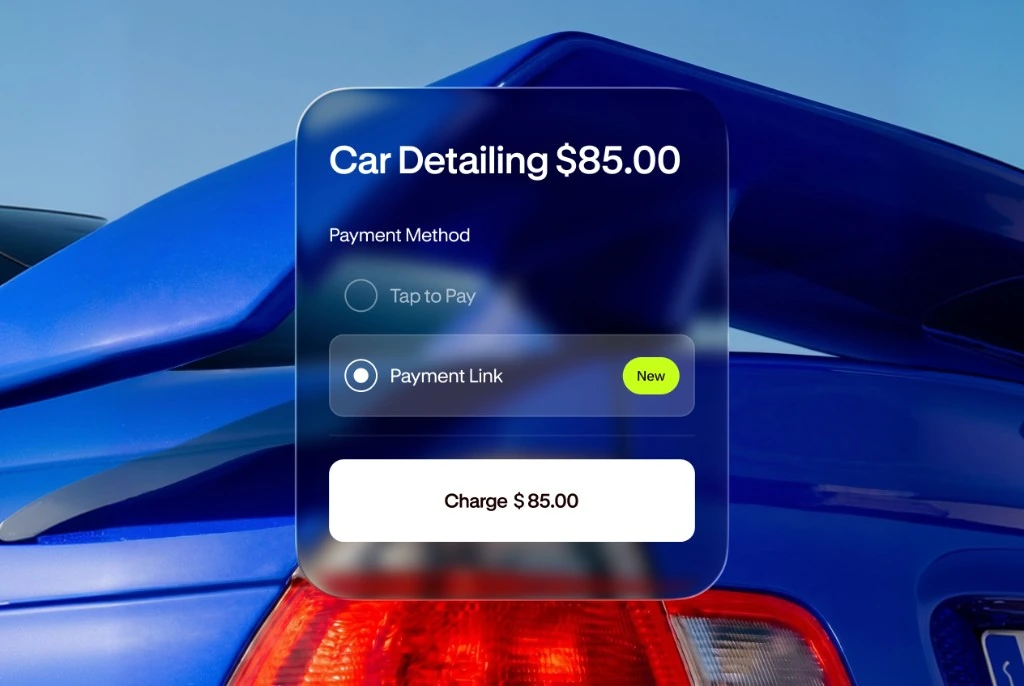
For services that need payment on-site or on-the-go, JIM offers a streamlined solution. With JIM, you can accept debit, credit, and digital wallets directly through your smartphone. Just tap and the transaction is done. It is a simple process.

At just 1.99% per transaction with no hidden costs or extra hardware, it is a smart choice. It's particularly useful for wash-and-fold services or selling supplies. This rate is significantly lower than the typical 2.5%-3.5% other providers charge.

  • Get Started: Download JIM app for iOS
  • Make a Sale: Type the sales amount, hit sell, and ask your customer to tap their card or device on your phone
  • Access Funds: Your money is available right on your JIM card as soon as the sale is done - no waiting for bank transfers

Here are 3 immediate steps to take:

  • Research hybrid payment systems that accept both coins and cards for your machines.
  • Calculate your potential savings on wash-and-fold sales using a 1.99% transaction fee.
  • Download the JIM app to see how it works for over-the-counter sales.

Step 6: Secure funding and manage your finances

Most laundromat financing comes from two main sources: SBA loans and direct equipment financing. The SBA 7(a) loan is a popular choice for this industry. Lenders will want to see a down payment of about 20% and a credit score of 680 or higher.

Funding sources and requirements

For an SBA loan between $150,000 and $500,000, expect interest rates around Prime + 2.75%. Another path is equipment financing from distributors like Alliance Laundry Systems or Dexter. Their lending arms, like Dexter Financial Services, may offer flexible terms to help you buy their machines.

With funding for the big items in mind, do not forget working capital. You need cash to cover at least six months of operating costs. This buffer, typically $20,000 to $50,000, pays for rent, utilities, and supplies before you turn a profit. Many owners get tripped up here.

They secure a loan for the machines but have no cash left for the first few months of bills. You should build this buffer into your primary loan request from the start.

Here are 3 immediate steps to take:

  • Contact an SBA-preferred lender to discuss pre-qualification for a 7(a) loan.
  • Ask your top two equipment distributors for details on their financing programs.
  • Calculate your estimated operating expenses for six months to set your working capital target.

Step 7: Hire your team and set up operations

With your location and equipment ready, your focus shifts to people and processes. For a standard 2,000-square-foot laundromat, you will typically need one attendant on duty during peak hours, which are often afternoons and weekends. This ensures the facility stays clean and customers have support.

Hire your first attendants

Your main hire is the Laundry Attendant. Responsibilities include cleaning, assisting customers with machines, and managing wash-and-fold orders. Pay usually ranges from minimum wage to about $16 per hour. No special certifications are needed, so focus on candidates with strong customer service skills.

Establish your daily workflow

A frequent oversight is under-planning the daily routine. Create a detailed cleaning checklist for your staff to follow. Also, use a scheduling app like Homebase or When I Work to manage shifts and communication. These apps simplify payroll and help you track hours accurately.

Here are 3 immediate steps to take:

  • Draft a job description for a Laundry Attendant, including pay and responsibilities.
  • Create a daily and weekly cleaning checklist covering floors, machines, and restrooms.
  • Sign up for a free trial of a scheduling app like Homebase to explore its features.

Step 8: Market your business and attract customers

With your doors ready to open, it is time to bring in customers. Many new owners just unlock the doors and wait. A proactive approach works better. Focus on simple, local marketing that gets the word out directly to the people who need your service.

Plan your grand opening

Your first week is a great opportunity. Plan a grand opening event with a promotion like "Free Dry Day" or a discount on large-capacity washers. Announce it with flyers and door hangers at nearby apartment buildings. This can drive immediate foot traffic and build initial buzz.

Build your online presence

First, claim your free Google Business Profile. This is how most customers will find you. Upload at least 10 high-quality photos of your clean facility and new machines. Then, encourage your first few customers to leave reviews to build credibility.

You can also run simple ads on Facebook. Target users in specific zip codes who are listed as renters. A small budget of $10-$15 per day can reach thousands of potential local customers and announce your opening promotions effectively.

Here are 3 immediate steps to take:

  • Design a grand opening flyer with a "Free Dry Day" promotion.
  • Claim and complete your Google Business Profile with high-quality photos.
  • Draft a Facebook ad targeting renters within a two-mile radius of your location.

Step 9: Set your pricing and maximize profit

Your pricing strategy directly impacts profitability. Most laundromats use a tiered model based on machine size. For example, a standard 20-pound washer might be $3.50, while a large 60-pound machine could command $8.00. Dryers are typically priced by time, often $0.25 for 6-8 minutes.

Many new owners just copy a competitor's prices, but this can be a mistake. You need to calculate your own break-even point. Factor in your specific utility rates, rent, and labor costs. Aim for a net profit margin between 20% and 35% after all expenses are paid.

Establish your service pricing

For add-on services like wash-and-fold, the standard is to charge by the pound. A typical rate is $1.25 to $2.50 per pound, with a 10-pound minimum. This service often carries a higher profit margin, around 40-60%, because labor is the primary additional cost.

Here are 3 immediate steps to take:

  • Visit three local competitors and document their prices for every machine size.
  • Calculate your price-per-load for each machine type to achieve a 25% profit margin.
  • Set your wash-and-fold price per pound, ensuring it covers labor and supplies.

Step 10: Maintain quality and scale your operations

With your business running, your focus shifts to consistency and growth. You can maintain quality by setting clear benchmarks. Your machines should have an uptime of at least 98%. For wash-and-fold, a 24-hour turnaround is a competitive standard to meet.

Track your performance metrics

Many owners make growth decisions based on gut feelings, which can be a mistake. Instead, use data. Track your turns per day (TPD) for each machine. A healthy laundromat should average 3-5 TPD. If your TPD is lower, your marketing or pricing may need adjustment.

Know when to grow

When your machine utilization consistently exceeds 70% during peak hours, it is time to consider expansion. For hiring, a good trigger is when wash-and-fold orders surpass 100 pounds per day. This volume usually justifies adding another attendant to maintain service speed.

As you plan for a second location, look into laundry-specific management software like Cents or LaundryPulse. These systems help you monitor revenue, machine status, and employee performance across multiple stores from a single dashboard. They provide the data needed for smart scaling.

Here are 3 immediate steps to take:

  • Establish a machine uptime goal of 98% and track it weekly.
  • Calculate the average turns per day (TPD) for your washers and dryers.
  • Research a laundry management system like Cents to prepare for future growth.

You have the steps to launch a successful laundromat. Remember, this business is about more than machines; it is about creating a clean, reliable space for your community. Your attention to detail will set you apart. Now, go build a business that serves your neighborhood well.

And for those details, like taking payments for wash-and-fold, a simple solution makes a difference. JIM turns your phone into a card reader for a flat 1.99% fee, with no extra hardware. It keeps your process smooth and your costs low. Download JIM.

Sell and get paid instantly1 with JIM

Start selling
Hand holding a smartphone with the JIM app interface, showing a $2,100.00 Visa card balance and a keypad to enter a $42.00 transaction. The background features a futuristic rocky landscape and digital wrist overlay.