How to start a composting business and turn waste to profit

Start a composting business with our clear roadmap. Get practical steps on funding, licensing, and insurance to avoid costly first-year mistakes.

2 min read time

Copied
How to start a composting business
Main topics

Starting a composting business is a rewarding venture that combines a passion for sustainability with business savvy. The composting market is a multi-billion dollar industry, with steady demand for quality compost from farms, landscapers, and home gardeners.

This guide will take you through the practical steps of validating your business concept, securing funding, obtaining necessary permits, and selecting the right location to help you launch a successful composting business in the U.S.

Step 1: Create your business plan and validate your idea

Market and competitor research

Start by researching your local market. Contact potential customers like farms, nurseries, and landscaping companies. Ask about their current compost sources, the prices they pay, and any quality issues they face. This direct feedback is more valuable than generic online data.

Next, identify your competitors. You can use industry databases like IBISWorld for high-level analysis. For a ground-level view, visit local garden centers to see what brands they stock and at what price. Some business owners even visit a competitor's site to observe their operation.

Estimate your startup costs

With market data in hand, you can draft a preliminary budget. Startup costs for a composting business vary widely based on scale. A small operation might begin with around $50,000, while a larger facility can require upwards of $250,000. Be thorough with your estimates.

Here is a typical cost breakdown:

  • Equipment: A commercial grinder can cost $5,000-$50,000. A windrow turner ranges from $20,000 to over $200,000.
  • Permits and legal fees: Set aside $500-$5,000, depending on your state.
  • Land: This is your biggest variable. Leasing is often a better start than buying.

One thing to watch for is focusing only on initial equipment purchases. You should also budget for at least six months of operating expenses, such as fuel and insurance, as revenue may take time to build.

Here are 3 immediate steps to take:

  • Call three local landscaping companies to inquire about their compost needs and pricing.
  • Create a spreadsheet to list and estimate all potential startup and operational costs for the first six months.
  • Research your state's environmental protection agency website for composting permit applications and guidelines.

Step 2: Set up your legal structure and get licensed

Choose your business structure

An LLC (Limited Liability Company) is often the best choice. It protects your personal assets if the business faces debt or lawsuits. Profits and losses pass through to your personal tax return, which avoids the double taxation that C Corporations face.

An S Corp offers similar tax benefits but has stricter rules on ownership. A C Corp is more complex and better suited for large operations that plan to seek venture capital. For most startups, the LLC provides the right balance of protection and simplicity.

Navigate permits and licenses

Your primary regulator will be your state's environmental agency, often called the Department of Environmental Protection (DEP). While the U.S. EPA sets national guidelines, the state-level permits are what you need to operate legally. You will also need a local business license.

States often use a tiered system. A small facility might only need to register, costing under $500. Larger sites require a full Solid Waste Facility Permit, which can cost over $5,000 and take 6-12 months for approval. A mistake many new owners make is underestimating this timeline.

Here are 3 immediate steps to take:

  • Consult a CPA to confirm if an LLC is the right tax structure for you.
  • Find your state's Department of Environmental Protection website and download its composting permit application packet.
  • Check your city or county clerk's office for local business license requirements.

Step 3: Secure insurance and manage risk

Protecting your business starts with the right insurance. You will need a few key policies. General liability coverage, typically between $1 million and $2 million, protects against third-party claims. Commercial property insurance covers your equipment and site structures.

With this in mind, consider bundling policies. Many owners overlook pollution liability insurance. This policy is distinct from general liability and covers cleanup costs and legal fees from soil or water contamination, which is a specific risk in composting.

Here are the main types of coverage you should look into:

  • General Liability: Covers customer injuries or property damage. Annual premiums often range from $1,200 to $5,000.
  • Commercial Auto: For any trucks or loaders. This can be a significant cost, from $5,000 to $15,000 per vehicle annually.
  • Workers' Compensation: Required if you have employees. Costs are a percentage of your payroll.
  • Property Insurance: Protects against fire, a real risk with large compost piles, and theft.

You might want to get quotes from insurers who understand the waste and agriculture industries. Look into providers like Federated Insurance, Hortica, or AmTrust Financial. A general agent may not grasp the unique risks, like spontaneous combustion in windrows or nuisance claims from odors.

Here are 3 immediate steps to take:

  • Request quotes from three insurance providers that specialize in waste management or agriculture.
  • Ask each agent to detail their pollution liability coverage options for runoff and odor claims.
  • Inquire about bundling your general liability, property, and commercial auto policies to lower your total premium.

Step 4: Select your site and purchase equipment

Find the right location

You will need at least half an acre, or about 22,000 square feet, for a small operation. Look for land zoned for agricultural or light industrial use. Check your local planning department's zoning map to confirm a potential site's classification before you commit.

Many new owners get tripped up by proximity to neighbors. Ensure your site has a buffer zone of at least 500 feet from residential areas to minimize potential odor complaints. This detail can save you major headaches later.

When you negotiate a lease, confirm you have rights to a water source for moisture management. Also, discuss runoff containment systems with the landlord. These terms should be explicit in your lease agreement to avoid future disputes.

Acquire your equipment

With a site secured, you can focus on machinery. You do not need everything at once. A front-end loader for moving materials and a windrow turner to aerate compost piles are good starting points. A screener to sort the final product is also a smart investment.

Here is what you can expect for costs:

  • Front-End Loader (Used): $30,000 - $70,000
  • Windrow Turner (Small): $20,000 - $80,000
  • Screener (Small): $15,000 - $40,000

You might look at equipment from manufacturers like Vermeer or SCARAB. Buying used equipment from sites like Machinery Trader can significantly lower your initial capital outlay, but always get a mechanic to inspect it first.

Here are 3 immediate steps to take:

  • Review your city's zoning map for parcels designated as "agricultural" or "industrial".
  • Draft a lease negotiation checklist that includes water rights and buffer zone requirements.
  • Get quotes for a used front-end loader and a small screener from two different suppliers.

Step 5: Set up your payment processing

Handle your finances

For commercial clients like landscapers, Net 30 payment terms are standard. For smaller retail sales, you will want payment upon delivery or pickup. You might also consider requiring a 50% deposit on large bulk orders to secure the sale and cover initial material costs.

When you choose a payment solution, look for low transaction fees and mobile capabilities. Many new owners get caught by high processing rates that eat into profits. The ability to accept payments in the field is a huge advantage for delivery-based sales.

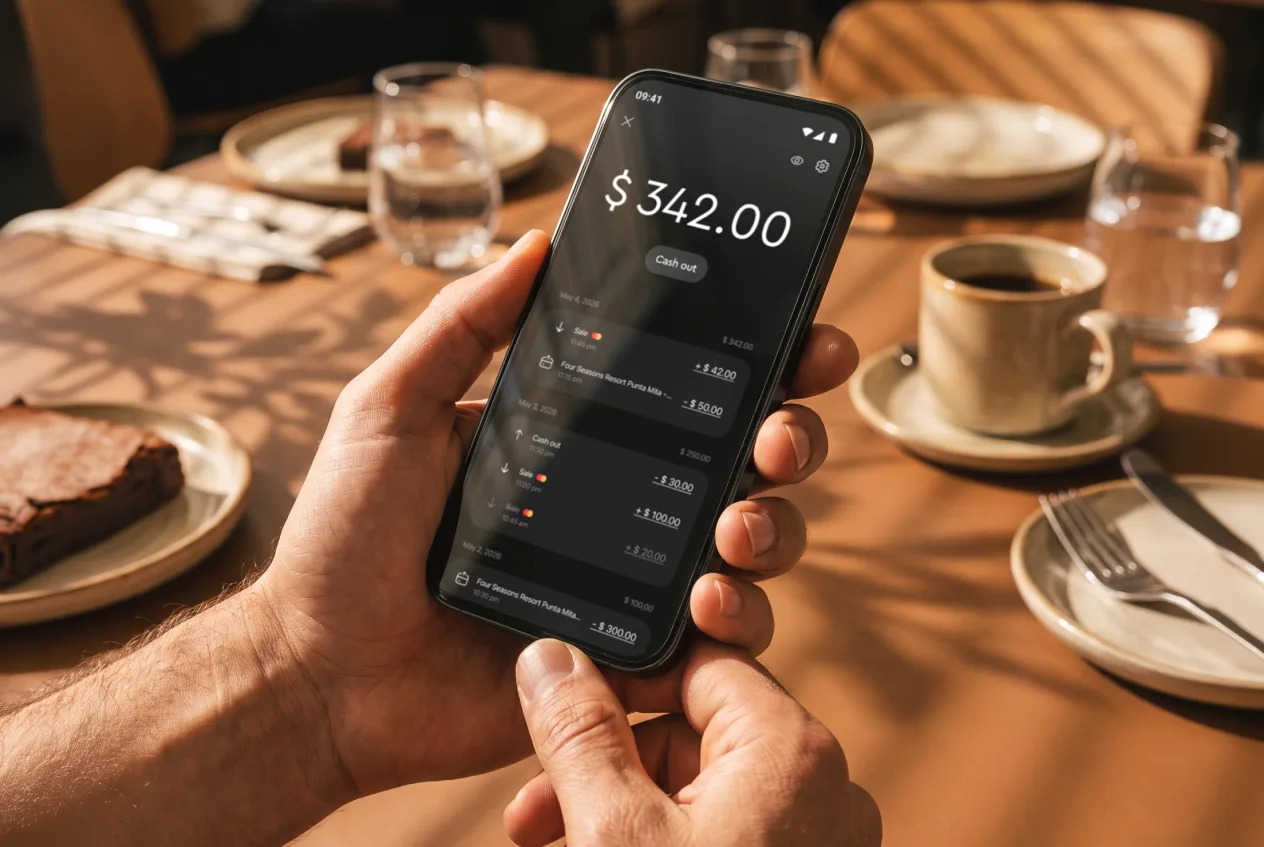
For a composting business that needs to accept payments on-site, JIM offers a streamlined solution. With JIM, you can accept debit, credit, and digital wallets directly through your smartphone. Just tap and you are done. Other providers often charge 2.5% to 3.5% plus monthly fees.

At just 1.99% per transaction with no hidden costs or extra hardware, it is particularly useful for selling bags of compost at a farmers market or taking payment for a delivery right at a customer's driveway.

Here is how it works:

  • Get Started: Download the JIM app for iOS.
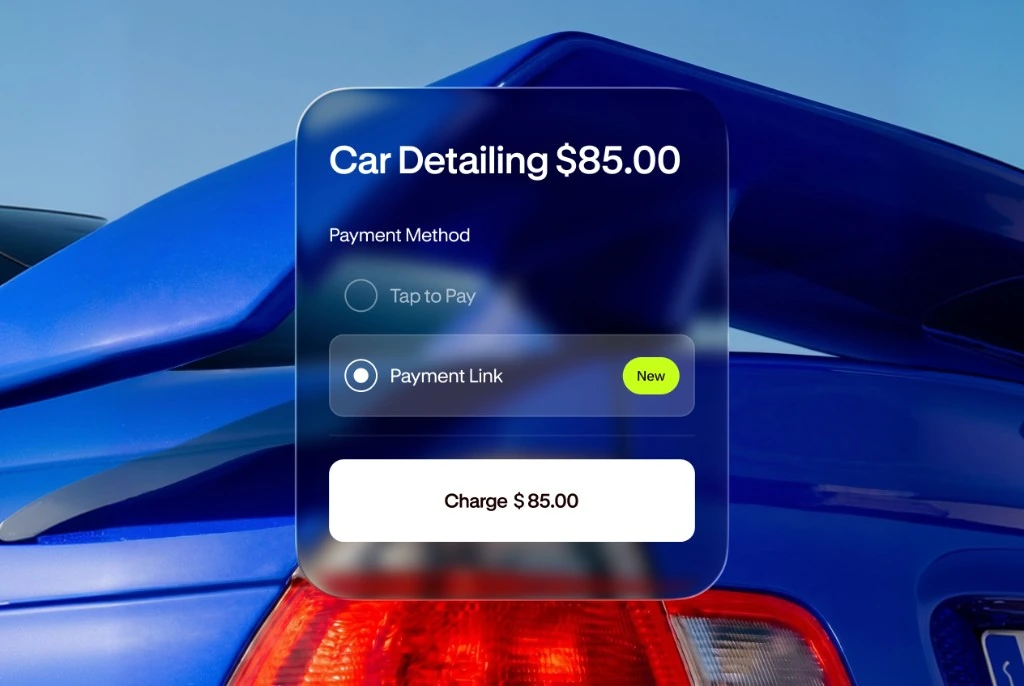
  • Make a Sale: Type the sales amount, hit sell, and ask your customer to tap their card or device on your phone.
  • Access Funds: Your money is available right on your JIM card as soon as the sale is done - no waiting for bank transfers.

Here are 3 immediate steps to take:

  • Decide on your payment terms, like Net 30 for commercial clients, and add them to your invoice template.
  • Compare the total monthly cost of two other payment solutions with JIM's 1.99% flat rate.
  • Download the JIM app to see how the interface works for your business.

Step 6: Secure your funding and manage finances

Find the right funding

You might want to start with the USDA. Their Value-Added Producer Grant (VAPG) is a strong fit for composting ventures. It can provide up to $250,000 for processing and marketing costs. The application window is annual, so check their site for specific deadlines.

SBA 7(a) loans are another solid path. These are government-backed loans from banks, with typical startup amounts between $50,000 and $350,000. Expect interest rates around Prime + 2.75% to 4.75%. To qualify, you will need a solid business plan and good credit.

Many new owners only approach large national banks. You might find that local credit unions offer better rates and more flexible terms because they are invested in the local economy. It is worth a conversation.

Plan your working capital

With funding in mind, let's talk about cash flow. You will need enough cash to cover your first six months of operation. For a small facility, this often means having $30,000 to $60,000 set aside for fuel, payroll, and insurance before sales ramp up.

Here are 3 immediate steps to take:

  • Research the USDA Value-Added Producer Grant to see if your business qualifies.
  • Contact a local credit union and a bank to compare their SBA 7(a) loan terms.
  • Calculate your six-month operating expenses to define your working capital target.

Step 7: Hire your team and set up operations

Build your core team

Your first hire should be a skilled Equipment Operator. This person will run the loader and windrow turner. Expect to pay $20-$30 per hour. As you grow, a Site Supervisor becomes valuable to manage daily workflow and quality control, with a typical salary of $50,000-$70,000.

You might want to invest in training. The US Composting Council offers a Compost Operations Training Course (COTC). Sending your supervisor to this course provides them with the technical knowledge to produce high-quality, consistent compost and manage the site effectively.

Establish your daily workflow

Create simple Standard Operating Procedures (SOPs) from day one. These should cover feedstock acceptance, pile temperature logs, and safety checks for equipment. A whiteboard or a shared Google Doc is enough to get started with scheduling and task management for a small crew.

A mistake some owners make is hiring untrained labor to cut costs. This often leads to inconsistent product quality or safety incidents. A well-trained team is an asset, not an expense. Once established, a good target is to generate over $100,000 in revenue per employee.

Here are 3 immediate steps to take:

  • Draft a job description for an Equipment Operator, including responsibilities and your target hourly rate.
  • Look up the schedule for the next Compost Operations Training Course (COTC) online.
  • Create a one-page SOP for your feedstock intake process, detailing what materials you will and will not accept.

Step 8: Market your compost and acquire customers

Target your commercial clients

Your marketing should target two groups: bulk commercial buyers and smaller retail customers. For commercial clients like landscapers and nurseries, direct outreach is your best bet. This approach allows you to build relationships and secure larger, recurring orders.

Create a simple one-page sell sheet that lists your prices per cubic yard, typically $30-$60. Include key quality metrics like your carbon-to-nitrogen ratio. Many new owners give up after one email, but a follow-up call a week later often closes the deal.

Build a retail presence

For retail, bagged compost is the way to go. A one-cubic-foot bag can sell for $8-$15, offering higher profit margins. Your best sales channels will be local farmers' markets and online platforms like Facebook Marketplace. Good photos of your dark, rich compost are your strongest selling point.

Once you land a few clients, ask for testimonials. A positive quote from a well-known local farm on your website builds trust faster than any ad. This social proof is incredibly valuable. Aim to keep your Customer Acquisition Cost (CAC) for a new commercial client under $50.

Here are 3 immediate steps to take:

  • Create a one-page sell sheet with your bulk pricing and compost quality details.
  • Identify three local farmers' markets and inquire about vendor fees and schedules.
  • List your bagged and bulk compost on Facebook Marketplace with clear photos and delivery options.

Step 9: Set your prices and define your products

Bulk vs. retail pricing

Your pricing strategy will have two main arms. For commercial clients like landscapers, you will sell in bulk by the cubic yard. A typical price is $30-$60 per yard. You might want to create a tiered system; for example, $55 per yard for 1-9 yards and $45 per yard for 10+ yards.

For retail customers, bagged compost is the standard. A one-cubic-foot bag can sell for $8-$15 at farmers' markets or direct from your site. This channel offers much higher profit margins per unit, though it requires more labor for bagging and handling.

Calculate your profit margins

Before you set a price, you must know your cost to produce one cubic yard. This includes feedstock, fuel, labor, insurance, and equipment depreciation. A common misstep is to only count the obvious costs, which results in prices that are too low to sustain the business.

With your cost per yard figured out, you can set your prices. Aim for a gross margin of at least 30-40% on bulk sales. For bagged retail products, a 60-70% margin is a reasonable target to account for the extra packaging and handling.

Here are 3 immediate steps to take:

  • Call two local competitors to get their price per cubic yard for bulk compost.
  • Calculate your cost to produce one cubic yard of finished compost, including fuel and labor.
  • Set a retail price for a one-cubic-foot bag that gives you at least a 60% gross margin.

Step 10: Maintain quality and scale your operations

Ensure consistent product quality

To build a reputable brand, your compost must be consistent. You might want to join the US Composting Council's Seal of Testing Assurance (STA) program. This certification shows customers your product meets high standards and is tested regularly by a third-party lab.

You should track key metrics. Aim for a carbon-to-nitrogen ratio near 30:1, moisture content between 40-60%, and a pH of 6.0-8.0. Many new owners neglect regular testing, which leads to inconsistent batches and unhappy customers. Simple test kits can get you started.

Scale your operations thoughtfully

Growth should be data-driven. A good benchmark to expand is when you consistently sell out of product for three consecutive months. Another trigger is when your revenue per employee surpasses $120,000, suggesting your team is at maximum capacity.

When you scale, managing data becomes more complex. You might look into software like CompostManager to track feedstock intake, pile temperatures, and sales data. This helps you maintain quality control as your production volume increases from 1,000 to 5,000 cubic yards annually.

Here are 3 immediate steps to take:

  • Review the requirements for the US Composting Council's STA Certified Compost program.
  • Set a specific revenue or production volume trigger that will signal your first major expansion.
  • Research one compost management software option to understand its features and pricing.

Starting a composting business is about turning waste into a valuable resource. Remember that your product's quality is your best marketing. Consistent, rich compost will build your reputation and keep customers coming back. You have the roadmap, now go build something that grows.

As you start to sell, getting paid should be straightforward. JIM turns your phone into a card reader, so you can accept payments anywhere without extra hardware. With a flat 1.99% fee, it keeps your costs low. Download JIM to get started.

Sell and get paid instantly1 with JIM

Start selling
Hand holding a smartphone with the JIM app interface, showing a $2,100.00 Visa card balance and a keypad to enter a $42.00 transaction. The background features a futuristic rocky landscape and digital wrist overlay.