Starting a cotton candy business is a rewarding venture that blends creativity and customer service with smart business sense. The confectionery market is a multi-billion dollar industry, and there is steady demand for this classic treat at fairs, private parties, and corporate events.
This guide will take you through the practical steps of obtaining necessary licenses, selecting the right location, acquiring equipment, and building supplier relationships to help you launch a successful cotton candy business in the U.S.
Step 1: Plan your business and validate your idea
Market and competitor research
Start by visiting local fairs, farmers' markets, and festivals to see the cotton candy scene firsthand. Note what flavors competitors offer and their prices. You can also use Google Maps and Yelp to find local party rental companies and event food vendors to understand your competition's online presence.
Budgeting your startup costs
Your initial investment will likely range from $850 to $4,200. A commercial-grade cotton candy machine costs between $400 and $1,500. Many new owners make the mistake of buying a cheaper, non-commercial model, which often cannot handle high demand and fails during an event.
In addition, budget for a cart or stand ($300-$2,000), initial supplies like floss sugar and cones ($100-$300), and business permits ($50-$400). Creating a detailed budget helps you anticipate these expenses and plan accordingly, which makes the financial side feel much more manageable.
Here are 3 immediate steps to take:
- Visit two local events to observe customer traffic and competitor pricing.
- Create a list of 5-10 potential competitors in your area using Google Maps.
- Draft a preliminary budget with estimated costs for a machine, cart, and initial supplies.
Step 2: Set up your legal structure and get licensed
First, register your business as a Limited Liability Company (LLC). Many new owners choose a sole proprietorship to save on fees, but this leaves your personal assets unprotected. An LLC separates your finances and offers pass-through taxation, which simplifies your tax filings.
Permits and licenses
Once your business is registered, you will need an Employer Identification Number (EIN) from the IRS. It is free and you can apply for it online. You will need this number to open a business bank account and for tax purposes, even if you do not plan to hire employees yet.
Next, contact your local health department. They issue the required Food Handler’s Permit, which costs around $10-$15, and a Temporary Food Facility Permit for events, which can range from $75 to $250. Apply for event permits at least 3-4 weeks in advance as processing times vary.
Here are 3 immediate steps to take:
- File for an LLC with your state’s Secretary of State office.
- Apply for a free EIN on the IRS website.
- Contact your local health department about their food permit application process.
Step 3: Secure your insurance and manage risk
Types of insurance you will need
You will want to get General Liability insurance with at least $1 million in coverage. This protects you if someone gets hurt or if your equipment damages property. Many policies include Product Liability, which covers issues like allergic reactions to your sugar flavorings.
Annual premiums for food vendors typically run from $400 to $700. A frequent oversight is not checking if your policy allows you to add venues as an "additional insured," a common requirement for events. If you use a vehicle exclusively for business, you will also need Commercial Auto insurance.
Finding the right provider
Look for providers that specialize in food businesses. Companies like the Food Liability Insurance Program (FLIP), Next Insurance, and InsureMyFood understand the specific risks, from customer burns on hot equipment to event cancellations. A general agent may not find you the best coverage or rate.
Here are 3 immediate steps to take:
- Request quotes from two specialized food insurance providers.
- Ask for a sample Certificate of Insurance (COI) to see what it includes.
- Confirm with potential insurers that you can add venues as an "additional insured."
Step 4: Find a location and buy your equipment
Your base of operations
Your local health department will likely require you to operate from a licensed commissary kitchen. This is where you will store your cart and supplies. Some jurisdictions allow home-based storage under cottage food laws, but you should always confirm the rules first.
You can look for shared kitchen spaces or even VFW halls that rent their kitchens hourly. You will not need much space. A 5x10 foot storage area is often enough for a cart, machine, and initial supplies. Many new owners overlook this and run into storage issues later.
Gearing up for service
For your machine, a commercial model like the Gold Medal Floss Boss is a reliable start. You will also want a plastic floss bubble, which costs about $150. It protects the cotton candy from wind and debris at outdoor events, a detail many forget until their first windy day.
With the hardware sorted, you can order floss sugar and cones from suppliers like WebstaurantStore or Gold Medal. Floss sugar typically comes in 3.25-pound cartons, and you can buy cones in sleeves of 1,000. This is usually enough for several small events.
Here are 3 immediate steps to take:
- Check your health department’s website for commissary kitchen requirements.
- Price a commercial cotton candy machine with a floss bubble from two suppliers.
- Browse WebstaurantStore to estimate the cost of 1,000 cones and two cartons of floss sugar.
Step 5: Set up your payment processing
Most of your sales will be small, impulse buys at events, so you need to accept both cash and cards. For private parties or corporate bookings, it is standard practice to require a 50% deposit upfront with a simple service agreement. The remaining balance is then due on the event day.
Many new vendors make the mistake of being cash-only, which can cost you sales. Others get locked into payment systems with monthly fees and clunky hardware. For a mobile business, you want something simple that works directly from your phone.
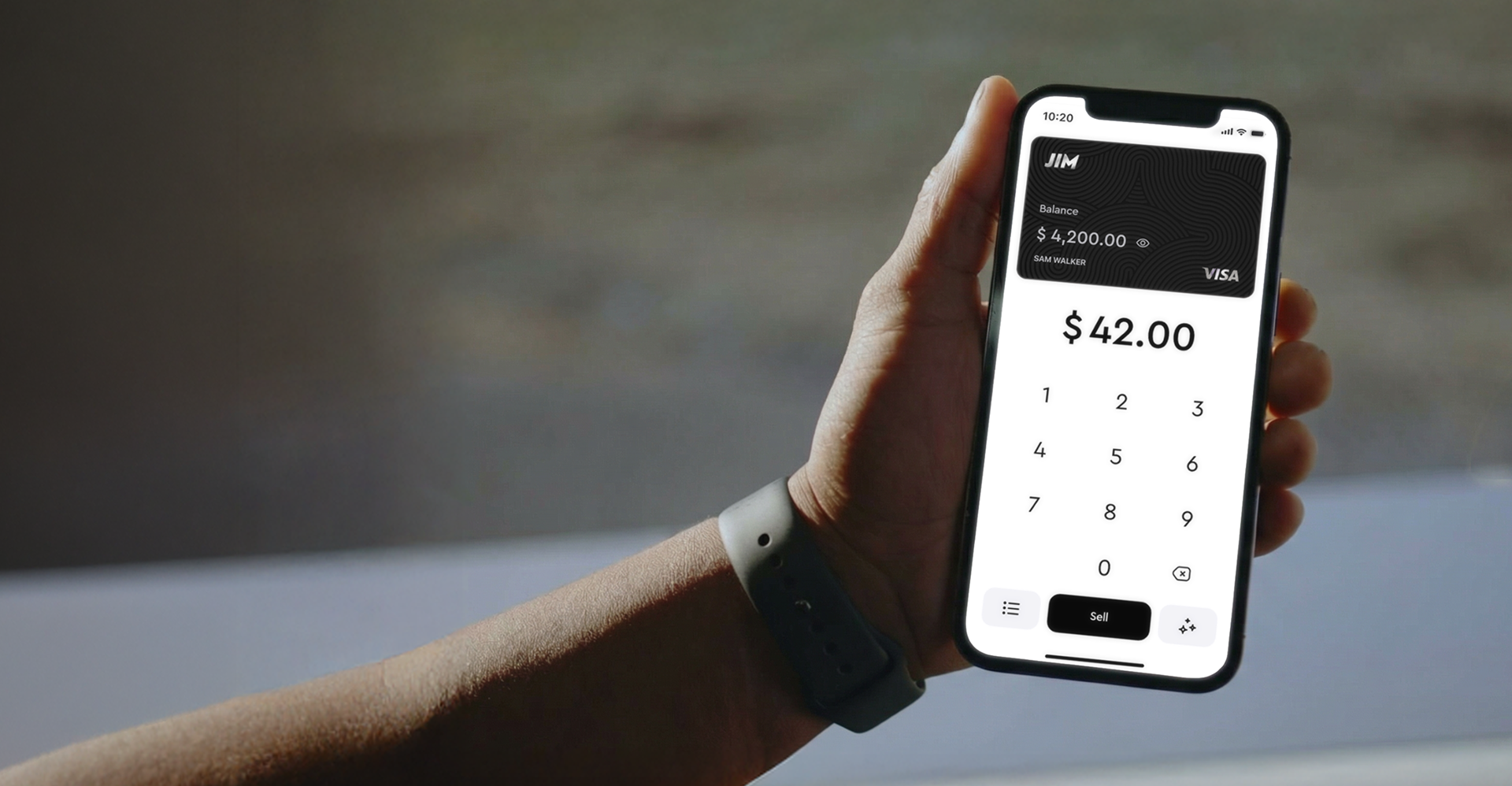
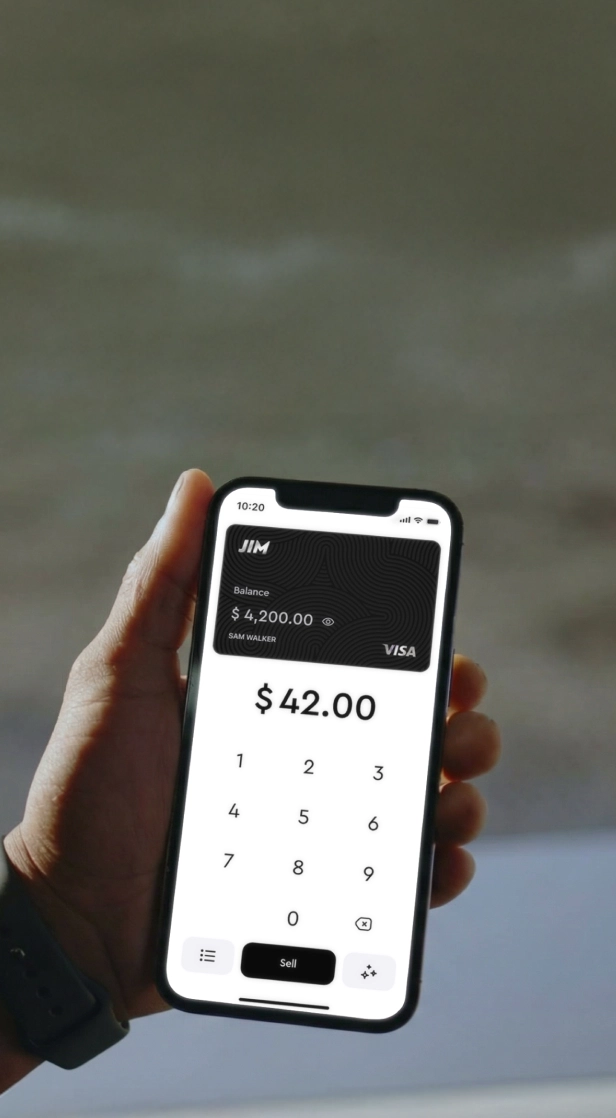
For cotton candy businesses that need to accept payments on-the-go, JIM offers a streamlined solution. With JIM, you can accept debit, credit, and digital wallets directly through your smartphone—just tap and done. This is a big step up from competitors, who often charge 2.5% to 3.5% plus hardware fees.
At just 1.99% per transaction with no hidden costs or extra hardware needed, it is particularly useful for processing payments quickly at a busy festival line. You avoid fumbling with a separate card reader and keep customers moving.
- Get Started: Download the JIM app for iOS.
- Make a Sale: Type the sales amount, hit sell, and ask your customer to tap their card or device on your phone.
- Access Funds: Your money is available right on your JIM card as soon as the sale is done—no waiting for bank transfers.
Here are 3 immediate steps to take:
- Draft a simple service agreement for private events that includes your deposit policy.
- Compare the transaction fees of two mobile payment options.
- Download the JIM app to explore its interface.
Step 6: Fund your business and manage your finances
Since startup costs are relatively low, many owners self-fund with personal savings. If you need external capital, an SBA Microloan is a strong option. These loans range from $500 to $50,000, with interest rates typically between 8% and 13%. Lenders will look for a good business plan.
You might also explore grants. For example, the Amber Grant provides funds for women-owned businesses. Unlike loans, grants do not need to be repaid, but the application process is competitive. It is worth the effort to apply for a few that fit your profile.
Managing your money
With funding in place, you need to manage it. Plan for $1,500 to $3,000 in working capital to cover your first six months. This budget should account for event fees, insurance payments, fuel, and restocking supplies like floss sugar and cones.
A frequent mistake is mixing personal and business finances. Open a dedicated business checking account right away. This simplifies bookkeeping, makes tax time easier, and gives you a clear picture of your business’s financial health. It is a simple step that prevents major headaches later.
Here are 3 immediate steps to take:
- Open a dedicated business checking account for your LLC.
- Calculate your estimated working capital needs for the first six months.
- Research the application requirements for an SBA Microloan through a local lender.
Step 7: Build your team and manage operations
Hire your first event assistant
You might be tempted to run every event yourself, but this can lead to burnout. Consider hiring a part-time "Event Assistant" for busy days. Their duties will include setup, spinning cotton candy, and handling sales. This frees you to network with event organizers.
Plan to pay around $15-$25 per hour, plus a share of tips. Your new hire will need a Food Handler’s Permit. While no other certifications are required, you must train them on your specific machine and sales process to ensure consistency and safety.
Set up your operational systems
Once you have staff, you need a way to manage schedules. Apps like Sling or When I Work offer free plans perfect for small teams. They help you post shifts and communicate with staff from your phone, which avoids confusing text message chains.
A good rule of thumb is to keep labor costs below 30% of your event revenue. If you expect to make $600 at a festival, your total staff pay for that day should not exceed $180. This simple metric helps you maintain profitability as you grow.
Here are 3 immediate steps to take:
- Draft a job description for an Event Assistant with clear responsibilities.
- Explore the free plans for scheduling apps like Sling or When I Work.
- Calculate your target labor cost for a 4-hour event based on a 30% ratio.
Step 8: Market your services and book your first events
Build your digital storefront
Focus your efforts on Instagram and Facebook. These platforms are visual and perfect for showing off colorful cotton candy. You do not need a website at first. A well-managed social media profile with great photos and contact information works just as well for attracting initial customers.
Many new owners post blurry phone pictures. Take bright, appealing photos of your product and setup. Also, mix in fun content like spinning videos or customer photos with sales posts. This helps you build a following and shows you are an active, engaging business.
Secure bookings through direct outreach
Create a simple one-page PDF that lists your packages and prices for private events. You can send this to local schools, wedding planners, and corporate event coordinators. This makes you look professional and gives clients all the information they need in one place.
With your menu ready, aim to contact 5-10 potential clients each week. A response rate of 10-20% is a good benchmark when you start. You might offer a small 10% discount for first-time bookings with local businesses to help secure your first few events.
Here are 3 immediate steps to take:
- Create an Instagram account and post five high-quality photos of your setup.
- Draft a one-page PDF menu with your private event packages and pricing.
- Make a list of 10 local schools or businesses to contact for potential bookings.
Step 9: Set your pricing and create packages
Pricing for public events
At fairs and markets, you will price per item. A standard price is $4 to $6 per cone. Your cost for the floss sugar and cone is low, often just $0.25 to $0.40 per serving. This creates a very healthy profit margin on each sale you make.
A frequent mistake is to only consider supply costs. Remember to factor in your booth fee, insurance, and travel expenses. If an event fee is $100, you need to sell about 25 cones just to break even before you start to earn a profit.
Packages for private parties
For private events, packages are the way to go. They offer clients clarity and give you predictable revenue. You could offer a 2-hour package with unlimited servings for up to 50 guests for $300. Another option is an hourly rate, like $175 for the first hour and $125 for each extra hour.
This approach makes you look more professional than quoting on a case-by-case basis. It also helps you manage expectations. Clearly state what is included, such as setup, cleanup, and the number of flavors available, to prevent any confusion on the event day.
Here are 3 immediate steps to take:
- Calculate your cost-per-serving by adding up sugar, cone, and a portion of your overhead.
- Research the websites of three local party vendors to see their event package pricing.
- Draft two sample packages for private parties with clear terms and pricing.
Step 10: Maintain quality and scale your operations
Keep your product consistent
Your reputation depends on every cone you serve. Aim for a consistent 10-12 inch diameter and uniform fluffiness. This ensures every customer gets the same great product, whether it is your first sale of the day or your last.
Many owners get so busy they forget to check quality during an event. A good practice is to spot-check one cone every 15 minutes during a rush. Also, ask for feedback. A simple question like "How is it?" can give you valuable insight.
Decide when to expand
Growth should be data-driven. When you start turning down more than three events per month because you are already booked, it is a strong signal to hire another assistant or consider a second cart setup. This prevents you from losing potential revenue.
Once you have two or more staff members, you might look at client management software like HoneyBook to handle contracts and invoices automatically. It helps you stay organized as your booking volume increases and you have less time for administrative work.
Here are 3 immediate steps to take:
- Create a simple quality checklist with 3 standards for your cotton candy.
- Track the number of event inquiries you decline for one month.
- Explore the features of a client management app like HoneyBook.
You now have a roadmap to launch your cotton candy business. Remember that success here is about the fun experience, not just the treat. Your energy at events matters as much as the sugar. You are ready to build something sweet and successful.
And when it comes to getting paid, keep it simple. JIM turns your smartphone into a card reader, letting you accept payments for a flat 1.99% fee with no extra hardware. It keeps the line moving and your business simple. Download JIM to get started.
.avif)