How to start a coworking space business from the ground up

Get a clear roadmap to launch your coworking space. Our guide offers practical steps for funding, licensing, and insurance to avoid costly mistakes.

2 min read time

Copied
How to start a coworking space business
Main topics

Starting a coworking space is a rewarding venture that combines community building and hospitality skills with business savvy. The industry is worth billions, with steady demand for flexible workspaces from freelancers, startups, and even large remote teams.

This guide will take you through the practical steps of validating your concept, securing funding, selecting the right location, and designing your space to help you launch a successful coworking space business in the U.S.

Step 1: Validate your concept and plan your budget

Market and competitor research

Start by surveying your target market. Use local business forums or LinkedIn to poll at least 50 freelancers and remote workers. Ask about their ideal workspace, must-have amenities, and what they would pay monthly. This data confirms demand before you invest.

Next, map out your competition. While Google Maps gives a quick overview, you should browse listings on platforms like Coworker.com for deeper insights into pricing and offerings. A frequent oversight is to ignore indirect competitors like hotel lobbies or cafes with reliable Wi-Fi.

Estimate your startup costs

Initial costs can range from $60,000 for a small, turnkey space to over $400,000 for a custom build-out. Your main expenses include the lease deposit, furniture ($25,000+), and tech infrastructure like high-speed internet and an access control system ($15,000+).

The largest variable is often the renovation, which can run from $50 to over $150 per square foot. A detailed budget is your best asset for funding discussions and helps you set realistic financial goals from day one.

Here are 4 immediate steps to take:

  • Survey at least 50 local professionals about their workspace needs.
  • Analyze three direct competitors on Coworker.com, noting their pricing and amenities.
  • Draft a preliminary budget with line items for rent, furniture, and potential renovations.
  • Identify three potential neighborhoods with a high density of your target members.

Step 2: Set up your legal structure and get licensed

Most new coworking spaces choose a Limited Liability Company (LLC). This structure protects your personal assets if the business faces debt or lawsuits. It also offers pass-through taxation, so profits are taxed on your personal return, which avoids the double taxation of a corporation.

Federal, state, and local requirements

First, get a free Employer Identification Number (EIN) from the IRS website. You need this for tax purposes and to hire employees. Next, register your business name and LLC with your state’s Secretary of State. This process typically costs between $50 and $200.

Locally, you will need a Certificate of Occupancy (CO) from your city’s planning or building department. A detail that often catches owners is the timeline. A CO inspection and approval can take 4-8 weeks and cost over $250, so apply as soon as you sign a lease.

You should also secure general liability insurance. This policy protects you from claims of property damage or injury. A typical policy for a small coworking space can cost between $50 and $100 per month. It is a non-negotiable part of your risk management plan.

Here are 4 immediate steps to take:

  • Apply for a free Employer Identification Number (EIN) on the IRS website.
  • File for an LLC with your state’s Secretary of State office.
  • Contact your city’s planning department to start the Certificate of Occupancy application.
  • Get quotes for general liability insurance from at least two providers.

Step 3: Secure the right insurance and manage risk

Core insurance policies

Beyond general liability, you need property insurance to cover your furniture, equipment, and build-out. A policy for $50,000 in assets can cost between $750 and $1,500 annually. This protects your physical investment from fire, theft, or damage.

If you hire employees, workers’ compensation is legally required in most states. You should also consider cyber liability insurance. It protects you if a data breach occurs on your network, a significant risk in a shared workspace environment.

Find a provider and avoid common issues

You might want to get quotes from providers that understand small businesses, such as Hiscox, The Hartford, or Next Insurance. They can often bundle policies, which can help manage costs. An agent specializing in commercial properties is a valuable ally.

A frequent oversight is to assume the landlord's policy covers your business assets. It does not. Your policy must cover everything inside your suite, from member laptops to your coffee machine. Clarify these boundaries with your agent before you sign.

Here are 4 immediate steps to take:

  • Get quotes for a business owner's policy (BOP) that bundles liability and property insurance.
  • Ask about a cyber liability add-on to protect against data breach claims.
  • If you plan to hire, research your state's workers' compensation requirements.
  • Review your lease to understand the landlord’s insurance coverage versus your own.

Step 4: Find a location and equip your space

Find the right property

Aim for 50 to 100 square feet per member. A 4,000-square-foot space can comfortably host around 50 members. Look for properties in commercial zones, often labeled C-1 or C-2, but always confirm with your city’s planning department before you commit to a lease.

Once you find a potential property, the lease negotiation begins. You might want to negotiate for a Tenant Improvement (TI) allowance from the landlord. This can provide $20-$60 per square foot to help fund your build-out. Also, push for a shorter initial term, like three years, with renewal options.

Many new owners overlook who pays for HVAC maintenance. Make sure the lease clearly assigns this responsibility to the landlord, as repairs can cost thousands and disrupt your business operations.

Furnishing and tech setup

Your furniture and tech are major investments. Ergonomic chairs can run $200-$400 each, while commercial-grade desks cost $150-$300. You can find budget-friendly options at IKEA or explore ergonomic suppliers like Fully. For tech, a reliable access control system is a priority, with initial setup costs from $5,000 to $10,000.

Do not underestimate your internet needs. A standard business plan will not work. You should budget for a dedicated fiber line, which can cost over $500 per month but provides the speed and reliability your members expect.

Here are 4 immediate steps to take:

  • Calculate your required square footage based on a target of 50-100 sq ft per member.
  • Ask for a Tenant Improvement (TI) allowance during lease negotiations.
  • Get quotes for a dedicated fiber internet line for business use.
  • Price out ergonomic chairs and desks from at least two different suppliers.

Step 5: Set up your payment processing

Handle your revenue streams

Your payment system must manage recurring monthly memberships, your primary income source. It also needs to process one-off payments for day passes, meeting room rentals, or cafe sales. Look for a solution that automates billing to save administrative time.

Many new owners are surprised by high transaction fees. Some providers charge 2.5% to 3.5% plus monthly costs. You should find a system with clear, low rates to protect your profit margins from day one.

Accept on-site payments

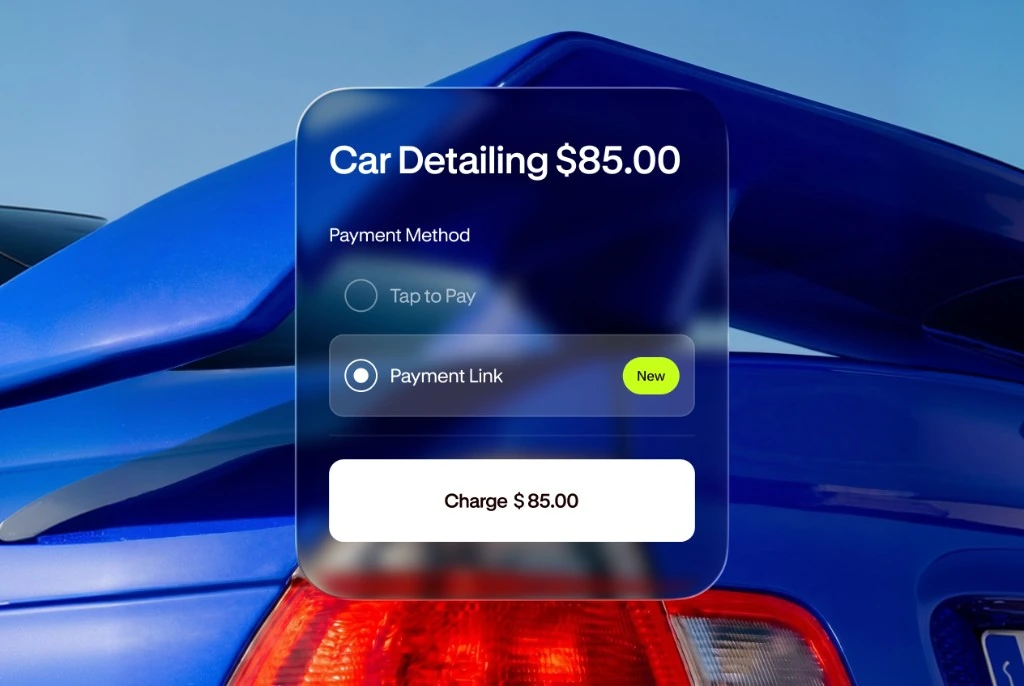
For payments on-site or on-the-go, JIM offers a streamlined solution. With JIM, you can accept debit, credit, and digital wallets directly through your smartphone—just tap and done. At just 1.99% per transaction with no hidden costs or extra hardware needed, it is particularly useful for selling a day pass on the spot.

  • Get Started: Download the JIM app for iOS.
  • Make a Sale: Type the sales amount, hit sell, and ask your customer to tap their card or device on your phone.
  • Access Funds: Your money is available right on your JIM card as soon as the sale is done—no waiting for bank transfers.

Here are 3 immediate steps to take:

  • Compare payment systems that specialize in automated recurring billing for memberships.
  • Calculate the cost difference between a 1.99% flat fee and a typical 2.9% + $0.30 fee for your projected day pass sales.
  • Map out your payment needs, separating recurring income from one-off sales.

Step 6: Secure funding and manage your finances

Find your funding

The SBA 7(a) loan program is a popular choice for new coworking spaces. You can often secure between $50,000 and $350,000. Lenders will want to see a strong business plan and good personal credit, with interest rates typically between 8% and 11%.

You can also approach local banks or credit unions for a conventional small business loan. Be prepared for them to ask for a 20-25% down payment. They may also require personal assets as collateral for the loan.

Plan your working capital

Many owners focus only on startup costs. You must also have enough cash on hand to operate for at least six months while you build your member base. This is your working capital, and it covers rent, utilities, and salaries before you turn a profit.

For a 4,000-square-foot space, this could mean having $60,000 to $90,000 set aside. This buffer ensures you can pay your bills without stress as you grow. You should also open a dedicated business bank account immediately to keep your finances clean.

Here are 4 immediate steps to take:

  • Draft a six-month operating budget to determine your working capital needs.
  • Review the requirements for an SBA 7(a) loan on the official SBA website.
  • Contact two local banks or credit unions to discuss their small business loan options.
  • Open a dedicated business bank account to keep your finances separate.

Step 7: Hire your team and set up operations

Staffing your space

Your first hire should be a Community Manager. This person is the face of your space, handling tours, member relations, and events. A typical salary ranges from $45,000 to $65,000, depending on your market. Experience in hospitality is more valuable than any specific certification.

As you grow, aim for a staff-to-member ratio of about 1-to-75. This ensures members get personal attention without overstaffing. For a space with 150 members, this might mean a Community Manager and one front-desk associate to handle mail and daily inquiries.

Set up your operating system

You will need coworking management software to run your business. Platforms like Nexudus, OfficeRnD, or Cobot automate billing, meeting room bookings, and member management. They become the central hub for your daily operations and member interactions.

Many new owners pick software based on the lowest price. This can be a mistake if it lacks integrations with your access control system or payment processor. You should schedule demos to see how each platform fits your specific workflow before you commit.

Here are 4 immediate steps to take:

  • Draft a job description for a Community Manager with a focus on hospitality skills.
  • Calculate your initial staffing budget based on a 1:75 staff-to-member ratio.
  • Schedule demos with two management platforms like OfficeRnD and Nexudus.
  • Outline a simple member onboarding process, from the initial tour to their first day.

Step 8: Market your space and acquire members

Start your marketing 60-90 days before you open. Offer a "founder member" discount of 20-30% off the first three months. This builds early momentum and secures your first wave of members, which helps create a vibrant atmosphere from day one.

Digital and local outreach

Your Google My Business profile is your most powerful free marketing asset. Complete it with high-quality photos and encourage early members to leave reviews. This is how most potential members will find you through local search.

For social media, focus on LinkedIn and Instagram. Post photos of the space, highlight member successes, and share updates. This is not about getting thousands of followers but about showing your community's personality and value to potential members.

Do not overlook local partnerships. Connect with real estate agents, local business groups, and even apartment complexes. Offer a referral fee, like one month's membership value, for each new member they send your way. Many owners focus too much on digital ads and miss these connections.

Track your Customer Acquisition Cost (CAC), which should ideally be under $250 per member. A good website will convert 2-5% of visitors into tour bookings. These numbers tell you if your marketing spend is effective or needs adjustment.

Here are 4 immediate steps to take:

  • Create and fully populate your Google My Business profile with photos.
  • Plan a "founder member" discount to launch 6-8 weeks before opening.
  • Identify three local businesses or real estate agents for potential partnerships.
  • Set a budget for your marketing and a target for your Customer Acquisition Cost (CAC).

Step 9: Set your pricing strategy

Choose your pricing models

Your revenue will come from a mix of membership tiers. Common options include hot desks ($150-$300/month), dedicated desks ($300-$600/month), and private offices ($700+ per person). Also, plan for one-off sales like day passes ($25-$50) and meeting room rentals ($50-$100/hour).

A tiered structure works well. You might offer a basic plan for flexible hot desk access, a mid-level plan for a permanent desk, and a premium plan for a private office. This approach lets you serve freelancers, small teams, and established businesses under one roof.

Research your market and set rates

With your models defined, it is time to set your rates. Analyze direct competitors on Coworker.com, but also visit their spaces to feel the environment. Your price should reflect your location and amenities. A premium feel can justify a 15-20% price increase over the local average.

A frequent misstep is to price too low just to fill seats quickly. This can devalue your brand and make future price increases difficult. Instead of a race to the bottom, compete on the value and community you provide. Members will pay for a better experience.

Here are 4 immediate steps to take:

  • Define three membership tiers: hot desk, dedicated desk, and private office.
  • Research the pricing of three local competitors for each tier.
  • Set rates for day passes and hourly meeting room rentals.
  • Calculate your target revenue per member to ensure profitability.

Step 10: Control quality and scale your business

Measure your service quality

To maintain quality, track your member retention rate monthly. An annual rate above 80% shows you have a strong community. You can also use a Net Promoter Score (NPS) survey. A score over 50 is a good indicator that your members are happy to recommend your space.

Some owners get fixated on occupancy numbers and forget about the member experience. A high churn rate, even with full desks, signals a problem. Use feedback from your NPS surveys to make immediate improvements, from better coffee to more networking events.

Know when to grow

Once you consistently hit 85-90% occupancy for a few months, it is time to think about expansion. This could mean leasing an adjacent suite or opening a second location. Your coworking management software, like OfficeRnD or Nexudus, can typically manage multiple sites from one account.

Your staff-to-member ratio is another key metric. When you exceed 75 members per staff member, service quality can dip. This is your signal to hire another team member. For a mark of distinction, you could pursue a B Corp certification once your operations are stable.

Here are 4 immediate steps to take:

  • Set up a quarterly Net Promoter Score (NPS) survey for your members.
  • Track your member retention rate monthly, aiming for over 80% annually.
  • Define your expansion trigger, like maintaining 85% occupancy for three months.
  • Review your management software’s features for multi-location support.

You are not just opening an office, you are building a community. Remember that the member experience is your most valuable asset. Get that right, and the business will follow. You have the plan, now it is time to bring it to life.

And for those first day passes and coffee sales, keep payments simple. JIM turns your smartphone into a card reader for a flat 1.99% fee, no extra hardware needed. This frees you up to focus on your members. Download JIM to be ready for day one.

Sell and get paid instantly1 with JIM

Start selling
Hand holding a smartphone with the JIM app interface, showing a $2,100.00 Visa card balance and a keypad to enter a $42.00 transaction. The background features a futuristic rocky landscape and digital wrist overlay.