Starting a fishing charter business is a rewarding venture that combines a passion for angling and the open water with sharp business sense. The sportfishing industry is a multi-billion dollar market, fueled by steady demand from tourists, families, and corporate groups looking for a unique experience.
This guide will take you through the practical steps of validating your business concept, securing funding, obtaining the necessary licenses, and acquiring the right equipment to help you launch a successful fishing charter business in the U.S.
Step 1: Plan and validate your business
Start by gauging local demand. Spend a few weekends at your target marinas and boat ramps. Talk to other captains, anglers, and staff at tackle shops. You can also check online forums like The Hull Truth to understand what customers in your area are looking for.
Next, analyze your direct competitors. Review their websites and social media presence on platforms like FishingBooker. Note their pricing, the types of trips they offer, their booking availability, and what customers say in reviews. This gives you a clear picture of the market rates and service gaps.
Calculate your startup costs
The boat is your largest initial investment. A common misstep is buying a vessel unsuited for local waters or target species. You might want to find a reliable used 24-28 foot center console or walkaround, which is a popular choice for new charter operations.
Here is a realistic breakdown of what you might spend to get started:
- Boat (used, 24-28 foot): $40,000 - $80,000
- Fishing Gear (rods, reels, tackle): $5,000 - $15,000
- Licenses & Permits: $2,000 - $5,000
- Safety Equipment: $2,000 - $5,000
- Insurance (first year premium): $3,000 - $7,000
Your total initial investment will likely be between $52,000 and $112,000. Having a detailed budget for this range helps you secure the right funding and avoid surprises down the line.
Here are 3 immediate steps to take:
- Identify and analyze the top three competing charters in your area.
- Create a detailed spreadsheet of your estimated startup costs.
- Talk to at least two local tackle shop owners about peak seasons and customer demand.
Step 2: Set up your legal structure and get licensed
You should consider forming a Limited Liability Company (LLC). This structure separates your personal assets from business debts and legal issues. It also offers pass-through taxation, meaning profits are taxed on your personal return, which simplifies paperwork.
Federal and state requirements
Your most important credential is a U.S. Coast Guard Captain’s License. Most new operators start with the Operator of Uninspected Passenger Vessels (OUPV) license, or “6-pack,” which lets you carry up to six passengers. This requires at least 360 days of documented sea time.
In addition, you will need federal fishing permits from NOAA Fisheries for certain species like reef fish or tuna. Many of these are limited-entry permits. You may have to purchase one from an existing permit holder, so investigate availability and costs early.
Your state’s Department of Fish and Wildlife will also require a charter or guide license. Finally, you must obtain a general business license from your city or county to operate legally in the area.
Here are 4 immediate steps to take:
- File for an LLC with your state's Secretary of State office.
- Check the USCG National Maritime Center website for OUPV application forms.
- Contact your state's fish and wildlife agency for guide license costs.
- Research the market for federal fishing permits in your region.
Step 3: Secure your insurance and manage risk
Start by getting quotes for a comprehensive marine insurance policy. This is not the place to cut corners, as one incident can affect your entire business. Your policy should bundle several types of coverage to protect you, your clients, and your assets.
Understand your coverage needs
Look for a package that includes Commercial Hull Insurance for physical damage to your boat and Protection & Indemnity (P&I) for liability. A frequent misstep is to skip P&I, but a $1 million policy is standard for passenger injuries or property damage.
You should also add coverage for your fishing tackle and electronics. Expect to pay between $3,000 and $7,000 annually for a policy with $1 million in liability coverage. This cost depends on your boat's value, your experience, and your location.
When you shop for a policy, you might want to contact agents who specialize in marine risks. General insurers often miss the nuances of this industry. Consider getting quotes from providers like Charter Lakes, Gowrie Group, or Pantaenius.
Here are 3 immediate steps to take:
- Request quotes from at least two marine insurance specialists.
- Confirm that your quotes include both Hull and P&I coverage.
- Prepare a list of your high-value fishing equipment for your agent.
Step 4: Choose your location and buy equipment
Find the right home port
Your business location is your boat slip. Prioritize marinas with amenities that benefit your clients, like ample parking and clean restrooms. For operations, you need easy access to a fuel dock, ice machines, and a fish cleaning station. A slip’s location inside the marina also matters.
Many new operators choose a marina that is far from the best fishing grounds. This burns extra fuel and cuts into fishing time. Before you sign a lease, map the distance from the marina to the inlet and your primary fishing spots. A few extra miles can add up over a season.
When you find a good fit, try to negotiate a 12-month slip lease, which often comes with a better rate than month-to-month. Ask about the marina’s insurance requirements, as they may have specific liability minimums your policy must meet. This avoids any last-minute surprises.
Outfit your vessel for success
With your boat secured, the next step is equipment. Your electronics are your eyes on the water. Plan to spend between $2,000 and $5,000 for a quality 10- to 12-inch GPS and fishfinder combo from a brand like Garmin or Simrad. This is your primary navigation and fish-finding device.
For tackle, you will need at least 10 to 12 rod-and-reel setups matched to your target species. Brands like Penn and Shimano offer reliable conventional and spinning reels that stand up to saltwater use. A frequent misstep is to buy cheap gear that corrodes or fails on a big fish.
Beyond tackle, you will need high-capacity coolers, a commercial-grade vacuum sealer for fish fillets, and all required USCG safety gear. This includes an EPIRB (Emergency Position Indicating Radio Beacon), which can cost between $400 and $800 but is invaluable in an emergency.
Here are 4 immediate steps to take:
- Tour your top two marina choices and check their amenities.
- Ask prospective marinas about their slip lease terms and insurance requirements.
- Get price quotes for a 12-inch GPS/fishfinder combo unit.
- Create a detailed inventory of rods, reels, and tackle needed for your target species.
Step 5: Set up your payment and booking systems
Handle your payments
Most charters require a 20-50% deposit to secure a date, with the balance due on trip day. While cash is an option, many clients expect to pay with a card. Relying only on cash is a frequent misstep that can cost you bookings.
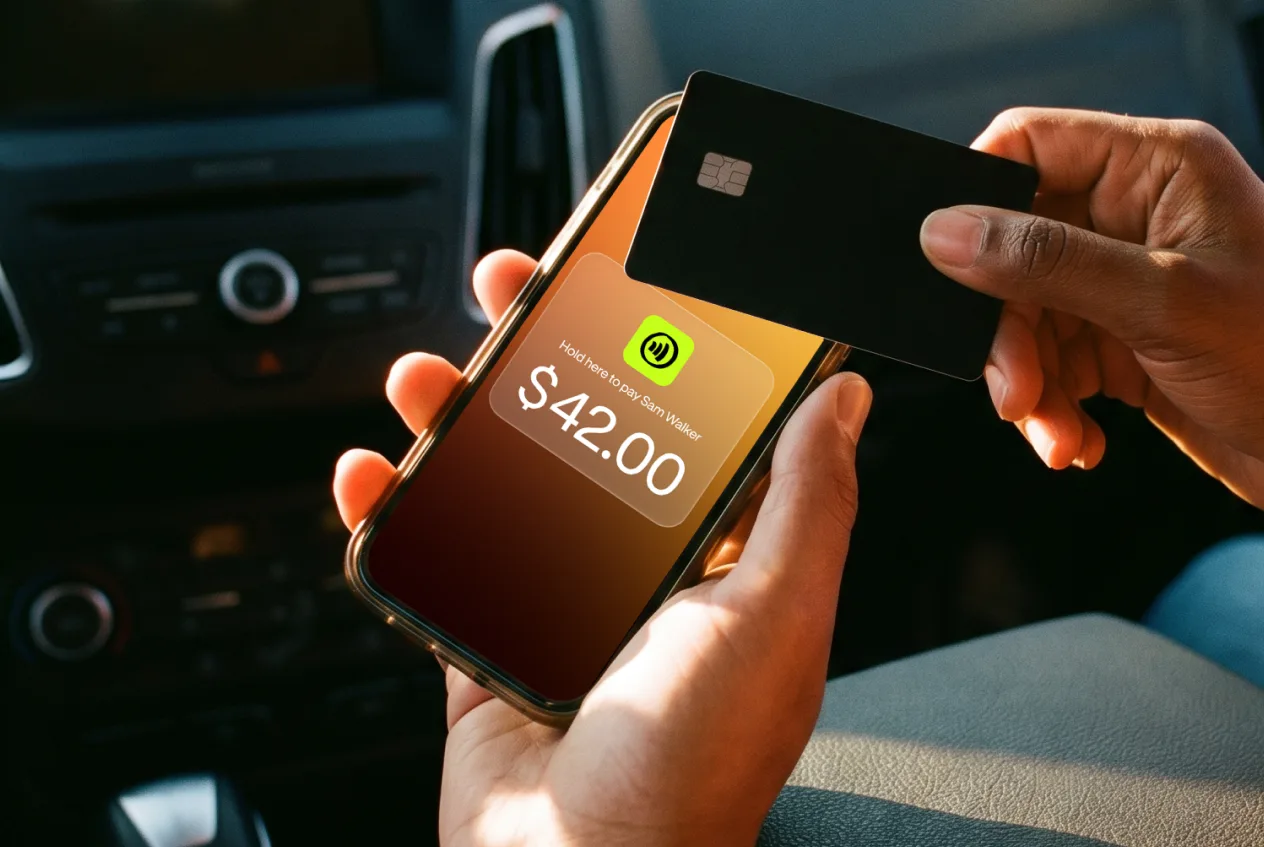
For accepting payments on-site or on-the-go, JIM offers a streamlined solution. With JIM, you can accept debit, credit, and digital wallets directly through your smartphone. Just tap and you are done. This is especially useful for collecting the final balance at the dock.
At just 1.99% per transaction with no hidden costs or extra hardware, it is a cost-effective option. Many other payment providers charge commissions between 2.5% and 3.5%. The immediate access to funds is also a major plus.
- Get Started: Download the JIM app for iOS.
- Make a Sale: Type the sales amount, hit sell, and ask your customer to tap their card or device on your phone.
- Access Funds: Your money is available right on your JIM card as soon as the sale is done. There is no wait for bank transfers.
Choose a booking system
Managing bookings manually with a notebook is a mistake many new captains make. This approach quickly leads to double-bookings and lost revenue. An online booking system lets customers see your availability and book trips 24/7, directly from your website.
You might want to look into platforms like FareHarbor or Peek Pro. They are designed for tour operators and handle calendars, payments, and automated confirmation emails. This frees you up to focus on running the boat instead of answering calls all day.
Here are 3 immediate steps to take:
- Set your deposit amount and final payment policy.
- Download the JIM app to see how it works for on-the-go payments.
- Request demos from two online booking software providers.
Step 6: Fund your business and manage finances
Secure the right loan
With your startup cost spreadsheet ready, you can approach lenders. The Small Business Administration (SBA) 7(a) loan is a popular route. It can provide up to $150,000, with interest rates typically between 8% and 11%. You will likely need a credit score above 680 to qualify.
You can also work with marine financing specialists. They understand boat values and the charter industry. Some new operators make the mistake of only using a personal loan, which often has higher rates and offers no business liability protection. A commercial loan is the proper path.
Calculate your working capital
Your loan should cover more than just the boat. You need working capital to operate for the first six months before bookings are steady. Budget for at least $15,000 to $25,000. This covers fuel, bait, insurance premiums, slip fees, and initial marketing expenses.
Here are 3 immediate steps to take:
- Contact a local SBA lender to discuss the 7(a) loan program.
- Request a quote from a marine financing specialist for your target vessel.
- Create a six-month operating budget to determine your working capital needs.
Step 7: Hire your crew and manage daily operations
Find a reliable deckhand
Your first hire will likely be a deckhand, or mate. This person handles bait, assists clients, and cleans the boat. Many new operators make the mistake of hiring an inexperienced friend. You might want to find someone with prior charter experience who understands the job’s demands.
A deckhand typically earns a daily rate of $50 to $100, but their main income comes from tips, which are usually 15-20% of the charter price. This structure directly ties their performance to customer satisfaction. While no certifications are required, CPR and First Aid training are a major plus.
Establish your daily workflow
A smooth operation depends on a consistent routine. Your day starts before clients arrive with fueling the boat, loading ice, and prepping bait. After the trip, the work continues with fish cleaning, washing the boat, and preparing tackle for the next day.
Your booking software, such as FareHarbor or Peek Pro, often includes features to help manage crew schedules. This keeps everyone aligned on trip times and responsibilities, which prevents confusion and ensures you are always prepared for your guests.
Here are 4 immediate steps to take:
- Write a job description for a deckhand outlining key responsibilities.
- Establish a clear policy for how tips will be handled and distributed.
- Create a checklist for pre-trip and post-trip duties.
- Explore the crew scheduling features within your chosen booking software.
Step 8: Market your business and get customers
Build your online presence
A professional website is your digital storefront. It should feature great photos, clear trip details, pricing, and a direct link to your booking system. This is where potential customers decide if they want to fish with you.
Many new captains underestimate the power of good photos. Blurry phone pictures can make a top-tier operation look amateur. Use a good camera and post vibrant shots of happy clients and impressive catches to build trust.
You can also use social media platforms like Instagram and Facebook to attract customers. Post daily catch reports and behind-the-scenes content. A successful post might show a family with a big fish, which often gets more engagement than just a photo of the fish alone.
Use booking sites and local partners
Listing your charter on a platform like FishingBooker gives you immediate visibility. While they take a commission, often around 15%, they handle marketing and payments, which lets you focus on fishing. This is a fast way to fill your calendar.
Do not overlook local connections. You can build relationships with hotel concierges and staff at tackle shops. Offer them a 10% referral fee for every trip they send your way. This creates a network of people who will promote your business for you.
Here are 4 immediate steps to take:
- Create a business profile on Instagram and Facebook.
- List your charter on FishingBooker to see initial demand.
- Introduce yourself to the concierge at two nearby hotels.
- Take high-quality photos on your next five trips to use for marketing.
Step 9: Set your pricing strategy
Analyze competitor pricing
Start by looking at what your top three competitors charge. Check their websites and FishingBooker listings for their rates on half-day (4 hours), three-quarter day (6 hours), and full-day (8 hours) trips. This research gives you a solid baseline for your market.
Some new captains just copy prices, but that can be a mistake. Instead, see what is included in their fee. Many charters add extra charges for fuel or fish cleaning. You might want to offer an all-inclusive rate as a competitive advantage.
Calculate your break-even and profit
With competitor rates in mind, calculate your own costs. A typical 4-hour inshore trip might cost you $150 to $250 in fuel, bait, and ice. Your price needs to cover this, plus contribute to your fixed expenses like insurance and slip fees.
Aim for a profit margin of 25-40% per trip. For example, if your direct trip cost is $200, a price of $550 gives you a healthy margin. This also allows you to pay your deckhand and yourself while building capital for future expenses.
Structure your trip offerings
You can offer tiered pricing based on trip type and duration. An 8-hour offshore trip for tuna will burn more fuel and require heavier tackle than a 4-hour inshore trip for flounder. You could price the offshore trip at $1,200 and the inshore trip at $550.
Here are 3 immediate steps to take:
- Create a spreadsheet comparing the prices and inclusions of your top three competitors.
- Calculate the direct cost (fuel, bait, ice) for a standard half-day trip.
- Draft initial prices for at least two different trip types you plan to offer.
Step 10: Maintain quality and scale your business
Measure your service quality
Your reputation is everything. You can track your performance by monitoring your repeat customer rate. Aim for a 20% repeat booking rate by your second year. Also, keep a close eye on your reviews on Google and FishingBooker, and target an average rating of 4.8 stars or higher.
Another great metric is your average tip percentage. Tips should consistently be in the 15-20% range. If they frequently dip below that, it might be a sign that your customer experience needs adjustment, either on your part or your deckhand’s.
Know when to grow
Many new operators make the mistake of expanding too soon. Before you consider a second boat, you should be consistently booked at least 80% of your available days during peak season. This confirms you have enough demand to support the growth.
A second boat doubles your fixed costs for insurance, slip fees, and maintenance, so the revenue must be there. When you do hire another captain, you might want to find someone with a 100-ton Master license. This gives you the flexibility to add larger vessels later.
Here are 3 immediate steps to take:
- Track your repeat booking rate and average review score monthly.
- Set a booking percentage threshold (e.g., 80%) that will trigger your expansion plan.
- Research the requirements for a 100-ton Master Captain’s License for future hiring.
Starting a fishing charter is about more than just fish. Your success will depend on the experience you create for your guests. Your passion for the water is your greatest asset, so put your plan into action and get ready for your first trip.
And when you get paid at the dock, a simple solution like JIM turns your phone into a card reader. It has no extra hardware and a flat 1.99% fee. This makes payments easy from day one. Download JIM to get set up.