Starting a food tour business is an exciting venture that combines a passion for local cuisine and storytelling with sharp business acumen. The entry barrier is relatively low since you don't need a brick-and-mortar location, but that accessibility also means you'll face competition.
This guide will take you through the practical steps of validating your tour concept, building relationships with local eateries, securing the right permits, and designing your first route to help you launch a successful food tour business in the U.S.
Step 1: Plan your business and validate your tour concept
Begin by researching your local market. Use platforms like TripAdvisor, Yelp, and Airbnb Experiences to see what tours already exist. Note their prices, themes, and what customers highlight in reviews. This helps you find a unique angle for your own tour.
A frequent misstep is to only research online. You should also speak with hotel concierges or staff at your local tourism office. They have a ground-level view of what visitors ask for and can help you spot gaps in the market that online searches might miss.
Typical startup costs
With your research in hand, you can map out your initial costs. Your startup investment will likely fall between $800 and $2,000. This gives you a realistic target for the first six months. Remember to budget for a few unpaid test runs with friends or family.
- Business Formation (LLC): $100 - $500, one-time fee.
- Liability Insurance: $400 - $700, paid annually.
- Website & Booking Software: $50 - $150 per month.
- Initial Marketing Materials: $100 - $300 for flyers and business cards.
Here are 3 immediate steps to take:
- Analyze three competing tours on TripAdvisor, noting their price, duration, and reviews.
- Create a draft budget that includes business registration, insurance, and website costs.
- Brainstorm five potential restaurant partners that fit your unique tour theme.
Step 2: Establish your legal structure and get licensed
Choose your business structure
You should register your business as a Limited Liability Company (LLC). This structure protects your personal assets, like your home, if your business faces a lawsuit. Profits from an LLC pass through to your personal tax return, which avoids the double taxation that corporations face.
Secure the right permits
First, get a free Employer Identification Number (EIN) from the IRS website. You will need this to open a business bank account. Next, contact your city or county clerk to apply for a general business license, which typically costs $50 to $100 annually.
A frequent oversight is ignoring food-related permits. Even though you are not preparing food, some local health departments require tour guides to have a Food Handler's Card. This usually involves a short online course and a fee of about $10 to $15.
Some new owners try to operate without official paperwork to save money at the start. This approach is risky and can result in fines or a forced shutdown. It is better to handle all legal requirements before you launch your first tour.
Here are 3 immediate steps to take:
- File for an LLC with your state's Secretary of State office.
- Apply for a free EIN directly on the IRS website.
- Check your local health department's website for Food Handler's Card requirements.
Step 3: Secure insurance and manage risk
Insurance protects your personal assets and adds credibility. While it is an upfront cost, proper coverage is a non-negotiable part of running a professional tour business. It gives you and your restaurant partners peace of mind.
Types of insurance you need
You will want to focus on general liability insurance. This policy is your top priority because it covers injuries or property damage that might happen during a tour, such as a guest tripping on a sidewalk.
Some new owners think their personal insurance is enough, but a dedicated business policy is required. Aim for a general liability policy with $1 million to $2 million in coverage. This typically costs between $400 and $900 per year.
When you look for quotes, contact providers who specialize in tour and activity businesses. Companies like Business Insurers of the Carolinas (BBI), Veracity, or Thimble understand the specific risks involved and can offer better-suited policies.
Managing on-tour risks
Beyond insurance, you need a liability waiver. This document informs guests of potential risks, like food allergies or uneven pavement, and confirms their acceptance. Have every guest sign it digitally during the booking process before the tour begins.
Here are 3 immediate steps to take:
- Request quotes from two specialized insurance providers like BBI or Veracity.
- Draft a liability waiver that mentions food allergies and physical risks.
- Plan how to have guests sign your waiver during online booking.
Step 4: Set up your operations and brand identity
Your business does not need a physical office, which keeps startup costs low. Your "location" is your online presence and your tour meeting point. Focus your energy on a professional website and a clear, easy-to-find spot to start your tours.
Your tour guide toolkit
You can assemble your day-of-tour kit for under $200. A portable payment reader like a Square Reader (around $49) lets you take last-minute bookings. For groups larger than ten, a small portable speaker ($30-$60) ensures everyone can hear you.
A branded item helps guests spot you in a crowd. You might want to consider a small flag or even a custom t-shirt. Also, always carry a basic first-aid kit. You can buy a pre-made one for about $20.
Some guides spend too much on gear they do not need at first. You do not need a complex audio headset system or expensive uniforms. Start with the basics and reinvest profits into better equipment as your business grows.
Create your marketing materials
With your branding in place, order initial marketing materials. Use a platform like Vistaprint or Moo to print business cards and flyers. You can get 250 professional flyers for around $70 to hand out at hotels and visitor centers.
Here are 3 immediate steps to take:
- Order a portable payment reader from Square or SumUp.
- Design a business card on Canva and get a price quote from Vistaprint.
- Assemble a small first-aid kit for your tour bag.
Step 5: Set up your payment processing
Most food tours require guests to pay in full when they book online. This practice secures your revenue and simplifies tour day logistics. You will want a payment solution that integrates smoothly with your website's booking system.
Look for low transaction fees. Many processors charge between 2.5% and 3.5% plus monthly fees. Also, consider if you need to accept payments in person for walk-up guests or merchandise sales.
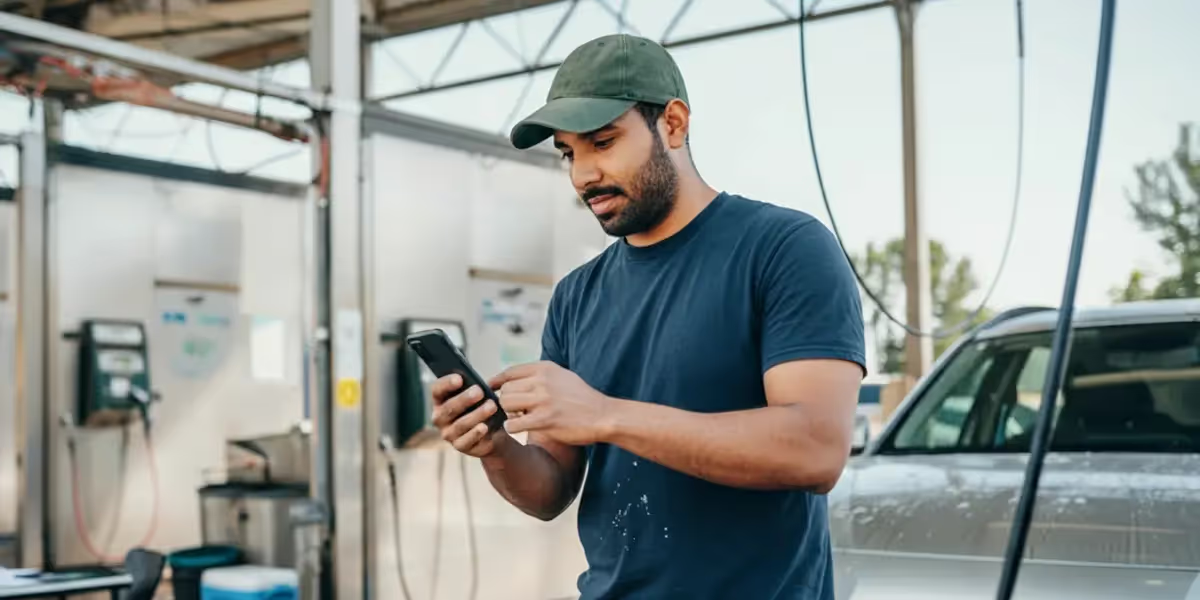
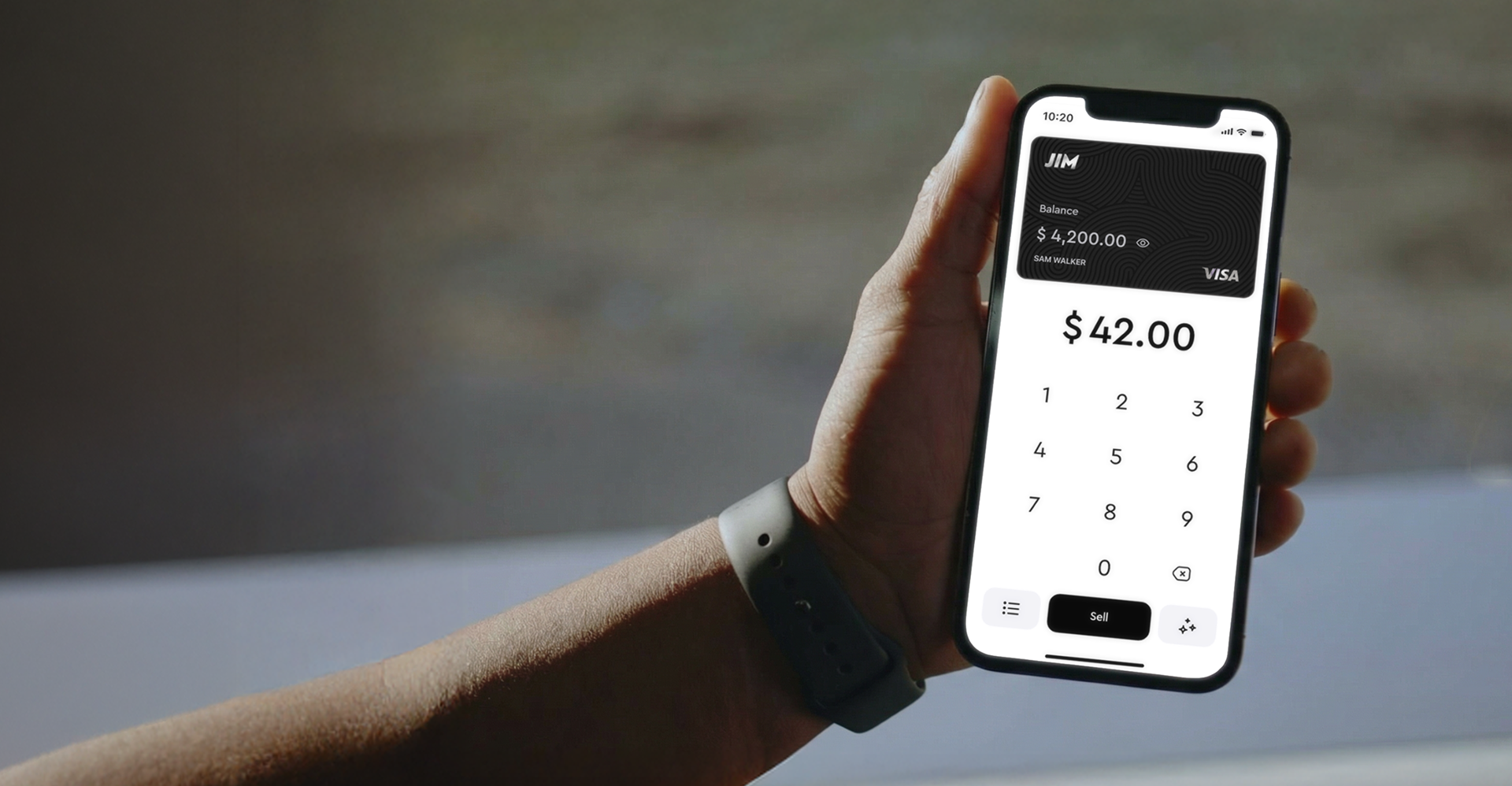
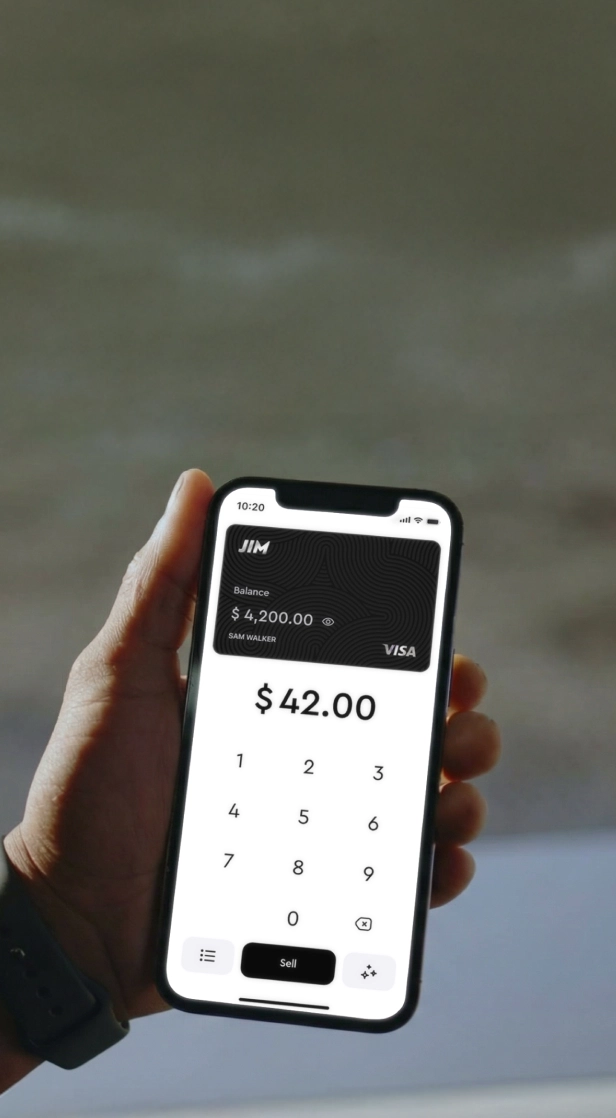
For food tour businesses that need to accept payments on-the-go, JIM offers a streamlined solution. With JIM, you can accept debit, credit, and digital wallets directly through your smartphone. Just tap and you are done.
At just 1.99% per transaction with no hidden costs or extra hardware needed, it is particularly useful for handling last-minute bookings. Here is how it works:
- Get Started: Download JIM app for iOS
- Make a Sale: Type the sales amount, hit sell, and ask your customer to tap their card or device on your phone
- Access Funds: Your money is available right on your JIM card as soon as the sale is done - no waiting for bank transfers
Here are 3 immediate steps to take:
- Compare the transaction fees of two payment processors with JIM's 1.99% rate.
- Download the JIM app to see how it works on your phone.
- List booking software options that work with your preferred payment solution.
Step 6: Fund your business and manage finances
Most food tour businesses are self-funded or start with small loans. An SBA Microloan is a strong option, offering up to $50,000 with interest rates typically between 8% and 13%. You can also explore a personal loan from your bank or credit union.
Some new owners spend too much time chasing large, national grants. A more practical approach is to look for local grants from your city's tourism board or chamber of commerce. These funds are often smaller but more accessible for new businesses that boost local economies.
Calculate your working capital
Plan to have $3,000 to $5,000 in working capital to cover your first six months. This budget accounts for recurring costs like booking software and insurance. It also covers the food you purchase for tours before guest payments are processed.
With funding secured, open a dedicated business bank account. This step is necessary to maintain your LLC's liability protection. It also simplifies expense tracking and makes tax season much easier to handle.
Here are 3 immediate steps to take:
- Calculate your working capital needs for the first six months of operation.
- Research SBA Microloan requirements on the official SBA website.
- Open a separate business checking account at a local bank or credit union.
Step 7: Staff your team and streamline operations
Hiring your first tour guide
When you are ready to expand, you will hire a Tour Guide. This person is the face of your business, so look for strong storytelling skills, not just culinary knowledge. A guide's salary typically ranges from $20 to $30 per hour, plus tips.
Your guides will also need a Food Handler's Card. Many new owners hire friends or family without vetting their public speaking ability. You might want to conduct a short, mock-tour audition as part of your interview process to avoid this.
Managing your schedule and team
As you add guides, you will need a system to manage schedules. Booking platforms like FareHarbor and Peek Pro often include basic staff scheduling features. This lets you assign guides to tours directly within the system your customers use to book.
A good financial benchmark is to keep guide payroll between 15% and 25% of your total tour revenue. This helps you maintain healthy profit margins as you grow your team and offer more tours.
Here are 3 immediate steps to take:
- Draft a job description for a Tour Guide that emphasizes public speaking.
- Explore the staff scheduling features on booking platforms like FareHarbor or Peek Pro.
- Set a target guide payroll budget as a percentage of your projected revenue.
Step 8: Market your business and acquire customers
Build your local network
Your first customers will likely come from local referrals. Visit nearby hotels and offer concierges a 10-15% commission for each booking they send your way. You should also provide them with flyers and a free tour so they can experience it firsthand.
Connect with your local tourism office or destination marketing organization (DMO). Getting your tour listed on their official website provides a powerful, and often free, source of traffic from visitors who are actively planning trips to your area.
Establish your online presence
Create a Google Business Profile and a TripAdvisor listing immediately. These are the top two platforms travelers use to find and book tours. Encourage every guest to leave a review, as a high rating directly impacts your visibility and bookings.
Many new owners focus too heavily on paid ads. Instead, use Instagram to showcase your partner restaurants and the tour experience. A short video of happy guests enjoying a tasting gets more engagement than a simple photo of food.
Here are 3 immediate steps to take:
- Create a Google Business Profile and a TripAdvisor listing for your tour.
- Contact three hotel concierges to propose a partnership.
- Plan one week of Instagram content that features your restaurant partners.
Step 9: Price your tour for profit
Start with a cost-plus pricing model. Add up the per-person cost of every tasting on your route. For a typical 3-hour tour with five stops, this food cost usually falls between $25 and $35. This number is your foundation.
With your cost calculated, apply a markup of 100% to 150%. If your food costs are $30 per person, your ticket price should be between $60 and $75. This margin covers your guide salary, marketing, insurance, and profit.
Some new owners set their price without looking at the market. You should check TripAdvisor and Airbnb Experiences to see what similar local tours charge. If the average price is $85, a $65 ticket might signal low quality, not good value.
You can also introduce tiered pricing to increase revenue. Offer a standard $75 tour and a $95 premium option that includes a cocktail pairing. This simple addition can boost your average profit per guest with minimal extra effort.
Here are 3 immediate steps to take:
- Calculate the total food cost per guest for your primary tour route.
- Research the prices of three competing food tours in your city.
- Set a preliminary ticket price using a 100% markup on your food cost.
Step 10: Maintain quality and scale your business
Keep your quality high
Your online reviews are your most important quality metric. You should aim for an average rating of 4.8 stars or higher on platforms like TripAdvisor and Google. Also, track your booking conversion rate. A healthy rate is between 3% and 5% of website visitors becoming customers.
A frequent oversight is not tracking guide performance. You can monitor this through average tip amounts and by noting which guides get positive mentions in reviews. This data helps you reward top performers and provide coaching where needed.
Know when to grow
Once your flagship tour consistently sells out, that is your signal to add more tour times or days. When you reach a steady 70-80% capacity over a season, you can start to develop a second tour route or a premium version of your existing one.
This is also the point where booking software like FareHarbor or Peek Pro shows its value. Their platforms help you manage multiple guide schedules and tour inventories without double-bookings. Reinvest 10-15% of your profits back into growth initiatives like this.
Here are 3 immediate steps to take:
- Set a target average review score of 4.8 stars for your TripAdvisor profile.
- Define a capacity benchmark, like 75% full, that signals when to add a new tour.
- Review the guide scheduling features in booking platforms like Peek Pro or FareHarbor.
Your food tour is more than a walk between restaurants, it's a story you tell. Remember that your personality is the main attraction. With a clear plan and a passion for your city's food scene, you are ready to take the first step.
As you handle your first bookings, a simple payment setup helps. JIM lets you accept cards right on your phone for a 1.99% fee, with no extra hardware. This keeps your operations smooth from the start. Download JIM to get set up.
.avif)