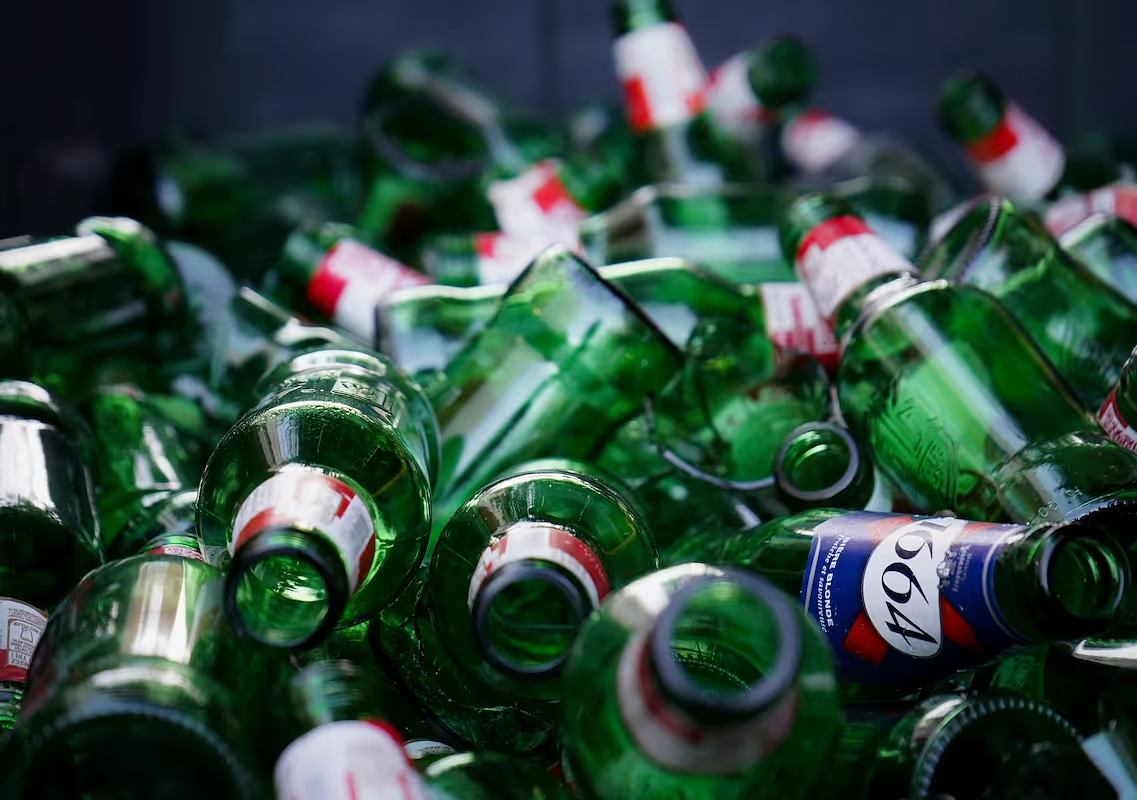
Starting a glass recycling business is a rewarding venture that combines logistical planning and operational know-how with business savvy. The glass recycling market is a multi-billion dollar industry, fueled by steady demand for recycled glass from container manufacturers, fiberglass producers, and construction material suppliers.
This guide will take you through the practical steps of validating your concept, securing funding, obtaining the right permits, and acquiring equipment to help you launch a successful glass recycling business in the U.S.
Step 1: Validate your business plan
First, confirm there is a local market. Contact potential customers directly, such as bars, restaurants, and event venues. Ask about their current glass disposal methods and if they would pay for a dedicated recycling service. Their feedback is your first reality check.
You should also identify end-buyers for your processed glass, known as cullet. Reach out to glass manufacturers or construction firms that use recycled glass aggregate. See what prices they pay and their specific quality requirements for color and purity.
Next, size up your competition. A simple online search for "glass recycling near me" is a good start. Also, check your state's Department of Environmental Protection database for a list of permitted recycling facilities. Note their services and pricing if available.
Startup cost breakdown
Initial investment can vary widely based on your operational scale. A frequent misstep is to focus only on processing machinery while underbudgeting for collection. Your truck is just as important as your crusher, so plan for both from day one.
Here is a typical range for initial expenses:
- Collection Truck (Used): $20,000 - $60,000
- Glass Crusher (Small-Scale): $5,000 - $30,000
- Facility Lease & Deposit: $5,000 - $15,000
- Permits & Licensing: $1,000 - $5,000
- Initial Operating Capital: $10,000 - $20,000
This puts a realistic starting budget between $41,000 and $130,000. Securing letters of intent from future customers can make it easier to get a business loan for these costs.
Here are 3 immediate steps to take:
- Contact three local businesses to confirm their need for a glass recycling service.
- Research the market price for a used commercial truck and a small-scale glass crusher.
- Visit your state's environmental agency website to identify required recycling permits.
Step 2: Set up your legal and licensing framework
Forming a Limited Liability Company (LLC) is a smart move. It protects your personal assets if the business faces debt or lawsuits. For tax purposes, an LLC allows profits to pass directly to you without being taxed at the corporate level, which simplifies filings.
Once your business is registered, you will need an Employer Identification Number (EIN) from the IRS. You can apply for an EIN online for free. It is your federal tax ID, and you need it to open a business bank account and hire employees.
State and local permits
Your primary regulatory contact will be your state's Department of Environmental Protection (DEP) or a similar agency. You will likely need a Solid Waste Facility Permit. This permit ensures your operation meets environmental standards for handling and processing recyclable materials.
Permit costs can range from $1,000 to $5,000. A frequent misstep is to underestimate the timeline. The application review for a solid waste permit can take 90 to 180 days. Start this process well before you plan to open your doors to avoid costly delays.
Here are 3 immediate steps to take:
- File your LLC formation documents with your state's Secretary of State.
- Apply for a free Employer Identification Number (EIN) on the IRS website.
- Contact your state's DEP to request the application for a Solid Waste Facility Permit.
Step 3: Secure insurance and manage risk
Your next move is to build a financial safety net with the right insurance. You will need a package of policies to cover your operations, employees, and equipment. This is not an area to cut corners, as one accident can derail your entire business.
Key policies and costs
Start with General Liability insurance, which covers third-party injuries or property damage. A $1 million to $2 million policy is standard, with annual premiums typically between $1,200 and $3,000. You should also get Commercial Property insurance to protect your facility and equipment like the glass crusher.
Since collection is central to your model, Commercial Auto insurance is non-negotiable. Many new owners make the mistake of thinking their personal auto policy is enough; it is not. Expect to pay $5,000 to $12,000 annually for a $1 million liability policy.
If you have employees, Workers' Compensation is required in most states. It covers medical costs and lost wages from job-related injuries, a specific risk in a business with heavy machinery and broken glass. Premiums are calculated as a percentage of your payroll.
You might want to consider providers that specialize in the waste and recycling industry. Companies like The Hartford, Chubb, and AmWINS have experience with businesses like yours and can offer more relevant coverage than a general agent.
Here are 3 immediate steps to take:
- Request quotes for a business owner's policy from two insurance brokers who specialize in recycling.
- Confirm your state's minimum liability requirements for commercial vehicles.
- Review your state's Workers' Compensation Board website to understand your obligations as an employer.
Step 4: Find a location and buy equipment
You will need a space zoned for light industrial use, often labeled M-1 or M-2. This accommodates truck traffic and machinery noise. A frequent mistake is signing a lease before you verify the zoning with the city planning department. This can stop your business cold.
For a small operation, look for a warehouse between 2,000 and 5,000 square feet. This gives you room for the crusher, storage, and a small office. When you negotiate the lease, you might ask for a tenant improvement allowance to cover electrical upgrades for your machinery.
Essential machinery and costs
Your glass crusher is the heart of the operation. Small-scale models from suppliers like Andela Products or Expleco run from $5,000 to $30,000. Buying used can cut this cost, but always inspect the machine's hammers and screens for wear before you purchase.
You will also need a used forklift, which costs around $10,000 to $25,000, to move pallets of cullet. Add collection bins for your clients and basic personal protective equipment like heavy-duty gloves and safety glasses for your team.
Here are 3 immediate steps to take:
- Review your city’s online zoning map for areas designated M-1 or M-2.
- Request price lists for small-scale glass crushers from two equipment suppliers.
- Contact a commercial real estate agent to inquire about available 2,000-5,000 square foot industrial spaces.
Step 5: Set up your payment systems
For regular commercial clients like restaurants, Net 30 payment terms via ACH or check are standard. You will want to outline this in a simple service agreement. This document should specify pickup frequency and your rates.
Relying only on invoicing can strain your cash flow. Many new operators face 30-day delays on every payment. Having a way to accept immediate payment for one-off jobs or new clients is a smart move.
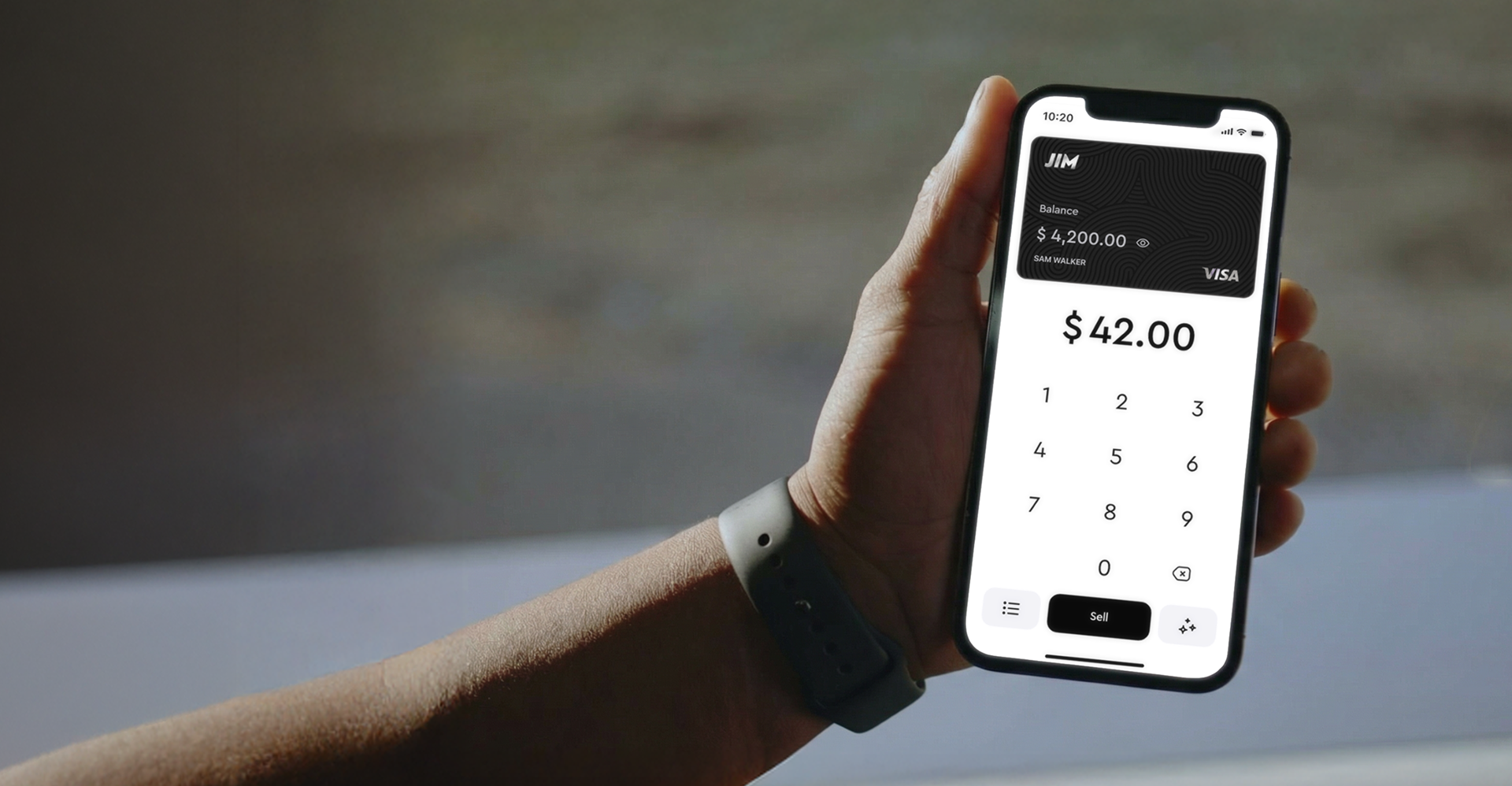
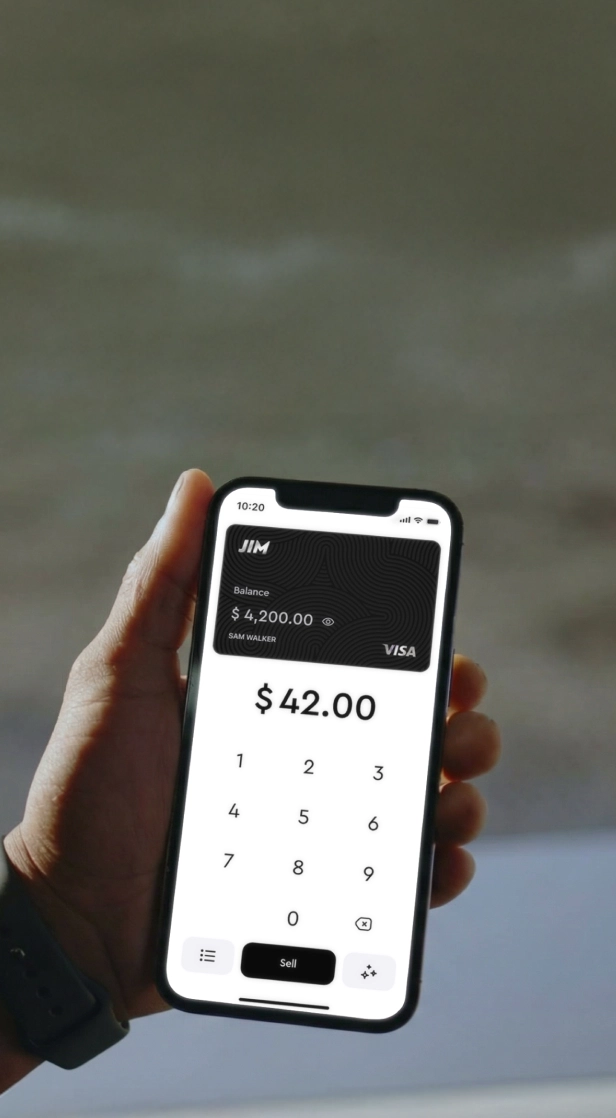
For businesses that need to accept payments on-site, JIM offers a streamlined solution. With JIM, you can accept debit, credit, and digital wallets directly through your smartphone. Just tap and you are done.
At just 1.99% per transaction with no hidden costs or extra hardware, it is a strong option. Most payment providers charge between 2.5% and 3.5%. It is particularly useful for securing payment from a new client on the first pickup.
- Get Started: Download the JIM app for iOS.
- Make a Sale: Type the sales amount, hit sell, and ask your customer to tap their card or device on your phone.
- Access Funds: Your money is available right on your JIM card as soon as the sale is done - no waiting for bank transfers.
Here are 3 immediate steps to take:
- Draft a service agreement that includes your payment terms, such as Net 30.
- Compare JIM's 1.99% rate against other mobile payment options you find.
- Download the JIM app to see how it works on your phone.
Step 6: Secure funding and manage your finances
SBA loans and bank financing
The Small Business Administration (SBA) is a good first stop. An SBA 7(a) loan can fund equipment and working capital, with amounts often reaching $150,000. Lenders will want to see a strong business plan and those letters of intent you secured earlier.
Many new owners find their loan applications are rejected because they lack a detailed financial projection. Have your startup cost breakdown and a three-year revenue forecast ready. Expect interest rates for SBA loans to be around the Prime rate plus 2.75% to 4.75%.
Industry-specific grants
You should also look for grants that do not require repayment. Many state environmental agencies offer Recycling Market Development Grants. These programs are designed to boost local recycling capacity and can provide $10,000 to $50,000 for purchasing equipment like your glass crusher.
Working capital needs
Beyond your initial equipment costs, you need cash to operate. Plan for at least six months of working capital. This covers rent, fuel, insurance, and payroll before your client payments create a steady income stream. A safe budget for this is between $20,000 and $40,000.
Here are 3 immediate steps to take:
- Research your state's "Recycling Market Development Grant" program online.
- Contact a local SBA-preferred lender to discuss pre-qualification for a 7(a) loan.
- Calculate your estimated operating expenses for the first six months.
Step 7: Hire your team and set up operations
Key hires and responsibilities
Your first hire will likely be a Collection Driver. This person is the face of your business, handling pickups and client interactions. Responsibilities include driving the collection route and loading glass. Expect to offer a salary between $45,000 and $55,000, depending on your location and their experience.
One thing new owners often miss is the driver's license requirement. If your collection truck has a Gross Vehicle Weight Rating (GVWR) over 26,001 pounds, your driver needs a Commercial Driver's License (CDL). Check this before you hire to avoid compliance issues.
Daily operations and safety
With your driver ready, you can map out collection routes. Inefficient routes burn fuel and time, eating into your profits. You might start with Google Maps, but consider route optimization software like Routific as you add more clients. This helps you create the most efficient schedule.
You must also prioritize safety. Your team will handle heavy machinery and broken glass. Familiarize yourself with OSHA guidelines for recycling operations. Providing proper training and personal protective equipment is not optional and protects both your employees and your business from costly accidents.
As you grow, a good benchmark to aim for is $150,000 to $200,000 in annual revenue per employee. This is a common efficiency metric in the waste and recycling industry.
Here are 3 immediate steps to take:
- Draft a job description for a Collection Driver, including pay and responsibilities.
- Check your state's CDL requirements based on your truck's weight.
- Review OSHA's website for safety standards related to recycling machinery.
Step 8: Market your service and acquire customers
Direct outreach
Your first customers will likely come from direct outreach. Focus on businesses that generate significant glass waste, like bars, restaurants, and hotels. Create a target list of potential clients in a dense commercial area to build an efficient collection route from day one.
Many new owners find their fuel budget drained because they cast too wide a net initially. Driving all over town for a few pickups hurts profitability. It is better to dominate one neighborhood or business district before you expand your territory.
Prepare a simple one-page sales sheet that clearly lists your services, pickup frequency, and pricing. When you visit, ask to speak with the manager and leave your sheet with them. A follow-up call or email a few days later often closes the deal.
Digital presence and partnerships
Once you have a few clients, establish your online footprint. A simple website and a Google Business Profile are powerful for local search. When a bar manager searches "glass recycling near me," you want your business to appear.
You can also run targeted ads on social media. On platforms like Facebook, you can show ads to people with job titles like "Restaurant Owner" within your service zip codes. Expect a Customer Acquisition Cost (CAC) between $50 and $200 per new client from these campaigns.
Also, consider forming partnerships with non-competing businesses. Commercial cleaning services or waste consultants have existing relationships with your ideal clients. You could offer them a referral fee for every new customer they send your way.
Here are 3 immediate steps to take:
- Create a target list of 20 local bars and restaurants to contact.
- Set up your free Google Business Profile and add photos of your truck.
- Draft a one-page sales sheet with your service offerings and contact information.
Step 9: Set your pricing and profit margins
Collection pricing models
You have two main options for pricing your service. A per-pickup fee, typically $50 to $75, works well for inconsistent clients. For regular customers like bars and restaurants, a monthly subscription for weekly service, around $200 to $300, creates predictable income.
A frequent misstep is setting prices too low. Your rate must cover fuel, labor, insurance, and equipment wear. Forgetting one of these can make your business unprofitable. You might also offer a hybrid model, with a base monthly fee plus a small charge per bin.
Margins and market research
On your collection services, you should aim for a gross profit margin of 40% to 50%. This margin is separate from the revenue you will generate by selling the processed glass cullet. Your collection fees should sustain the business on their own.
To see what the market will bear, do some direct research. The most effective way is to call two or three local competitors. Pose as a potential customer and ask for a price quote for a small restaurant. This gives you real-world data to position your own rates.
Here are 3 immediate steps to take:
- Calculate your total cost per pickup, including fuel, labor, and insurance.
- Call two local competitors to request a price quote for a small business.
- Decide on a primary pricing model, either per-pickup or a monthly subscription.
Step 10: Maintain quality and scale your operations
Uphold quality standards
Your buyers have strict requirements for processed glass, or cullet. You can find detailed specifications from the Glass Packaging Institute (GPI). A key metric is contamination from paper or plastic, which should be below 1%. Many new operators have loads rejected because they fail to meet this standard.
Service quality is just as important for client retention. You should track your on-time pickup percentage, with a target of 98% or higher. Also, monitor your missed pickup rate to show clients you are reliable.
Plan your growth
Growth should be data-driven. A good rule of thumb is to add a new truck and driver for every 40-50 new monthly subscription clients. When your facility consistently operates at over 80% capacity, it is time to look at a larger space or a higher-throughput crusher.
As you add clients, manual route planning becomes inefficient. You might want to look at route optimization software like Routific or OptimoRoute. These platforms can save significant fuel and labor costs as your customer base grows.
Here are 3 immediate steps to take:
- Review the cullet specifications on the Glass Packaging Institute (GPI) website.
- Calculate your on-time pickup rate for the last 30 days.
- Research the monthly cost of a route optimization software plan for your fleet size.
Your glass recycling business is built on strong logistics and even stronger relationships. Remember, the quality of your cullet determines your success with end-buyers. You have the steps, now it is time to execute your plan.
As you secure those first clients, make payments simple. A solution like JIM lets you accept cards right on your smartphone for a flat 1.99% fee, with no extra hardware. It helps keep your cash flow healthy from day one. Download JIM.
.avif)