Starting a karaoke business is an exciting venture that combines a passion for music and entertainment with smart business sense. The global karaoke market is a multi-billion dollar industry, showing a consistent demand for fun nights out at bars, private parties, and corporate events.
This guide will take you through the practical steps of validating your concept, securing funds, obtaining licenses, and acquiring the right equipment to help you launch a successful karaoke business in the U.S.
Step 1: Plan your business and validate your idea
Your first task is to become a student of your local scene. Go beyond a simple Google search. Visit bars and event spaces on different nights to see who offers karaoke, how big the crowds are, and what kind of music people request. This gives you a real-world feel for demand.
To dig deeper, use Google Maps to plot out every potential competitor. For demographic data, check if your local library provides free access to business databases like ReferenceUSA or AtoZdatabases. These can show you population density and income levels in specific neighborhoods.
Startup cost breakdown
Now, let's talk about the investment. Your initial outlay will mostly cover equipment and legal fees. A common mistake is underestimating these costs or choosing cheap gear that fails mid-performance. Plan your budget carefully from the start.
Expect to spend $2,000-$7,000 on a professional karaoke machine and software. A quality sound system with speakers, a mixer, and microphones will add another $1,500-$5,000. Also, you must have a commercial music subscription from a service like Karafun or Singa, which costs about $50-$150 per month.
Here are 3 immediate steps to take:
- Visit two local karaoke nights to analyze the competition and audience.
- Check your public library's website for access to business databases.
- Create a spreadsheet to budget for initial equipment and licensing fees.
Step 2: Set up your legal structure and secure licenses
You might want to consider forming a Limited Liability Company (LLC). This structure protects your personal assets if the business faces legal issues. Many new owners make the mistake of operating as a sole proprietor, which offers no such protection. Filing for an LLC costs between $50 and $500.
Once your business is registered with your state, get a free Employer Identification Number (EIN) from the IRS website. You will need this for tax purposes and to open a business bank account. The application process takes less than 15 minutes online.
Music performance licenses
Your karaoke software subscription does not cover public performance rights. You must obtain licenses from Performing Rights Organizations (PROs) like ASCAP, BMI, and SESAC. These fees can range from $500 to $2,000 annually, based on your event frequency and audience size.
Also, check with your city or county clerk for a general business license, which typically costs $50 to $100 per year. Processing times can vary from one day to several weeks, so apply early. These licenses ensure you operate legally within your local area.
Here are 4 immediate steps to take:
- Register your business as an LLC with your Secretary of State.
- Apply for a free Employer Identification Number (EIN) on the IRS website.
- Contact ASCAP, BMI, and SESAC to get quotes for public performance licenses.
- Visit your city clerk’s office to apply for a local business license.
Step 3: Insure your business and manage risks
General liability insurance is your first priority. It covers you if a guest gets hurt or if you damage a venue’s property. A guest tripping over a speaker cable is a classic example. A $1 million policy is standard and costs about $400 to $900 per year.
Next, protect your gear. Your equipment is your main asset, so you need equipment insurance. This policy covers theft or damage to your sound system and laptops during transport or at an event. Expect this to add $200 to $500 to your annual premium.
Finding the right provider
If you use your vehicle to haul equipment, you will need a commercial auto policy. A personal policy often will not cover accidents that happen during business use. Also, if you hire an assistant or KJ, you must have workers' compensation insurance.
Many new owners just use their personal insurance agent, but this can leave gaps in coverage. You should get quotes from providers who understand event professionals. Look into companies like Thimble, Next Insurance, or Hiscox for policies tailored to your risks.
Here are 4 immediate steps to take:
- Get a quote for a $1 million general liability policy.
- Ask insurers about an equipment or inland marine policy for your gear.
- Confirm if you need a commercial auto policy for your vehicle.
- Compare rates from at least three insurance providers.
Step 4: Secure a location and purchase equipment
Your performance space
If you operate as a mobile KJ, your main concern is reliable transportation. For a dedicated karaoke bar, you will need a commercial space. Look for properties with zoning classifications like C-1 or C-2, which permit entertainment venues. A small spot requires 800-1,500 square feet.
When you find a location, try to negotiate a tenant improvement allowance into the lease. This is a sum the landlord provides for renovations. It can save you thousands on building a stage or installing sound-dampening materials. This is a common practice for commercial leases.
Assembling your gear
Your sound system is a significant part of your budget. A pair of quality 12-inch powered speakers from brands like QSC or Electro-Voice costs between $800 and $1,500. A small digital mixer will add another $300 to $800 to that total.
You should plan for at least four microphones. Many new hosts buy cheap mics that break or cut out. You might want to invest in durable models like the Shure SM58, which cost about $100 each. A projector and screen setup will run you an additional $500 to $1,200.
Here are 4 immediate steps to take:
- Research commercial zoning codes on your city’s planning department website.
- Price out a starter sound system with two speakers and a mixer.
- Compare features of karaoke software subscriptions like Karafun and Singa.
- Get quotes for four durable microphones, such as the Shure SM58.
Step 5: Set up payment processing
For private events, you should require a contract and a 50% deposit to secure the date. The remaining balance is typically due on the day of the performance. Many new hosts make the mistake of not using contracts, which leaves them unprotected if a client cancels.
Choosing a payment solution
You need a reliable way to accept credit cards, debit cards, and digital wallets. Some payment solutions come with high transaction fees or require extra hardware. Average commission rates from other providers often range from 2.5% to 3.5% plus monthly fees.
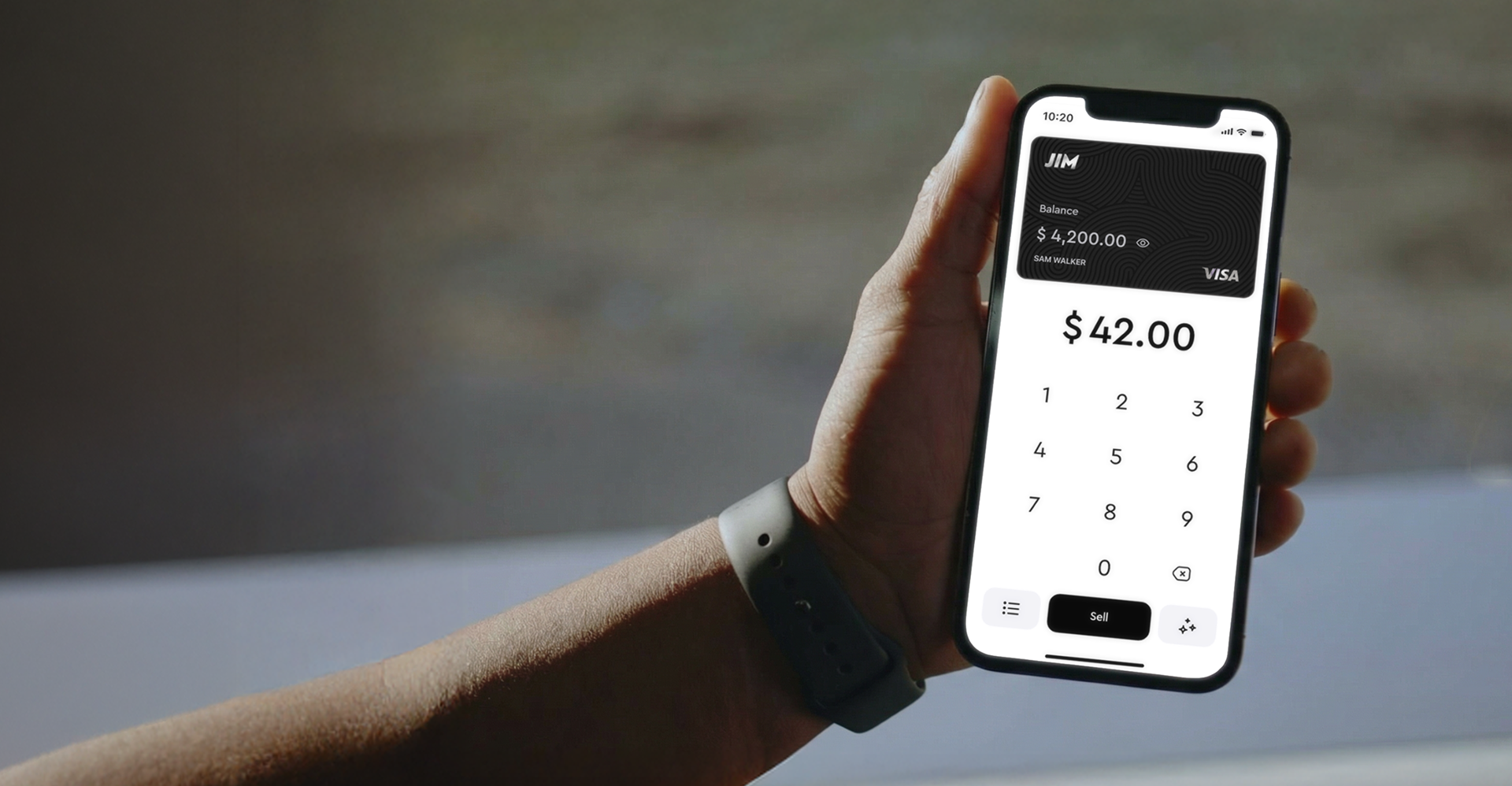
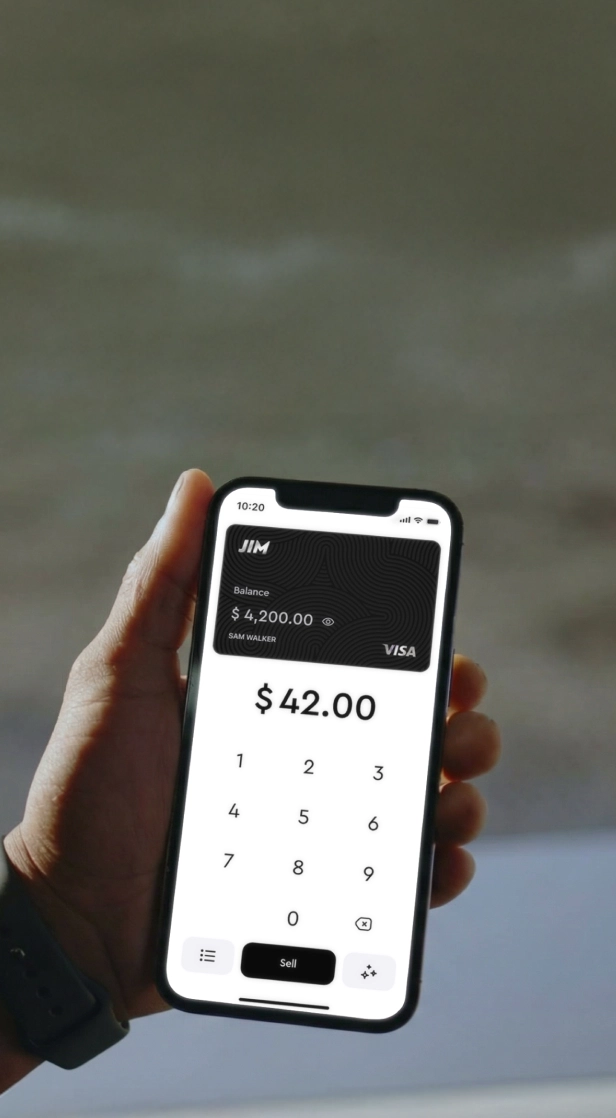
For a karaoke business that needs to accept payments on-site, JIM offers a streamlined solution. With JIM, you can accept payments directly through your smartphone. At just 1.99% per transaction with no hidden costs or hardware, it is great for collecting final payments at events.
- Get Started: Download the JIM app for iOS.
- Make a Sale: Type the sales amount, hit sell, and ask your customer to tap their card or device on your phone.
- Access Funds: Your money is available right on your JIM card as soon as the sale is done - no waiting for bank transfers.
Here are 3 immediate steps to take:
- Draft a standard contract that requires a 50% deposit for private bookings.
- Research payment solutions and compare their transaction fees and hardware costs.
- Download the JIM app to see how it works for on-the-go payments.
Step 6: Fund your business and manage finances
Finding your startup funds
An SBA Microloan is a good starting point for amounts under $50,000. You will likely need a credit score over 680 and a solid business plan. Interest rates for these loans typically range from 10% to 13%. Local credit unions are another great option for a small business line of credit.
You might also look into grants, though they are competitive. The Amber Grant is a well-known option for women-owned businesses. Also, check your city or county’s website for local arts and culture grants that may support entertainment ventures.
Managing your cash flow
Plan to have six months of working capital before you launch. For a mobile KJ business, this means having $5,000 to $10,000 set aside. This fund covers ongoing costs like insurance, music subscriptions, and marketing while you build a client base.
Many new hosts focus only on the one-time cost of gear. They forget to budget for the monthly expenses that come before the business generates consistent income. This can create a cash crunch early on, so plan for your recurring costs from day one.
Here are 4 immediate steps to take:
- Check your personal credit score to assess your loan eligibility.
- Contact your local Small Business Development Center (SBDC) for free help with your business plan.
- Create a six-month budget for your operating expenses.
- Search your city’s website for local arts and culture grants.
Step 7: Hire your team and set up operations
Your karaoke host
Your Karaoke Jockey (KJ) is the heart of your business. This person does more than play tracks; they host the party. A great KJ engages the crowd and keeps the energy high. Expect to pay a good KJ between $100 and $300 per gig, or an hourly rate of $25 to $50.
Many new owners hire for technical skill alone. This can be a mistake. A KJ with a flat personality can kill the vibe, no matter how good their sound setup is. You should prioritize charisma and stage presence during interviews.
Building out your staff
If you open a venue, you will need bartenders and servers. Check your state laws for required alcohol service training, such as a TIPS certification. For a mobile business, you might want to find at least one backup KJ you can call for emergencies.
Daily operations
For scheduling, a simple Google Calendar works when you start. As you grow, you might consider software like Homebase or 7shifts to manage staff hours. For venues, a good target for labor costs is 25-35% of your total revenue.
Here are 4 immediate steps to take:
- Draft a job description for a KJ that emphasizes personality and crowd engagement.
- Research your state’s requirements for alcohol service certifications.
- Compare features on scheduling software like Homebase or 7shifts.
- Set a target labor cost percentage for your business model.
Step 8: Market your business and get customers
Digital marketing for local reach
Your first marketing efforts should focus on social media. Create Instagram and Facebook pages to showcase your events. Post short video clips of energetic performances, but always get permission from the singers first. Use local hashtags like #YourCityKaraoke to attract a nearby audience.
Many new hosts just post a simple announcement. You might want to create Facebook Events instead. A small ad spend, say $50, can target people by age and location. Also, set up a free Google Business Profile. This puts you on the map and lets customers leave reviews.
Building local partnerships
For a mobile KJ business, you can partner with bars that have slow weeknights. Propose a trial run where they keep the drink sales and you get to build a following. This gives them a low-risk way to test a new entertainment option and gives you valuable exposure.
Do not overlook business cards and flyers. You can leave them with event planners, wedding venues, and corporate HR departments. These connections often lead to high-paying private gigs. Your brand is the experience you create, so encourage singers and build a community. Word-of-mouth will follow.
Here are 4 immediate steps to take:
- Create a Facebook Event for your first public karaoke night.
- Set up a Google Business Profile for your business.
- Design a business card with your contact info for private parties.
- Identify three local bars that could benefit from a karaoke night.
Step 9: Set your prices and create packages
Choosing your pricing model
For a mobile KJ, your bread and butter is the hourly rate. A good starting point for a standard two-hour party is $250-$400. This covers your time, gear, and basic setup. Remember to factor in a travel surcharge, like $1.50 per mile, for events outside a 20-mile radius.
You might want to create tiered packages. For example, offer a 2-hour "Birthday Bash" for $350 and a 4-hour "Wedding Reception" package for $600. The premium package could include extra microphones or a projector, justifying the higher price and increasing your average sale.
Researching your local market
To see what your market can bear, call a few local competitors. Pose as a potential customer asking for a quote for a private party. This is the fastest way to learn the going rates. Also, check their websites and social media pages for any publicly listed prices.
Many new hosts fall into the trap of undercharging just to get gigs. This is a quick way to burn out. Once you know the market rate, calculate your costs per event. After your expenses, a 60-70% profit margin is a healthy target to aim for.
Here are 4 immediate steps to take:
- Call three local competitors to get quotes for a private party.
- Create a 2-hour base package and a 4-hour premium package.
- Calculate your travel surcharge for gigs outside a 20-mile radius.
- Set a price for add-ons like a projector or extra microphones.
Step 10: Control quality and scale your business
Measuring your performance
Your reputation depends on consistent quality. Before each gig, run a 5-minute sound check. Aim to fulfill over 95% of song requests. For private events, send a simple feedback survey using Google Forms within 24 hours to gauge client satisfaction and gather testimonials.
Many hosts assume no news is good news and skip the follow-up. This is a missed opportunity. A quick survey shows professionalism and helps you fix issues you might not have noticed. It also gives you positive reviews for your website.
Knowing when to grow
Once you have a handle on your quality, you can look for signs it is time to expand. When you are booked three to four nights a week for two consecutive months, you should either raise your rates by 10-15% or hire a second KJ.
If you decide to hire, have your new KJ shadow you for at least three events before they host alone. As your team grows, you can manage schedules with apps like Homebase or 7shifts to keep operations smooth and organized.
Here are 4 immediate steps to take:
- Create a 3-question client feedback survey using Google Forms.
- Establish a pre-gig sound check routine.
- Set a booking threshold that signals when to hire another KJ.
- Outline a training plan for new hires that includes three shadow gigs.
You have the steps to launch your karaoke business. The key is to remember that you are not just playing songs, you are hosting a party. Your energy sets the tone for the entire night. Now, go make it happen.
And when it is time to get paid, keep things simple. JIM lets you accept payments right on your smartphone for a flat 1.99% fee, no extra hardware needed. Download JIM and you are ready for your first gig.
.avif)