Starting a microblading business is a rewarding venture that blends artistic skill with business savvy. The permanent makeup market is a multi-billion dollar industry, with steady demand for these services from people with sparse brows to busy professionals who want a low-maintenance routine.
This guide will take you through the practical steps of obtaining necessary licenses, securing funding, acquiring equipment, and selecting the right location to help you launch a successful microblading business in the U.S.
Step 1: Plan your business and validate the market
First, gauge local demand. Use Google Trends to check search interest for "microblading" in your city. You can also join local Facebook groups to ask questions and understand what potential clients look for in a provider. This gives you direct insight into your future customer base.
Analyze your local competitors
Look up "microblading" on Google Maps, Instagram, and booking apps like Vagaro or StyleSeat. This shows you who operates in your area. Many new artists make the mistake of just comparing prices. Look deeper at their reviews, photo quality, and how full their schedule seems.
This information helps you find a gap in the market. Perhaps everyone offers a similar style, or no one caters to a specific demographic. This is your opportunity to stand out.
Estimate your startup costs
Mapping out your finances early helps you plan a realistic launch. Initial costs can range from $6,000 to $16,000, depending on your location and the scale of your launch. It is a good idea to have a clear budget from day one.
Here is a typical breakdown of what you might spend:
- Training and Certification: $3,000 - $7,000
- Initial Equipment and Supplies: $2,000 - $5,000
- Business Licensing and Insurance: $500 - $2,000
- Marketing and Website Setup: $500 - $2,500
A frequent oversight is to underbudget for disposable supplies like pigments and needles. Plan to have at least three months of supplies on hand so you are not caught short with a full client list.
Here are 3 immediate steps to take:
- Research local microblading search volume on Google Trends for your city.
- Create a spreadsheet of at least three local competitors, noting their prices, services, and review scores.
- Draft a preliminary budget using the cost ranges provided to estimate your total startup investment.
Step 2: Establish your legal structure and get licensed
First, decide on a business structure. A Limited Liability Company (LLC) is a popular choice because it separates your personal assets from business debts. This protects your personal property if the business is sued. Filing for an LLC typically costs between $50 and $500, depending on your state.
Many new artists start as a sole proprietorship to save on fees, but this offers no liability protection. It is a risk you might want to avoid. A corporation is another option, but it involves more complex tax rules and paperwork, making it less ideal for a solo artist.
Secure your licenses and permits
Once your business entity is set, you need licenses. Microblading is regulated as body art, not cosmetology. You will need a specific Body Art or Tattoo Artist License from your state or county health department. Expect this to cost $100-$500 and take 4-8 weeks to process.
You will also need a general Business License from your city or county clerk's office. In addition, you must complete a Bloodborne Pathogens certification that meets OSHA standards. You can find courses online through providers like the American Red Cross for about $25.
Here are 4 immediate steps to take:
- Choose your business structure and file the LLC paperwork with your state.
- Apply for a free Employer Identification Number (EIN) on the IRS website.
- Contact your county health department for the Body Art license application and requirements.
- Enroll in an OSHA-compliant Bloodborne Pathogens certification course.
Step 3: Secure your insurance and manage risk
You will need two main policies: General Liability and Professional Liability. General Liability covers accidents like a client slipping in your studio. Professional Liability, also called Errors and Omissions, is for claims related to your actual service.
This second policy is for risks unique to microblading, like allergic reactions or a client unhappy with their brow shape. A policy with $1 million in coverage can cost between $600 and $1,800 annually. It is a cost of doing business safely.
If you rent a studio, your landlord will likely require you to have Commercial Property Insurance. Also, once you hire your first employee, you must get Workers' Compensation insurance. These are separate from your liability policies.
You might want to get quotes from providers that specialize in the beauty industry, such as Beauty & Bodywork Insurance (BBI), Marine Agency, or Hiscox. A general agent often does not understand the specific risks involved with permanent makeup.
A frequent mistake is to pick a policy on price alone, then discover it excludes permanent makeup. Always read the fine print to confirm your specific services are covered before you sign anything. This avoids major problems later.
Here are 4 immediate steps to take:
- Request quotes from at least two insurers specializing in beauty or body art.
- Confirm your professional liability policy covers claims of client dissatisfaction.
- Review your studio lease agreement for any specific insurance requirements.
- Read the policy exclusions to ensure microblading is explicitly covered.
Step 4: Choose your location and buy equipment
Find the right space
Your studio space does not need to be large. A 100-200 square foot room is often enough for a solo artist. Before you sign a lease, contact your city’s planning department to confirm the property is zoned for a "body art establishment." Some residential areas prohibit this.
When you negotiate a lease, ask about a tenant improvement allowance. This is money from the landlord to help pay for build-out costs like installing a sink or proper lighting. Many new artists overlook this and pay out of pocket, which can strain a new budget.
Gather your equipment and supplies
With your space secured, it is time to equip it. You will need a few key pieces of furniture and machinery. Expect to spend between $1,500 and $5,500 on the initial setup, not including disposable supplies.
- Treatment Chair: $300 - $1,200
- Autoclave Sterilizer: $1,000 - $4,000
- Magnifying Lamp: $50 - $200
- Rolling Trolley Cart: $100 - $300
The autoclave is a significant part of your budget. You might be tempted to buy a cheaper model, but ensure it is certified and regularly tested. Health departments are strict about sterilization. For supplies like pigments and needles, you can order from suppliers like Perma Blend or Tina Davies Professional without minimums.
Here are 4 immediate steps to take:
- Contact your city planning department about zoning for a body art establishment.
- Ask potential landlords about a tenant improvement allowance during lease talks.
- Create a detailed equipment list and budget using the price ranges above.
- Compare pigment and needle prices from two professional suppliers.
Step 5: Set up your payment system
Handle deposits and payments
Most artists require a non-refundable deposit of $50-$100 to book an appointment. This secures the slot and covers your time if a client no-shows. Make sure this policy is clearly stated on your website and booking page.
Many new artists lose profit to high transaction fees. Average commission rates from other providers can be 2.6% to 3.5%, not including hardware costs. You want a system with clear, low rates to protect your bottom line.
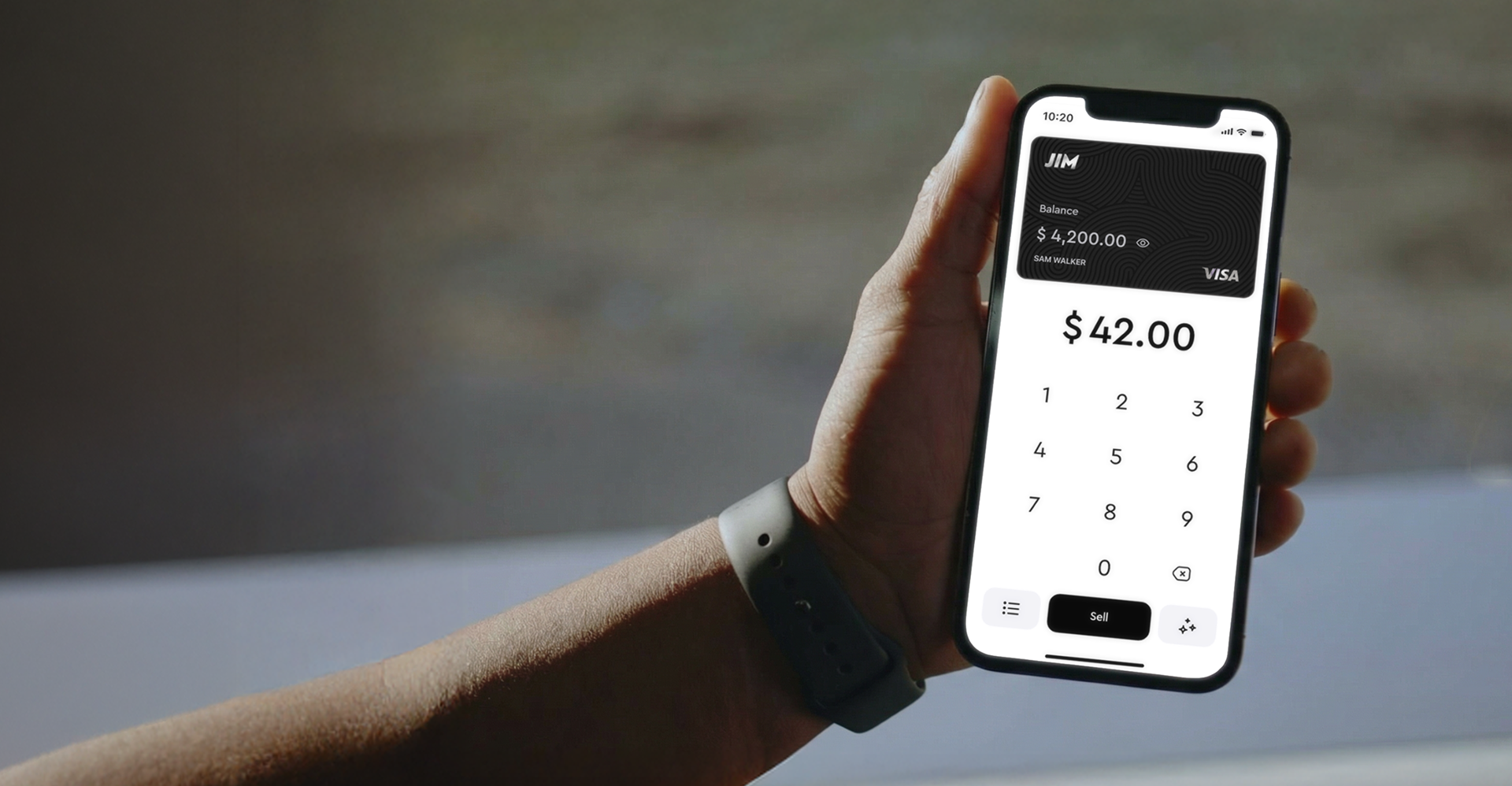
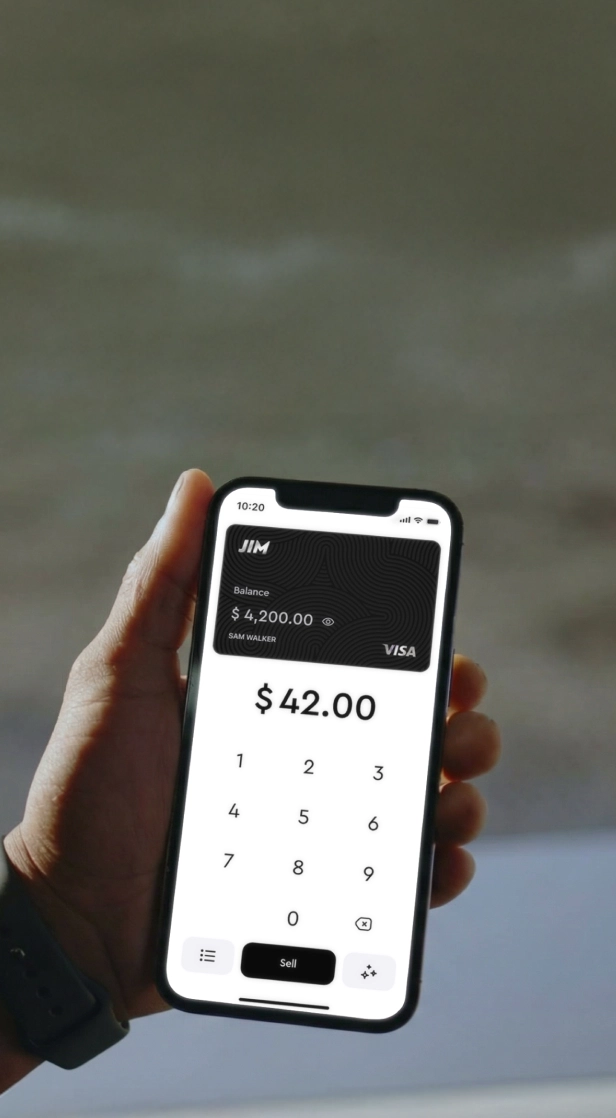
For microblading artists that need to accept payments on-site or on-the-go, JIM offers a streamlined solution. With JIM, you can accept debit, credit and digital wallets directly through your smartphone - just tap and done. At just 1.99% per transaction with no hidden costs or extra hardware needed, it's particularly useful for solo artists who want to keep overhead low.
- Get Started: Download the JIM app for iOS.
- Make a Sale: Type the sales amount, hit sell, and ask your customer to tap their card or device on your phone.
- Access Funds: Your money is available right on your JIM card as soon as the sale is done - no waiting for bank transfers.
Here are 3 immediate steps to take:
- Set your non-refundable deposit amount and write out your policy.
- Compare payment processor rates against the 1.99% transaction fee from JIM.
- Download the JIM app to explore its features for your business.
Step 6: Fund your business and manage finances
Secure your startup capital
You have a few solid options for funding. The SBA Microloan program offers loans up to $50,000, with interest rates typically between 8-13%. These are great for new businesses without a long credit history. You can also look into personal loans if you have good credit.
Some artists find success with industry-specific grants, though they are competitive. The Amber Grant is one popular option for women entrepreneurs. For any loan, you will need a solid business plan and a clear budget to show lenders you are a good investment.
Plan for your first six months
You will need enough working capital to cover expenses before you have a steady client flow. Plan for at least six months of costs. This includes rent, insurance, marketing, and disposable supplies. A safe buffer is typically $5,000 to $10,000.
A frequent misstep is not having enough cash on hand for the slow start. This buffer prevents you from making desperate decisions, like offering deep discounts that devalue your work. It gives you breathing room to build your brand the right way.
Set up your financial systems
Once you have funding, open a dedicated business bank account. Mixing personal and business funds creates a headache at tax time and can put your personal assets at risk if you are an LLC. Keep everything separate from day one.
You might also want to use accounting software to track your income and expenses. Programs like Wave or QuickBooks Self-Employed are designed for freelancers and solo business owners. They make it easy to see your financial health at a glance.
Here are 4 immediate steps to take:
- Open a separate business bank account.
- Research SBA Microloan requirements on the official SBA website.
- Calculate your working capital needs for the first six months.
- Compare features of accounting software like Wave and QuickBooks Self-Employed.
Step 7: Hire your team and set up operations
Hiring your first team members
As you get busier, you might want to hire a part-time Receptionist. This person handles bookings and client check-ins. Expect to pay between $15 and $25 per hour. This frees you up to focus entirely on your clients and the quality of your art.
When you are ready to expand, you can bring on another artist. A common pay structure is a 40% to 60% commission split. Make sure any artist you hire has their own Body Art License and Bloodborne Pathogens certification, just like you.
Many studio owners run into trouble by not having a clear, written contract. Outline commission rates, responsibilities, and expectations from day one to prevent future disagreements. A verbal agreement is not enough.
Streamline your daily operations
To manage appointments, you can use scheduling software. Programs like Vagaro, Acuity Scheduling, or StyleSeat let clients book online, send automated reminders, and store client notes. This reduces no-shows and administrative work.
In terms of revenue, a solo artist can often generate $80,000 to $150,000 annually. When you add another full-time artist at a 50% commission, you could potentially increase your studio's net revenue by $40,000 to $75,000 per year.
Here are 4 immediate steps to take:
- Draft a job description for a part-time receptionist.
- Outline a commission-based contract for a future microblading artist.
- Compare the features and pricing of Vagaro and Acuity Scheduling.
- Check your state's requirements for obtaining workers' compensation insurance.
Step 8: Market your business and get clients
Build a powerful visual portfolio
Your portfolio is your number one sales asset. Focus on Instagram and a simple website to showcase your work. High-quality before-and-after photos are non-negotiable. Use consistent backgrounds and good, natural light to make your results look professional and trustworthy.
A frequent mistake is to use blurry or poorly lit photos. This can hurt client trust more than having no portfolio at all. You should aim to have at least 10-15 excellent client examples before you start a major marketing campaign.
Focus on local client acquisition
Claim your Google Business Profile right away to appear on Google Maps. Encourage your first few clients to leave reviews, as this is a powerful driver for local search. You can also partner with nearby hair salons or medspas for referrals.
Offer a 10% commission for each client they send you. This creates a steady stream of new leads with very little upfront cost. It is a simple way to build a local network that supports your business growth.
Understand your marketing numbers
When you run paid ads on Instagram or Facebook, track your Customer Acquisition Cost (CAC). A good target to start with is under $150 per new client. Your website should convert around 2-3% of visitors into bookings. These numbers tell you if your marketing spend is effective.
Here are 4 immediate steps to take:
- Create an Instagram business account and post your top 5 before-and-after photos.
- Claim and fully complete your Google Business Profile listing.
- Draft a referral partnership offer for a local salon or medspa.
- Set a target Customer Acquisition Cost (CAC) for your first ad campaign.
Step 9: Set your pricing and create service packages
Your pricing reflects your skill and brand positioning. In most U.S. markets, a new but certified artist can charge between $500 and $800 for an initial microblading session. Research competitors on booking apps like Vagaro, not just their websites, to see their actual service prices.
Choose your pricing model
Most artists use an all-inclusive model. This bundles the initial session and the mandatory 6-8 week touch-up into one price, like $650. This simplifies booking and ensures clients complete the full process. An alternative is à la carte pricing, such as $500 for the first appointment and $150 for the touch-up.
Many new artists make the mistake of pricing too low, around $300, to attract their first clients. This can attract the wrong clientele and make it difficult to raise your rates to a sustainable level later on. Your pricing should cover your costs, time, and expertise.
Calculate your cost per service
Your direct cost per client for disposable supplies is relatively low. High-quality pigments, needles, and sanitary items typically total $20 to $40 per appointment. If you charge $650, your gross profit margin on that service is over 90% before you account for overhead like rent and insurance.
Here are 4 immediate steps to take:
- List the prices of five local competitors you find on booking apps.
- Calculate your total cost of disposable supplies for a single client.
- Decide if you will offer an all-inclusive package or à la carte pricing.
- Set your final price for the initial session and the first touch-up.
Step 10: Maintain quality and scale your business
Establish your quality standards
Consistently great work is your best marketing. Track your healed results by requesting client photos 8-12 weeks post-procedure. A key metric is your color correction rate. If fewer than 10% of clients need major adjustments at their touch-up, your technique is solid.
Once you are established, you might want to pursue advanced certifications. Organizations like the American Academy of Micropigmentation (AAM) or the Society of Permanent Cosmetic Professionals (SPCP) offer credentials that signal a higher level of expertise and can justify premium pricing.
Know when to grow
When your schedule is consistently 80% booked three months in advance, it is a clear sign to scale. Your first move should be a 10-15% price increase. If you remain fully booked after that, you can start to think about hiring another artist.
Some studio owners hire too soon, before their own client base is stable, which can strain cash flow. A good rule is to have a personal waitlist of at least 4-6 weeks before you bring on a new artist under your brand.
Your scheduling software, like Acuity or Vagaro, typically includes features to manage multiple staff calendars and payroll. This lets you add an artist without creating a lot of new administrative work for yourself. Check your current plan for these options.
Here are 4 immediate steps to take:
- Research advanced certification requirements from the AAM or SPCP.
- Create a simple client satisfaction survey to send after the final touch-up.
- Set your booking capacity threshold (e.g., 80% full for 3 months) to trigger a price review.
- Review the multi-artist features within your current scheduling software.
Launching a microblading business combines your artistic talent with smart business moves. Your reputation will be built on your healed results, so focus on quality from day one. You have the roadmap, now go build your brand with confidence.
As you welcome your first clients, keep your payment process simple. JIM turns your smartphone into a card reader, letting you accept payments for a flat 1.99% fee with no extra hardware. Download JIM to get set up.
.avif)