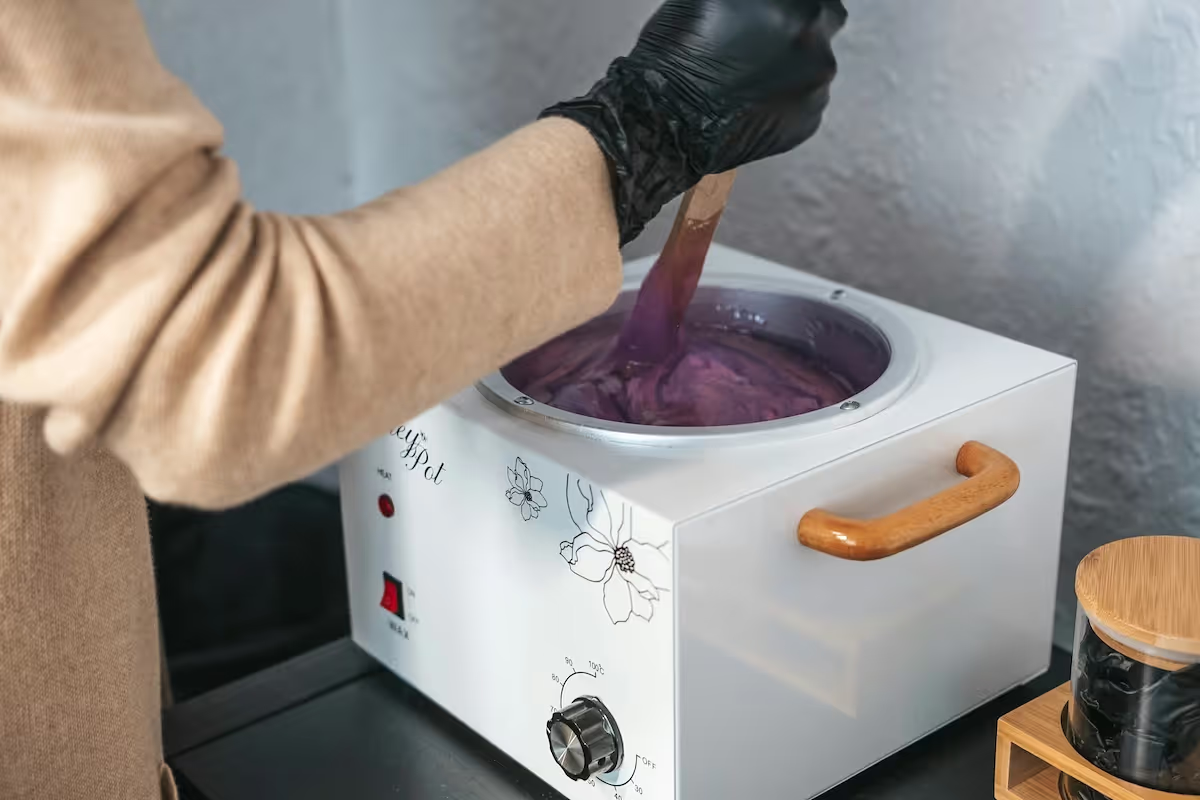
Starting a mobile waxing business is a rewarding venture that blends your expertise in client care with smart business strategy. The beauty industry is a multi-billion dollar market, and demand for waxing is steady among busy professionals, parents, and clients preparing for events.
This guide will walk you through the practical steps of validating your business concept, obtaining necessary licenses, and acquiring equipment to help you launch a successful mobile waxing business in the U.S.
Step 1: Plan your business and validate your idea
Market and competitor research
Start by researching your local market directly. You can use Instagram polls or post in local community Facebook groups to gauge interest. Ask about current waxing habits, what people pay, and if they would use a mobile service.
A frequent oversight is to rely only on national trends. Local data is what matters. While you're at it, use Google Maps and Yelp to identify at least three local competitors. Note their services, prices, and what clients say in reviews.
Calculate your startup costs
Speaking of costs, let's break down your initial investment. Your professional kit, with wax warmers and quality waxes, will likely be between $300 and $600. A good portable massage table adds another $150 to $300.
Your initial stock of supplies like cleansers, gloves, and post-wax care products can run from $400 to $700. Many new owners underestimate this recurring expense, so you should build it into your pricing from the start.
In total, you might want to budget between $1,050 and $2,200 for equipment and supplies. This does not include initial business licensing and insurance fees, which could be another $200 to $500.
Here are 3 immediate steps to take:
- Survey at least 20 potential clients in your target area.
- Create a spreadsheet to compare the prices of 3 local competitors.
- Draft a startup budget that lists all your expected equipment and supply costs.
Step 2: Establish your legal structure and get licensed
Choose your business structure
You should consider forming a Limited Liability Company (LLC). This structure protects your personal assets if the business faces debt or lawsuits. An LLC typically costs between $50 and $500 to file with your Secretary of State, with processing times from days to weeks.
A frequent mistake is mixing personal and business funds. Avoid this by opening a separate business bank account as soon as your LLC is approved. This simplifies tax filing and reinforces your liability protection.
Secure your licenses and permits
First, get a free Employer Identification Number (EIN) from the IRS website. You need this for taxes and to open that business bank account. The process is immediate and online.
Your state's Board of Cosmetology governs your professional license. Check their specific regulations for mobile services, as some states have extra rules. You will also likely need a state business license, which can cost $50 to $150 annually.
Finally, contact your city or county clerk’s office for a local business permit. These requirements vary widely, so confirm what you need for the specific areas you plan to serve.
Here are 4 immediate steps to take:
- File Articles of Organization for your LLC with your state.
- Apply for a free EIN on the official IRS website.
- Review your State Board of Cosmetology’s rules for mobile operations.
- Call your city clerk to ask about local business permit requirements.
Step 3: Secure your insurance and manage risk
You will need two primary policies: general liability and professional liability. General liability covers accidents like spilling wax on a client’s expensive rug. Professional liability, or malpractice insurance, protects you if a client has an allergic reaction or claims your service caused harm.
A combined policy with $1 million in coverage typically costs between $400 and $900 annually. Many new owners assume their personal auto insurance covers their work vehicle, but it often does not. You may need a commercial auto policy, so check your current plan for business use exclusions.
In addition, consider inland marine insurance. This policy protects your equipment while it is in transit or at a client's location. If you plan to hire help, you will also need workers' compensation insurance, as required by your state.
You might want to get quotes from providers who specialize in the beauty industry. Companies like Hiscox, Beauty & Bodywork Insurance (BBI), and NEXT Insurance offer packages tailored for mobile service professionals. They understand the specific risks you face.
Here are 4 immediate steps to take:
- Request quotes for a $1 million liability policy from Hiscox and BBI.
- Review your personal auto insurance policy for business use exclusions.
- Ask potential insurers about adding inland marine coverage for your equipment.
- Confirm if your state requires workers' compensation if you hire an assistant.
Step 4: Set up your mobile workspace
Select your core equipment
Your main investments are a portable wax warmer ($50-$150), a sturdy massage table ($150-$300), and a rolling utility cart ($70-$200). Look at professional brands like GiGi or Satin Smooth. They are built for repeated use and transport.
Some new owners buy consumer-grade equipment to save money, but it often fails quickly and can look unprofessional. Your setup is part of the client experience, so invest in quality from the start. This builds trust and justifies your prices.
Choose your vehicle and supplies
Your vehicle is your mobile salon. A reliable, fuel-efficient SUV or hatchback usually provides enough space for your table and supplies. Before you add branding, check your local city ordinances for rules on parking commercially marked vehicles in residential areas.
Once you have your equipment list, you can source products from professional suppliers like SalonCentric or CosmoProf. You will need your cosmetology license to open an account. Buying your primary hard or soft wax in bulk can significantly lower your per-service cost.
Here are 4 immediate steps to take:
- Create a detailed equipment list with price estimates for a portable warmer, table, and cart.
- Research your city’s ordinances on parking a vehicle with business branding.
- Register for an account with a professional beauty supplier like CosmoProf.
- Compare bulk pricing for your most-used wax type from two different suppliers.
Step 5: Set up your payment system
Accepting payments
Most clients expect to pay on the spot with a card. You might also consider a non-refundable deposit policy, perhaps $25, to secure bookings for new clients or large parties. This protects your time if someone cancels last minute.
When you choose a payment solution, look for low fees and portability. Many new owners get surprised by transaction fees, which often run from 2.5% to 3.5% plus monthly charges. You want a system that works on your phone without extra hardware.
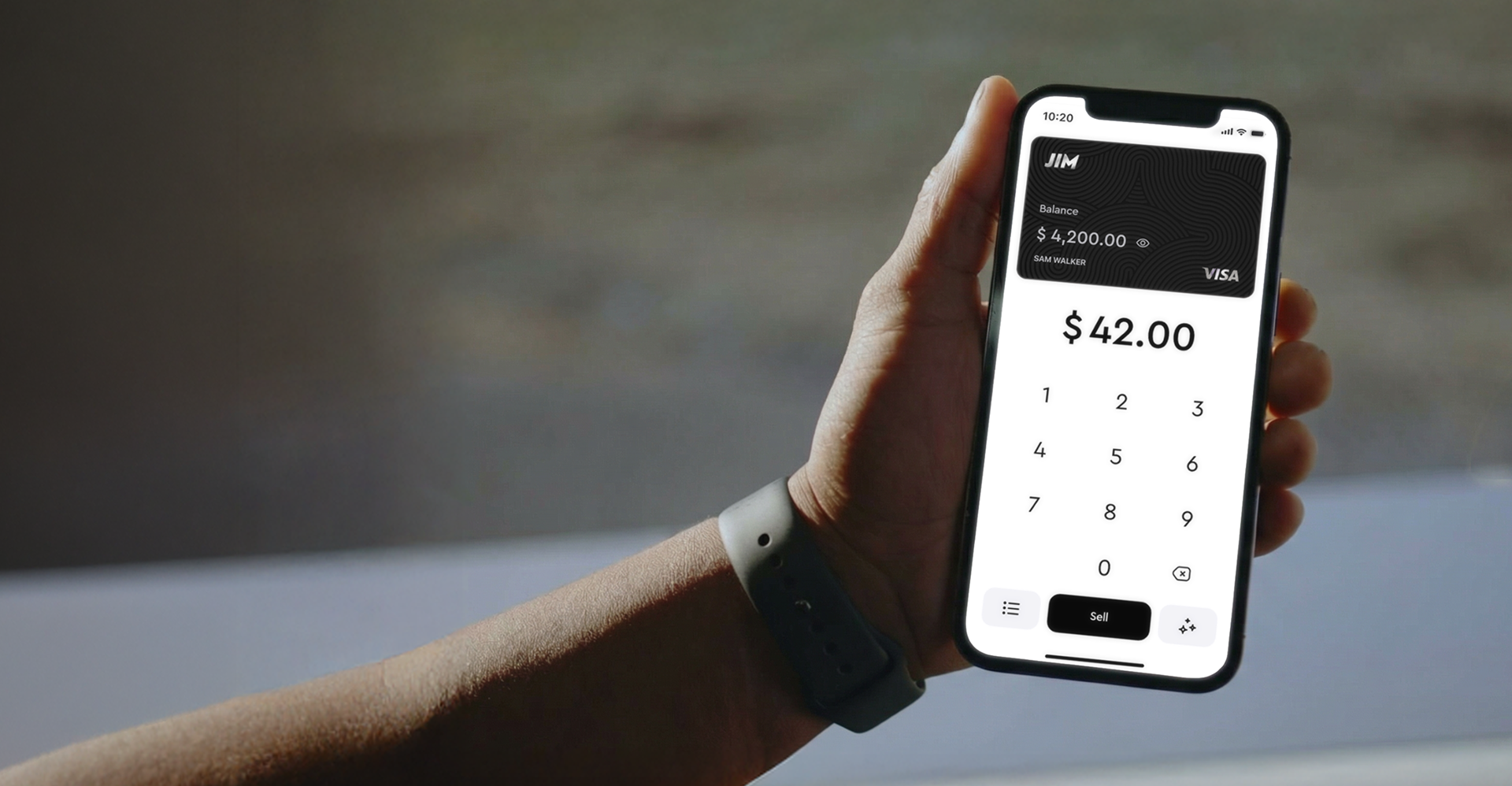
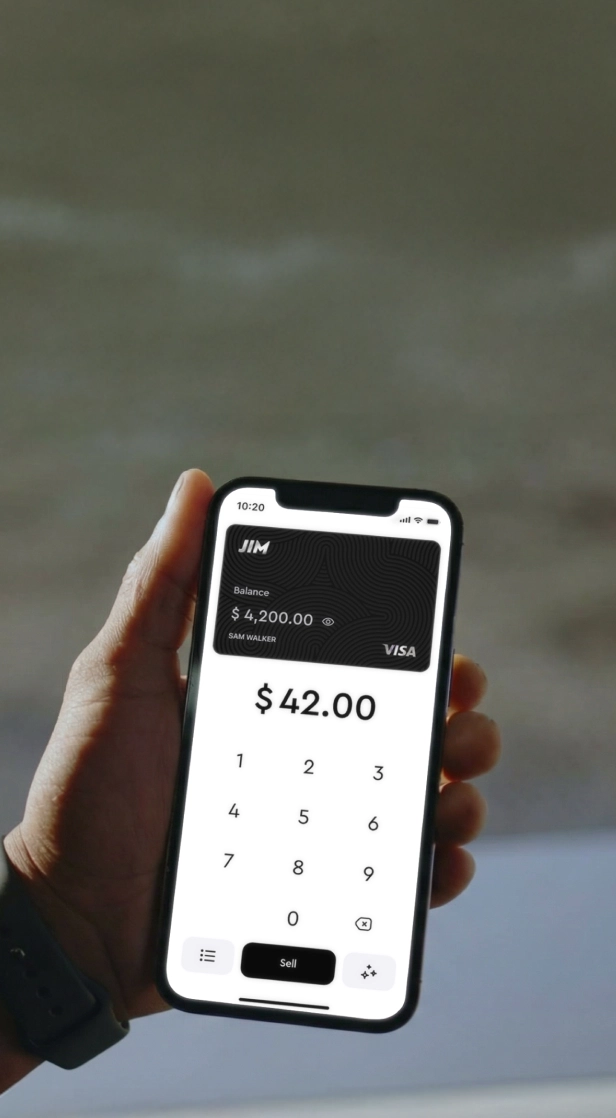
For mobile businesses that need to accept payments on-the-go, JIM offers a streamlined solution. With JIM, you can accept debit, credit, and digital wallets directly through your smartphone—just tap and done. At just 1.99% per transaction with no hidden costs or extra hardware needed, it's particularly useful for quick checkouts in a client's home.
You can get started in three steps.
- Get Started: Download JIM app for iOS
- Make a Sale: Type the sales amount, hit sell, and ask your customer to tap their card or device on your phone
- Access Funds: Your money is available right on your JIM card as soon as the sale is done - no waiting for bank transfers
Here are 3 immediate steps to take:
- Decide on a deposit policy for new clients or large group bookings.
- Compare the transaction fees of at least two payment solutions.
- Download the JIM app to explore its interface and features.
Step 6: Fund your business and manage finances
Secure your startup capital
Most owners use personal savings, but you might want to explore an SBA Microloan. These loans range from $500 to $50,000 and are designed for startups like yours. Interest rates are typically between 8% and 13%.
A frequent mistake is to drain personal savings completely. A business credit card with a 0% introductory APR can provide a safety net for initial supply purchases without immediate interest. This gives you a buffer as you start.
Plan for working capital and grants
You will also need working capital. Plan for at least $3,000 to $5,000 to cover your first six months of fuel, insurance payments, and product restocks before your client base is fully established. This prevents cash flow problems early on.
In addition, look into grants. The Amber Grant for Women is a popular option. You can also search your city’s economic development website for local small business grants. These are competitive but worth the effort since you do not have to repay them.
Here are 4 immediate steps to take:
- Research SBA Microloan lenders in your state.
- Compare business credit cards with 0% introductory APR offers.
- Calculate your estimated working capital for the first six months.
- Search for the Amber Grant application and local business grants.
Step 7: Hire staff and set up operations
Hiring your first team member
When you are ready to expand, you will likely hire a Mobile Esthetician. This person must hold a valid state cosmetology or esthetician license. A frequent mistake is hiring an unlicensed assistant to cut costs, which can put your entire business at risk.
Pay is often commission-based, typically 40% to 60% of the service price, plus tips. An experienced esthetician might generate over $70,000 in annual service revenue. On a 50% commission, they would contribute $35,000 to your business's bottom line.
Managing your schedule
Efficient scheduling is key. You can use software like Fresha or Square Appointments to let clients book online. These systems help you manage your calendar from your phone. Many new owners forget to account for travel, so be sure to add 20-30 minute buffers between appointments.
Here are 4 immediate steps to take:
- Draft a job description for a Mobile Esthetician, including the commission structure.
- Confirm your state’s license verification process for new hires.
- Compare the features of scheduling apps like Fresha and Square Appointments.
- Calculate your average travel time and add it as a buffer in your schedule.
Step 8: Market your business and get clients
Build your online presence
Start with an Instagram account and a Google Business Profile. Use high-quality photos of your clean, professional setup and branded vehicle. A polished online image builds trust before you even arrive at a client's door.
Once you have a few happy customers, encourage them to leave reviews on your Google profile. Positive reviews are powerful social proof. They can boost your local search ranking, which makes it easier for new clients to find you.
Create targeted offers and partnerships
An introductory offer, like 20% off the first service, can attract your initial clients. As you start, you might want to aim to keep your Customer Acquisition Cost (CAC) under $50 per new client.
A frequent misstep is to ignore local partnerships. Connect with bridal shops, small gyms, or apartment complex managers. You can offer an exclusive discount for their clients or residents, creating a direct referral stream for your business.
Here are 4 immediate steps to take:
- Set up and fully complete your Google Business Profile.
- Create a simple introductory offer, like "20% off your first mobile wax."
- Identify three local businesses you could partner with for cross-promotion.
- Plan your first week of Instagram posts showing your professional kit and setup.
Step 9: Price your services strategically
Determine your base pricing
First, calculate your cost per service. Add up the price of wax, strips, and cleansers for a single treatment. Your product cost should ideally be 15-20% of your final price, which gives you a healthy profit margin.
With your costs known, review your competitors' pricing again. You can justify a 10-15% premium for the convenience of a mobile service. If a local salon charges $60 for a Brazilian, you might charge $65-$70.
Some new owners underprice their services to get clients, but this can make it difficult to be profitable. Set fair prices from the start. It is easier to offer discounts than to raise your base prices later on.
Create packages and travel fees
You can increase your revenue per appointment with service packages. Bundle popular treatments, like a full leg and bikini wax, and offer a small discount of around 10%. This encourages clients to book more with you in a single session.
In addition, you need a clear policy for travel. You could include travel costs for a 10-mile radius in your base price. For clients further away, you might add a $10-$15 travel surcharge. This protects your time and fuel expenses.
Here are 4 immediate steps to take:
- Calculate the supply cost for an eyebrow, leg, and Brazilian wax.
- Set your final prices using a 400-500% markup over your supply cost.
- Create two service bundles that offer a 10-15% discount.
- Establish your service radius and a surcharge for travel beyond it.
Step 10: Maintain quality and scale your business
Set your quality standards
Your reputation depends on consistency. You might want to aim for a 60% client retention rate for new customers within their first three months. Also, track your average review score on Google. Anything below 4.8 stars suggests you should look at your client experience more closely.
As you get busier, it is easy to let sanitation standards slip. A frequent mistake is reusing non-disposable items without proper sterilization between clients. This not only looks unprofessional but also poses a health risk that could jeopardize your business and license.
Decide when to expand
Growth should be data-driven. When you are consistently booked at 80% capacity for a month straight, it is a strong signal to either raise prices or hire help. Another trigger could be when you consistently hit $5,000 in monthly revenue.
Your scheduling software, like Square Appointments or Fresha, can help manage this growth. These platforms allow you to add new staff members, manage separate calendars, and track performance metrics for each esthetician, which simplifies payroll and oversight.
Here are 3 immediate steps to take:
- Calculate your client retention rate from the last 30 days.
- Define the revenue or booking percentage that will trigger your first hire.
- Explore the multi-staff features in your current scheduling software.
Launching your mobile waxing business is now within reach. The key is the premium, convenient service you bring directly to clients. This personal touch is what sets you apart. Go forward with confidence and turn your plan into a reality.
To keep payments simple, consider JIM. It lets you accept cards on your smartphone for a 1.99% transaction fee, no hardware needed. This makes checkout quick and easy in any client's home. Download JIM and you are ready.
.avif)