How to start a nightclub business: Costs, licenses & steps (2026)
See article summary
- Opening a nightclub in the U.S. costs $150,000 to over $1 million and takes 12 to 18 months.
- A liquor license from your state ABC board is the biggest hurdle; start it early.
- Fund the build with an SBA 7(a) loan up to $5 million or private investors.
- Target a 20 to 25 percent pour cost and 10 to 20 percent net margins.
- Get general, liquor, and assault and battery insurance before you open the doors.
The U.S. bars and nightclubs industry reached about $38.6 billion in 2026, fueled by steady demand from young professionals, tourists, and local communities. Opening a nightclub lets you turn that demand into a venue people return to, but only if the numbers hold up. Source: IBISWorld Bars & Nightclubs in the US.
Opening a nightclub in the U.S. typically costs $150,000 to over $1 million and takes 12 to 18 months, mostly because of liquor licensing. The steps below cover concept, funding, licenses, location, payments, hiring, marketing, pricing, and growth so you can plan the whole build from idea to opening night.
Step 1: How do you plan and validate a nightclub concept?
Validating your concept before you spend money is the cheapest way to avoid opening a club nobody wants. Define a clear theme, confirm an audience exists, and price the build realistically.
Start by defining your nightclub's unique theme. Is it a high-energy dance club, a relaxed lounge, or a live music venue? Research local demographics using public census data to confirm there is an audience for your concept. Analyze foot traffic in potential areas on different nights of the week.
Next, scout the competition. Visit at least three direct competitors on their busiest nights. Note their pricing, music style, crowd demographics, and overall atmosphere. Copying a successful club is a frequent misstep. Find a gap in the market instead.
Break down your startup costs
Initial investment can vary widely based on your city and vision. A significant portion of your budget goes toward securing and building out the physical space. Plan for costs to range from $150,000 to over $1 million, depending on the scale of your project.
A documented example: independent hospitality trade coverage of recent U.S. club openings shows build-outs in the $300,000 to $600,000 range for a midsize venue in a secondary market, with liquor licensing and sound systems as the largest variables. Treat these as planning anchors, not quotes, and build your own line-item budget.
A typical cost breakdown looks like this:
| Category | Range |
|---|---|
| Lease & Renovations | $100,000 - $500,000+ |
| Licenses & Permits | $5,000 - $100,000+ (liquor licenses are a major variable) |
| Sound & Lighting | $20,000 - $150,000 |
| Initial Inventory | $15,000 - $30,000 |
When you budget for renovations, add a 20% contingency fund. What looks like a simple cosmetic update can uncover hidden structural or electrical issues, and this buffer prevents early cash flow problems.
Here are 3 immediate steps to take:
- Draft a one-page summary of your nightclub concept, theme, and target audience.
- Visit three potential competitor locations and document your observations.
- Create a preliminary startup budget using the cost categories provided above.
Step 2: What licenses does a nightclub need?
Your liquor license is the biggest hurdle, and it drives your timeline. Choose a business structure first, then start the state application early because it can take 6 to 12 months.
First, choose a business structure. Most nightclub owners form a Limited Liability Company (LLC). It protects your personal assets from business debts and allows profits to pass through to your personal taxes without double taxation. A C-Corporation is more complex but can be better if you plan to seek venture capital.
Navigate state and local licensing
Your most significant hurdle is the liquor license, managed by your state's Alcohol Beverage Control (ABC) board. Costs and timelines vary drastically by state. California's ABC application fees for on-premises licenses range from roughly $1,135 to $19,840 depending on license type and priority status, while New York's State Liquor Authority charges different fee tiers for on-premises liquor licenses. A frequent misstep is signing a lease before you have a clear path to license approval.
Source: California ABC application fee schedules. Source: New York State Liquor Authority.
In addition to the liquor license, you will need several other permits. These typically include:
- Federal Employer Identification Number (EIN): Required for tax purposes, you can get this from the IRS for free.
- Certificate of Occupancy: Confirms your building is safe for public assembly.
- Business License: A general operating license from your city or county.
- Health Permit: If you plan to serve any food, even just garnishes.
Here are 4 immediate steps to take:
- Register your business as an LLC with your Secretary of State.
- Apply for your Federal Employer Identification Number (EIN) online.
- Contact your state's ABC board to understand their specific application process.
- Research your city's requirements for a Certificate of Occupancy and business license.
Step 3: How do you insure a nightclub and manage risk?
A nightclub needs a tailored insurance package. A standard business policy will not cover liquor liability, assault and battery claims, or the unique risks of late-night operations. Underestimating your liability is a business-ending mistake if a major incident occurs, so build a tailored package before you open.
Focus on policies that include these core coverages:
- General Liability: This covers "slip and fall" injuries on your premises. A typical policy provides $1 million per occurrence and $2 million aggregate coverage.
- Liquor Liability: Protects you if an intoxicated patron causes harm. This is separate from general liability and is a must-have for any bar or club.
- Assault & Battery: Many general policies exclude coverage for fights. You need this specific add-on to protect against claims from altercations.
- Property Insurance: Covers your building, equipment, and inventory from fire, theft, or vandalism.
- Workers' Compensation: This is required in most states. It covers employee medical bills and lost wages from on-the-job injuries.
Insurance premiums for nightlife venues vary widely by location, capacity, and claims history. Get quotes from at least three brokers who specialize in hospitality, such as Insureon or the Hospitality Insurance Group. They understand the risks and can find better rates than a generalist agent.
Here are 4 immediate steps to take:
- Request quotes from at least three insurance brokers that specialize in nightclubs.
- Ask brokers specifically about Assault & Battery coverage.
- Review your lease agreement to confirm you meet its minimum insurance requirements.
- Draft a basic risk management plan for staff, including responsible alcohol service.
Step 4: How do you find a location and equip a nightclub?
Find a correctly zoned space sized to your target capacity, then negotiate lease terms that fund your build-out. Location mistakes and renovation disputes are among the most expensive errors new owners make.
Aim for 15-20 square feet per person for your target capacity. A 200-person venue needs 3,000-4,000 square feet. You must find a property with the correct commercial zoning. Look for classifications that permit late-night operations and alcohol sales, often designated as "C-2" by your city's planning department.
When you negotiate your lease, ask for a Tenant Improvement (TI) allowance. This is money from the landlord to help pay for your build-out. Also, consider a "percentage rent" deal, where your rent is tied to your revenue. This can ease cash flow at the start.
Signing a lease before confirming permitted renovations is a frequent and costly mistake. Always get landlord pre-approval for all planned construction, including soundproofing and electrical upgrades, written into the lease agreement itself. This avoids costly disputes and delays down the road.
Outfit your venue
Your sound and lighting systems define the customer experience. A professional audio setup can run from $20,000 to over $100,000. A dynamic lighting rig might cost an additional $15,000 to $70,000, depending on complexity. These are not areas to cut corners.
Beyond sound and lights, you will need bar equipment. This includes ice machines, glasswashers, and coolers, which can total $15,000-$50,000. You can source general bar supplies from vendors like WebstaurantStore. For specialized audio and lighting gear, check out suppliers like Sweetwater.
Here are 4 immediate steps to take:
- Research your city's zoning map for areas that permit nightclubs.
- Draft a lease proposal that includes a request for a Tenant Improvement allowance.
- Get quotes for a complete sound and lighting package from two suppliers.
- Create a detailed equipment list with budget estimates for your bar setup.
Step 5: How do you set up nightclub payment processing?
Your nightclub will handle a high volume of transactions, so speed is key. You need a system that processes card and digital wallet payments instantly at the bar and door. Getting stuck with clunky terminals and high monthly fees from traditional processors is a frequent trap for new owners.
Look for a solution with low, transparent transaction rates. For VIP table bookings, you will want a system that can handle deposits or pre-authorizations. This secures revenue from high-value customers and reduces no-shows, a frequent issue for new clubs.
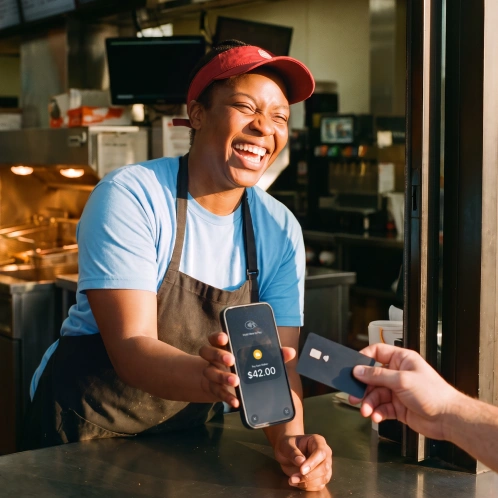
For taking cover charges at the door or payments on the go, JIM turns your smartphone into a card reader. With JIM, you accept debit, credit, and digital wallets through Tap to Pay, no extra hardware needed. At 1.99% per transaction with no hidden costs, it undercuts the 2.5% to 3.5% plus monthly fees many traditional processors charge. Funds land on your JIM card the moment the sale completes, no waiting for bank transfers.
Getting started is simple:
- Get Started: Download the JIM app for iOS.
- Make a Sale: Type the sales amount, hit sell, and ask your customer to tap their card or device on your phone.
- Access Funds: Your money is available right on your JIM card as soon as the sale is done - no waiting for bank transfers.
Here are 3 immediate steps to take:
- Research two traditional payment processors and compare their full fee structures.
- Map out all payment points in your club, from the entrance to VIP sections.
- Download the JIM app to see how it could work for mobile payments at your venue.
Step 6: How do you fund a nightclub and manage finances?
Most nightclub funding comes from Small Business Administration (SBA) loans or private investors. Lenders expect a detailed business plan with financial projections and an owner equity contribution of at least 20-30%. For an SBA 7(a) loan, you can secure up to $5 million.
Source: SBA 7(a) loan program.
Weak financial forecasts get loan applications rejected. Be specific. Show month-by-month revenue and expense estimates for the first two years. This demonstrates you understand the business's financial realities and builds lender confidence.
Calculate your working capital
Beyond startup costs, you need cash for the first six months of operation. This working capital covers payroll, rent, and inventory before your revenue becomes consistent. A safe target for a new nightclub is between $75,000 and $150,000 set aside purely for these expenses.
Here are 4 immediate steps to take:
- Draft detailed financial projections for your first two years of operation.
- Research the requirements for an SBA 7(a) loan on the official SBA website.
- Calculate six months of operating expenses to set your working capital goal.
- Identify three local banks that have experience with SBA loans for hospitality businesses.
Step 7: How do you hire and set up nightclub operations?
Hire a General Manager first so you can focus on strategy, not daily shifts. Staffing decisions and scheduling tools determine whether your opening weeks run smoothly.
Build your core team
Your staff is the face of your nightclub. Start by hiring a General Manager ($60k-$90k/year) to oversee everything. Other key roles include Bartenders ($15-$25/hr + tips), Security ($20-$35/hr), and Barbacks ($12-$18/hr + tip out).
Trying to manage the club yourself leads to burnout. A reliable GM frees you to focus on the bigger picture. For your bar staff, require an alcohol service certification like TIPS. Your security team may need state-specific guard cards.
Streamline your daily operations
With your team in mind, you need a system to manage them. You can use scheduling software like 7shifts or Homebase to handle staff schedules and communication. These platforms help you avoid the chaos of last-minute text messages and missed shifts.
A good benchmark for staffing is to keep your labor costs between 20-30% of total revenue. This ratio helps you build a schedule that covers your needs without eating into your profits. Track this number weekly to adjust staffing levels as you learn your busy and slow periods.
Here are 4 immediate steps to take:
- Draft job descriptions for a General Manager, Bartender, and Head of Security.
- Research your state's requirements for alcohol service and security guard certifications.
- Schedule demos for scheduling software like 7shifts and Homebase.
- Set a target labor cost percentage of 25% in your financial model.
Step 8: How do you market a nightclub and attract customers?
Start marketing months before you open. A soft launch, a public grand opening, and a calendar of weekly themed nights build a crowd that returns.
Create social media profiles on Instagram and TikTok. Post behind-the-scenes content of the build-out. This builds a following that is already invested in your success before day one.
Create your launch and weekly promotions
For your grand opening, consider a soft launch for friends and family first. This helps you work out operational kinks. Then, host a public grand opening. You can partner with local micro-influencers, who often have higher engagement for a lower cost than major names.
After launch, consistent promotion is what keeps the doors open. Spending your whole budget on opening night is a common mistake. Instead, plan a calendar of weekly themed nights, like an industry night for hospitality workers or a throwback music night. This creates reliable midweek business.
You should also build an email and SMS list from your first day. Offer a small discount on cover charge for a sign-up. This direct line to your customers is powerful for announcing events. A simple text blast can fill a slow night.
Here are 4 immediate steps to take:
- Create your Instagram and TikTok profiles and post teaser content.
- Plan and budget for your first three themed nights after you open.
- Identify five local influencers to invite to your grand opening.
- Draft a simple press release about your opening for local blogs and media.
Step 9: How profitable is a nightclub and how do you price drinks?
Nightclub profitability hinges on disciplined pricing. Industry benchmarks put net margins at 10 to 20 percent after labor, inventory, and rent, so every drink price and cover charge needs to defend that margin.
Price your drinks for profit
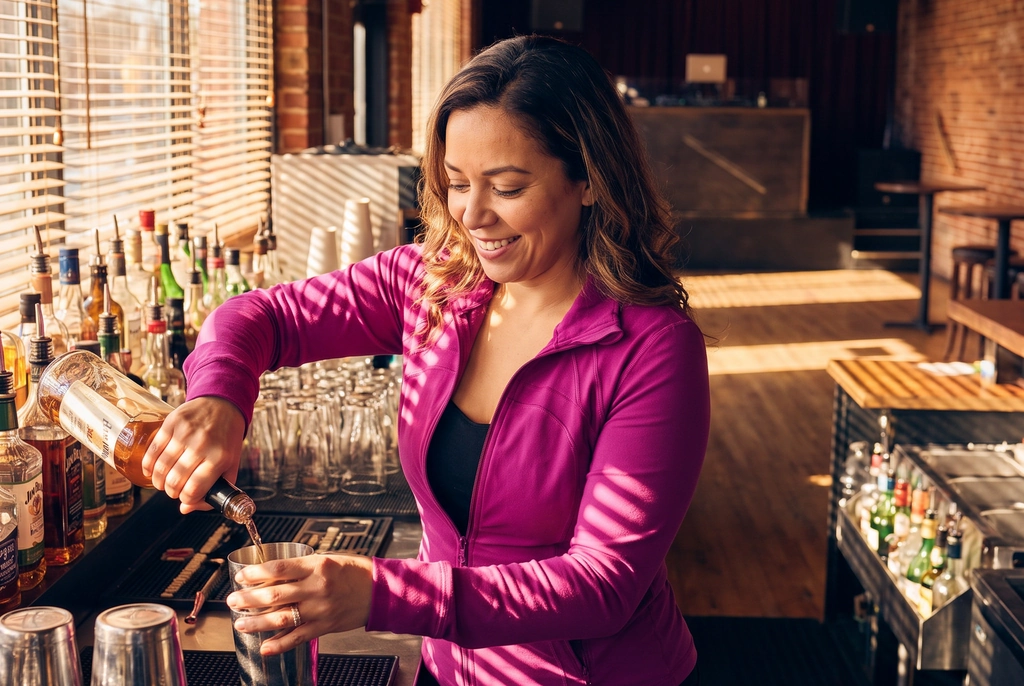
Your primary revenue driver will be drink sales. You should aim for a pour cost of 20-25%. This means if the liquor in a drink costs you $2, you should price the drink at $8-$10. Copying competitor prices without checking your own costs can destroy your margin.
Calculate the cost of every ingredient in your top 10 cocktails. Use this data to set prices that guarantee your target margin. For beer and wine, a typical markup is 300-400%. This detailed approach ensures every sale is profitable from the start.
Structure your cover charge and VIP sales
Your cover charge should be dynamic. Set it at $10 on a Thursday but $20 on a Saturday with a popular DJ. Consider offering free entry before 10 PM to build an early crowd. A static, one-price-fits-all cover charge leaves money on the table.
For VIP sections, focus on a "minimum spend" model instead of a flat table fee. A group might get a table for a commitment to spend at least $500 on bottles and drinks. This secures higher revenue per group and encourages premium sales.
Here are 4 immediate steps to take:
- Calculate the exact pour cost for your 10 signature cocktails.
- Create a tiered drink menu with prices for well, call, and premium spirits.
- Draft a weekly cover charge schedule based on different nights and events.
- Develop three VIP packages with different minimum spends and included perks.
Step 10: How do you control quality and scale a nightclub?
Once you are open, consistent quality keeps people coming back. Track reviews, staff turnover, and pour cost variance weekly so you can spot problems before they cost you the business.
Maintain your standards
You can track quality by monitoring your online reviews on Google and Yelp daily. Also, watch your staff turnover rate. A high rate, over 50% annually, often signals problems with management or club culture.
For your bar, you should track pour cost variance. This metric shows the difference between the potential profit from a bottle and your actual sales. A variance over 2% suggests over-pouring or theft. You can use inventory systems like BevSpot or Bar-i to automate this tracking.
Know when to grow
Expanding too soon drains your primary business. Before you consider a second venue or a major renovation, you should see sustained success. A good benchmark is hitting 90% of your legal capacity every Friday and Saturday for at least three consecutive months.
You should also have at least six months of operating expenses saved as cash reserves. Growth requires capital, and you do not want to drain your primary business to fund a new project. This financial cushion protects your original club while you expand.
Here are 4 immediate steps to take:
- Set up alerts for your business on Google and Yelp to monitor new reviews.
- Calculate your staff turnover rate from the last quarter.
- Research inventory management systems like BevSpot to track pour cost variance.
- Define a specific growth trigger, such as "90% capacity for three straight months."
For the first 90 days after opening, track three numbers every week: pour cost variance, staff turnover, and average cover charge collected. These three metrics tell you faster than any review whether your pricing, team, and door operations are working. Fix the metric that drifts before it becomes a habit.
Setting up fast, low-cost payments is part of running a tight nightclub operation. For more on building a business from the ground up, see our guide to starting a small business. If you want the details on taking card payments with no extra hardware, learn how to sell using JIM.
Frequently Asked Questions
Is a nightclub profitable?
How much does it cost to open a nightclub?
What licenses do you need for a nightclub?
How long does it take to open a nightclub?
How do nightclub owners make money?




Sell and get paid in seconds with Jim