Starting a paint and sip business is a rewarding venture that combines creative flair with business savvy. The market is a multi-billion dollar industry, fueled by steady demand for unique social experiences like date nights, corporate team-building, and private parties.
This guide will take you through the practical steps of validating your business concept, securing funding, selecting the right location, and acquiring supplies to help you launch a successful paint and sip business in the U.S.
Step 1: Plan your business and validate the concept
First, gauge local interest. You can survey community Facebook groups to see what kind of events people want. Also, review demographic data for your area on the U.S. Census Bureau website to understand your potential customer base, like young professionals or families.
Next, analyze your direct competitors. Use Google Maps and Yelp to find other paint and sip studios nearby. Study their class schedules, pricing, and online reviews to spot gaps in the market. See what makes each one special and think about how you can differ.
Estimate your startup costs
Your initial investment for an independent studio will likely fall between $15,000 and $50,000. A franchise, in contrast, often requires a higher initial outlay. Your budget should account for several key areas.
- Studio Lease & Deposit: $2,000 - $8,000
- Licenses & Permits: $1,000 - $4,000
- Initial Art Supplies: $3,000 - $7,000 for easels, canvases, brushes, and paint.
- Furniture & Point-of-Sale System: $3,000 - $8,000
A frequent oversight is the liquor license application. This process can take 3-6 months and has specific costs, so you might want to start the paperwork as soon as you secure a location.
Here are 3 immediate steps to take:
- Draft a one-page business plan outlining your unique concept.
- Research the pricing and class schedules of three local competitors.
- Create a detailed startup budget based on the cost estimates above.
Step 2: Set up your legal structure and get licensed
First, choose a business structure. Most paint and sip owners form a Limited Liability Company (LLC). This protects your personal assets if the business is sued. It also offers pass-through taxation, so profits are only taxed once on your personal return.
Once you decide, register your business name with your state's Secretary of State, which costs between $50 and $200. You will also need a federal Employer Identification Number (EIN) from the IRS to hire employees and open a business bank account. It is free to apply online.
Secure your licenses and permits
The most complex part is the liquor license. Contact your state's Alcohol Beverage Control (ABC) board to begin. The application process can take 3 to 12 months and fees range from $500 to over $15,000, so it is wise to start this early.
Finally, check with your city or county clerk for local requirements. You will likely need a Certificate of Occupancy for your studio and a general business license. If you plan to serve food, you will also need a food handler's permit from the local health department.
Here are 3 immediate steps to take:
- File your LLC formation documents with your Secretary of State.
- Apply for a free Employer Identification Number (EIN) on the IRS website.
- Research your state's specific liquor license requirements and timeline.
Step 3: Insure your business and manage risks
First, secure General Liability insurance. This covers accidents like a customer slipping on a wet floor. A $1 million policy is standard and typically costs between $400 and $900 per year. This is your foundational coverage.
Because you serve alcohol, you also need a separate Liquor Liability policy. Many new owners assume this is included in general liability, but it is not. This policy protects you if an intoxicated guest causes damages. Expect to pay $500 to $2,000 annually.
Find the right insurance provider
You will also want Property Insurance to cover your art supplies and studio furniture from theft or damage. If you hire instructors, you must have Workers' Compensation insurance. This is a legal requirement in most states.
You can get quotes from providers that specialize in small businesses. You might want to consider companies like Hiscox, The Hartford, or Insureon. They understand the unique risks of a business like yours, from paint spills on personal belongings to alcohol-related incidents.
Here are 3 immediate steps to take:
- Request a quote for a General Liability policy with at least $1 million in coverage.
- Ask potential insurers about bundling General and Liquor Liability policies.
- Check your state's requirements for Workers' Compensation insurance.
Step 4: Secure your location and buy equipment
Look for a commercial space between 1,200 and 2,000 square feet. This provides room for a main studio, storage, and restrooms. Confirm the local zoning allows for "assembly" or "entertainment" use, and that your lease permits serving alcohol on the premises.
When you negotiate your lease, you can ask for a Tenant Improvement (TI) allowance. This is a contribution from the landlord to help you pay for renovations like installing a small bar or upgrading the lighting. It can significantly reduce your upfront costs.
Stock your studio with supplies
Once your lease is signed, it is time to furnish the space. You can find bulk discounts from art suppliers like Blick Art Materials or Jerry's Artarama. A mistake some new owners make is buying cheap brushes that shed bristles, which can frustrate customers.
- Table Easels: $15 - $30 each. You will need one per seat.
- Canvases: $2 - $5 per canvas when you buy in bulk.
- Acrylic Paint: $500 - $1,000 for an initial assortment of colors.
- Brush Sets: $5 - $15 per set. Plan for one set per guest.
Here are 3 immediate steps to take:
- Research three potential locations with the correct commercial zoning.
- Ask prospective landlords about a Tenant Improvement (TI) allowance.
- Price out a bulk order for 50 canvases and brush sets from an art supplier.
Step 5: Set up your payment system
Most customers will book and pay for classes online in advance. For private parties, it is standard to require a 50% non-refundable deposit to secure the booking, with the balance due a week before the event.
You will want a payment solution that integrates with your website's booking calendar. Some new owners get caught by high transaction fees or monthly hardware costs. These can eat into your profit on every ticket sold, so review the terms carefully.
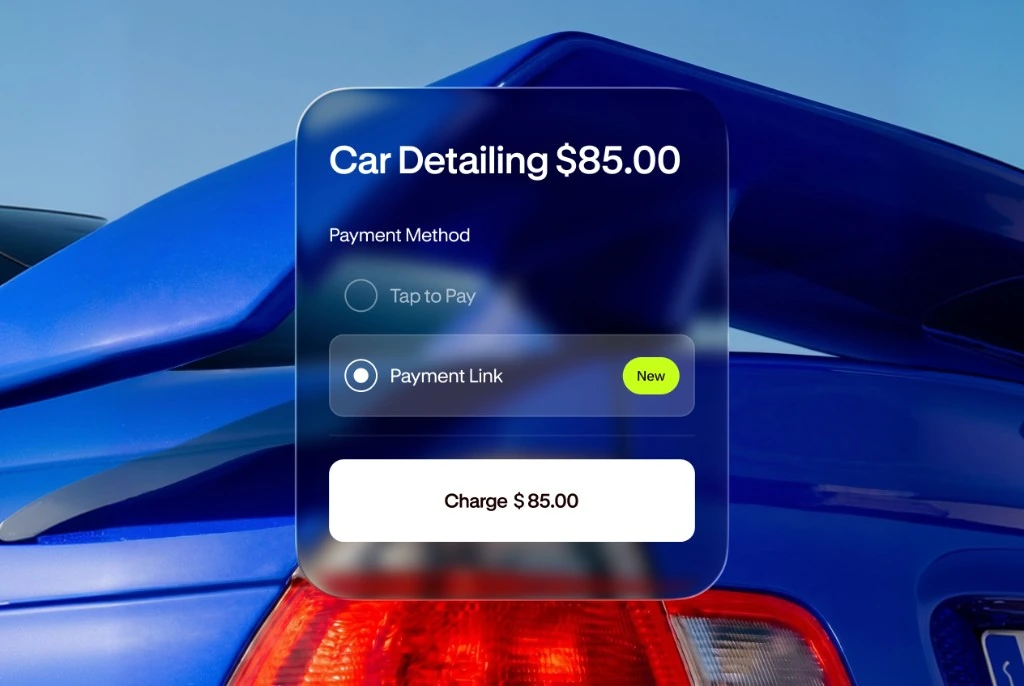
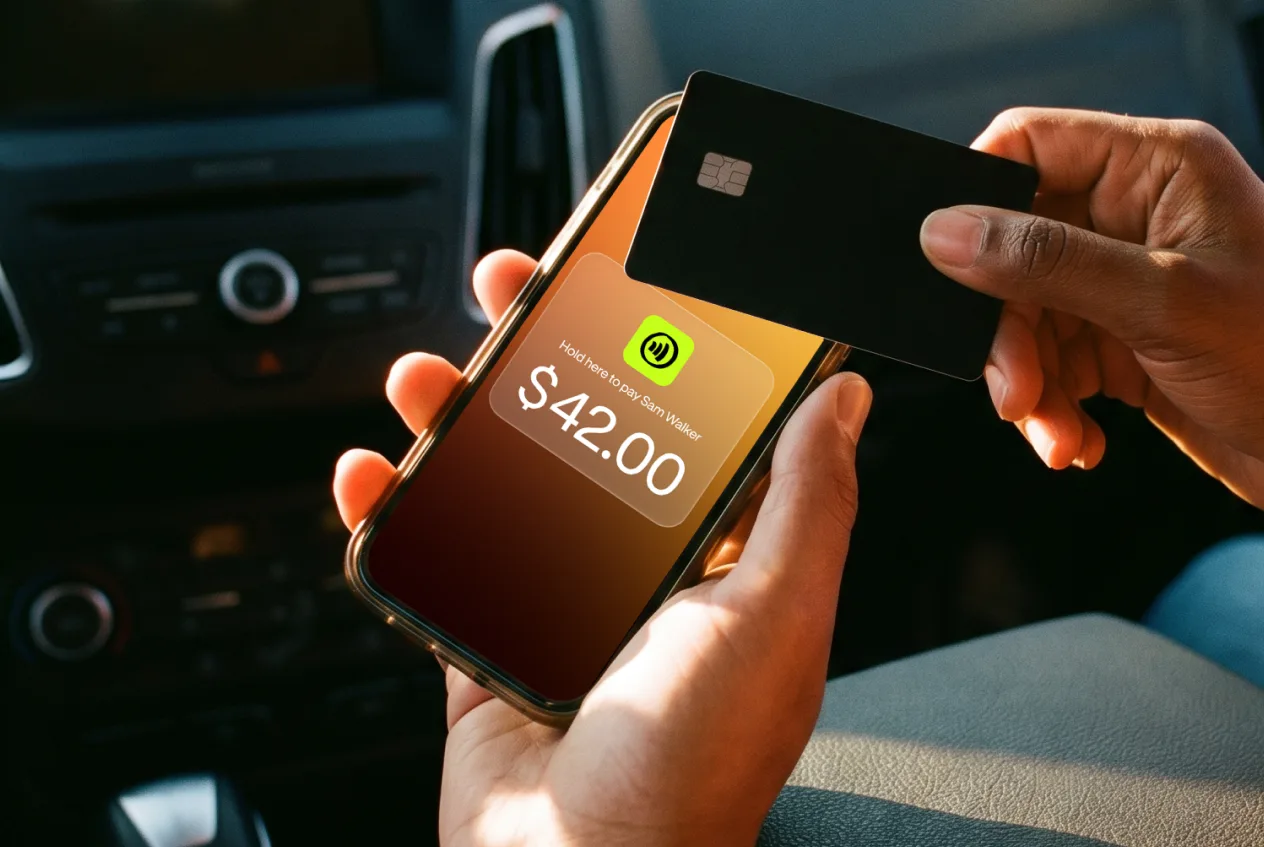
For payments on-site, JIM offers a streamlined solution. You can accept debit, credit, and digital wallets directly on your smartphone. Just tap and you are done. This is perfect for walk-in customers or selling extra art supplies after a class.
While many processors charge upwards of 2.5% per transaction, JIM has a flat 1.99% rate with no hidden costs or extra hardware. Your money is available on your JIM card instantly, with no wait for bank transfers.
Getting started is simple.
- Get Started: Download the JIM app for iOS.
- Make a Sale: Type the sales amount, hit sell, and ask your customer to tap their card or device on your phone.
- Access Funds: Your money is available right on your JIM card as soon as the sale is done - no waiting for bank transfers.
Here are 3 immediate steps to take:
- Define your deposit and final payment terms for private events.
- Compare the transaction fees of two online booking systems.
- Download the JIM app to explore its features on your phone.
Step 6: Secure funding and manage your finances
You might want to explore an SBA Microloan. These government-backed loans go up to $50,000, which aligns well with startup costs. Lenders typically look for a credit score above 650 and a solid business plan. Interest rates often range from 8% to 13%.
A business line of credit is another flexible option. It works like a credit card, so you only pay interest on what you use. This is helpful for managing cash flow and purchasing art supplies as needed without taking a large lump-sum loan.
Manage your working capital
Many new owners find they need more cash on hand than expected. Plan to have at least six months of operating expenses saved. This working capital, typically $25,000 to $40,000, covers rent, utilities, and payroll before your studio becomes profitable.
Once you secure funding, open a dedicated business bank account immediately. This separates your personal and business finances, which makes bookkeeping and tax filing much simpler. It also presents a more professional image to vendors and lenders.
Here are 3 immediate steps to take:
- Research SBA Microloan lenders in your area.
- Calculate your estimated operating costs for the first six months.
- Open a dedicated business bank account as soon as you are funded.
Step 7: Hire your team and set up operations
Your main hire is the Art Instructor, who leads classes. Expect to pay $25 to $50 per hour for someone with an engaging personality. You will also need a Studio Assistant to help with setup and serve drinks, typically earning $15 to $20 per hour plus tips.
A frequent mistake is hiring a skilled artist who cannot teach beginners. During interviews, ask candidates to explain how they would teach a simple shape. This quickly shows their communication style. For staffing levels, plan on one instructor per 20-25 guests.
Get your team certified and scheduled
Since you serve alcohol, your staff will need an alcohol server certification. Programs like TIPS or ServSafe Alcohol are standard and cost around $40 per person. This is a legal requirement in most areas, so confirm with your local ABC board.
To manage shifts, you can use scheduling software. Apps like Homebase or When I Work offer free plans for small teams. They let you build schedules, communicate with staff, and track hours from your phone, which simplifies payroll.
Here are 3 immediate steps to take:
- Draft job descriptions for an Art Instructor and Studio Assistant.
- Check your state's requirements for alcohol server certifications.
- Compare the free plans of two employee scheduling apps like Homebase and When I Work.
Step 8: Market your business and acquire customers
Focus your marketing on visual platforms like Instagram and Facebook. Post high-quality photos of finished paintings and happy customers. Use video reels to capture the fun, social atmosphere of your classes and showcase the final products.
A mistake some new owners make is inconsistent posting. You might want to plan a content calendar to stay active. For example, feature a "Painting of the Week" or run a contest where followers vote on the next class theme.
Use paid ads and local partnerships
When you run Facebook ads, target users with interests like "wine tasting" or "date night ideas". Aim for a customer acquisition cost (CAC) under $25 per booking. Track this metric to ensure your ad spend is profitable.
You can also partner with local businesses. Offer a "dinner and painting" package with a nearby restaurant or host a pop-up event at a winery. These collaborations introduce you to an established customer base for a low cost.
Drive local discovery
Many customers will find you through local search, so claim your Google Business Profile and fill it out completely. Encourage happy customers to leave reviews, as this boosts your visibility on Google Maps and builds trust with potential guests.
Here are 3 immediate steps to take:
- Create a content calendar for one week of social media posts.
- Claim and fully populate your Google Business Profile.
- Draft an outreach email to three local businesses about a partnership.
Step 9: Price your classes for profit
Most studios charge between $35 and $55 per person for a standard two-hour public class. For private parties, you might set a flat rate for the first 10 guests, like $450, and then charge per additional person. This model protects your revenue.
A mistake many new owners make is to copy a competitor's price without first calculating their own costs. Your price must cover supplies, instructor pay, rent, and other overhead. Aim for a profit margin of 20% to 40% on each ticket sold.
Analyze your competition
Look at what other local studios charge. Use their websites and booking pages to see prices for different class types. Note what is included, such as the canvas size or a complimentary drink. This helps you position your offerings competitively without just matching a price.
You can offer tiered pricing to attract different customers. For example, a standard class might be $45, while a premium "date night" package with higher-quality wine could be $65. This allows you to capture more revenue from customers willing to pay for an upgraded experience.
Here are 3 immediate steps to take:
- Calculate your total cost per painter for a standard class.
- Research the pricing and packages of three local competitors.
- Set the price for your standard public class and your private party minimum.
Step 10: Control quality and scale your operations
To maintain quality, you can track your customer rebooking rate. A rate of 15% or higher suggests you are delivering a great experience. Also, monitor online reviews and aim for an average rating of 4.5 stars or more on platforms like Yelp and Google.
Know when to grow
Growth decisions should be data-driven. A sign you are ready for another instructor is when your classes are consistently over 80% full for two consecutive months. This shows sustained demand beyond just a few popular nights.
Some owners make the mistake of expanding too soon. Before you lease a second location, you should aim for at least 18 months of consistent profitability. This ensures you have the cash flow to support the expansion without risking your original studio.
As you grow, booking software like FareHarbor or Acuity Scheduling can manage multiple calendars and staff schedules. These systems prevent double-bookings and simplify payroll as you add more instructors and classes to your roster.
Here are 3 immediate steps to take:
- Calculate your customer rebooking rate over the last 30 days.
- Review your class attendance records to see if you are hitting 80% capacity.
- Explore the features of a booking system like FareHarbor or Acuity Scheduling.
You now have the roadmap for your paint and sip venture. The most important part is not just the art, but the atmosphere. If you create a space where people feel welcome and have fun, success will follow. Now, it is time to bring your vision to life.
And when it comes to getting paid, keep it simple. JIM lets you accept card payments right on your smartphone, with no extra hardware and a flat 1.99% fee. This makes on-site sales easy from day one. Download JIM and you are ready to go.