How to start a party bus business
See article summary
- Startup costs range from $25,000 to $100,000 or more, with the bus and conversion as the largest expenses.
- Federal law requires a USDOT number, a CDL driver, and $1.5M to $5M in liability insurance.
- Form an LLC to protect personal assets; state filing fees run from about $35 to $500.
- Target a 25 to 40% net profit margin and keep customer acquisition under 20% of revenue.
- Collect a 50% deposit and the final balance 7 to 14 days before each event.
Starting a party bus business turns hospitality and event planning into a revenue stream driven by steady demand for bachelor parties, proms, corporate outings, and wine tours. Startup costs range from $25,000 to $100,000 or more, and the legal bar is high: federal insurance minimums, a USDOT number, and a Commercial Driver's License are all required before your first paid trip. This guide covers the exact sequence to launch legally and profitably in the United States.
How much does it cost to start a party bus business?
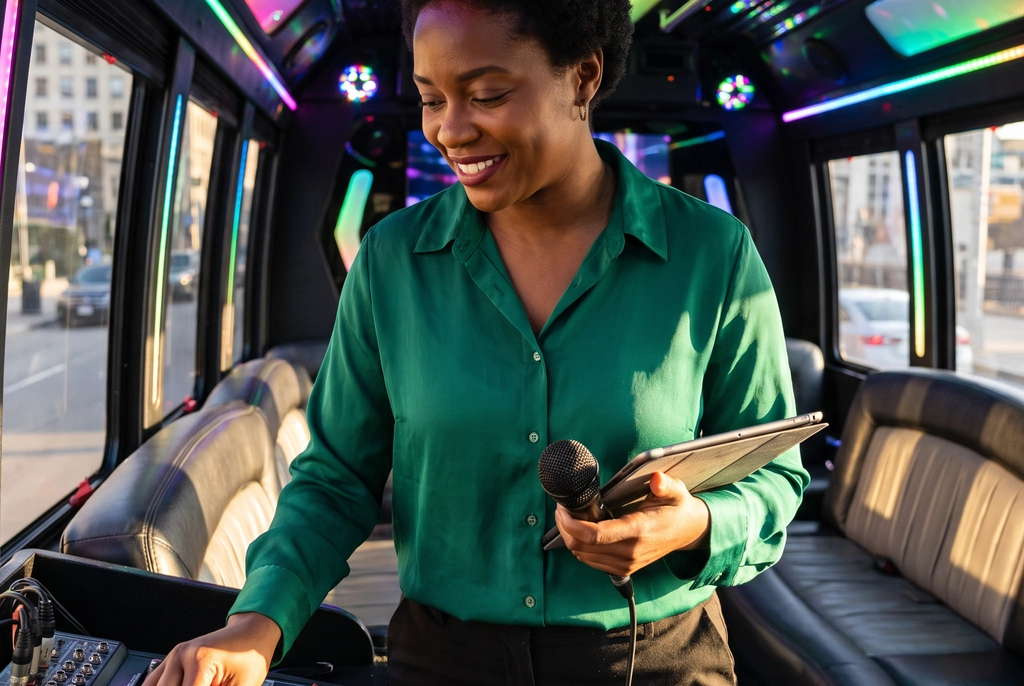
Total startup investment runs $25,000 to $100,000 or more, with the vehicle and its conversion as the two largest line items. Your largest expense is the bus. A used school bus might cost $5,000 to $15,000, while a more modern shuttle bus can run from $20,000 to $50,000. Bus conversion is the next major cost, typically between $10,000 and $40,000, covering custom seating, a sound system, lighting, and bar installation.
For a concrete example, consider an illustrative scenario: an operator in Austin buys a 2016 Freightliner shuttle for $32,000 and spends $18,000 on conversion, landing at $50,000 before insurance, permits, and marketing. That figure is an example, not a quote; actual prices depend on vehicle condition, local labor rates, and your buildout scope.
Beyond the bus, set aside $5,000 to $10,000 for an insurance down payment, $500 to $2,000 for licenses and permits, and at least $1,000 for initial marketing. The cheapest bus on the lot often costs more in the long run: a $6,000 purchase can trigger a $11,000 engine rebuild within four months when the powertrain has not been inspected. A pre-purchase inspection from a certified diesel mechanic, which costs $300 to $500, catches these issues before you buy.
Here are 4 immediate steps to take:
- Research three local competitors to map their services and prices.
- Draft a preliminary budget with low and high estimates for your bus and conversion.
- Identify two target customer groups, like bachelor parties or winery tour groups.
- Contact a commercial insurance agent to get a ballpark quote for liability coverage.
How do you validate demand for a party bus business?
Demand validation comes down to local research before you spend on a vehicle. Contact wedding planners and corporate event coordinators to see what they look for in a transport partner. Check event calendars for nearby concert venues and universities to identify potential customer groups and peak seasons in your area.
Analyze your direct competitors with the same rigor. Use Google searches, Yelp, and wedding-focused sites like The Knot to find other party bus operators. Note their fleet size, package prices, and customer reviews. This helps you find a market gap, like offering a unique theme or a different pricing structure, rather than competing on price alone.
What licenses and permits does a party bus business need?
A party bus business needs an LLC, a USDOT number, a CDL-licensed driver, and local business and alcohol permits. Form a Limited Liability Company (LLC) to protect your personal assets if the business faces debt or lawsuits. Filing costs range from about $35 to $500 depending on your state; for example, Delaware charges $90, California charges $70, and Texas charges $300. Source: U.S. state Secretary of State offices. As you grow, you can elect for your LLC to be taxed as an S-Corp for potential tax savings.
With your business entity ready, you need to deal with federal and state regulators. The main agency is the Federal Motor Carrier Safety Administration (FMCSA). Companies that operate commercial vehicles transporting passengers in interstate commerce must be registered with the FMCSA and must have a USDOT number; many states require one even for in-state travel. You can begin the process through the FMCSA registration portal.
State and local requirements
Your driver must have a Commercial Driver's License (CDL) with a Passenger (P) endorsement. Assuming a standard license is sufficient leads to fines and shutdowns. Research your state's specific Department of Transportation (DOT) requirements for commercial passenger carriers.
Navigating local permits, especially for alcohol, requires careful planning. Contact your city or county clerk to understand the rules for a business license and any "bring your own beverage" (BYOB) or liquor-serving permits. These can take months to secure and vary widely in cost.
Party bus regulations by state
State rules vary widely, and operators should check their own state's public utility or transportation authority before launch. Common examples: California regulates passenger carriers through its Public Utilities Commission, Texas through the Department of Licensing and Regulation, and New York through its Department of Transportation. Each state sets its own authority application, fee, and insurance filing requirements, so verify the current rules on your state's official portal.
What insurance does a party bus business need?
Insurance is likely your largest operational expense, and federal law sets the floor. Federal regulations require at least $1.5 million in coverage for vehicles that seat up to 15 passengers, and $5 million for vehicles that seat 16 or more, under 49 CFR Part 387. Annual premiums often fall between $15,000 and $30,000.
In addition to auto coverage, you will need a general liability policy of at least $1 million. This covers non-vehicle incidents, such as a guest who slips and falls while boarding. If you hire drivers or hosts, you must also carry workers' compensation insurance.
Address alcohol-related risks
Many new owners assume a "bring your own beverage" policy removes their liability, but that is a risky assumption. Secure liquor liability insurance. This protects your business if an intoxicated passenger causes damage or injury. This coverage typically adds $1,000 to $3,000 to your annual premium.
With these coverages in mind, approach insurers who specialize in passenger transport. General agents may not find the best rates. Instead, contact specialists like Lancer Insurance, National Indemnity Company (NICO), or BusRates for quotes tailored to your business. Compare at least two specialty quotes against a general agent's offer, and confirm each carrier can file the required FMCSA proof of insurance (Form E) before you operate.
Here are 3 immediate steps to take:
- Request quotes for a commercial auto policy that meets the $5 million FMCSA requirement.
- Ask potential insurers about their specific liquor liability coverage options for a BYOB model.
- Contact an industry specialist like Lancer Insurance to compare their package with a general agent's quote.
Where do you park and buy a party bus?
You need a secure place to park your bus, and you need the right vehicle. Look for lots in commercial or industrial zones, which typically permit large vehicles. Aim for a space that offers at least 500 square feet per bus, with 24/7 access and security features like fencing and lighting.
When you find a spot, negotiate a 1 to 2 year lease to start. This gives you flexibility. Make sure your lease agreement clearly states rules for light maintenance work on the property, so you avoid future disputes with the landlord.
Acquire and outfit your vehicle
Use your budget to guide your search on sites like BusTrader.com. Popular starter models include the Ford E-450 shuttle or a used Freightliner. They offer a good balance of size and reliability.
Always pay for a pre-purchase inspection from a certified diesel mechanic, which costs around $300 to $500. This small investment can save you from a $10,000 engine repair later. Once you own the bus, it is time for the conversion. You can find specialists who handle seating, sound systems, and lighting. Some dealers even offer conversion packages, which can streamline the process from purchase to party-ready.
Here are 3 immediate steps to take:
- Search commercial real estate sites like LoopNet for zoned parking lots in your area.
- Get a quote for a pre-purchase inspection from a local diesel mechanic.
- Compare prices for used Ford E-450 and Freightliner models on BusTrader.com.
How do you set up payments for a party bus business?
Require a 50% non-refundable deposit to secure a booking, then collect the final balance 7 to 14 days before the event. This protects you from last-minute cancellations and ensures you get paid for holding the date.
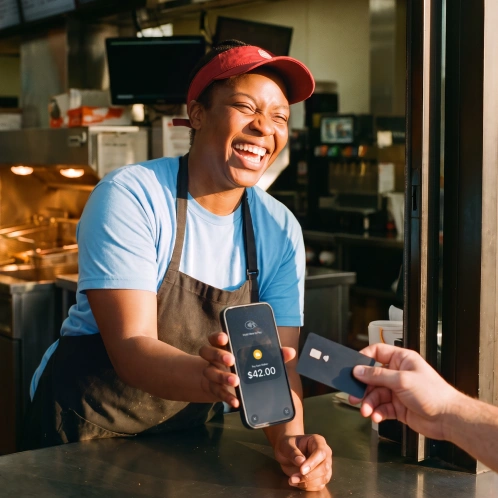
When you choose a payment processor, pay close attention to transaction fees. Many new owners get stuck with rates that reach 2.5% to 3.5% plus other charges, and those percentages compound across every booking. For a party bus operator who collects deposits and final balances on the go, a flat-rate mobile solution keeps more of each sale. Contactless payment options like Tap to Pay let you accept debit, credit, and digital wallets directly through your smartphone, with no separate card reader to buy or carry.
Compare any processor's effective rate, including monthly fees and hardware costs, before you commit. A credit card processing guide for small businesses breaks down how those fees add up, so you can calculate your real cost per booking instead of relying on the advertised rate.
Here are 3 immediate steps to take:
- Draft your payment policy, including the deposit amount and final payment deadline.
- Compare at least two processors on effective rate, monthly fees, and hardware cost.
- Test a mobile payment app to see how it handles a deposit and a final balance.
How do you fund a party bus business?
For the bus itself, equipment financing is often your best bet. Lenders like Crest Capital or Balboa Capital understand vehicle assets. You can also explore an SBA 7(a) loan, which can cover the bus and working capital. The SBA does not set a hard credit minimum; individual lenders set their own credit and eligibility thresholds, though most approved borrowers have strong credit.
Estimate your working capital
Many new owners focus on the bus purchase and forget the cash needed to operate before revenue is steady. You should have at least three to six months of operating expenses saved. This fund, your working capital, will likely be between $20,000 and $40,000 to cover insurance, fuel, and marketing.
From day one, track every dollar. Use accounting software like Wave (which is free) or QuickBooks Self-Employed to separate business and personal spending. This makes tax time simpler and gives you a clear view of your profitability as you start to book clients.
Here are 3 immediate steps to take:
- Contact a lender that offers equipment financing to ask about pre-approval requirements.
- Calculate your estimated operating costs for the first six months to find your working capital target.
- Set up an account with an accounting platform like Wave to prepare for tracking your finances.
How do you hire and run party bus operations?
Your first hire should be a professional driver with a Commercial Driver's License (CDL) and a Passenger (P) endorsement. Expect to pay $25 to $40 per hour plus tips. A clean driving record and experience with large vehicles are non-negotiable. Hiring friends without the right credentials can void your insurance.
You might also want to hire a party host for $15 to $25 per hour. This person manages the music, serves drinks, and handles cleanup, which lets the driver focus on the road. If you serve alcohol, have your host get an alcohol server certification like TIPS.
Streamline your daily operations
To avoid double-bookings and missed appointments, use reservation software. Platforms like Moovs or Limo Anywhere help you manage your calendar, dispatch drivers, and process payments in one place. This organization is key as your bookings increase.
Labor will be a major operating cost. For a typical four-hour, $800 booking, your driver and host might cost you around $200. This means your labor costs could account for roughly 25% of your revenue, so you should factor that into your pricing.
Here are 4 immediate steps to take:
- Draft job descriptions for a driver with a CDL and an optional party host.
- Research state-approved alcohol server training programs like TIPS.
- Sign up for a free trial of a scheduling software like Moovs to test its features.
- Create a list of at least two qualified, on-call drivers to act as backups.
How do you market a party bus business?
Build your online presence
Your customers book with their eyes first. Invest $500 to $1,000 in professional photos and a video tour of your bus interior. These visuals are your most powerful sales assets. Use them to build a simple website and create profiles on Instagram, Facebook, and TikTok.
List your business on key review platforms. Get set up on Yelp, Google Business Profile, and wedding-focused sites like The Knot and WeddingWire. Encourage your first few happy customers to leave reviews, as social proof is a major driver for bookings in this industry.
Create targeted partnerships and ads
Do not try to find customers all on your own. Reach out to local wedding planners, wineries, and corporate event coordinators. You can offer them a 10 to 15% commission for each successful referral. This creates a network of people selling your service for you.
Many new owners spread their marketing budget too thin. Instead, focus your efforts. Run targeted ads on Facebook and Instagram with a starting budget of $20 to $30 per day. Target users by location, age, and interests like "bachelor parties" to get your bus in front of the right audience.
Your goal should be to keep your customer acquisition cost below 20% of the booking value. If you spend $150 on ads to secure an $800 party, you are on the right track. Track this metric closely to ensure your marketing spend is profitable.
Here are 4 immediate steps to take:
- Get professional photos and a 60-second video tour of your bus.
- Create a list of 5 local wedding planners to contact for partnerships.
- Set up your business profiles on Yelp and The Knot.
- Outline a $500 monthly budget for your first social media ad campaign.
Is a party bus business profitable?
Yes, a party bus business can be profitable, with operators commonly targeting a 25 to 40% net profit margin after all expenses. Most services charge by the hour, typically between $150 and $250, with a three or four-hour minimum. You might also offer packages for common outings like proms or wine tours, which simplify booking for customers and secure longer trips.
For example, a six-hour wedding package could be priced at $1,200 and include basic decorations. This approach provides clear value to the customer and locks in a full day of revenue for your business.
Party bus unit economics per booking
The table below breaks down the economics of a single four-hour booking. The figures are illustrative examples to show how margin stacks up; your actual numbers will vary with local rates and operating costs.
| Line item | Example amount | Notes |
|---|---|---|
| Booking revenue (4 hours) | $800 | $200 per hour |
| Driver and host labor | $200 | Roughly 25% of revenue |
| Fuel (including deadhead miles) | $50 | Unpaid travel to first pickup |
| Insurance (amortized per trip) | $120 | Annual premium split across bookings |
| Marketing (acquisition cost) | $150 | Target under 20% of booking value |
| Gross profit per booking | $280 | 35% margin before fixed overhead |
Calculate your profit margin
Aim for an overall profit margin of 25 to 40% after all expenses. For a single $800 four-hour booking, your direct costs for a driver and host might be $200, with another $50 for fuel. This leaves a healthy gross profit before you pay for insurance or marketing.
Many new owners forget to account for "deadhead" miles, the unpaid travel to the first pickup. Build this cost into your hourly rate or add a travel surcharge for clients outside your primary service area to protect your margin.
Here are 4 immediate steps to take:
- Call three local competitors to get quotes for a standard 4-hour rental.
- Create two package deals, one for weddings and one for winery tours.
- Calculate your direct cost per hour, including the driver, fuel, and any host pay.
- Draft a pricing sheet with your hourly rates, minimums, and package details.
How do you maintain quality and scale a party bus business?
Your reputation depends on consistency. Create a detailed post-trip checklist for your driver covering cleanliness, A/V system functionality, and supply restocks. This ensures every customer gets the same high-quality experience. Track customer feedback through post-trip surveys or online reviews.
Decide when to grow
It is easy to get excited and buy a second bus too soon. A solid benchmark is to wait until your first bus is booked for 60 to 70% of weekend nights for three straight months. This shows sustained demand that can support another vehicle and its associated costs.
Once you consistently handle 10 to 15 bookings per month, you might want to hire a part-time virtual assistant. They can manage inquiries and scheduling, which frees you up to focus on growth. With a second bus, software like Moovs or Limo Anywhere becomes vital for managing complex logistics.
2026 trends to watch
Three trends are reshaping party bus fleets in 2026. Electric and hybrid bus conversions are lowering fuel costs and appealing to corporate clients with sustainability mandates. ADA accessibility is a legal and market requirement: under ADA regulations for over-the-road buses, operators must provide accessible service to passengers with disabilities, typically with 48 hours advance notice. A premium "sprinter limo" tier, built on Mercedes Sprinter vans, captures the upscale market at higher per-hour rates. An operator adding one accessible or sprinter vehicle can differentiate from competitors who only run standard shuttles.
Here are 3 immediate steps to take:
- Create a post-trip inspection checklist covering at least 10 points of quality control.
- Set up an automated email to go out 24 hours after a trip, asking for a review.
- Track your weekend booking percentage for the next three months to find your growth trigger.
Your party bus is more than a vehicle; it is a venue on wheels. The experience you create is what earns referrals. When you start booking clients, getting paid should be simple: in-person payment options for your business like Tap to Pay let you accept cards on your smartphone with no extra hardware, so you can collect deposits and balances wherever the pickup happens.
Frequently Asked Questions
Do you need a CDL to drive a party bus?
Is a party bus business profitable?
Do you need a liquor license for a party bus?
How much insurance is required for a party bus?
How much does a party bus cost to start?


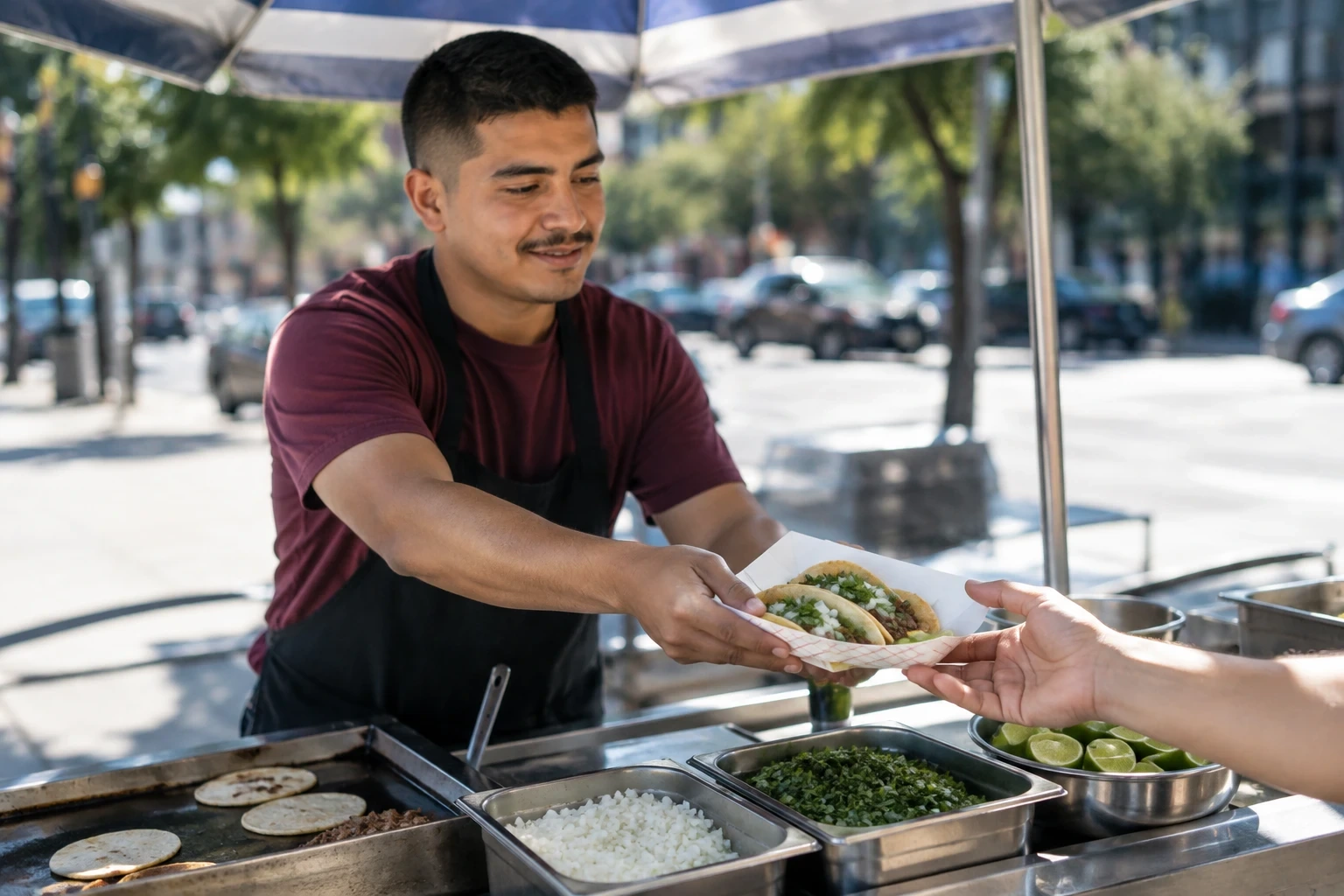

Sell and get paid in seconds with Jim