Starting a personal chef business is an exciting venture that blends culinary skill with business acumen. The industry is surprisingly large, with a market size in the billions, driven by steady demand from busy professionals, families, and clients with specific dietary needs.
This guide will take you through the practical steps of validating your business concept, obtaining necessary licenses and permits, and acquiring equipment to help you launch a successful personal chef business in the U.S.
Step 1: Plan and validate your business idea
Before you buy a single pan, you need to confirm people will pay for your cooking. Start by defining your ideal client. Are they busy families who want healthy weeknight meals or couples who desire romantic private dinners? This focus will guide your research.
Gauge interest by posting polls in local Facebook or Nextdoor groups. You can also connect with nutritionists and personal trainers. They often have clients who need specialized meal plans and can be great referral sources.
Analyze your local competition
Use platforms like Thumbtack and Yelp to find other personal chefs in your area. Look at their websites and social media. Note their services, pricing structures, and what clients say in reviews. This research helps you find your unique space in the market.
A frequent misstep is to compete on price alone. Instead of just trying to be the cheapest, price your services based on the value you provide. If you specialize in complex dietary needs like gluten-free or vegan cooking, your expertise warrants a higher rate.
Estimate your startup costs
Your initial investment can be modest. Most personal chefs start with costs between $1,200 and $4,200. Budgeting for these items upfront prevents surprises. Here’s a typical breakdown to get you started:
- Business registration and permits: $100 - $500
- Liability insurance: $400 - $700 annually
- Quality cookware and transport containers: $500 - $2,000
- Basic website and business cards: $200 - $1,000
Here are 3 immediate steps to take.
- Survey 20-30 people in a local community group about their interest in personal chef services.
- Create a spreadsheet comparing the pricing and services of three local competitors found on Yelp or Thumbtack.
- Draft a preliminary budget listing your expected startup costs for equipment, licensing, and marketing.
Step 2: Establish your legal and licensing foundation
Most personal chefs choose a Limited Liability Company (LLC). This structure protects your personal assets if the business is sued. It costs between $50 and $500 to file with your state, depending on where you live. It also provides pass-through taxation, which simplifies your tax filings.
Secure your permits and certifications
First, get a free Employer Identification Number (EIN) from the IRS website. You need this to open a business bank account. Next, check with your city or county clerk for a general business license, which typically costs $50 to $150 per year.
You must also get a food handler certification. The most recognized is ServSafe, which costs about $15 and can be completed online in a few hours. A key point to verify is your local health department's stance on using a home kitchen. Some jurisdictions require cooking in a licensed commercial kitchen.
Here are 4 immediate steps to take.
- Decide on your business structure and visit your Secretary of State website to begin the LLC filing process.
- Apply for a free Employer Identification Number (EIN) directly from the IRS.
- Enroll in an online ServSafe Food Handler certification course.
- Call your local health department to ask about regulations for personal chefs who cook in client homes versus their own.
Step 3: Secure your business insurance
General liability insurance is your first line of defense. It protects you from claims of property damage or injury. A typical policy with $1 million in coverage runs between $400 and $700 annually, a manageable cost for peace of mind.
You might also consider professional liability insurance. This covers you if a client claims your advice, like a meal plan, caused them harm. Many personal chefs overlook this, but it protects your expertise and is separate from general liability.
If you use your car for work, a commercial auto policy is a smart move. A personal auto policy often denies claims that happen during business use. This could leave you with a major bill after an accident while transporting groceries or equipment.
You can get quotes from companies that focus on food businesses. They understand your specific risks, from allergic reactions to kitchen fires. Consider these providers:
- Food Liability Insurance Program (FLIP)
- Next Insurance
- Hiscox
Here are 3 immediate steps to take.
- Request a general liability insurance quote from a provider like FLIP.
- Ask an agent about adding professional liability coverage to your policy.
- Review your current auto insurance to confirm it covers business-related driving.
Step 4: Equip your mobile kitchen
Your primary "location" will be your client's home, which bypasses most commercial zoning laws. The key is your local health department's rules on food preparation, which you should have already confirmed. Some jurisdictions may require you to use a licensed commercial kitchen.
Assemble your core equipment
You need a reliable, portable kit. Many new chefs make the mistake of buying consumer-grade items that wear out quickly. Instead, invest in commercial-quality equipment from the start. It is built for heavy use and transport.
Here are some typical costs for durable gear:
- High-quality chef’s knife and paring knife: $100 - $300
- Portable induction cooktop: $70 - $200
- Durable cookware set (pots, pans): $200 - $500
- Insulated food transport carriers: $150 - $400 per unit
You can find these items at restaurant supply outlets like WebstaurantStore or a local provider. They offer better durability and prices than standard retail stores. Minimum orders are rarely an issue for this type of equipment.
Use a commercial kitchen
If you must cook outside a client's home, rent space in a shared-use or commissary kitchen. Rates typically run from $25 to $50 per hour. When you review rental agreements, ask about discounts for off-peak hours to manage your costs.
Also, confirm if the rental fee includes access to large appliances, cold storage, and cleaning supplies. This clarification helps you avoid surprise charges and budget accurately for your cook days.
Here are 4 immediate steps to take.
- Create a shopping list for your portable kitchen kit with a target budget.
- Compare the price of a chef's knife at a restaurant supply store versus a department store.
- Research two local commissary kitchens and ask about their hourly rates and availability.
- Request a copy of a kitchen's rental agreement to review its terms for storage and included supplies.
Step 5: Set up your payment and pricing structure
Many new chefs make the mistake of not collecting a deposit. Always require 50% upfront to cover groceries and secure the booking. The remaining balance should be due on the day of service. This protects your time and initial investment.
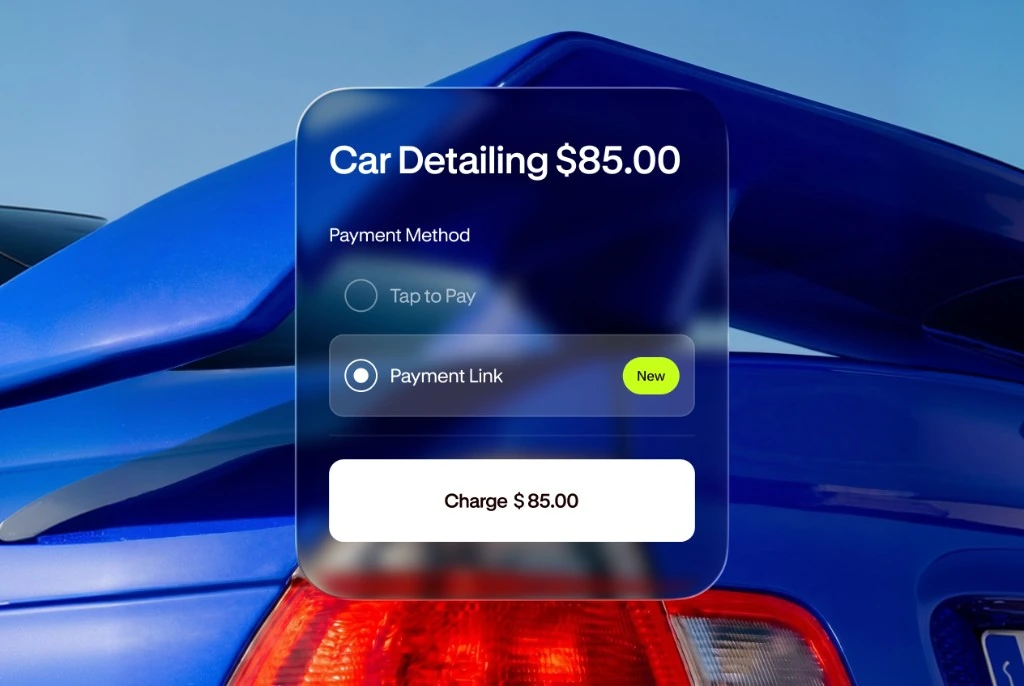
Offer clients multiple ways to pay, like credit cards or digital wallets. When you look for a payment solution, focus on low transaction fees and quick access to your money. You want a system that works as hard as you do.
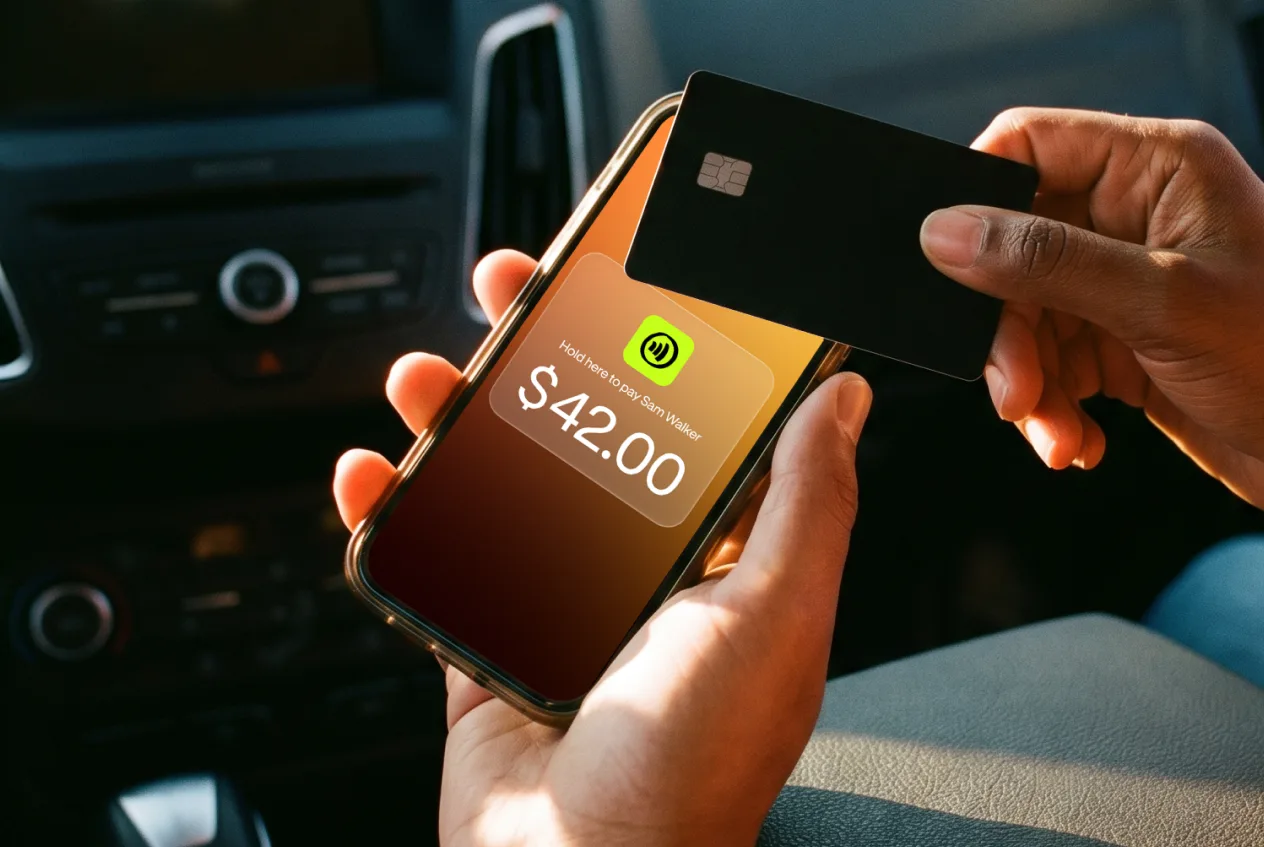
For personal chefs who need to accept payments on-site, JIM offers a streamlined solution. With JIM, you can accept debit, credit, and digital wallets directly through your smartphone. Just tap and it is done.
At just 1.99% per transaction with no hidden costs or extra hardware needed, it is particularly useful for collecting final payment in a client's kitchen. Other payment solution providers often charge between 2.5% and 3.5% plus monthly fees.
- Get Started: Download the JIM app for iOS.
- Make a Sale: Type the sales amount, hit sell, and ask your customer to tap their card or device on your phone.
- Access Funds: Your money is available right on your JIM card as soon as the sale is done - no waiting for bank transfers.
Here are 3 immediate steps to take.
- Draft your payment policy, including a 50% deposit requirement.
- Compare JIM's 1.99% transaction fee against two other mobile payment processors.
- Download the JIM app to see how it works for on-the-go payments.
Step 6: Fund your business and manage your finances
Plan for about $3,000 to $6,000 in working capital for your first six months. This buffer covers groceries, marketing, and other costs before you have steady client income. It is a key part of your financial safety net.
Find your startup capital
Most chefs self-fund with personal savings. If you need outside capital, an SBA Microloan is a solid choice. These loans range from $500 to $50,000 with interest rates typically between 8% and 13%. They are designed for new, small businesses.
You might also explore grants. The Amber Grant for Women is a popular option. Also, check with your local chamber of commerce for small business grants. These are competitive but do not require repayment, which is a huge plus.
Manage your money
Once you secure funding, open a separate business bank account immediately. Many new business owners trip up by mixing personal and business funds, which creates a headache for taxes. A dedicated account keeps your bookkeeping clean from day one.
Here are 4 immediate steps to take.
- Calculate your estimated working capital needs for the first six months.
- Visit the SBA website to review the qualification requirements for a Microloan.
- Search for the Amber Grant and two local business grants you could apply for.
- Contact your bank to open a dedicated business checking account.
Step 7: Build your culinary team
Once you are consistently booked, you might consider hiring help. Your first hire will likely be a part-time Prep Cook. This person can handle time-consuming tasks, freeing you up to take on more clients and grow your revenue.
Define roles and responsibilities
A Prep Cook typically handles chopping, measuring ingredients, washing dishes, and packing meals. Expect to pay between $15 and $25 per hour. Anyone who handles food, including your new hire, must have a food handler certification like ServSafe.
A mistake many new owners make is misclassifying their help. If you control their schedule and tasks, they are likely a W-2 employee, not a 1099 contractor. Check your state's labor laws to ensure you are compliant.
Streamline your operations
As you get busier, client management software like HoneyBook can automate booking and invoicing. For staff, a scheduling app like Homebase simplifies communication and tracks hours. This lets you focus on cooking, not paperwork.
Keep an eye on your labor costs. A good target is to keep your total payroll under 30-35% of your revenue. This benchmark helps you price your services profitably as your team expands.
Here are 4 immediate steps to take.
- Draft a job description for a part-time Prep Cook, including pay range and certification needs.
- Read your state's Department of Labor website on the difference between a contractor and an employee.
- Explore a client management platform like HoneyBook to see how it handles contracts and payments.
- Calculate 30% of your average monthly revenue to set a target labor budget.
Step 8: Market your business and find clients
Build your online presence
Your first clients will likely come from your personal network and local online groups. Use high-quality photos of your food on Instagram and Facebook. Show your process, not just the final dish. This builds trust and shows your expertise.
A simple website is also a must. Use a platform like Squarespace or Wix to create a one-page site. It should list your services, sample menus, and a clear contact form. Aim for a 2-3% conversion rate from visitors to inquiries.
A mistake many new chefs make is posting blurry phone pictures. This hurts your brand. Invest time to learn basic food photography or use natural light to your advantage. Your images are your most powerful sales asset.
Forge local partnerships
Connect with other local wellness professionals. Nutritionists, dietitians, and personal trainers are excellent referral sources. Offer them a commission for each client they send your way, typically around 10% of the first service fee.
You can also run a targeted promotion. For example, post an offer in a local parents' group on Facebook for a "First Week of Meals at 20% Off." This can help you acquire your first few clients for a low customer acquisition cost.
Here are 4 immediate steps to take.
- Take and post five high-quality photos of your best dishes on a new business Instagram account.
- Draft a one-page website outline that includes your services, bio, and contact information.
- Identify and contact one local personal trainer or nutritionist to discuss a referral partnership.
- Create a special introductory offer to post in a local community Facebook group.
Step 9: Create your pricing strategy
Choose your pricing model
The most common approach is the "service fee plus groceries" model. You charge a flat rate for your labor, and the client pays the exact cost of groceries. For example, you might charge a $400 service fee for a week of meals, plus the $175 grocery bill.
Some chefs prefer an all-inclusive price. This simplifies quotes for clients. If you go this route, mark up your estimated grocery cost by 20-30% to cover your shopping time and any price variations. A mistake to avoid is forgetting this buffer.
Calculate your profit margin
Your service fee should cover more than just cooking. Factor in time for menu planning, travel, and cleanup. Many new chefs undervalue this administrative work. Your goal should be a 40-60% profit margin on your service fee after all business expenses are paid.
To set your rate, analyze three local competitors from Yelp. See what they charge for a similar service, like a five-day meal prep. Price your services based on the value you offer, not just to be the cheapest option. Your expertise has value.
Here are 4 immediate steps to take.
- Decide between a "service fee plus groceries" or an "all-inclusive" model for your primary offering.
- Calculate a sample service fee that accounts for cooking, planning, and travel time.
- Research the weekly meal prep pricing of two local competitors.
- Set a target profit margin for your service fee, aiming for at least 40%.
Step 10: Maintain quality and scale your business
To ensure consistent service, create a detailed client preference sheet for every customer. This document should list their dietary restrictions, flavor profiles they enjoy, and any specific feedback. It becomes your personal quality control guide for each cook day.
Track your client retention rate as a key performance metric. A good goal is to keep over 80% of your clients from one month to the next. You can also send a simple feedback survey after the first service to catch any issues early.
Know when to grow
Growth should be a calculated move. When you are consistently booked at 80% of your capacity for a full month, it is time to consider hiring. Another trigger is when administrative tasks like invoicing and menu planning consume over 20% of your workweek.
Some chefs get bogged down by manual processes as they get busier. This is where software helps. Client management platforms like HoneyBook or Dubsado can automate your booking and payments. Recipe apps like Paprika Recipe Manager streamline menu creation and shopping lists.
Here are 4 immediate steps to take.
- Create a client preference sheet template to use for every new customer.
- Draft a short, three-question feedback survey to send after a client's first service.
- Calculate your maximum weekly client capacity to identify your 80% booking threshold.
- Explore a recipe management app like Paprika to see how it can streamline your planning.
You now have a clear path to launch your personal chef business. Remember, your success hinges on the relationships you build with clients. It is the small, personal touches that create loyalty. You have the skills and the plan, so go turn your passion into a profession.
As you get paid for your work, keep your finances simple. A solution like JIM lets you accept payments right on your smartphone with a flat 1.99% fee and no extra hardware. It makes getting paid easy, so you can focus on the food. Download JIM.