Starting a pet photography business is an exciting venture that combines a love for animals and photography skills with smart business savvy. With the pet industry valued in the billions, there is consistent demand for quality photos, from family portraits that include furry members to content for pet-centric brands.
This guide will take you through the practical steps of validating your business idea, acquiring the right equipment, and obtaining necessary licenses to help you launch a successful pet photography business in the U.S.
Step 1: Plan your business and validate your idea
First, research your local market. Visit dog parks or connect with pet-owner groups on Facebook. Ask 20-30 people what they would pay for a pet photo session and what style they prefer, like outdoor action shots or indoor studio portraits.
Next, analyze your competition. Use Google Maps to find local pet photographers and review their websites. Also, search Instagram for hashtags like #[YourCity]PetPhotographer. Note their pricing, packages, and photo style to find a gap you can fill.
Estimate your startup costs
Initial costs can range from $2,000 to $6,000. A solid camera body and a versatile lens, like a 70-200mm, will be your biggest expense, often between $1,500 and $4,000 combined. Many new photographers overspend on gear, so consider a mid-range camera and invest in a quality lens.
Other costs include business registration, like an LLC, which runs $50 to $500 depending on your state. Add about $10 per month for editing software like Adobe Lightroom and a few hundred dollars for a simple website and initial marketing.
- Here are 3 immediate steps to take:
- Survey 20 local pet owners about their interest in photo sessions.
- Analyze the pricing and packages of three local competitors.
- Create a startup budget that lists your expected equipment and business registration costs.
Step 2: Set up your legal structure and get licensed
Forming a Limited Liability Company (LLC) is a smart move. It separates your personal assets from business debts. You can file for an LLC through your state's Secretary of State website for $50 to $500, and it offers pass-through taxation, simplifying your tax returns.
Once your business is registered, get a free Employer Identification Number (EIN) from the IRS website. You will need this number to open a business bank account and file taxes, even if you do not plan to hire employees. The online application takes only a few minutes.
Next, check with your city or county clerk for a general business license. Some locations also require special permits for commercial photography in public parks. These can cost between $50 and $200 annually, so research your local Parks and Recreation department rules before a shoot.
Many photographers overlook business insurance until it is too late. You should consider getting general liability insurance. A policy protects you from claims of injury or property damage and can cost around $300 to $600 per year. It also adds a layer of professionalism.
- Here are 3 immediate steps to take:
- File for an LLC with your state’s Secretary of State.
- Apply for a free EIN on the official IRS website.
- Contact your city clerk and parks department about business license and photography permit requirements.
Step 3: Protect your business with the right insurance
Your first policy should be general liability insurance. This protects you if a pet bites someone or damages client property during a shoot. A typical $1 million policy costs between $300 and $600 annually. It is a foundational safety net for your business.
Next, add equipment insurance to protect your cameras and lenses against theft or damage. This can often be bundled with your liability policy. Coverage for $5,000 worth of gear might add about $150 per year to your premium. A common mistake is to assume homeowners insurance covers business gear, it usually does not.
Also, consider professional liability insurance. This covers you if a client is unhappy with the photos and claims negligence. With this in place, you have protection against disputes over your work. For providers, look at specialists like Full Frame Insurance, Hiscox, or the Professional Photographers of America (PPA).
As your business grows, you might need workers' compensation if you hire an assistant, or commercial auto insurance if you use a vehicle exclusively for work. Plan for these as you expand.
- Here are 3 immediate steps to take:
- Request a quote for a $1 million general liability policy.
- Create an inventory of your gear to determine the needed equipment coverage.
- Compare plans from photographer-focused providers like Hiscox and PPA.
Step 4: Secure a location and get your gear
You can start from home to keep costs low, using local parks for shoots. If you want a dedicated studio, look for a 500-800 square foot space. Check your city’s zoning map for areas that permit businesses with animals on-site.
Finding the right studio space
When you review a commercial lease, pay close attention to the pet policy. Many new business owners forget this step. You might want to propose a "pet addendum" that clearly outlines responsibilities for any potential damages, which can make landlords more agreeable.
Building your photography kit
Beyond your camera, lighting is your next key purchase. A good starter lighting kit with two strobes and softboxes costs between $400 and $800. Also, a simple 5-in-1 reflector for about $30 is great for managing natural light during outdoor sessions.
For backdrops, seamless paper rolls from brands like Savage Universal cost around $60. Stock up on pet-safe props like durable toys and high-value treats. These are not just props but tools to direct the animal’s attention and capture expressive shots.
- Here are 3 immediate steps to take:
- Research commercial zoning laws in your city for pet-friendly business locations.
- Price out a two-strobe lighting kit from a supplier like B&H Photo or Adorama.
- Draft a list of pet-safe props and treats to use during sessions.
Step 5: Set up your payment processing
Require a 50% non-refundable deposit to book a session, with the remaining balance due on the day of the shoot. This approach protects your time and secures your calendar if a client cancels.
When you choose a payment processor, look for low transaction fees and fast fund access. Many photographers are surprised by average commission rates of 2.5% to 3.5% plus monthly fees, which can eat into profits.
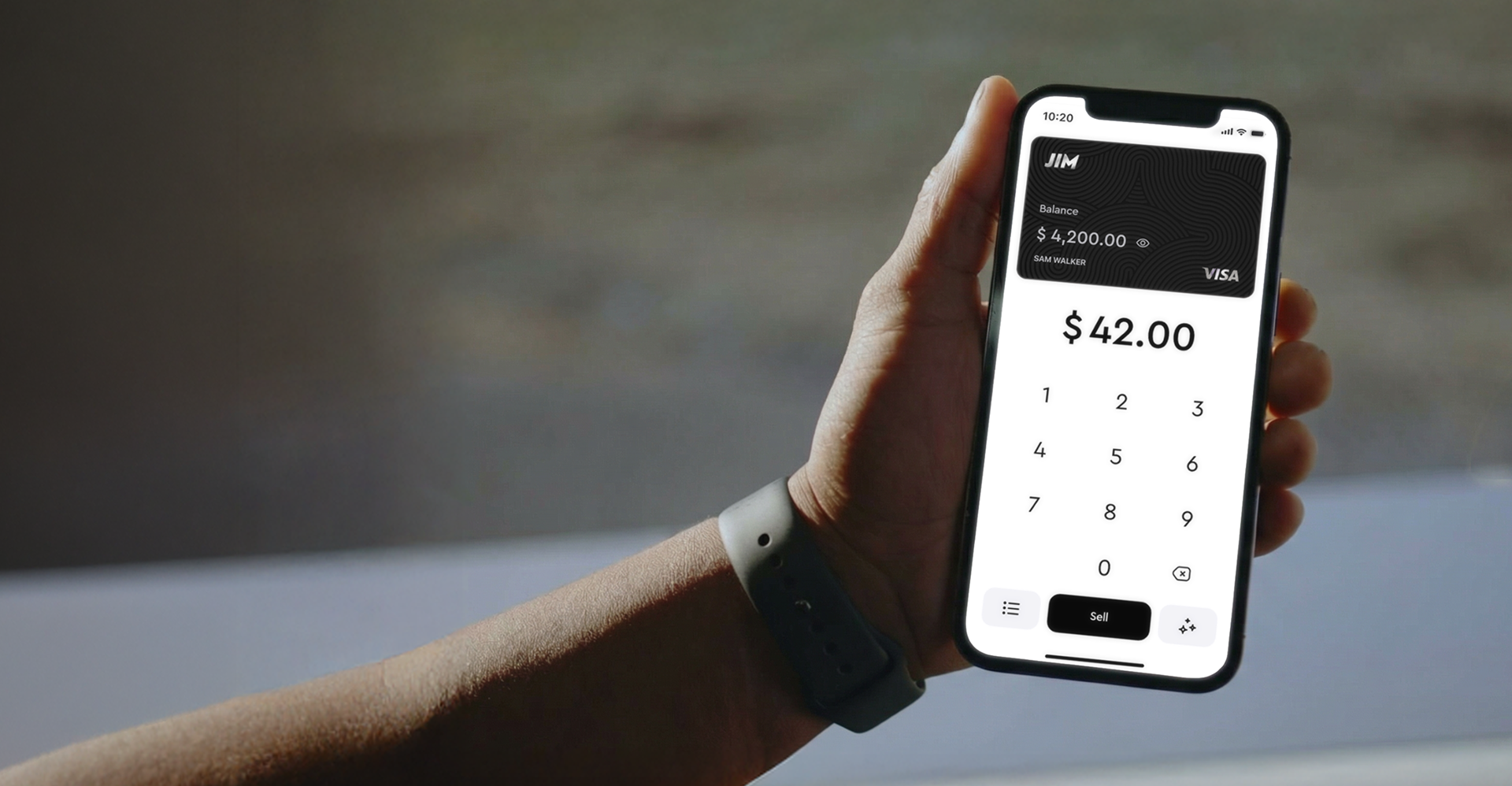
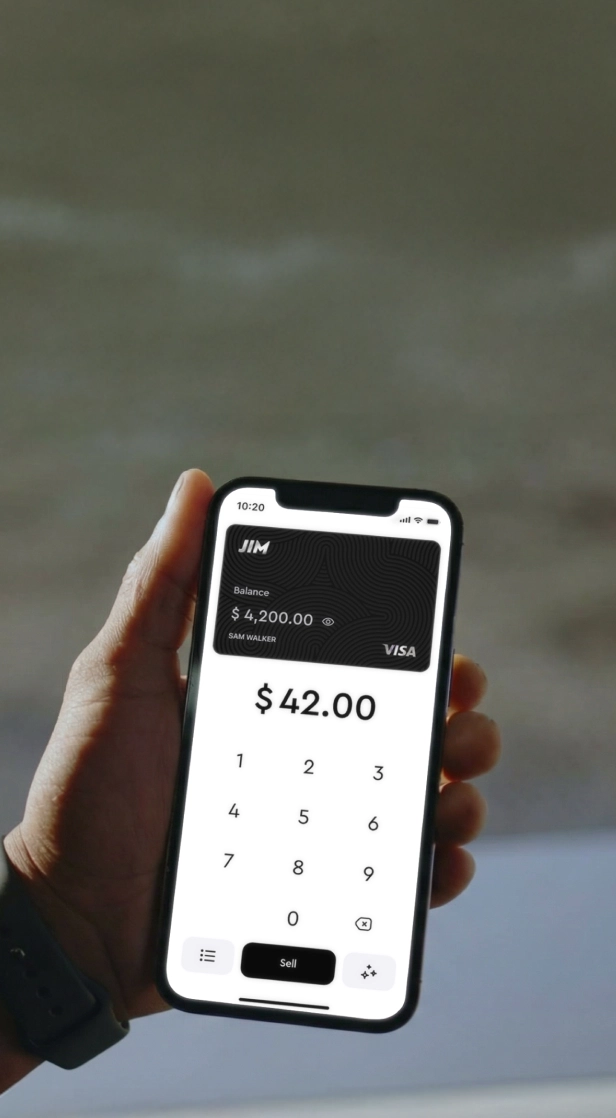
For photographers who need to accept payments on-site or on-the-go, JIM offers a streamlined solution. With JIM, you can accept debit, credit, and digital wallets directly through your smartphone—just tap and done.
At just 1.99% per transaction with no hidden costs or extra hardware needed, it is particularly useful for collecting deposits at client meet-ups. This rate is significantly better than what many other providers offer.
- Get Started: Download the JIM app for iOS.
- Make a Sale: Type the sales amount, hit sell, and ask your customer to tap their card or device on your phone.
- Access Funds: Your money is available right on your JIM card as soon as the sale is done—no waiting for bank transfers.
Here are 3 immediate steps to take:
- Establish your payment terms, including a deposit amount.
- Compare payment processor fees to find a low-cost option.
- Download the JIM app to prepare for mobile payments.
Step 6: Fund your business and manage your finances
Most photographers self-fund their startup costs. If you need a loan, an SBA Microloan is a good option. These range from $500 to $50,000 with interest rates between 8% and 13%. You will likely need a credit score of 620 or higher to qualify.
You should budget for at least six months of working capital, which is typically $3,000 to $5,000. This covers marketing, software, and insurance before your client bookings become regular. Many new owners underestimate this and run out of cash too soon.
Set up your financial systems
Once you have funding, open a separate business checking account. A common mistake is mixing personal and business finances, which creates tax headaches and can put your personal assets at risk if you have an LLC. This simple step keeps your bookkeeping clean from day one.
You might also look into grants. While photography-specific business grants are rare, check with your local arts council or Small Business Development Center (SBDC). They often list local funding opportunities that you could be eligible for.
- Here are 3 immediate steps to take:
- Calculate your working capital needs for the first six months.
- Check your eligibility for an SBA Microloan on the official SBA website.
- Open a dedicated business bank account to keep finances separate.
Step 7: Build your team and streamline operations
In the beginning, you will likely handle all roles yourself. Once you have consistent bookings, consider hiring a part-time Photography Assistant. Their job is to manage pets and equipment, which frees you to focus on shooting. Expect to pay around $15 to $25 per hour.
You do not need an assistant with formal photography training. Many photographers make the mistake of trying to do it all alone and burn out. Instead, find someone with animal handling experience, like a former vet tech or dog walker, to keep sessions running smoothly.
Set up your studio management system
To manage clients and bookings, you can use a studio management platform. Software like HoneyBook, Sprout Studio, or Studio Ninja helps with scheduling, contracts, and invoicing. Plans typically run from $30 to $60 per month and automate much of your administrative work.
As for revenue, a solo pet photographer can generate $50,000 to $75,000 annually. If you bring on a full-time employee, your revenue goal should push past $100,000 to comfortably cover their salary and other costs.
- Here are 3 immediate steps to take:
- Write a job description for a part-time Photography Assistant.
- Sign up for a free trial of a studio management platform like HoneyBook.
- Project your first-year revenue goal based on operating solo.
Step 8: Market your business and get clients
Start by partnering with local businesses. Approach three to five local vet clinics, groomers, or pet supply stores. Offer them a 10% referral fee for each booked client they send your way. This creates a low-cost, effective stream of warm leads from trusted sources.
Your online presence is your digital storefront. Create an Instagram profile and post high-quality images daily using local hashtags like #[YourCity]PetPhotography. Many photographers only show perfect final shots; instead, mix in behind-the-scenes videos to build a more personal connection with potential clients.
Run targeted social media ads
Once you have a small portfolio, run targeted ads on Facebook and Instagram. A starting budget of $10 to $15 per day is plenty. Target users within a 15-mile radius who have shown interest in premium pet food brands or local dog parks.
A common misstep is to target too broadly, which wastes money. You should narrow your audience to specific demographics, like women aged 25-45, to keep your customer acquisition cost (CAC) under $75 per client. This focused approach ensures your marketing dollars work harder.
- Here are 3 immediate steps to take:
- Draft a referral offer to send to three local pet businesses.
- Schedule your first week of Instagram posts using local hashtags.
- Outline a Facebook ad campaign targeting a specific local demographic.
Step 9: Set your pricing and packages
Your pricing strategy directly shapes your profitability. Most pet photographers use one of two models: a session fee plus à la carte products, or all-inclusive packages. Choose the one that best fits your business goals and target client.
Choose your pricing model
The session fee model separates your time from your products. You might charge a non-refundable fee of $150 to $300 that covers the photoshoot itself. Many new photographers undervalue this fee; it should cover your time, travel, and talent, not just be a booking deposit.
After the session, clients purchase prints, albums, or digital files from a separate price list. For physical products, you should aim for a 300% markup. For example, if a high-quality 8x10 print costs you $15 from your lab, you would price it at $60 or more.
Alternatively, all-inclusive packages simplify the sale. A package might be $800 and include the session fee plus 10 edited digital images. This approach is straightforward for clients and guarantees a minimum income per shoot. Your pricing should always be based on your cost of doing business, not just competitor rates.
- Here are 3 immediate steps to take:
- Calculate your cost of doing business to determine your minimum session fee.
- Create two sample price lists: one for an all-inclusive package and one with a session fee plus products.
- Analyze the packages of three local competitors to understand your market position.
Step 10: Maintain quality and scale your business
Establish your quality standards
To measure client satisfaction, send a simple one-question survey after each session asking how likely they are to recommend you. This gives you a Net Promoter Score (NPS). Also, track your rebooking rate, with a goal of 20-30% of clients returning within 18 months.
Your product return rate should stay below 5%. These numbers give you a clear view of your service quality. For an external benchmark, you might look into the Certified Professional Photographer (CPP) designation from the PPA to formalize and validate your skills.
Know when to grow
Once you are consistently booked out four to six weeks in advance, it is time to hire an assistant. Many photographers wait too long and burn out. Bringing someone on allows you to focus on shooting and client interaction, not just managing gear and pets.
Before you expand your studio or make a large equipment purchase, make sure you have a solid financial cushion. A good rule of thumb is to have three to six months of operating expenses saved. This prevents cash flow problems if bookings dip temporarily after a big investment.
Here are 3 immediate steps to take:
- Set a goal to achieve a client rebooking rate of 20% within your first year.
- Review the requirements for the Certified Professional Photographer (CPP) designation.
- Track your booking calendar to identify when you are consistently booked four weeks out.
Starting your pet photography business is an exciting path. Remember, your success depends as much on your patience with animals as your camera skills. Your genuine love for pets is your biggest advantage, so trust that and get ready to create beautiful memories.
And when it comes to getting paid, a simple solution like JIM lets you accept payments right on your smartphone without extra hardware. With a flat 1.99% fee, it keeps your finances simple from day one. Download JIM to get started.
.avif)