Starting a pet store is a rewarding venture that combines a passion for animals with sharp business savvy. The industry pulls in billions of dollars annually, driven by steady demand for food and supplies from dog owners, cat lovers, and first-time pet parents alike.
This guide will take you through the practical steps of validating your business concept, securing funding, obtaining licenses, selecting a location, and building supplier relationships to help you launch a successful pet store business in the U.S.
Step 1: Plan your business and validate your idea
Begin by researching your local market. You can review reports from the American Pet Products Association (APPA) for broad trends. Also, spend time at local dog parks or pet-friendly cafes to talk directly with owners about their needs and buying habits.
Next, identify your competition. Use Google Maps and local business directories to find nearby stores. A frequent oversight is to ignore online-only retailers like Chewy. Analyze their product selection, pricing, and what makes them popular with customers in your area.
Estimate your startup costs
With your research done, you can map out your finances. Initial investment for a small-to-midsize pet store typically ranges from $40,000 to $100,000. This figure can change based on your location and store size. A basic breakdown includes:
- Initial Inventory: $20,000 - $50,000
- Rent and Store Fit-Out: $15,000 - $40,000
- Point of Sale System: $2,000 - $5,000
- Licenses and Permits: $500 - $2,000
Many new owners get tripped up by underestimating inventory needs. Focus your initial budget on high-demand staples like premium dog and cat food. You can expand your product line with niche items once you establish a steady cash flow.
Here are 3 immediate steps to take:
- Survey 20-30 local pet owners about their shopping preferences.
- Map out all competing pet stores within a five-mile radius.
- Draft a preliminary budget with your estimated startup costs.
Step 2: Establish your legal entity and secure licenses
Choose your business structure
You might want to consider forming a Limited Liability Company (LLC). This structure separates your personal assets from business debts, which offers you protection. Filing fees typically range from $50 to $500, depending on your state.
An LLC also provides tax flexibility. Profits pass through to your personal tax return, which avoids the double taxation that corporations face. This simpler setup is often a better fit for new store owners than a more complex S Corp or C Corp structure.
Navigate federal, state, and local licensing
If you plan to sell certain live animals, like puppies sourced from breeders, you will need a license from the USDA under the Animal Welfare Act. Many new owners overlook this, assuming it only applies to breeders. The responsible agency is the Animal and Plant Health Inspection Service (APHIS).
Next, check with your state’s Department of Agriculture for a pet dealer or animal facility license. At the local level, you will need a general business license and a seller’s permit to collect sales tax. Permit costs can be a few hundred dollars, with processing times from 30 to 90 days.
Here are 3 immediate steps to take:
- File for an LLC with your state's Secretary of State office.
- Contact your state's Department of Agriculture about its specific pet dealer license rules.
- Apply for a business license and seller's permit through your city or county clerk.
Step 3: Secure insurance and manage risk
Start with a Business Owner's Policy (BOP). This bundles general liability, which covers customer injuries, with property insurance for your inventory and equipment. It is a practical starting point for most new pet stores.
For a policy with $1 million in general liability coverage, annual premiums typically run from $500 to $1,500. A comprehensive BOP that includes property coverage may cost between $1,000 and $3,000 per year, based on your store’s size and location.
You will also need professional liability insurance, sometimes called “animal care, custody, and control.” This covers incidents if an animal gets sick or injured from a product you sell or a service you provide. Many new owners find their general policy does not cover these specific risks.
If you hire staff, workers’ compensation is a legal requirement in most states. Also, consider commercial auto insurance if you use a vehicle for business purposes like local deliveries.
Choose a specialized provider
You might want to consider providers like Pet Care Insurance, The Hartford, or Hiscox. They understand the unique risks of a pet business. A general agent may not fully grasp situations like a customer getting bitten, which could leave you with a policy that does not cover your actual needs.
Here are 4 immediate steps to take:
- Get quotes for a Business Owner's Policy (BOP) that includes general liability and property coverage.
- Confirm that any policy includes "animal care, custody, and control" coverage.
- Contact at least two insurance providers who specialize in the pet industry.
- Review your state's requirements for workers' compensation insurance.
Step 4: Choose a location and equip your store
Find your retail space
Look for a retail space between 1,500 and 3,000 square feet. Confirm that any potential location has a commercial zoning designation that permits pet-related businesses. Areas with high foot traffic near residential neighborhoods or dog parks are ideal spots.
When you negotiate the lease, address animal-specific needs upfront. You might want to add clauses covering proper ventilation for odors, soundproofing, and potential water damage from grooming stations. A landlord may be more agreeable if you present a clear management plan for these issues.
Stock your store with equipment and inventory
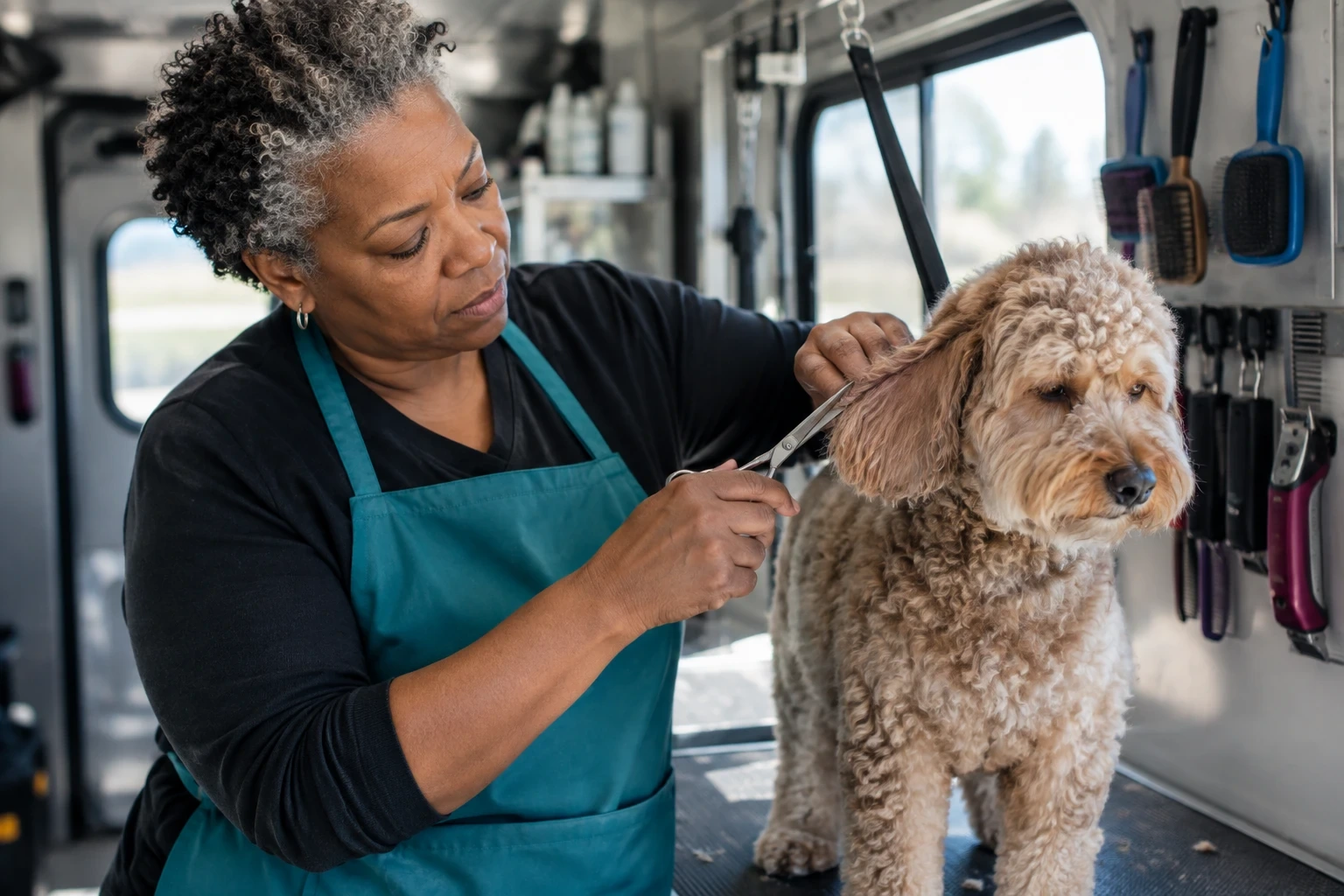
With a location secured, you can outfit the space. Your primary equipment costs will include shelving, a point-of-sale system, and any grooming fixtures if you plan to offer those services.
- Retail Shelving: $3,000 - $8,000
- POS System: $2,000 - $5,000
- Grooming Tubs & Tables: $1,500 - $6,000
Next, connect with distributors like Phillips Pet Food & Supplies or Animal Supply Company for your initial inventory. Many new owners make the mistake of over-ordering niche items. Stick to the minimum order quantities (MOQs) for popular food and treat brands until you establish sales patterns.
Here are 4 immediate steps to take:
- Identify three potential locations and verify their zoning classification.
- Draft a list of animal-specific clauses for your lease negotiation.
- Get quotes for a POS system and shelving from at least two vendors.
- Request catalogs and MOQ details from a major pet supply distributor.
Step 5: Set up your payment system
Your customers will expect to pay with credit cards, debit cards, and digital wallets like Apple Pay. You need a reliable system to process these payments from day one. This is not just a convenience, it is a baseline expectation for modern retail.
When you choose a payment solution, look closely at the transaction fees. A detail many owners miss is the extra monthly charges or hardware rental costs. These can add up, so a simple, transparent fee structure is often better for a new business.
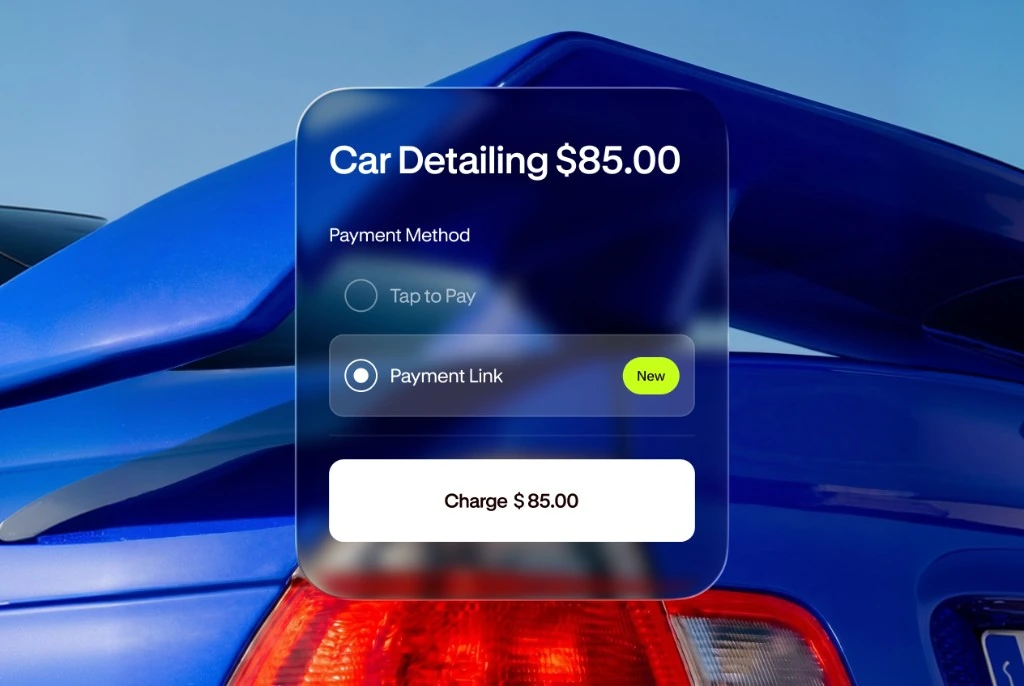
For pet stores that need to accept payments on-site or on-the-go, JIM offers a streamlined solution. With JIM, you can accept debit, credit, and digital wallets directly through your smartphone. Just tap and the sale is done.
At just 1.99% per transaction with no hidden costs or extra hardware needed, it is a strong option. This is competitive, as many providers charge between 2.5% and 3.5%. It's particularly useful for handling payments for local deliveries or at pop-up adoption events.
Getting started is straightforward:
- Get Started: Download the JIM app for iOS.
- Make a Sale: Type the sales amount, hit sell, and ask your customer to tap their card or device on your phone.
- Access Funds: Your money is available on your JIM card as soon as the sale is done, no waiting for bank transfers.
Here are 3 immediate steps to take:
- Compare the full fee structures of two different payment solutions.
- Download the JIM app to see if it fits your business model.
- Decide which payment methods you will accept, including digital wallets.
Step 6: Secure funding and manage your finances
Explore your funding options
You might want to start with Small Business Administration (SBA) loans. The SBA 7(a) program is a popular choice, offering up to $150,000 for new retail businesses. Lenders typically look for a credit score above 680 and a detailed business plan.
For smaller needs under $50,000, the SBA Microloan program is a great alternative. Interest rates for SBA-backed loans usually float a few points above the prime rate. Some new owners only apply for startup costs, forgetting the cash needed to run the business for the first few months.
You can also look into local economic development grants, which sometimes support new retail businesses in a specific community. These are less common but worth a search on your city or county's economic development website.
Plan for your first six months
With funding in mind, you need to calculate your working capital. This is the cash reserve that covers rent, payroll, and inventory replenishment before your sales are consistent. Plan for at least $20,000 to $40,000 to operate smoothly for the first six months.
Once you secure funding, open a dedicated business bank account immediately. This separates your finances from day one, which makes bookkeeping and tax filing much simpler down the road. Do not mix personal and business expenses.
Here are 4 immediate steps to take:
- Finalize your business plan to prepare for loan applications.
- Check your personal credit score to see if you meet lender requirements.
- Research the SBA 7(a) and Microloan programs on the SBA website.
- Calculate your working capital needs for the first six months of operation.
Step 7: Hire your team and set up operations
Define your key roles
You will likely start with one or two retail associates. Their duties include customer service, stocking shelves, and store upkeep. Plan for an hourly wage between $15 and $20. A store manager, who handles scheduling and inventory, typically earns a salary of $45,000 to $60,000.
When you hire, look for people with genuine enthusiasm for animals. You might want to consider offering pet first aid and CPR certification as part of their training. If you plan to offer grooming, look for candidates with certifications from groups like the NDGAA.
Streamline your daily operations
With your team in place, you can focus on operations. Use scheduling software like Homebase or When I Work to manage shifts and communicate with staff. These platforms often have free plans that are perfect for a new store with a small team.
Many new owners find their weekend sales suffer from not having enough staff. Plan for at least two people on the floor during peak Saturday and Sunday hours. As you grow, a good benchmark is to have one full-time employee for every $100,000 in annual revenue.
Here are 4 immediate steps to take:
- Draft job descriptions for a retail associate and a store manager.
- Research pet first aid certification courses for your new team.
- Compare the features of scheduling software like Homebase and When I Work.
- Map out a sample weekly staff schedule based on expected peak hours.
Step 8: Market your store and acquire customers
Start with a grand opening event. You can partner with a local animal shelter or rescue group for cross-promotion. This builds goodwill and brings in passionate pet owners from day one. Also, offer referral cards to local vets and groomers.
Build your online presence
Set up your Google Business Profile immediately and encourage early customers to leave reviews. A simple website that lists your hours, location, and the key brands you carry is enough to get started. This ensures local shoppers can find you online.
You might want to run Facebook and Instagram ads that target pet owners within a 5-to-10-mile radius of your store. A starting budget of $10 to $20 per day is effective. A customer acquisition cost (CAC) under $25 is a solid benchmark for this industry.
An oversight for many new owners is to ignore email. Collect customer emails at the point of sale. A monthly newsletter with special offers and pet care tips is a powerful way to build loyalty and drive repeat business.
Here are 4 immediate steps to take:
- Plan a grand opening event with a local animal rescue partner.
- Create and fully populate your Google Business Profile.
- Set up a simple Facebook ad campaign targeting local pet owners.
- Choose a method to start collecting customer email addresses at checkout.
Step 9: Develop your pricing strategy
A good starting point for pricing is a cost-plus model. For accessories and toys, a 100% markup (doubling the wholesale cost) is standard. High-volume items like food and treats have tighter margins, typically between 30% and 40%, because of intense online competition.
With that baseline, you can research your competitors. Physically visit other local pet stores and check prices on sites like Chewy for the top brands you plan to stock. This helps you position your high-demand products competitively so you do not lose customers over a few dollars.
Many new owners feel they must beat online prices on everything, but this can hurt profits. You might want to use a tiered strategy instead. Offer competitive prices on popular foods to draw people in, but use higher markups on unique items that are harder to find online.
For example, you could apply a 35% markup on a popular brand of dog food. At the same time, you can price a unique, locally made dog toy with a 100% markup. This approach balances foot traffic with healthy profit margins across your entire inventory.
Here are 4 immediate steps to take:
- List your top 20 products and assign a target markup percentage to each.
- Compare prices for five of your key products against a local competitor and an online retailer.
- Categorize your inventory into "staples" and "niche" items for a tiered pricing approach.
- Select one high-demand item to price aggressively for your grand opening promotion.
Step 10: Maintain quality and scale your business
Once your store is running, your focus shifts to consistency. Monitor product quality by tracking return rates, especially for food and treats. A return rate below 2% is a good target. Also, ensure your staff maintains their Pet First Aid & CPR certifications.
Measure your performance
To understand your store's health, you need to track a few key numbers. These metrics show what is working and what needs attention. They are your guideposts for making smart business decisions as you grow.
- Inventory Turnover: For pet food, aim to turn over your stock 4-6 times a year. A slow turnover means you have too much cash tied up in inventory.
- Customer Retention: Track how many customers return within three months. A rate above 60% shows you are building a loyal base.
- Average Transaction Value (ATV): A rising ATV suggests your team is successfully upselling and customers trust your product recommendations.
Plan your growth
With your metrics in hand, you can plan your next moves. Many owners get excited by early success and expand too fast. You might want to wait until your first store consistently hits a revenue target, like $300,000 annually, before you think about a second location.
Use the benchmark of one full-time employee for every $100,000 in annual revenue to guide your hiring. As your inventory grows, a basic POS may not be enough. Look into dedicated retail systems like Lightspeed Retail to manage stock across multiple suppliers.
Here are 4 immediate steps to take:
- Calculate your inventory turnover rate for your top five food brands.
- Set up a simple spreadsheet to track customer return rates by product category.
- Define a specific monthly revenue goal for hiring your next employee.
- Review the features of an inventory management system like Lightspeed Retail.
Building a pet store is more than just a business; it's about creating a community hub. Remember that your personal advice and curated selection are what set you apart from online giants. You have the steps, now it's time to put your passion into practice.
As you get started, a simple payment solution helps. JIM turns your phone into a card reader for a flat 1.99% fee, with no extra hardware needed. It keeps things simple so you can focus on your customers. Download JIM and get ready for your first sale.