Starting a pool building company is a rewarding venture that blends hands-on skills like design and construction with sharp business savvy. The industry is a multi-billion dollar market, with consistent demand for new pools from residential homeowners, hotels, and community centers.
This guide will take you through the practical steps to secure funding, obtain necessary permits, acquire equipment, and build supplier relationships to help you launch a successful pool building company in the U.S.
Step 1: Plan your business and validate your idea
First, research your local market. You can review public building permit records from your city or county to see how many pools were built last year. This gives you a real-world view of demand. Also, check reports from the Pool & Hot Tub Alliance (PHTA) for regional trends.
With that data, analyze your competition. Use Google Maps to identify all pool builders in your service area. Review their websites, customer reviews, and project galleries to understand their market position, quality of work, and pricing structure. This helps you find a gap to fill.
Estimate your startup costs
Many new builders miscalculate initial expenses, especially for equipment. You might want to consider leasing heavy machinery like a mini-excavator at first to manage cash flow. This can cost between $1,000 and $2,500 per week, a more manageable figure than a large upfront purchase.
Your total startup investment will likely range from $60,000 to over $180,000. Here is a typical breakdown:
- Business registration and licensing: $500 to $2,000
- Insurance (liability and workers' comp): $5,000 to $15,000 for the first year
- Initial equipment (truck, tools, excavator): $50,000 to $150,000+
- Design and project management software: $1,000 to $5,000 annually
Here are 3 immediate steps to take:
- Research local building permits from the last 12 months to quantify demand.
- List five local competitors and analyze their pricing and service offerings.
- Create a detailed startup budget spreadsheet with high and low estimates.
Step 2: Establish your legal structure and get licensed
Your first move is to choose a business structure. A Limited Liability Company (LLC) is a popular choice because it separates your personal assets from business debts. This means if the business faces a lawsuit, your personal property like your home is protected.
As your profits grow, you might consider an S-Corp tax election for your LLC. This can potentially reduce your self-employment tax burden, leaving more money in your pocket. It is a good idea to consult a CPA to see when this makes sense for you.
Secure your licenses and permits
First, get a free Employer Identification Number (EIN) from the IRS website. You will need this for taxes and hiring. Next, focus on your state contractor license. Most states have a specific "Swimming Pool Contractor" license, like California's C-53 classification.
A word of caution: do not try to work without the proper state license. The fines are steep, and it could jeopardize your entire business. This process can take a few months and involves an exam, so plan ahead. Your state's contractor licensing board is the governing body here.
For each project, you will need to pull local building permits. These can cost between $500 and $2,000 and often take 4 to 8 weeks for approval from your city or county planning department. Factor this timeline into every project proposal you create.
Here are 3 immediate steps to take:
- File for an LLC with your Secretary of State to formalize your business.
- Apply for your free Employer Identification Number (EIN) directly from the IRS.
- Research your state’s specific contractor license requirements for pool builders.
Step 3: Secure your insurance and manage risk
Protect your business with the right coverage
You will want to secure General Liability insurance with at least $1 million to $2 million in coverage. This policy protects you if your work causes property damage or injury. A frequent oversight is to underinsure for excavation risks, like damage to underground utility lines. Premiums often range from $6,000 to $12,000 annually.
If you have employees, Workers' Compensation is a legal requirement in most states. It covers medical costs and lost wages for job-site injuries. In addition, you need a Commercial Auto policy for any trucks or vans used for the business, as personal auto insurance will not cover them.
Also, consider Inland Marine insurance. This policy is not for boats, it protects your expensive equipment like excavators and specialized tools when they are in transit or at a client's property. Standard property insurance often excludes this, which can be a costly mistake.
Your best bet is to find an insurance broker who specializes in construction. They understand the unique risks of pool building. While large providers like The Hartford or Hiscox offer contractor policies, a specialist can often find more comprehensive coverage that fits your specific operation.
Here are 3 immediate steps to take:
- Get quotes for a $2 million general liability policy to cover major incidents.
- Contact a broker who specializes in construction insurance to review your needs.
- Ask about an inland marine policy to protect your equipment on and off-site.
Step 4: Set up your operations and acquire equipment
Find your home base
You do not need a retail storefront. Look for a 1,000 to 2,000 square foot warehouse or a yard space in an area zoned for light industrial use. This zoning typically permits outdoor storage for materials and parking for heavy equipment, which is a must.
When you negotiate a lease, confirm that you have 24/7 access and that the property can accommodate large truck deliveries. A common mistake is to sign a lease without verifying that your work trucks and trailers can easily get in and out.
Get your equipment
Your equipment is a major investment, so consider leasing to start. A mini-excavator lease runs about $1,000 to $2,500 per week. This preserves your cash for other startup needs. You will also need a reliable work truck, like a used Ford F-250, which can cost over $40,000.
Beyond the heavy machinery, you will need a set of specialized gear. Budget around $5,000 for items like a portable concrete mixer, rebar benders and cutters, tile saws, and various trowels. You can acquire these over time as projects demand them.
Establish supplier relationships
You will need accounts with distributors for materials like plumbing, tile, and plaster. Major national suppliers like Poolcorp or SCP Distributors are good places to start. They can set you up with a cash account before you have established business credit.
Ask about their delivery schedules and minimum order policies. While some items have no minimums, specialized finishes or tiles might require you to purchase a full pallet. Building a relationship with your sales rep can help you navigate these requirements.
Here are 3 immediate steps to take:
- Identify three local properties zoned for light industrial use.
- Request lease quotes for a mini-excavator for a one-month rental period.
- Contact a national pool supply distributor to inquire about opening a cash account.
Step 5: Set up your payment systems
For pool projects, a milestone payment schedule is standard. You might ask for 30% upfront as a deposit, 30% after excavation and steel, 30% after gunite installation, and the final 10% upon completion. This structure protects your cash flow for material and labor costs.
Many new builders get caught accepting only checks, which can delay projects. You should offer multiple options. While bank transfers work for large sums, accepting credit cards on-site for deposits or change orders is a professional touch that clients appreciate.
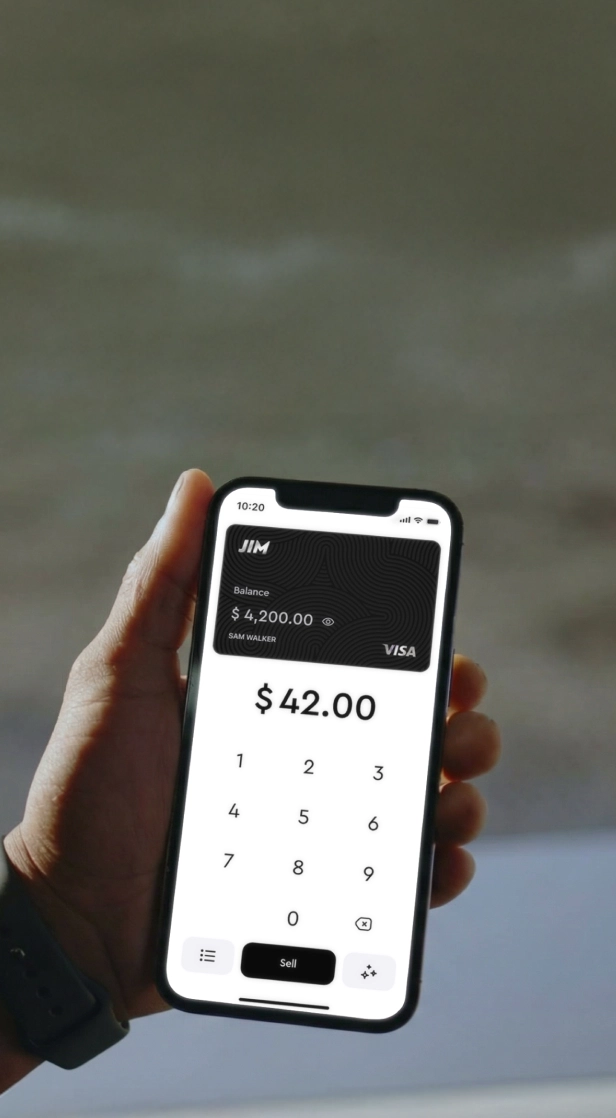
For payments on-site or on-the-go, JIM offers a streamlined solution. With JIM, you can accept debit, credit, and digital wallets directly through your smartphone—just tap and done. This is lower than the typical 2.5% to 3.5% rates from other providers.
At just 1.99% per transaction with no hidden costs or extra hardware needed, it's particularly useful for collecting milestone payments right at the job site. Getting started is straightforward:
- Get Started: Download JIM app for iOS
- Make a Sale: Type the sales amount, hit sell, and ask your customer to tap their card or device on your phone
- Access Funds: Your money is available right on your JIM card as soon as the sale is done - no waiting for bank transfers
Here are 3 immediate steps to take:
- Draft a standard milestone payment schedule for your client contracts.
- Compare the transaction fees of at least two payment processors.
- Download the JIM app to explore its features for on-site payments.
Step 6: Fund your business and manage finances
Secure your startup capital
An SBA 7(a) loan is a solid option for new pool builders. Lenders often look for a credit score over 680 and a strong business plan. You could secure between $50,000 and $250,000 with interest rates typically at Prime plus 2-5%.
Also, consider equipment financing. This type of loan is secured by the machinery itself, so qualification can be easier than a traditional bank loan. It is a direct way to fund your excavator or truck without draining your cash reserves.
Plan for your working capital
You will need enough cash to cover about six months of operating expenses. This buffer pays for marketing, insurance, and initial material orders before your first client payments arrive. Aim for a reserve of at least $30,000 to $60,000.
Many new builders get caught in a cash crunch waiting for that first 30% deposit. Your working capital is the safety net that prevents project delays and keeps your operations smooth. Do not start your first job without it.
Here are 3 immediate steps to take:
- Research SBA 7(a) loan requirements on the official SBA website.
- Contact two lenders that specialize in equipment financing for quotes.
- Calculate your total operating expenses for a six-month period.
Step 7: Hire your team and streamline operations
Build your core crew
You cannot build pools alone. Your first hire should be a Lead Installer or Foreman who can manage the job site. Expect to pay a salary between $55,000 and $75,000 for someone with solid experience. This person is your right hand in the field.
Next, you will need a few reliable laborers. Pay rates typically fall between $20 and $28 per hour. A mistake many new owners make is hiring the cheapest help available, which often leads to costly rework. One skilled person is more valuable than three who need constant supervision.
To add credibility, encourage your lead installer to get a Certified Builder Professional (CBP) designation from the Pool & Hot Tub Alliance (PHTA). This shows clients you are serious about quality and industry standards.
Streamline your project management
Once you have more than one project, spreadsheets will not cut it. You might want to use a project management software like Jobber. It helps you schedule crews, communicate with clients, and track job progress from your phone or computer.
As you grow, a good benchmark to keep in mind is the revenue per employee. Many successful pool companies aim for around $200,000 in annual revenue for each field employee. This metric helps you decide when it is the right time to hire more staff.
Here are 3 immediate steps to take:
- Draft a job description for a Lead Installer with a competitive salary range.
- Research the PHTA's Certified Builder Professional (CBP) program requirements.
- Schedule a demo for a project management software like Jobber to see its features.
Step 8: Market your business and get customers
Establish your digital footprint
Your website is your digital showroom. You should invest in professional photos of your work. A gallery of just 3-5 completed projects can build immense trust with potential clients who are browsing online.
Also, claim your free Google Business Profile. Encourage every happy client to leave a review. Positive reviews are one of the strongest signals for new leads, as people often check them before making a call.
Invest in targeted advertising
You might want to run Google Ads campaigns. Target keywords like "gunite pool builder [your city]". Expect to pay $15 to $30 per click for these high-intent searches, so a clear budget is important.
Many new builders make the mistake of running ads without a strong portfolio. Your ads will perform poorly without visual proof of your work. With this in mind, use Facebook and Instagram ads to target homeowners in specific zip codes once you have photos.
You should track your Customer Acquisition Cost (CAC). For a pool project, a CAC between $1,500 and $3,000 is a reasonable benchmark. This metric helps you measure if your ad spend is profitable.
Here are 3 immediate steps to take:
- Claim and fully complete your Google Business Profile with your service area.
- Create a budget for a small Google Ads campaign targeting 3-5 local keywords.
- Ask your first client for a testimonial and photos to use on your website.
Step 9: Price your services and create proposals
Set your pricing model
Most pool builders use a cost-plus pricing model. You calculate your total direct costs for a project—materials, labor, and subcontractors—and then add a markup. This markup covers your overhead and profit.
A typical markup on direct costs is between 50% and 70%. For example, if a pool costs you $50,000 to build, a 60% markup ($30,000) would lead to a final client price of $80,000. This should give you a gross profit margin of around 37.5%.
A mistake some builders make is to only apply a markup to materials. You should apply your markup to the total cost, including labor and subcontractor fees, to ensure all aspects of the job are profitable.
Create a detailed proposal
Your proposal is your sales document. It should clearly outline the scope of work, specific materials and equipment to be used, a project timeline, and your milestone payment schedule. This detail protects you from scope creep.
You can use software like Pool Pro Office to generate these, or simply create a professional template. The goal is to leave no room for misunderstandings. A clear proposal builds client confidence and sets expectations from the start.
Here are 3 immediate steps to take:
- Calculate the total direct costs for a standard 15x30 foot gunite pool project.
- Apply a 60% markup to your calculated cost to establish a sample price.
- Draft a proposal template that details the scope, materials, and payment terms.
Step 10: Maintain quality and scale your operations
Establish your quality control process
Create a multi-point inspection checklist for every project phase. This is not just for the final walkthrough. For example, you should verify rebar is tied every 12 inches and that plumbing lines hold a pressure test of at least 35 PSI for 15 minutes before backfilling.
Many builders stumble by not formalizing this process. Use the standards from the Pool & Hot Tub Alliance (PHTA) as your baseline. A detailed punch list signed by the client at completion prevents future disputes over minor issues like a chipped tile or uneven plaster.
Know when to scale
Growth should be deliberate. A good benchmark is to aim for $200,000 in annual revenue per field employee. Once you exceed this, it is a strong signal that you can support another hire without hurting profitability. This metric keeps your labor costs in check.
A sign that you need another crew is when your lead installer juggles more than three active job sites. At that point, quality control suffers. This is also when project management software like Jobber or Pool Pro Office becomes a necessity to manage schedules and communication.
Here are 3 immediate steps to take:
- Draft a quality control checklist with at least 10 inspection points.
- Calculate your current revenue per employee to assess your hiring capacity.
- Define your trigger point for hiring a second crew, such as managing three simultaneous projects.
Building a pool company is a journey from bare dirt to a backyard oasis. Remember, your reputation is built one perfect tile and one happy client at a time. You have the blueprint for success; now it is time to break ground.
As you manage those first projects, keep your payments simple. JIM turns your smartphone into a card reader, letting you accept payments on-site for a flat 1.99% fee without extra hardware. It keeps your cash flow smooth from day one. Download JIM to get started.
.avif)