Starting a puzzle business is a rewarding venture that combines creativity with business savvy. The market is worth billions, with steady demand from families, hobbyists, and educators alike.
This guide will walk you through the practical steps of validating your business concept, building supplier relationships, acquiring inventory, and obtaining the necessary permits to help you launch a successful puzzle business in the U.S.
Step 1: Validate your concept and map your finances
Begin by exploring niche markets. Use Google Trends to compare search interest for terms like 'wooden puzzles' versus 'gradient puzzles'. This data shows you what customers actively seek and helps you find an underserved audience.
Next, analyze your competition. Look at top-selling puzzle shops on Etsy and Amazon. For a deeper dive, you can use platforms like Semrush to see the keywords successful online stores use. This reveals their marketing strategy.
Estimate your startup costs
Your initial investment requires careful planning. A frequent oversight is to underestimate manufacturing costs, especially for custom designs or unique die-cuts. You should get quotes from at least three manufacturers before you finalize your budget.
Expect to allocate $2,000 to $5,000 for your first inventory run. An e-commerce site on a platform like Shopify might cost $500 to $2,000. Set aside another $600 to $1,500 for business permits and initial marketing.
Here are 3 immediate steps to take:
- Research three potential puzzle niches using Google Trends and Etsy.
- Analyze two direct competitors to understand their pricing and marketing.
- Create a detailed startup budget based on real quotes for a 500-unit puzzle order.
Step 2: Set up your legal structure and get licensed
Choose your business structure
You might want to consider forming a Limited Liability Company (LLC). This structure protects your personal assets if the business faces debt or lawsuits. Filing costs range from $50 to $500 depending on your state, and it offers a good balance of protection and simplicity.
Once your LLC is approved, get a free Employer Identification Number (EIN) from the IRS website. You will need this number to open a business bank account and file taxes. The online application takes less than 15 minutes to complete.
Secure state and local permits
Next, apply for a state seller’s permit. This allows you to buy inventory wholesale without paying sales tax and to collect sales tax from customers. Also, check with your city or county for a general business operating license, which typically costs $50 to $100 annually.
Many new owners overlook safety rules if they plan to sell puzzles for children under 12. You must comply with the Consumer Product Safety Improvement Act (CPSIA). Your products will require third-party testing for lead and phthalates, which is enforced by the CPSC.
Here are 4 immediate steps to take:
- File for an LLC with your state's Secretary of State office.
- Apply for a free EIN directly through the IRS website.
- Research the cost and application process for your state's seller's permit.
- Review the CPSC's regulations for children's products if they are part of your plan.
Step 3: Protect your business with the right insurance
Select your coverage
You will need General Liability Insurance, which typically costs $400 to $700 annually for a $1 million policy. A frequent oversight is to neglect Product Liability coverage. This protects you if a puzzle piece causes harm, a key risk if you sell puzzles for children.
With that in mind, if you plan to hire employees, most states require you to have Workers' Compensation insurance. If you use a vehicle for business deliveries, you will also need a Commercial Auto policy. These policies address different risks than your personal coverage.
Find a provider
You might want to get quotes from insurers that focus on e-commerce, such as Hiscox, The Hartford, or Next Insurance. They understand the risks of online retail and can offer tailored packages. General agents may not grasp the specific needs of a product-based business.
When you request a quote, be specific about your products. You should mention if you sell children's puzzles, as this directly affects your risk profile and policy needs. This ensures your coverage is adequate from day one and prevents claim denials later.
Here are 3 immediate steps to take:
- Request a quote for a $1 million general and product liability policy.
- Check your state's requirements for workers' compensation if you plan to hire.
- Compare policies from two insurers that specialize in e-commerce.
Step 4: Secure your space and equipment
For an e-commerce model, you can start from home. You will want at least 150-200 square feet of dedicated, dry storage space. Check your local city ordinances for rules on home-based businesses, as some areas have restrictions on inventory storage.
Set up your fulfillment station
You will need industrial-grade shelving to organize your stock. Budget $200 to $400 for a sturdy setup. A thermal label printer, like a Rollo or Zebra model, costs around $200 and saves significant time over printing labels on paper. Also, factor in costs for shipping boxes and packing materials.
If you use a storage unit instead of your home, look for a climate-controlled facility. This prevents humidity from warping the puzzle boxes and pieces. You might also want to find a unit with month-to-month lease terms to give your business flexibility as it grows.
Find a manufacturing partner
Your next move is to find a supplier. Many new owners struggle with this step. Look for manufacturers that specialize in puzzles and board games. For large custom orders, companies like Ludo Fact or Delano Service are options, but their minimum order quantities (MOQs) are often 1,000 units or more.
Before you commit to a large run, always order a physical sample. A digital proof cannot show you the final paper stock, print vibrancy, or die-cut precision. A poor-quality sample is a clear sign to find a different partner, even if the price is low.
Here are 3 immediate steps to take:
- Check your city’s website for home-based business inventory regulations.
- Price out a thermal label printer and a 72-inch tall shelving unit.
- Request sample kits and MOQ details from two potential puzzle manufacturers.
Step 5: Set up your payment processing
Choose your payment processor
For an online store, you will need a payment processor like Shopify Payments or Stripe. These integrate directly with your e-commerce platform. Many new owners get surprised by the fee structures. Expect to pay around 2.9% plus $0.30 per transaction for online sales.
You should also check the payout schedule. Some processors hold your funds for several days before they reach your bank account. This can affect your cash flow, so find a provider that offers daily or instant payouts if possible.
Accept in-person payments
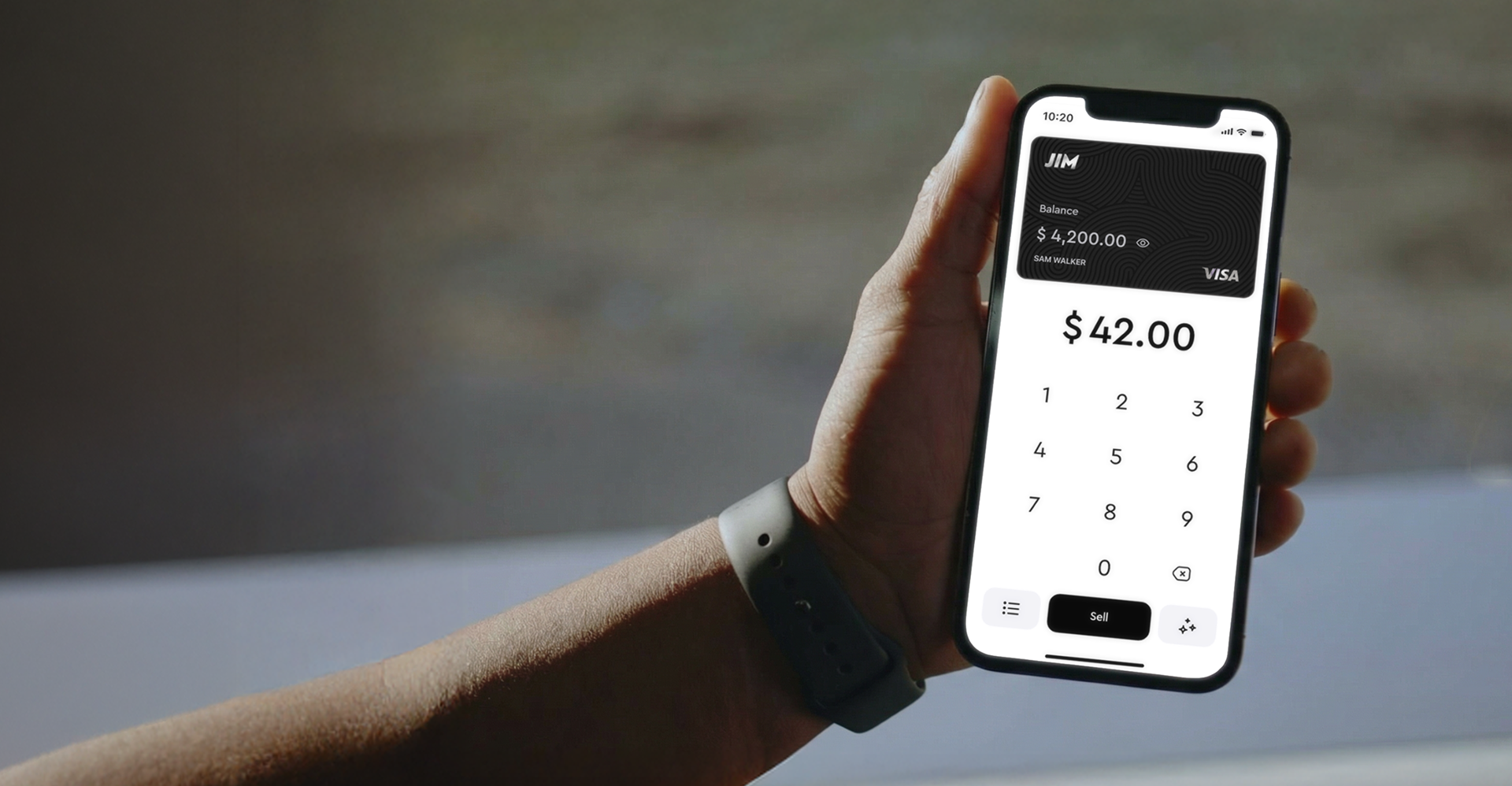
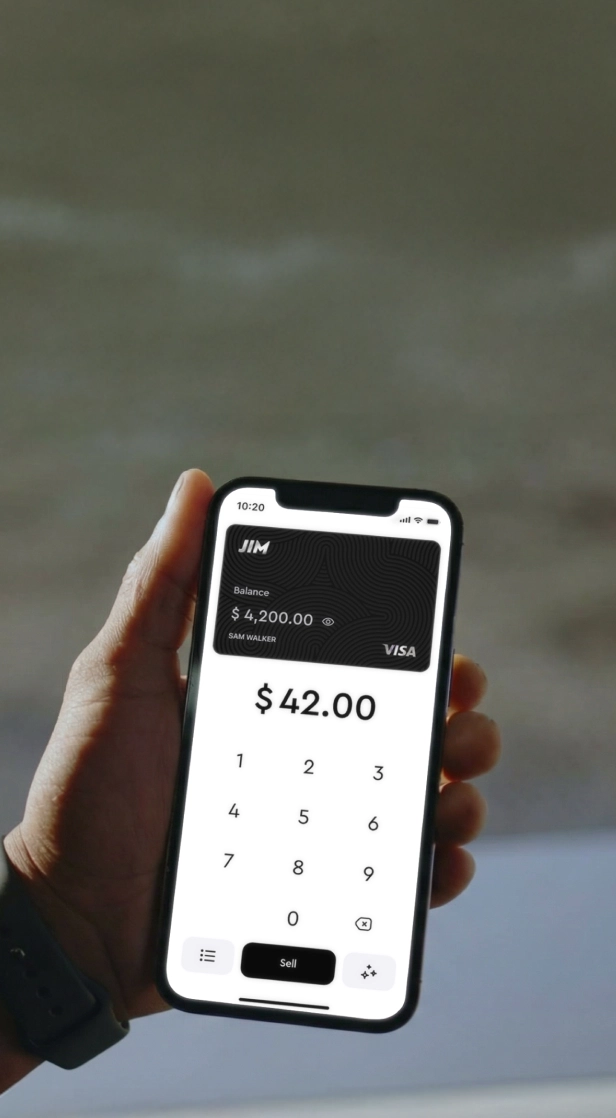
If you plan to sell at markets or pop-up events, you need a way to accept payments on the go. For this, JIM offers a streamlined solution. With JIM, you can accept debit, credit, and digital wallets directly through your smartphone—just tap and it's done.
At just 1.99% per transaction with no hidden costs or extra hardware, it is a cost-effective option. Other mobile payment solutions often charge rates closer to 3%. This makes JIM particularly useful for managing costs at craft fairs or local puzzle meetups.
Here is how it works:
- Get Started: Download the JIM app for iOS.
- Make a Sale: Type the sales amount, hit sell, and ask your customer to tap their card or device on your phone.
- Access Funds: Your money is available on your JIM card as soon as the sale is done, with no waiting for bank transfers.
Here are 3 immediate steps to take:
- Compare the transaction fees and payout schedules for Shopify Payments and Stripe.
- Calculate your potential savings for in-person sales using JIM's 1.99% rate.
- Download the JIM app to see how it works for mobile payments.
Step 6: Fund your business and manage finances
Secure your startup capital
You might want to explore an SBA Microloan. These government-backed loans go up to $50,000, with interest rates typically between 8% and 13%. Lenders will want to see a detailed business plan and a small personal investment to show you are committed.
Many new owners only budget for their first inventory order. You should have six months of working capital, around $5,000 to $10,000, to cover restocks and marketing before sales stabilize. This buffer prevents cash flow problems when a puzzle sells out faster than expected.
In addition, you can look for grants. The Amber Grant is a popular option for women entrepreneurs. You could also search for local arts or small business grants in your city. These are competitive, so treat them as a bonus, not your main funding source.
Set up your financial systems
Once you have funding, you need to track every dollar. You can use software like Wave, which is free, or QuickBooks Online to monitor your income and expenses. Set this up before your first sale to keep your records clean from the start.
This practice helps you understand your exact profit margin on each puzzle design. It also makes tax season much simpler and ensures you know how much to set aside for sales tax payments.
Here are 4 immediate steps to take:
- Review the SBA Microloan program requirements on the official SBA website.
- Calculate your working capital needs for the first six months of operation.
- Research one local arts or small business grant in your area.
- Create a free account on Wave to begin tracking your startup costs.
Step 7: Build your team and manage operations
Hire your first employee
You can likely handle fulfillment yourself until you reach $80,000 to $100,000 in annual revenue. Once you spend over 15 hours a week just packing orders, you might want to hire a part-time Fulfillment Associate. This role involves picking, packing, and shipping.
Pay for this position typically ranges from $15 to $20 per hour. A frequent mistake is to hire someone who lacks attention to detail. Damaged puzzle boxes lead to returns, so look for a candidate with experience in retail or warehouse environments who understands product care.
Set up your operational software
You do not need complex software at the start. Your e-commerce platform, like Shopify, includes inventory and order management features that are sufficient for your first year. This helps you track stock levels and sales data without an extra subscription.
Once you hire someone, you can use a scheduling app like Homebase or When I Work to manage shifts and payroll. These platforms offer free plans for businesses with only one or two employees, which helps you keep overhead low as you grow.
Here are 3 immediate steps to take:
- Draft a job description for a part-time Fulfillment Associate.
- Research pay rates for warehouse associates on local job boards.
- Create a free account on Homebase to explore its scheduling features.
Step 8: Market your business and acquire customers
Focus on visual platforms
Your marketing should center on Instagram and Pinterest. These platforms are perfect for showcasing puzzle art. Post high-quality photos of the finished design and close-ups of unique piece shapes. Videos of the puzzle assembly process also perform very well.
A frequent misstep is to only post sterile product shots. Instead, you should mix in lifestyle photos of people enjoying the puzzles. You can also encourage customers to share their own photos with a unique hashtag for user-generated content.
Collaborate with influencers
You might want to partner with micro-influencers in the puzzle or board game community. These creators often have highly engaged audiences. Expect to pay $100 to $300 for a post from an influencer with 10,000 to 50,000 followers.
Track your results. A successful campaign might yield a 1-2% conversion rate. Your goal should be to keep your Customer Acquisition Cost (CAC) under $25. If a collaboration costs $200 and brings in 10 sales, your CAC is $20.
Build an email list
You should start an email list from day one. Offer a 10% discount on the first order for anyone who signs up. This gives you a direct line to your most interested customers for future product launches and promotions.
Here are 3 immediate steps to take:
- Identify five micro-influencers on Instagram who focus on puzzles or hobbies.
- Plan your first three social media posts with a mix of product and lifestyle photos.
- Draft a welcome email that offers a 10% discount to new subscribers.
Step 9: Price your products for profit
Set your markup
First, calculate your landed cost per puzzle. This is the total expense to get one unit into your inventory, including manufacturing, shipping, and import fees. If a puzzle costs $8 to make and $2 to ship, your landed cost is $10.
A common strategy is to use a 2.5x to 3x markup on your landed cost. This means your $10 puzzle would retail for $25 to $30. Many new owners price too low and forget to build in room for wholesale, which is typically a 50% discount off retail.
Analyze your competitors
With a target price in mind, you should research the market. Create a simple spreadsheet and list the prices of 5-10 competitors with similar piece counts and quality. Check their direct websites and stores on platforms like Etsy.
This analysis shows you where your price fits. If your target price of $27 is much higher than the average, you need a strong reason, like premium packaging. If it is lower, you might have an opportunity to increase your profit margin.
Here are 3 immediate steps to take:
- Calculate the full landed cost for one of your puzzle designs.
- Build a spreadsheet to track the retail prices of five direct competitors.
- Set a retail price for your puzzle using a 2.5x markup and check the profit margin.
Step 10: Implement quality control and scale your operations
Establish your quality standards
Your brand reputation rests on puzzle quality. Create a checklist for your manufacturer. It should specify a snug piece fit, minimal puzzle dust, and precise die cuts with no frayed edges. A defect rate below 1% is a good target.
Many new owners forget to formalize this process. If you sell puzzles for children, you might want to get ASTM F963 certification. This safety standard shows customers you meet rigorous test requirements for materials and design.
Know when to scale
Once you consistently ship 50-75 orders per week, in-house fulfillment becomes a bottleneck. This is a good time to research a third-party logistics (3PL) provider. Look for one that specializes in e-commerce fulfillment to handle your storage and shipping.
If your stock grows beyond 20 SKUs or you use multiple sales platforms, Shopify's basic inventory tools may not be enough. You can explore systems like Cin7 or Skubana to sync inventory and prevent oversells across channels.
Here are 4 immediate steps to take:
- Create a quality control checklist covering piece fit, print color, and box condition.
- Research the cost of ASTM F963 certification for one of your puzzle designs.
- Get quotes from two 3PL providers that work with e-commerce brands.
- Set an order volume goal for when you will evaluate advanced inventory software.
You now have a complete roadmap to launch your puzzle business. Remember, the magic is in the details—the snap of a piece, the richness of the print. Focus on that quality from day one. Your first successful product is well within reach.
And when you make those first sales at a local market, JIM lets you accept payments right on your phone. It's a simple way to manage transactions with a flat 1.99% fee and no extra hardware. Download JIM to get started.
.avif)