How to start an influencer business from scratch

Start your influencer business with a clear roadmap. Our guide covers funding, licensing, and insurance to help you avoid costly mistakes.

2 min read time

Copied
How to start an influencer business
Main topics

Starting an influencer business is an exciting venture that combines content creation and personal branding skills with business savvy. The industry is valued in the billions of dollars, with steady demand for authentic content from brands for everything from product launches to long-term collaborations.

This guide will take you through the practical steps of validating your business concept, acquiring the right equipment, obtaining necessary licenses, and securing funding to help you launch a successful influencer business in the U.S.

Step 1: Plan your business and validate your niche

First, define your specific niche. A common misstep is to go too broad. Instead of 'food,' you might focus on 'vegan baking for beginners.' Use Google Trends to compare the search interest of a few potential niches over the last 12 months.

Once you have a niche, analyze the competition. Platforms like Social Blade can show you follower growth and engagement rates for other influencers. This helps you understand what works and identify gaps in the market you can fill.

Estimate your startup costs

Initial investments can vary, so a detailed budget is a good idea. You will want to account for equipment, software, and business registration. Planning for these expenses upfront helps prevent surprises down the road.

  • Equipment: A quality camera ($500-$1,500), microphone ($100-$300), and lighting kit ($50-$200).
  • Software: Video editing subscriptions like Adobe Premiere Pro (around $23/month) and content schedulers.
  • Business Fees: LLC registration can range from $50 to $500, depending on your state.

Here are 3 immediate steps to take:

  • Research three to five potential niches using Google Trends and social media analytics.
  • Analyze five competitor accounts to understand their content strategy and engagement.
  • Create a startup budget that itemizes potential equipment, software, and legal fees.

Step 2: Establish your legal structure and licensing

A Limited Liability Company (LLC) is a popular choice. It separates your personal assets from business debts, a smart move if you plan to sign brand contracts. A sole proprietorship is simpler but offers no liability protection, mixing your personal and business finances.

With an LLC, profits pass through to your personal tax return, which avoids the double taxation corporations face. You can file with your state's Secretary of State office. Costs range from $50 to $500, and processing can take from a few days to several weeks.

On the federal level, the Federal Trade Commission (FTC) requires you to clearly disclose sponsored content. A frequent misstep is to bury disclosures like #ad or #sponsored at the end of a long caption. The FTC’s Endorsement Guides state disclosures must be hard to miss.

You generally do not need a special "influencer license." However, check with your city or county clerk's office for a general business license or a home-based business permit. These typically cost between $25 and $100 annually and keep you compliant with local rules.

Here are 4 immediate steps to take:

  • Decide between a sole proprietorship and an LLC for your business structure.
  • Visit your Secretary of State's website to review the LLC registration process.
  • Read the FTC's Endorsement Guides to understand disclosure rules.
  • Contact your local city or county office about a general business license.

Step 3: Protect your business with insurance

As an influencer, you face unique risks like defamation or copyright infringement claims. The right insurance is a non-negotiable part of your business plan. It shields you from legal issues that can arise from the content you create and the products you promote.

Types of insurance to consider

General liability insurance covers claims of bodily injury or property damage. A $1 million policy typically costs between $300 and $700 annually. This is for accidents, like if someone trips over your gear during a location shoot.

You also should look into professional liability insurance, often called Errors and Omissions (E&O). It protects you if a client claims your work caused them a financial loss. A frequent mistake is to rely solely on an LLC for protection. An LLC separates assets, but E&O insurance specifically covers your professional services.

When you shop for coverage, you might want to check out providers like Hiscox, The Hartford, or Next Insurance. They have experience with media professionals and understand the digital landscape. Annual premiums for E&O can range from $500 to $1,000.

Here are 3 immediate steps to take:

  • Request quotes for a $1 million general liability policy.
  • Research professional liability (E&O) insurance to cover your content.
  • Compare plans from providers that specialize in media, such as Hiscox or The Hartford.

Step 4: Set up your workspace and get your gear

Most influencers start from a home office. You do not need a commercial space. Designate a quiet corner, around 50-100 square feet, as your dedicated studio. This helps separate your work from your personal life and keeps your equipment organized.

Before you set up, double-check your local zoning regulations. Most residential areas permit home-based businesses, but confirming this with your city clerk’s office avoids any future issues. This ties back to the general business license mentioned earlier.

Choose your core equipment

Many new creators think they need the most expensive gear, but that is a mistake. Your smartphone is a great starting point. Once you have consistent content, you might want to upgrade. A good setup can make a big difference in production quality.

  • Camera: A mirrorless camera like the Sony A6400 or Canon M50 ($700-$1,000) offers excellent video quality.
  • Audio: Clear sound is vital. A shotgun mic like the Rode VideoMic Go or a USB mic like the Blue Yeti ($70-$130) works well.
  • Lighting: A simple ring light or a two-point softbox kit from a brand like Neewer ($80-$200) will improve your look.

You can find this equipment at specialized retailers like B&H Photo Video or Adorama. They offer a wide selection for different budgets. There are no minimum orders, so you can buy just what you need.

Here are 4 immediate steps to take:

  • Designate a 50-100 square foot area in your home as your workspace.
  • Review your city’s zoning rules for home-based businesses online.
  • Compare prices for a beginner camera, microphone, and lighting kit.
  • Film your next three pieces of content with your smartphone to practice.

Step 5: Set up your payment processing

Establish your payment terms

In your brand contracts, you should specify payment terms. Net 30, where payment is due 30 days after you send an invoice, is standard. A frequent mistake is to leave this vague. Always get payment terms in writing to ensure you get paid on time.

For larger projects, like a multi-month campaign, you might want to require a 50% deposit upfront. This protects your time and covers initial costs. The final payment can be due upon completion or on a Net 30 basis.

Choose a payment solution

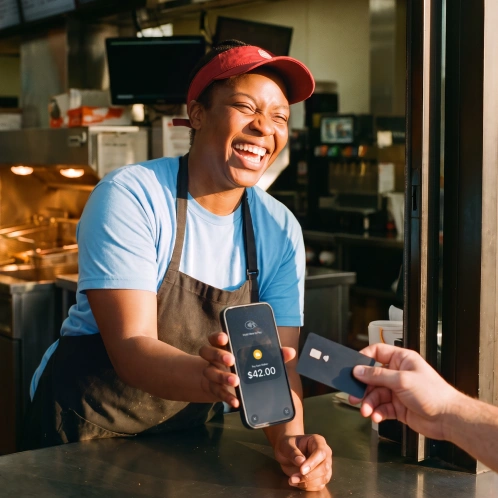
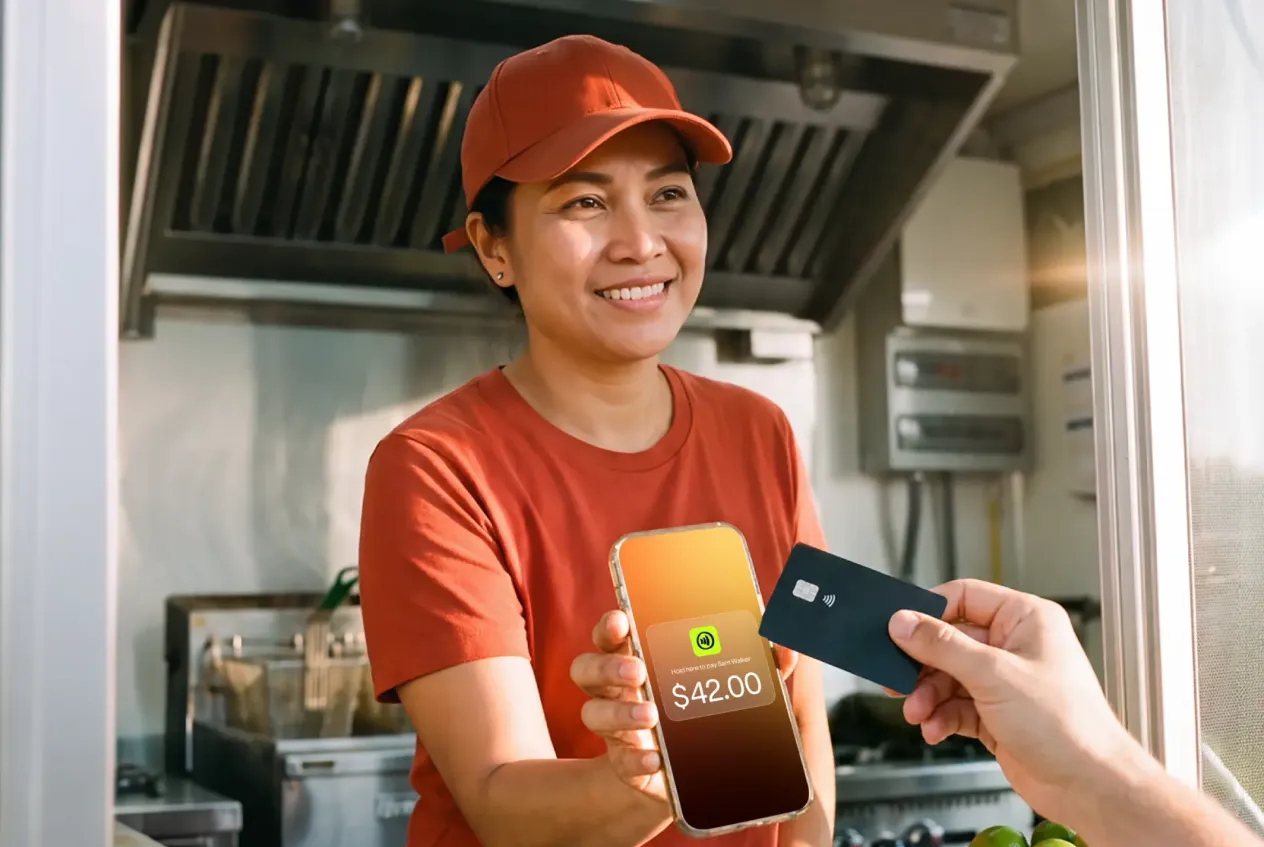
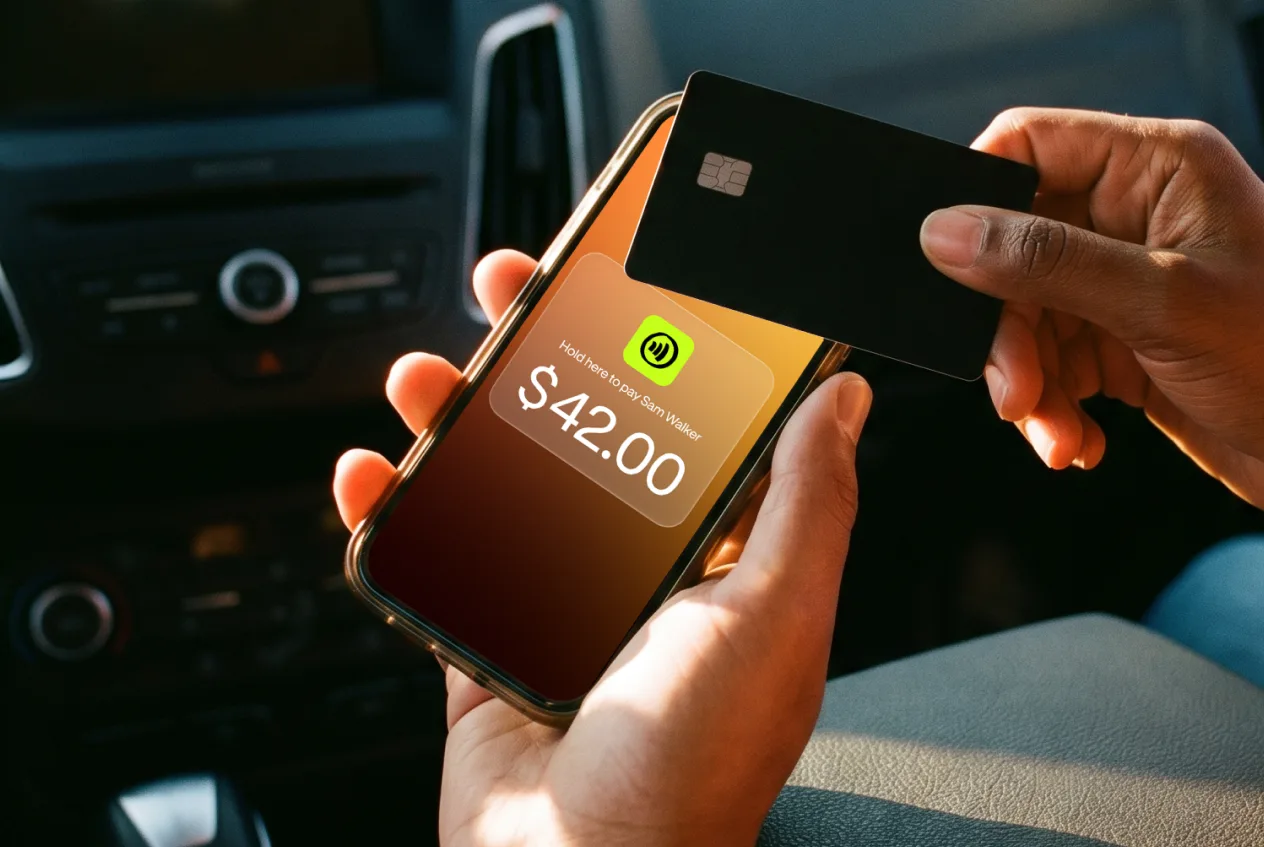
For influencers who sell merchandise or services directly, like at a pop-up event or a workshop, accepting payments on the go is a must. For this, JIM offers a streamlined solution. With JIM, you can accept debit, credit, and digital wallets directly through your smartphone.

At just 1.99% per transaction with no hidden costs or extra hardware, it is a great fit for selling your own products at events. Other providers often charge between 2.5% and 3.5%, so the savings add up. Getting started is simple.

  • Get Started: Download the JIM app for iOS.
  • Make a Sale: Type the sales amount, hit sell, and ask your customer to tap their card or device on your phone.
  • Access Funds: Your money is available on your JIM card as soon as the sale is done.

Here are 3 immediate steps to take:

  • Draft a standard payment clause for your contracts that includes Net 30 terms.
  • Decide on a deposit policy for projects over a certain dollar amount.
  • Download the JIM app to explore its features for in-person sales.

Step 6: Fund your business and manage finances

Most influencers start by bootstrapping, using personal savings or reinvesting money from early brand deals. This approach keeps you debt-free. Plan for about six months of working capital, which could be between $3,000 and $5,000 to cover software, ad spend, and props.

Look for small-scale funding

If you need external cash, consider the SBA Microloan program. These loans range from $500 to $50,000, with interest rates typically between 8% and 13%. Lenders like Accion Opportunity Fund often work with new entrepreneurs. You might also look for creator grants from platforms like YouTube or companies like ConvertKit.

Set up your financial system

A frequent mistake is to mix business and personal money. Open a dedicated business bank account as soon as your LLC is formed. This simplifies tracking and protects your personal assets. Use a simple spreadsheet or free accounting software like Wave to log every expense and payment.

Here are 4 immediate steps to take:

  • Open a dedicated business bank account.
  • Calculate your working capital needs for the first six months.
  • Research the SBA Microloan program and a local lender.
  • Set up a spreadsheet or a free Wave account to track your finances.

Step 7: Build your team and streamline operations

Most influencers start solo. Once your monthly revenue consistently hits the $3,000-$5,000 range, you might want to start outsourcing. This frees you up to focus on content creation and strategy instead of administrative tasks.

Key roles to outsource

Your first hire is often a part-time contractor, not a full-time employee. This keeps your overhead low. Look for people with proven experience on platforms like Upwork or by asking for referrals in creator communities.

  • Virtual Assistant (VA): Manages your inbox, schedules content, and engages with comments. Expect to pay $15 to $30 per hour.
  • Video Editor: Handles post-production for your videos. Rates can be $25 to $60 per hour or a flat fee, like $150 for a 10-minute YouTube video.

When you have multiple brand deals per month, you could consider an agent or manager. They typically take a 10-20% commission on the deals they secure for you. They handle negotiations and contracts, which can be a huge time-saver.

To manage your new team and content calendar, use a project management platform like Asana or Trello. A mistake many creators make is not defining tasks clearly. Always use a contract that outlines the scope of work, even for small freelance jobs.

Here are 4 immediate steps to take:

  • Audit your weekly tasks to identify what you can delegate.
  • Research VA and video editor rates on a platform like Upwork.
  • Set up a free project board on Asana or Trello for your content calendar.
  • Draft a simple freelance contract template that outlines scope and payment.

Step 8: Market your business and find clients

Start with active brand pitches. Create a list of 20-30 companies that align with your niche and find the marketing or PR manager's contact information on LinkedIn. A personalized email is far more effective than a generic template.

A frequent mistake is to focus your pitch only on follower count. Instead, highlight your engagement rate, which should ideally be between 1% and 3%. Mention your audience demographics and how they match the brand’s target customer.

Create your media kit

Your media kit is your professional resume. It should be a 1-2 page PDF that includes your bio, key statistics, audience demographics, and examples of past work. You can use a free design program like Canva to create one.

The kit should also list your services and starting rates. As a micro-influencer with 10k-50k followers, you might charge $100-$500 for a single Instagram post. A package of one post and three stories could be priced at $400-$800.

In addition to direct outreach, you can join influencer marketing platforms. Services like Aspire, Upfluence, or Grin connect creators with brands. This is a good way to find your first few paid projects and build a portfolio.

Here are 4 immediate steps to take:

  • Create a one-page media kit using a template from Canva.
  • Build a list of 20 target brands that fit your niche.
  • Draft a personalized email pitch template to send to brands.
  • Sign up for an account on an influencer platform like Aspire or Upfluence.

Step 9: Develop your pricing strategy

Your pricing should reflect your value. A frequent mistake is to undercharge just to land the first few deals. Instead, base your rates on your audience size, engagement rate, and the quality of your work. This positions you as a professional from the start.

Establish your pricing models

You can offer services in a few different ways. A mix of models gives brands flexibility and provides you with multiple income streams. Consider these common structures:

  • Cost-Per-Post: A flat fee for a single piece of content, like an Instagram post or a YouTube video.
  • Package Deals: Bundle multiple deliverables, such as one post and three stories, for a single price. This often provides better value for the brand and more work for you.
  • Affiliate Commissions: Earn a percentage (typically 5-15%) of sales generated through a unique link or code you share with your audience.

A good starting point for a flat fee is the 1% rule, which suggests charging $100 per 10,000 followers. For example, with 25,000 followers, your baseline rate for a single post would be $250. Adjust this number up if your engagement rate is above the 3% industry average.

Here are 4 immediate steps to take:

  • Calculate your baseline rate for a single post using the 1% rule.
  • Create three service packages that bundle different types of content.
  • Research affiliate programs in your niche, like Amazon Associates or Rakuten.
  • Update your media kit with a "Services and Rates" section.

Step 10: Maintain quality and scale your operations

Measure your performance

Your quality is measured by data, not formal certifications. Consistently track your engagement rate, which is your total interactions divided by your follower count. A rate between 1% and 3% is solid. Anything higher shows a highly connected audience that brands will value.

Beyond engagement, you should monitor your click-through rate (CTR) on links in stories or your bio. Also, track conversion rates for affiliate links. Many creators make the mistake of focusing only on likes, but brands ultimately want to see clicks and sales from your content.

Know when to grow

Once your monthly revenue is consistently in the $3,000-$5,000 range, it might be time to scale. Another sign is when you spend over 10 hours a week on administrative tasks like email and content schedules. This is time you could use for content creation.

As you grow, spreadsheets may not be enough. You might want to use more advanced analytics platforms. For YouTube creators, a service like TubeBuddy or VidIQ can provide deep insights into video performance and keyword opportunities, which helps you make data-driven content decisions.

Here are 4 immediate steps to take:

  • Calculate your average engagement rate from your last 10 posts.
  • Track your time for one week to see how many hours go to admin tasks.
  • Research an analytics platform like TubeBuddy to understand its features.
  • Review your income for the last three months to see if it can support hiring help.

Building an influencer business is a marathon, not a sprint. The key is consistency in your content and engagement with your audience. You have the plan, so take that first step with confidence.

As you grow, you might sell your own products. For that, JIM offers a simple payment solution on your smartphone for a 1.99% transaction fee, no extra hardware needed. Download JIM and be ready for your first sale.

Sell and get paid instantly1 with JIM

Start selling
Hand holding a smartphone with the JIM app interface, showing a $2,100.00 Visa card balance and a keypad to enter a $42.00 transaction. The background features a futuristic rocky landscape and digital wrist overlay.