MCC 5983 is a merchant category code the International Organization for Standardization uses to classify fuel dealers selling fuel, oil, wood, and coal. This classification applies to businesses whose main revenue comes from selling these specific fuel types directly to consumers or other companies. Transactions under this code typically involve the purchase of heating oil for homes, wood for stoves, or coal for various heating applications from these specialized suppliers.
Which businesses fall under MCC 5983?
MCC 5983 applies to a broad range of fuel supply establishments:
- Fuel Oil Dealers: These companies deliver heating oil directly to residential and commercial properties. They often operate on a scheduled or on-demand basis, like regional providers such as Petro Home Services.
- Propane (LPG) Dealers: Businesses in this category supply liquefied petroleum gas for various uses, including home heating and appliances. National distributors like AmeriGas and Ferrellgas are prominent examples in this sector.
- Bottled Gas Exchange Services: These services provide pre-filled propane tanks for barbecue grills, patio heaters, and RVs. You can find exchange cages from companies like Blue Rhino at many retail locations.
- Firewood and Wood Pellet Suppliers: These merchants sell processed wood products for heating, such as seasoned firewood bundles or bags of wood pellets. Many local farms or landscaping companies offer these products for delivery.
- Coal Merchants: Specializing in the sale of coal, these dealers supply fuel for residential stoves and industrial furnaces. While less common today, local coal yards still serve specific markets.
- Kerosene Suppliers: These businesses sell kerosene for use in portable space heaters, lamps, and some older heating systems. They can be standalone suppliers or specialized departments within larger stores.
Business implications of MCC 5983
Payment networks including Visa, Mastercard, American Express, and Discover use MCC 5983 to categorize transactions, which affects several aspects of business operations. These networks evaluate the risk associated with a business based on its MCC. For fuel dealers under MCC 5983, this classification can influence interchange rates, which are the fees paid for processing card transactions.
Beyond risk assessment and transaction fees, this code has other operational uses. It helps with internal financial management and can shape how customers choose to pay, providing a framework for expense management and customer engagement strategies.
Expense tracking
Companies use MCC codes to automatically sort business expenses. When an employee purchases fuel, the transaction is tagged with MCC 5983 on the credit card statement, which simplifies the identification of fuel-related costs for accounting and potential tax deductions as operational expenses.
Financial analysis
Businesses can perform detailed financial analysis with MCC-sorted data. By isolating transactions under MCC 5983, a company can track fuel consumption patterns, identify opportunities for cost reduction, and develop more accurate forecasts for future energy expenses and budget allocations.
Compliance and auditing
Consistent MCC application strengthens internal controls and simplifies audits. The code provides a clear audit trail, allowing auditors to quickly verify that expenses claimed as fuel costs were legitimate purchases from appropriate suppliers.
Rewards and customer behavior
MCCs affect customer payment habits through credit card rewards programs. Card issuers may offer bonus points for purchases in specific categories, so a customer with a fuel rewards card is incentivized to pay at businesses classified under MCC 5983.
How to verify your business's MCC
Fuel dealer owners should confirm their MCC classification for proper transaction processing and to prevent customer confusion about rewards eligibility. If you find an incorrect classification, such as a firewood supplier coded as a convenience store, contact your payment processor immediately to request reclassification.
Here's how to verify if your MCC classification is set up correctly:
- Contact Your Payment Processor: Your merchant services provider assigned the MCC code when you set up your account. To verify your classification, contact their customer service department or review the details in your original merchant agreement documents.
- Review Processing Statements: Your monthly merchant statements typically display the assigned MCC code. Look for a four-digit number listed in the account information or business profile section of the statement. This number represents your current business classification.
- Check with Your Acquirer: The acquiring bank or financial institution that processes your transactions maintains the MCC code in their system. You can reach out to their merchant support team, who can look up and confirm your current classification.
- Test Transaction Method: Some merchants process a small test transaction on a personal credit card and then check the statement to see how the purchase is categorized. Note that this method is less reliable than direct confirmation from your processor.
How to choose a reliable payment service provider
Your MCC 5983 classification affects interchange rates, making your choice of payment processor a major business decision. Providers handle these transactions with varied pricing, settlement speeds, and support. These differences accumulate, so consider the following factors when you select a partner.
- Transparent pricing: Choose a provider with flat-rate pricing to avoid complex models that obscure transaction costs. The JIM tap-to-pay app for iPhone and Android charges 1.99% per transaction with no setup costs, monthly fees, or premium card surcharges.
- Payment method support: Your processor should accept all major credit cards, including Visa, Mastercard, and Discover, plus digital wallets like Apple Pay and Google Pay to meet customer expectations.
- Fast fund access: Fuel dealers have immediate cash flow needs. A processor with quick fund access helps you manage operational costs like restocking inventory, paying suppliers, and covering payroll without delay.
- Security: Your provider must protect customer data with encryption and tokenization. JIM uses tokenization for every transaction, so card numbers are never stored on your device, which reduces your liability in a data breach.
- Reporting: Detailed analytics help you track business performance. JIM’s AI assistant provides sales reports and transaction history through a chat interface, making financial tracking straightforward.
Streamline payments with JIM
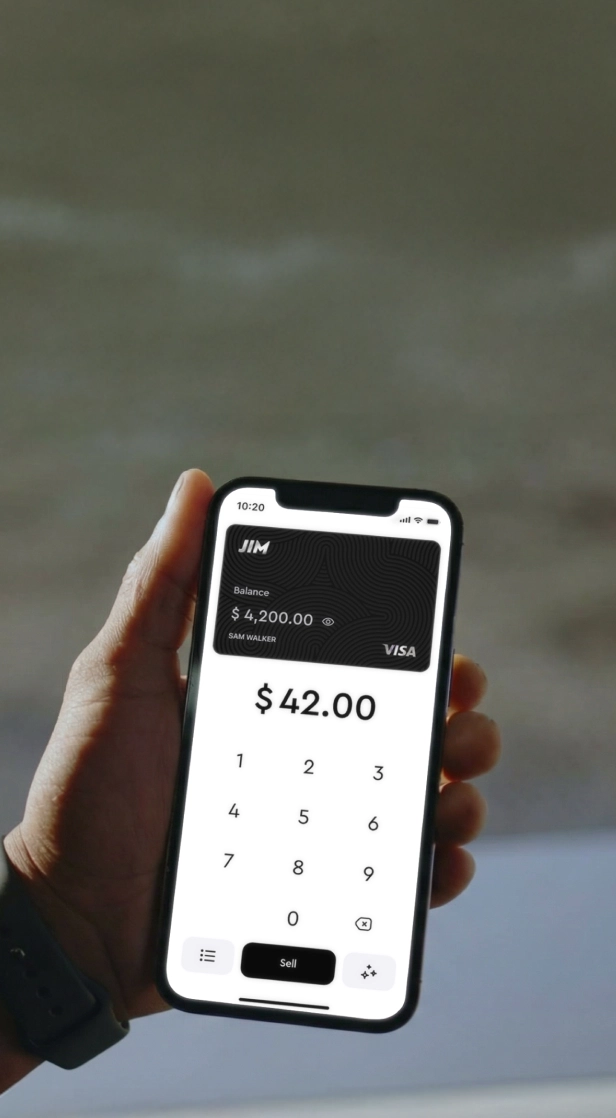
JIM offers fuel dealer owners a straightforward payment processing solution. The JIM tap-to-pay app turns your iPhone or Android device into a payment terminal with NFC technology, so you need no extra hardware. You pay a flat 1.99% per transaction with no setup costs, monthly fees, or variable rates for premium cards.
For remote transactions, you can create link payments (for pre-orders or invoice payments) at a rate of 4.99% + $0.30 per sale. Once a customer pays, the funds become available instantly on your JIM Visa Prepaid Card. You can add this card to Apple Pay or Google Pay for immediate use.
.avif)