Starting a baby equipment rental business is a rewarding venture that combines a passion for helping families with sharp business savvy. With the baby care market valued in the billions, there is consistent demand for rental equipment from traveling families, grandparents preparing for a visit, or parents who want to test gear.
This guide will take you through the practical steps of validating your business concept, acquiring the right inventory, obtaining necessary permits, and building supplier relationships to help you launch a successful baby equipment rental business in the U.S.
Step 1: Plan your business and validate your idea
First, confirm there is a real need in your area. You can join local parent groups on Facebook to see what gear people wish they had for visitors. Another good step is to call a few hotel concierges and ask if they receive requests for baby equipment rentals.
Next, size up the competition. Search Google Maps and Yelp for “baby equipment rental” in your city. A frequent oversight is to ignore indirect competitors, like hotels that provide cribs themselves. Note their inventory, prices, and delivery fees to find your own market gap.
Estimate your startup costs
Your initial investment will likely range from $5,000 to $12,000. The largest portion is inventory, which can run from $3,000 to $7,000 for high-quality cribs, car seats, and strollers. Also, budget for liability insurance ($1,000-$2,500 annually) and business permits ($300-$800).
Here are 3 immediate steps to take:
- Join three local online parent groups to monitor gear discussions.
- Search Google Maps and Yelp for existing rental services in your target area.
- Create a preliminary budget with estimated costs for inventory, insurance, and permits.
Step 2: Set up your legal structure and licensing
Choosing a business structure is one of your first big decisions. Many new owners opt for a Limited Liability Company (LLC). It separates your personal assets from business debts, which is a smart move when you rent equipment used by children.
A sole proprietorship is simpler but offers no liability protection. A corporation provides similar protection to an LLC but involves more complex tax filings and formalities. This can be overkill for a small rental operation just starting out.
Federal, state, and local requirements
First, get an Employer Identification Number (EIN) from the IRS. It’s your business's social security number, and you can apply online for free to receive it immediately. You will need this for bank accounts and taxes.
Next, register your business with your state, usually through the Secretary of State's office. This process can cost between $50 and $200. Processing times vary from a few days to a couple of weeks, so plan ahead.
Don't forget local permits. Your city or county clerk’s office issues a general business license, which can range from $50 to $400 annually. If you operate from home, you may also need a home occupation permit.
A mistake some owners make is not staying current with the Consumer Product Safety Commission (CPSC). This agency sets safety standards for baby gear. You must track their recall list to ensure your inventory is always safe for use.
Here are 4 immediate steps to take:
- Decide if an LLC is the right structure for your business.
- Apply for a free Employer Identification Number (EIN) on the IRS website.
- Find your state’s business registration forms on the Secretary of State website.
- Check your city’s government website for business license application details.
Step 3: Secure your insurance and manage risk
Your first move is to get general liability insurance. This protects your business if equipment causes injury or property damage. Aim for a policy with at least $1 million in coverage, which typically costs between $600 and $2,000 per year.
Key insurance policies to consider
Beyond general liability, you should add product liability coverage. This specifically covers claims related to the products you rent. If you use a vehicle for deliveries, a commercial auto policy is necessary as personal insurance will not cover business use.
Also, consider inland marine insurance, a type of property insurance that protects your inventory while it is in transit or at a customer's location. This is different from standard property insurance, which only covers items at your business address.
A frequent misstep is to only insure items for their current value. Always get replacement cost coverage. This ensures you can buy new gear if something is damaged or stolen, not just receive its depreciated cash value.
When you look for a provider, you might want to start with companies like The Hartford, Hiscox, or Next Insurance. An independent insurance broker who specializes in rental businesses can also be a great resource to compare quotes and find the best fit.
Here are 4 immediate steps to take:
- Request quotes for a $1 million general liability policy that includes product liability.
- Ask an agent about inland marine insurance to cover your inventory in transit.
- Confirm if you need a commercial auto policy for your delivery vehicle.
- Develop a safety and maintenance log for each piece of equipment.
Step 4: Select a location and purchase your inventory
Most new owners operate from home. You will want to check your local zoning ordinances for rules on home-based businesses, as some have restrictions on inventory storage. A dedicated space of 100-200 square feet, like a garage or spare room, is usually enough to start.
Build your starting inventory
Your initial inventory budget will likely be between $3,000 and $7,000. A frequent mistake is buying too much variety at first. You should focus your funds on high-demand items and expand your offerings based on customer requests.
Start with a few units of core gear. High-quality car seats run $200-$400, full-size cribs cost $150-$300, and strollers can range from $150-$500. Customers often look for trusted brands like Graco, Chicco, or UPPAbaby, so it is wise to stock them.
When you begin, you can purchase new items directly from retailers like Amazon or Target to avoid wholesale minimums. For safety and liability, always buy new equipment. Never use second-hand items for your rental inventory, as you cannot verify their history or condition.
Here are 4 immediate steps to take:
- Check your city’s zoning rules for operating a business from your home.
- Create a shopping list for a starter set of 2-3 cribs, car seats, and strollers.
- Research top-rated models from brands like Graco, Chicco, and UPPAbaby.
- Compare prices for new equipment from major retailers.
Step 5: Set up your finances and payment systems
Establish your payment terms
Most rental businesses require full payment at booking. You should also collect a security deposit, typically $50-$100 per major item. This is refunded after you inspect the returned gear. A clear rental agreement should outline these terms for your customers.
Some owners make the mistake of not having a clear policy for cancellations or damaged items. Your rental agreement is the place to define these rules, such as keeping the deposit for damages or charging a cancellation fee for last-minute changes.
Choose your payment processor
You will need a way to accept credit cards online and in person. Look for a solution with low transaction fees and no monthly charges, since sales may fluctuate. Many other processors have rates that climb to 3% or more, so compare your options carefully.
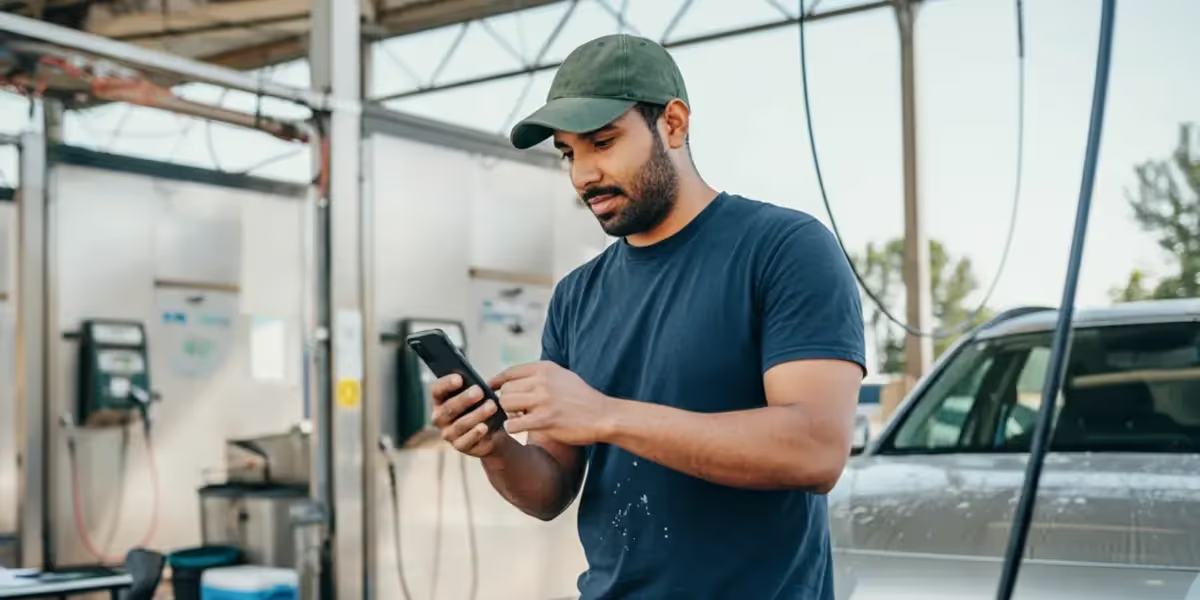
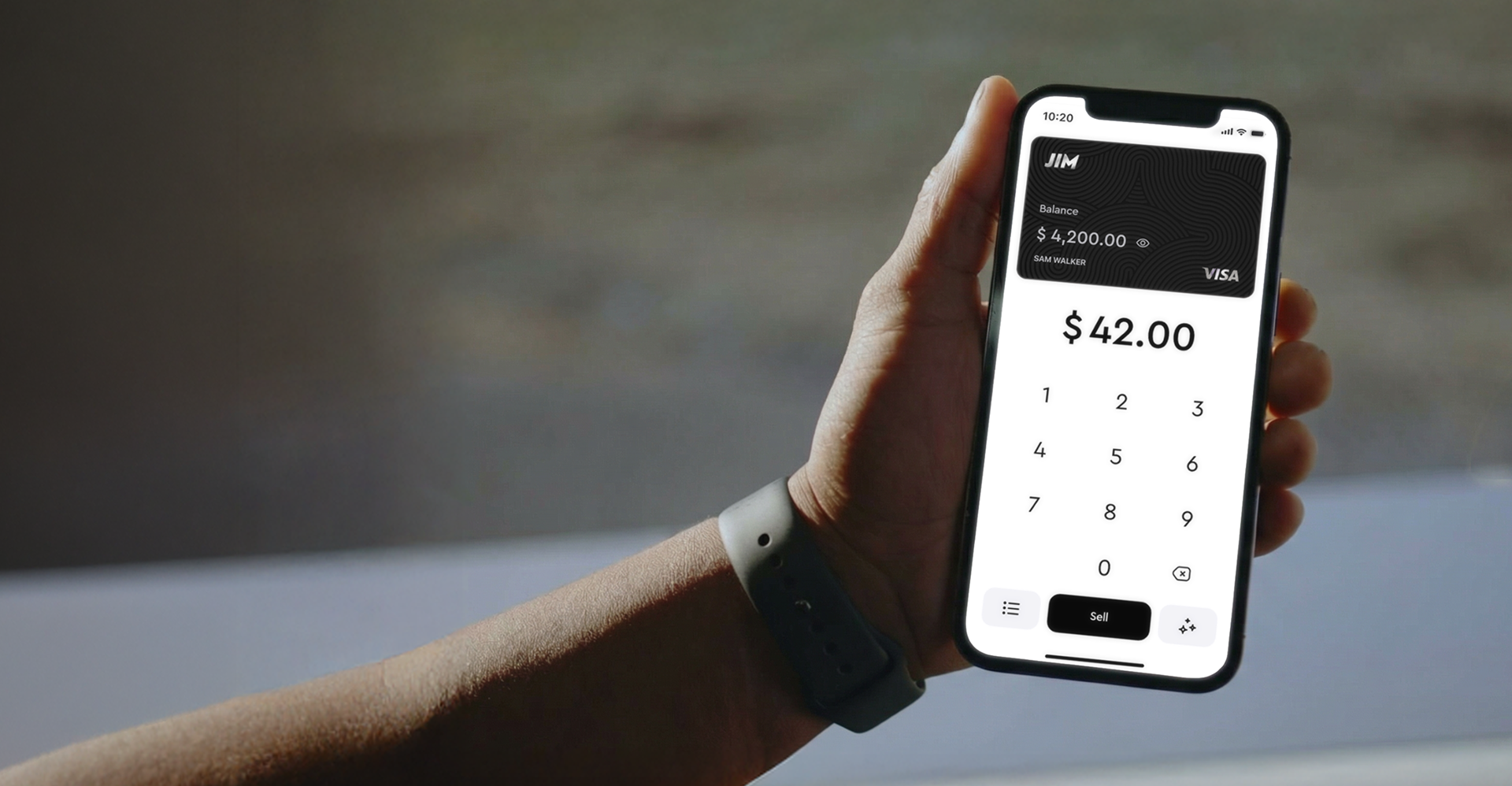
For a business that needs to accept payments on-site, JIM offers a streamlined solution. With JIM, you can accept debit, credit, and digital wallets directly through your smartphone. Just tap and you are done. The rate is just 1.99% per transaction with no hidden costs or extra hardware.
This is particularly useful for last-minute airport deliveries or hotel drop-offs. Here is how it works:
- Get Started: Download the JIM app for iOS.
- Make a Sale: Type the sales amount, hit sell, and ask your customer to tap their card or device on your phone.
- Access Funds: Your money is available on your JIM card as soon as the sale is done, with no wait for bank transfers.
Here are 4 immediate steps to take:
- Decide on your security deposit amount for items like cribs and car seats.
- Draft a clear rental agreement that outlines your payment and deposit policies.
- Compare payment processors, noting their transaction fees and payout schedules.
- Download the JIM app to see if it fits your on-the-go payment needs.
Step 6: Fund your business and manage your finances
Many owners self-fund their initial inventory with personal savings or a business credit card. This is often the fastest route. For larger needs, you might consider an SBA Microloan, which offers up to $50,000 with interest rates typically between 8% and 13%.
You should plan for $2,000 to $4,000 in working capital to cover your first six months. This fund handles insurance, marketing, and unexpected repairs. Some new owners make the mistake of spending their entire budget on inventory, leaving no cash for operations.
Keep your finances organized
Open a dedicated business bank account right away. It keeps your personal and business finances separate, which makes tax season much simpler. This also helps you build a financial history for your business, which is useful for future loans.
To track your income and expenses, you can use software like QuickBooks Self-Employed or Wave. These platforms help you see your profitability and prepare for tax filings. Consistently update your records weekly to stay on top of your cash flow.
Here are 4 immediate steps to take:
- Research SBA Microloan lenders and their specific application requirements.
- Open a dedicated business bank account to separate your finances.
- Create a six-month budget that includes your working capital needs.
- Set up an account with QuickBooks Self-Employed or Wave to track transactions.
Step 7: Hire your team and streamline operations
You will not need staff on day one. Once you consistently handle 10-15 rentals per week, you might want to hire your first part-time employee. This role is often a hybrid Delivery and Safety Technician who handles deliveries, setup, and equipment maintenance.
Focus on safety and training
Your first hire should be trained on your specific cleaning and inspection protocols. For anyone who installs car seats, a Child Passenger Safety Technician (CPST) certification is a must. This training shows customers you prioritize safety and reduces your liability.
A mistake some owners make is not documenting their cleaning process. You should create a multi-point checklist for each item. This ensures every piece of gear is sanitized and inspected the same way every time, no matter who does the work.
Streamline your booking and scheduling
As you grow, manual tracking becomes difficult. You can use rental management software like Booqable or Rentle to automate your inventory, scheduling, and customer communication. These systems prevent double bookings and save you hours of administrative work each week.
When you hire, be careful to classify your workers correctly. A delivery driver who works set hours and uses your procedures is an employee, not an independent contractor. Misclassification can lead to significant penalties from the IRS, so it is best to get this right from the start.
Here are 4 immediate steps to take:
- Look up Child Passenger Safety Technician (CPST) courses in your area.
- Draft a job description for a part-time Delivery and Safety Technician.
- Create a detailed cleaning and inspection checklist for each inventory item.
- Compare the features of rental software like Booqable and Rentle.
Step 8: Market your business and get customers
Your first marketing move should be to set up a Google Business Profile. Fill it out completely with your service area, hours, and photos of your clean gear. Use keywords like “crib rental [your city]” and “stroller rental near me” in your description to show up in local searches.
Build local partnerships
You can create a reliable customer pipeline through partnerships. Contact concierges at family-friendly hotels and property managers for vacation rentals. Offer them a 10-15% referral fee for each booking they send your way. These partners connect you with travelers who need your service.
A frequent misstep is to overlook social media's power to build trust. Use Facebook and Instagram to post pictures of your equipment and share customer testimonials. Instead of just promoting sales, offer helpful tips for traveling with kids to create an engaged community.
As you market, track your results. A good website conversion rate from a visitor to a booking is around 2-4%. You should aim to keep your Customer Acquisition Cost (CAC) under $50. If you spend $200 on ads and get five customers, your CAC is $40.
Here are 4 immediate steps to take:
- Create and fully populate your Google Business Profile.
- Draft an email to send to three local hotels about a referral partnership.
- Schedule your first week of social media posts with a mix of gear photos and travel tips.
- Calculate your target Customer Acquisition Cost based on your marketing budget.
Step 9: Set your pricing and create packages
Choose your pricing model
Most businesses use a daily and weekly rate. A good rule is to make the weekly rate equal to about five daily rentals. For example, if you rent a crib for $20 per day, a weekly rental might be $100. This encourages longer bookings.
You can also create packages. A "Beach Baby" bundle with a portable play yard, sun tent, and wagon could have a flat rate. This simplifies choices for customers and often increases the total order value.
Research your local market
To set your rates, you need to see what competitors charge. Create a simple spreadsheet and list the prices for core items from at least three other local services. Note their delivery fees and minimum rental periods, too.
Some owners think they must have the lowest price, but that is not always the best strategy. If you offer premium brands like UPPAbaby or provide exceptional service, you can often charge 10-15% more than the competition.
Your goal is a gross profit margin of 60-75%. This means you should aim to earn back the cost of an item, like a $400 car seat, within its first 5-7 rentals. This ensures your business stays profitable after you account for costs.
Here are 4 immediate steps to take:
- Create a spreadsheet to compare prices from three local competitors.
- Set daily and weekly rates for your top three inventory items.
- Design one package deal, like a "Beach Baby" bundle.
- Calculate how many rentals you need to recoup the cost of a new stroller.
Step 10: Maintain quality and scale your operations
Your reputation depends on quality. Make it a habit to check the CPSC recall list monthly. When you purchase new gear, look for items with a Juvenile Products Manufacturers Association (JPMA) certification seal. This shows customers you prioritize safety standards.
You can measure service quality with customer feedback. Aim for an average review score of 4.8 stars or higher on Google. Another good metric is your repeat customer rate. A rate of 20% within your first year shows you are building loyalty.
Know when to grow
Growth should be deliberate. Once you consistently handle 20-25 rentals per week, it is likely time to find a larger storage space or hire a second part-time employee. A mistake some owners make is to expand inventory too fast, which can strain cash flow.
As you grow, manual tracking becomes a bottleneck. Rental software like Booqable or Rentle automates your bookings and inventory. You might also want to reinvest 15-20% of your profits back into the business to fund new equipment or marketing efforts.
Here are 4 immediate steps to take:
- Set a monthly calendar reminder to check the CPSC recall list.
- Start a simple spreadsheet to track your average customer review score.
- Define your next growth benchmark, such as 25 weekly rentals.
- Review the features of rental software like Booqable or Rentle.
You now have the steps to build a business that helps families travel with ease. Your success will depend on your reputation, so make safety and cleanliness your top priorities. With careful planning, you are well-equipped to launch a rewarding venture.
And when it comes to getting paid, keep it simple. JIM lets you accept card payments directly on your smartphone for a flat 1.99% fee, no extra hardware needed. Download JIM and you are ready for your first customer.
.avif)