Starting a bowling alley is a rewarding venture that blends a passion for entertainment with sharp business savvy. It's a multi-billion dollar industry with steady demand for lanes and fun from families, league players, and corporate events.
This guide will take you through the practical steps of validating your business concept, selecting the right location, securing funding, and acquiring equipment to help you launch a successful bowling alley business in the U.S.
Step 1: Plan and validate your business idea
Begin with market research to confirm demand. Use U.S. Census Bureau data to analyze the demographics of your target neighborhoods. You should also survey potential customers at local family entertainment centers or community events to gauge interest and preferred amenities.
Next, identify your competition. Your local Chamber of Commerce can provide a list of registered businesses. For a deeper look at market saturation and industry trends, you can review reports from market research firms like IBISWorld.
Understand your startup costs
A realistic budget is your foundation. New lane installation can run from $40,000 to $60,000 per lane, including scoring systems. Refurbished equipment offers a more accessible entry point, often between $15,000 and $25,000 per lane. Many new owners get tripped up by renovation costs.
With this in mind, a small 8-lane center could require an initial investment from $500,000 to over $1.5 million, depending on the building, location, and whether you include a bar or restaurant. Secure quotes for construction and equipment early.
Here are 3 immediate steps to take:
- Analyze demographic data for at least two potential locations.
- List all bowling alleys and family fun centers within a 20-mile radius.
- Create a preliminary budget with itemized cost estimates for lanes and renovation.
Step 2: Establish your legal entity and secure licenses
Choose your business structure
Most new bowling alley owners form a Limited Liability Company (LLC). This structure protects your personal assets from business debts. You should file your LLC with your state's Secretary of State, which typically costs between $50 and $500.
After you register, get an Employer Identification Number (EIN) from the IRS. You will need this free number to open a business bank account. A frequent misstep is mixing personal and business funds, which can remove your liability protection.
Navigate permits and licenses
Your city or county clerk's office issues a general business license. For renovations, you will need a building permit. Once construction is complete, you must pass an inspection to receive a Certificate of Occupancy before you can open.
If you plan to serve food or alcohol, the requirements become more complex. A food service license from your local health department is mandatory. A liquor license from your state's Alcoholic Beverage Control (ABC) board can take 6-12 months and cost several thousand dollars.
Here are 3 immediate steps to take:
- File your LLC formation documents with your Secretary of State.
- Apply for a free Employer Identification Number (EIN) on the IRS website.
- Contact your local health department and state ABC board about application timelines.
Step 3: Secure insurance and manage risk
Find the right insurance coverage
You will need several types of insurance. General liability covers customer injuries, while property insurance protects your building and equipment. If you have employees, workers’ compensation is mandatory in most states. Many new owners overlook the specific risks of a bowling alley, like slip-and-falls or equipment-related injuries.
If you serve alcohol, liquor liability insurance is non-negotiable. A policy with $1 million in coverage can cost between $3,000 and $10,000 annually. Also, you will need commercial auto insurance if the business owns any vehicles for errands or events.
Choose an insurance provider
You might want to work with an agent who understands entertainment venues. Consider getting quotes from providers like McGowan Allied Specialty Insurance, The Hartford, or Nationwide. A general agent may not grasp the unique risks involved, which could leave you with coverage gaps.
Here are 3 immediate steps to take:
- Request quotes for a $1 million general liability policy from three different insurers.
- Confirm your state's workers' compensation requirements.
- Ask potential insurers about their specific coverage for liquor liability and equipment malfunction.
Step 4: Select your location and buy equipment
Look for buildings with at least 12,000 to 15,000 square feet for an 8-lane center. This space accommodates lanes, seating, and a front desk. You will also need room for a small arcade or party area to increase revenue.
Your property must have the correct commercial zoning, so confirm this with the city planning department before you sign anything. When you negotiate a lease, aim for a 10-year term with renewal options. The high installation costs make short-term leases risky.
A frequent oversight is not negotiating a Tenant Improvement (TI) allowance. Ask the landlord to contribute funds for the build-out, especially for specialized needs like reinforced flooring or upgraded HVAC systems. This can save you tens of thousands of dollars.
Equip your lanes and facility
You can get complete lane packages from suppliers like Brunswick or QubicaAMF. A refurbished package might cost $15,000 to $25,000 per lane. Remember to budget for shoes ($30-$50 per pair) and house balls ($40-$60 each).
These major suppliers typically sell full systems rather than individual parts to new centers. They also provide installation and support. For smaller items like pins or shoes, you can use distributors like Classic Products or Ace Mitchell.
Here are 3 immediate steps to take:
- Identify two properties with 12,000+ square feet and commercial zoning.
- Ask a commercial real estate agent about typical Tenant Improvement allowances in your area.
- Request full package quotes from at least two major equipment suppliers.
Step 5: Set up your payment system
Your bowling alley will need to accept payments for lane time, shoe rentals, and food and drinks. You will also handle deposits for birthday parties and corporate events. Look for a payment solution that can manage all these transaction types reliably.
Many new owners get caught by high monthly fees or long-term contracts. Compare transaction rates carefully. While many providers charge between 2.5% and 3.5% plus hardware costs, you can find more modern, affordable options.
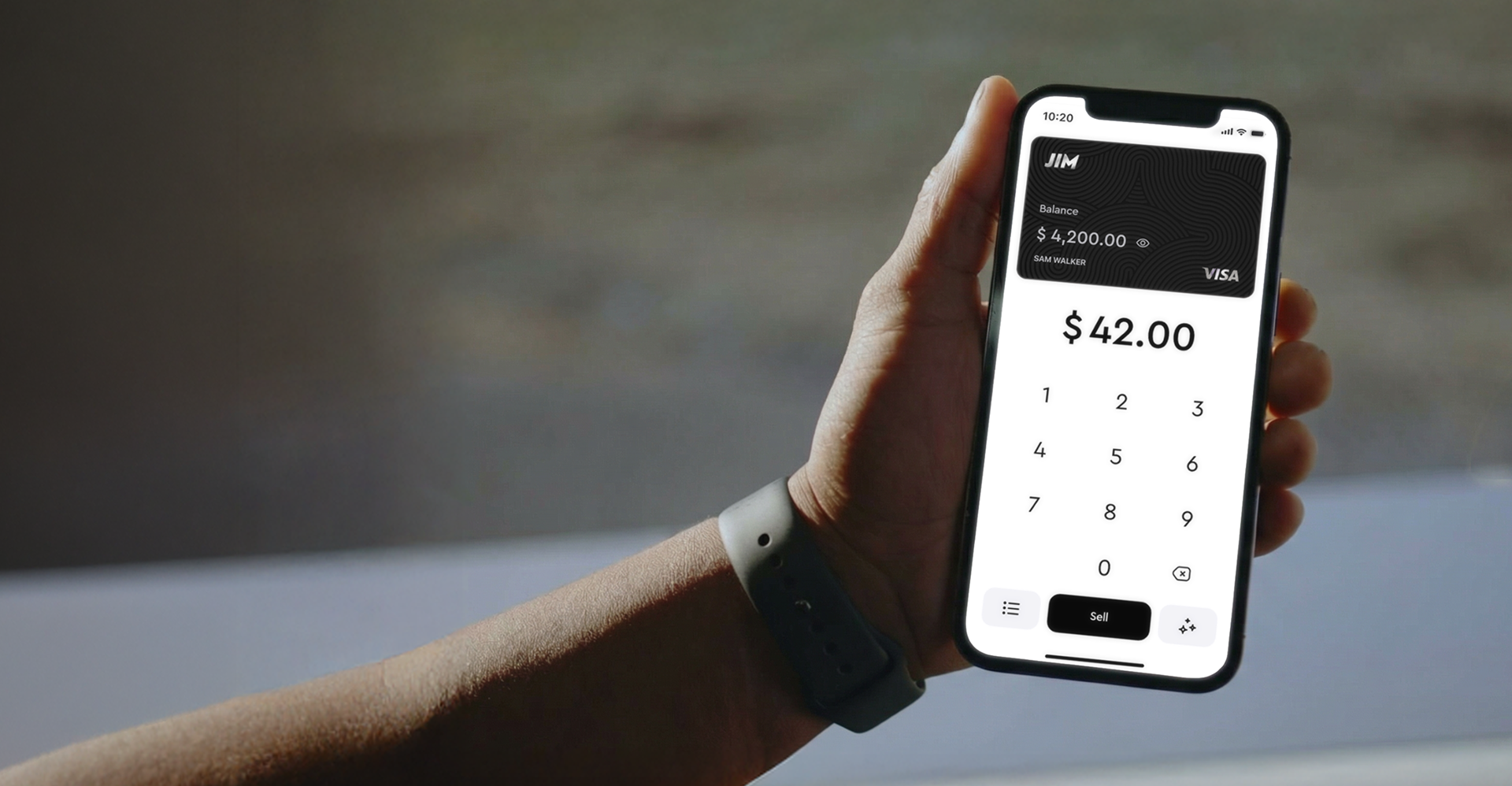
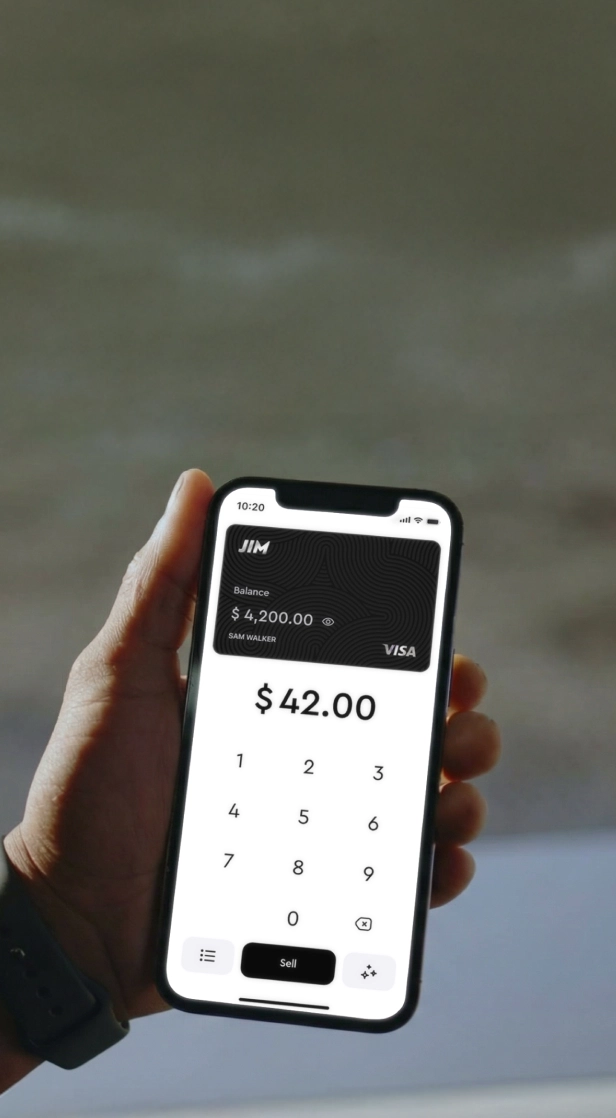
For businesses that need to accept payments on-site, JIM offers a streamlined solution. With JIM, you can accept debit, credit, and digital wallets directly through your smartphone. Just tap and the sale is done. It is a great fit for taking payments for league fees or party add-ons right at the lane.
At just 1.99% per transaction with no hidden costs or extra hardware needed, it is a very competitive rate.
- Get Started: Download the JIM app for iOS.
- Make a Sale: Type the sales amount, hit sell, and ask your customer to tap their card or device on your phone.
- Access Funds: Your money is available right on your JIM card as soon as the sale is done. There is no waiting for bank transfers.
Here are 3 immediate steps to take:
- Compare the transaction fees and monthly costs of three different payment processors.
- Map out all the ways you will accept payments, from the front desk to party rooms.
- Download the JIM app to see how it works on your phone.
Step 6: Secure funding and manage your finances
The Small Business Administration (SBA) is a great starting point. SBA 7(a) loans can provide up to $5 million for equipment and working capital. The 504 loan program is another option, specifically for real estate and major equipment, often with a 10% down payment.
For any loan, lenders will want a detailed business plan with realistic financial projections. You should have a credit score above 700 and be ready for a down payment of 20-30%. Many applications get rejected due to weak projections, so spend time on your numbers.
Plan for your working capital
Beyond the initial build-out, you need cash to operate. Plan to have at least six months of working capital set aside. For an 8-lane center, this could be $100,000 to $200,000 to cover payroll, rent, utilities, and inventory before you generate consistent revenue.
While large grants for bowling alleys are uncommon, you might find support through local economic development programs. Your local Small Business Development Center (SBDC) can help you identify these opportunities for free.
Here are 3 immediate steps to take:
- Contact your local Small Business Development Center (SBDC) for loan application guidance.
- Calculate your estimated operating expenses for the first six months.
- Request a business loan checklist from two different local banks to see their requirements.
Step 7: Hire your team and set up operations
Build your core team
Your team is the face of your business. Key hires include a General Manager ($50k-$70k salary) to run the show and a skilled Lane Technician ($40k-$60k). You will also need front desk staff and shoe rental attendants at around $15-$20 per hour.
Many new owners underestimate the need for a great lane mechanic. A single broken lane on a Saturday night costs you revenue. When you buy your equipment package from suppliers like Brunswick or QubicaAMF, ask about their technician training programs.
Handle training and software
If you have a bar, your staff will need alcohol server training, like a TIPS certification. For the kitchen, health departments often require a manager with a food safety certification, such as ServSafe, to be on-site.
Once you have a team, you need to manage them. Modern bowling alleys run on integrated software like CenterEdge or Brunswick's Sync. These systems handle lane reservations, scoring, and employee schedules, which helps you avoid understaffing on busy league nights.
Manage your labor costs
With your team in place, you should plan for payroll to be about 25-35% of your total revenue. This is a typical benchmark for the industry. Careful scheduling is the best way to control these costs without hurting the customer experience.
Here are 4 immediate steps to take:
- Draft job descriptions for a General Manager and a Lane Technician.
- Check your state's requirements for TIPS and ServSafe certifications.
- Request a demo from an industry management software provider like CenterEdge.
- Outline a sample weekly staff schedule based on projected busy hours.
Step 8: Market your business and attract customers
Build excitement before you open
Start your marketing 6-8 weeks before your grand opening. Create social media profiles on Facebook and Instagram. Post behind-the-scenes photos of the renovation and lane installation. This builds a following before you even open your doors.
A frequent oversight is waiting until opening day to market. You want to generate buzz early. A simple website with a countdown timer and an email signup form for updates can capture early interest from potential customers.
Launch with a grand opening event
Plan a memorable grand opening. Offer first-day specials like "first game free" or discounted food and drinks. Invite local media and influencers for a preview event. This can generate free press and social media coverage that reaches thousands.
Develop your marketing channels
Focus on a mix of digital and local outreach. Use social media to promote weekly specials. A successful campaign might involve a "Bowl a Strike, Win a Prize" night promoted on Facebook to drive traffic on a slow weeknight.
For local marketing, reach out to businesses about corporate party packages and connect with schools for field trip opportunities. This creates multiple revenue streams beyond casual bowlers.
League bowlers provide consistent revenue. Contact your local United States Bowling Congress (USBC) association to promote your new leagues. Offer an early bird discount for teams that sign up before the grand opening to help fill your schedule.
Here are 4 immediate steps to take:
- Create Facebook and Instagram pages and post "coming soon" content.
- Draft a plan for your grand opening event, including special offers.
- Contact three local businesses to pitch corporate event packages.
- Reach out to your local USBC association to get your leagues listed.
Step 9: Develop your pricing strategy
First, decide if you will charge per game or per hour. Per-game pricing, often $5-$8 per person, works well for walk-ins. Hourly rates, typically $30-$50 per lane, are better for groups and encourage longer stays. Many successful alleys use both.
Many new owners just copy a competitor's prices, but this overlooks your unique value. Instead, base your rates on your atmosphere and service. If you offer a premium experience, you can justify a higher price point. Your pricing should reflect the value you provide.
Factor in your profit drivers
With your lane pricing in mind, remember that concessions and extras drive profits. Your lanes get people in the door, but you should aim for a 70-80% profit margin on food and beverages. An arcade or party room also generates high-margin revenue.
You can bundle these services into packages. For example, a "Family Fun Pack" with two hours of bowling, shoe rentals, a pizza, and soda for $99 can increase the average transaction value and simplify choices for your customers.
Use dynamic and group pricing
To maximize revenue, you might want to implement dynamic pricing. Charge a premium on Friday and Saturday nights, perhaps $50 per hour, and offer discounts during slower periods like weekday afternoons. This helps smooth out demand throughout the week.
Speaking of different customer types, develop separate pricing for leagues and corporate events. League bowlers provide steady income, so you can offer them a lower per-game rate. Corporate packages should be priced per person and can include food and dedicated staff.
Here are 4 immediate steps to take:
- Survey the pricing of three competing bowling alleys within a 20-mile radius.
- Calculate the cost per lane per hour to determine your break-even price.
- Create three sample package deals for families, corporate events, and date nights.
- Draft a weekly pricing schedule with different rates for peak and off-peak hours.
Step 10: Maintain quality and scale your operations
To ensure a top-notch experience, you can get your lanes certified by the United States Bowling Congress (USBC). This shows leagues you meet professional standards. Also, create your own checklist for daily tasks like cleaning and pinsetter maintenance.
You can keep a pulse on quality by tracking a few key numbers. Aim for a lane uptime of 98% or higher. You can also use simple surveys to measure customer satisfaction, with a goal of a Net Promoter Score (NPS) above 50.
Know when to grow
With your operations running smoothly, you can look toward expansion. If your lane utilization consistently exceeds 80% on peak nights for a full quarter, it might be time to add more lanes or consider a second location. This is a sign that demand outstrips your supply.
Many owners make the mistake of expanding before their first location is stable. Before you invest in growth, make sure your existing business is consistently profitable and customer feedback is strong. Your management software, like CenterEdge, often has analytics to help you spot these trends.
Here are 4 immediate steps to take:
- Contact your local USBC association to schedule a lane certification.
- Create a daily quality control checklist for staff.
- Set up a system to track lane uptime and customer satisfaction scores.
- Define your peak night lane utilization target (e.g., 80%) to trigger expansion talks.
You now have a solid roadmap to launch your bowling alley. Remember that success hinges on the community you build, not just the lanes you install. Focus on creating a great experience, and you will build a loyal following. Now, go make it happen.
And when you build that following, make payments easy. JIM turns your phone into a card reader to accept payments anywhere for a flat 1.99% fee, with no extra hardware. Download JIM and you are ready for your first customer.
.avif)