How to start a cardboard recycling business: your roadmap

Launch your cardboard recycling business with our roadmap. Get practical steps on funding, licensing, and insurance to avoid costly mistakes.

2 min read time

Copied
How to start a cardboard recycling business
Main topics

Starting a cardboard recycling business is a rewarding venture that combines operational planning and a passion for sustainability with sharp business savvy. With a market valued in the tens of billions, there is steady demand for recycled materials from packaging companies, paper mills, and even insulation manufacturers.

This guide will take you through the practical steps of obtaining licenses, selecting the right location, acquiring equipment, and building supplier relationships to help you launch a successful cardboard recycling business in the U.S.

Step 1: Create your business plan and validate the market

Start by researching local demand. You can contact your municipal waste authority for collection data. Also, review market reports from the Institute of Scrap Recycling Industries (ISRI) to understand pricing trends for Old Corrugated Containers (OCC), the industry term for cardboard.

Once you have a feel for supply, identify your buyers. Use databases like Thomasnet to find paper mills and manufacturers. A frequent oversight is collecting material without first securing a buyer, so it is a good idea to line up two or three potential partners from the start.

Estimating your startup costs

Your initial investment will likely fall between $40,000 and $95,000. This range covers major equipment and initial operational funds, so you may want to map out your financing strategy early. A used vertical baler runs $5,000-$20,000, a forklift $10,000-$25,000, and a box truck $20,000-$40,000.

You should also budget for your facility lease deposit ($5,000-$15,000) and initial permits ($500-$2,000). Remember to account for enough square footage not just for equipment but also for storing sorted materials and finished bales, as underestimating space needs is a common issue.

Here are 3 immediate steps to take:

  • Contact three local supermarkets or retail centers to ask about their current cardboard disposal methods.
  • Research prices for used vertical balers and forklifts on industrial equipment marketplaces.
  • Use Thomasnet to create a list of potential paper mill buyers within a 150-mile radius.

Step 2: Set up your legal structure and get licensed

Most new recycling operators choose a Limited Liability Company (LLC). This structure protects your personal assets if the business faces debt or lawsuits. It also offers pass-through taxation, meaning profits are taxed on your personal return, avoiding the double taxation of a C Corp.

Secure your permits and licenses

With your business structure decided, you can pursue the necessary permits. The process involves federal, state, and local agencies. The Environmental Protection Agency (EPA) sets national standards, but your primary interactions will be with state and local authorities.

Your most time-consuming permit will be the state solid waste facility permit, which can cost $1,000-$5,000 and take 90-180 days to approve. Also, secure a local business license ($50-$400) and confirm your location meets industrial zoning ordinances with your city planning department.

Many people underestimate the timeline for the state permit. They secure a lease and equipment only to find they cannot operate for months. You should start the state application process as soon as you have a potential facility address in mind.

Here are 3 immediate steps to take:

  • File for an LLC with your Secretary of State's office.
  • Download the solid waste facility permit application from your state's environmental protection agency website.
  • Contact your local city or county clerk to ask about zoning requirements for a recycling operation.

Step 3: Secure your insurance and manage risk

With your legal structure in place, the next move is to protect your operation. Insurance for a recycling business is not one-size-fits-all. You will need a package that addresses the specific risks of handling heavy materials and machinery.

Key insurance policies to consider

Start with General Liability insurance, with at least $1 million in coverage, which typically costs $1,500-$3,000 annually. Also, get Commercial Property insurance to cover your facility and expensive equipment like balers and forklifts from fire or theft.

Since you will operate a truck, Commercial Auto insurance is mandatory. Expect to pay $6,000-$12,000 per year for a $1 million liability policy. If you have employees, you must have Workers' Compensation insurance to cover on-the-job injuries, a frequent risk with this type of physical work.

Many new owners try to save money with a general agent, but you should find a broker who specializes in the waste industry. They understand the fire risk of stored cardboard and machinery hazards. Consider providers like AmWINS, RPS, or the specialty divisions at Travelers for knowledgeable service.

Here are 3 immediate steps to take:

  • Request quotes for a $1 million General Liability and a $1 million Commercial Auto policy.
  • Contact an insurance broker with experience in the waste and recycling sector.
  • Confirm your Commercial Property policy covers the full replacement cost of your equipment.

Step 4: Secure your facility and equipment

Find your operational base

Look for a warehouse with 5,000-10,000 square feet in an area zoned for light industrial use, often classified as M-1. A frequent misstep is underestimating space. You need room not just for equipment, but also for storing loose cardboard and dozens of finished bales before shipment.

When you negotiate a lease, ask about floor load capacity to ensure it supports a forklift and stacked bales. Also, confirm the facility has 3-phase power for your baler. An upgrade can cost over $10,000, so finding a space with it already installed is a major advantage.

Purchase your main equipment

You can acquire your three main assets—a vertical baler, a forklift, and a box truck—from used equipment marketplaces to manage your initial outlay. A used vertical baler runs $5,000-$20,000, a reliable forklift costs $10,000-$25,000, and a box truck will be $20,000-$40,000.

Here are 3 immediate steps to take:

  • Search commercial real estate sites like LoopNet for M-1 zoned warehouses between 5,000-10,000 sq ft.
  • Ask potential landlords about floor load capacity and existing 3-phase electrical service.
  • Compare prices for used vertical balers on industrial equipment marketplaces.

Step 5: Set up your payment and invoicing systems

Paper mills typically pay on Net 30 or Net 45 terms via ACH or check after they receive and weigh your bales. You will need to send a detailed invoice that includes the bale weight, grade (OCC #11), and agreed price per ton.

Many new operators delay payments by not having a clear invoicing system. You might want to use accounting software like QuickBooks or Wave to create professional invoices. This helps you track payments and keep your cash flow predictable.

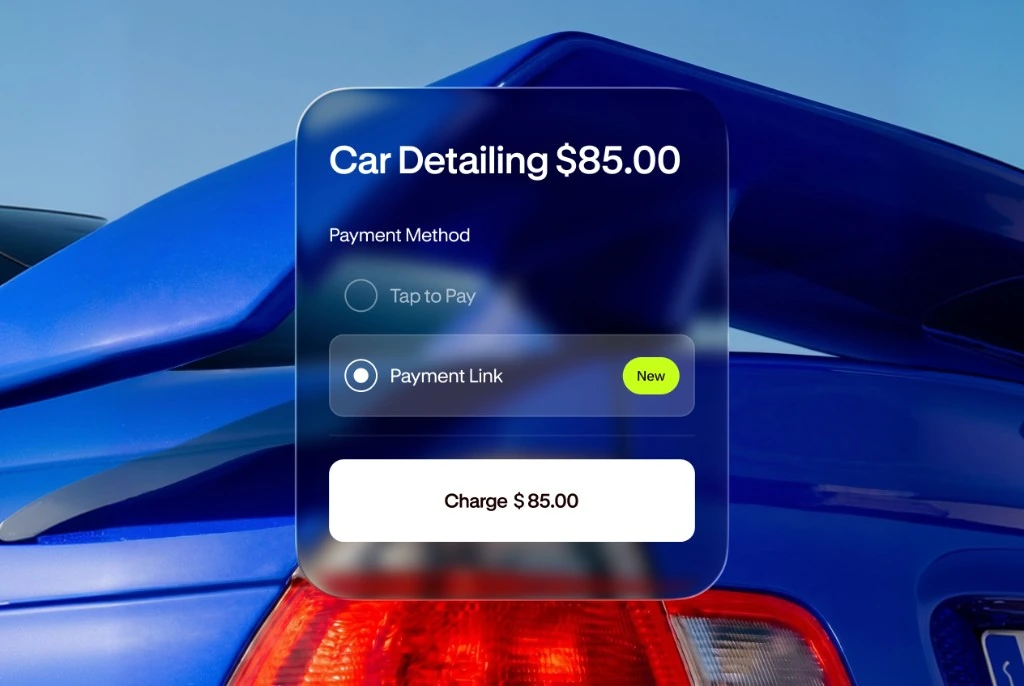
For smaller clients who pay a fee for collection, you need a way to accept payments on-site. JIM offers a streamlined solution. With JIM, you can accept debit, credit, and digital wallets directly through your smartphone—just tap and done.

At just 1.99% per transaction with no hidden costs or extra hardware, it is a cost-effective choice. Other providers often charge 2.5% to 3.5% plus monthly fees. It is particularly useful for one-off collection services from local businesses.

Getting started is straightforward:

  • Get Started: Download the JIM app for iOS.
  • Make a Sale: Type the sales amount, hit sell, and ask your customer to tap their card or device on your phone.
  • Access Funds: Your money is available on your JIM card as soon as the sale is done, with no waiting for bank transfers.

Here are 3 immediate steps to take:

  • Set up an account with an invoicing software like Wave or QuickBooks.
  • Draft a standard invoice template with fields for bale weight, grade, and price.
  • Download the JIM app to prepare for on-site payments.

Step 6: Secure funding and manage your finances

The SBA 7(a) loan is a popular route for equipment and startup funds, with typical amounts from $50,000 to $150,000. Lenders generally look for a credit score above 680 and a detailed business plan. Interest rates often sit at the Prime rate plus 2.75% to 4.75%.

You might also explore industry-specific grants. The EPA’s Solid Waste Infrastructure for Recycling (SWIFR) program offers funds for recycling infrastructure. These grants are competitive, but they provide capital you do not have to repay.

Calculate your working capital

Plan to have six months of operating costs in cash. This buffer covers your lease, fuel, and payroll while you wait for paper mills to pay on Net 30 or Net 45 terms. A frequent oversight is underestimating this initial cash need before revenue becomes consistent.

For a small operation, a working capital fund of $30,000 to $50,000 is a realistic target. This amount ensures you can manage expenses without stress while your business gains momentum.

Here are 3 immediate steps to take:

  • Review the application checklist for an SBA 7(a) loan on the SBA website.
  • Research your state’s recycling grant opportunities, which often receive EPA funding.
  • Create a six-month operating budget to pinpoint your exact working capital requirement.

Step 7: Hire your team and set up operations

Build your core crew

You can start with two key roles. A Sorter/Laborer handles material sorting and operates the baler, typically earning $15-$20 per hour. You will also need a Truck Driver for collections, with pay around $20-$25 per hour. Post job descriptions on platforms like Indeed or local job boards.

Ensure your team has the right credentials. Your baler operator and anyone using the forklift must have OSHA-compliant forklift certification. Many new owners overlook this, which can lead to costly fines and safety incidents. Your driver may need a Commercial Driver’s License (CDL) if your truck’s GVWR exceeds 26,000 pounds.

Streamline your daily workflow

For scheduling, you can use a simple app like Homebase to manage shifts and track hours. When you start, Google Maps is often enough for planning collection routes. As you add more clients, you might look into dedicated route optimization software like Route4Me.

As a benchmark, a small recycling operation often aims for one full-time employee to support every $150,000 to $200,000 in annual revenue. This ratio helps you decide when it is time to expand your team as your business grows and supplier relationships solidify.

Here are 3 immediate steps to take:

  • Draft job descriptions for a Sorter/Laborer and a Truck Driver.
  • Research local providers for OSHA-compliant forklift certification training.
  • Create a free account on Homebase to build a sample work schedule.

Step 8: Market your business and acquire customers

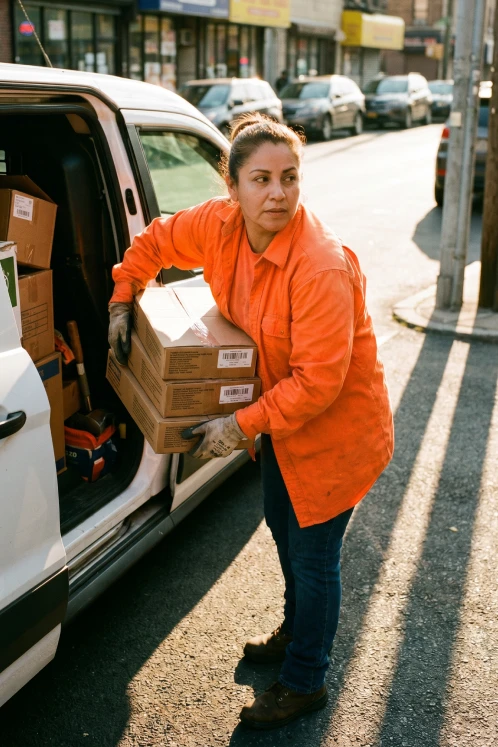
Your first suppliers will come from direct outreach. Create a target list of local supermarkets, retail centers, and manufacturing plants. In-person visits are often more effective than cold calls. Ask to speak with the facility or store manager about their cardboard disposal needs.

A professional first impression matters. You should have business cards and a simple one-page flyer ready. The flyer can outline your collection services and offer a free initial pickup. Many new operators miss this step and appear unprepared, which can cost them a contract.

Establish your online presence

While you build relationships on the ground, set up a free Google Business Profile. This action puts your business on Google Maps for local searches. A simple website with your contact information and service details also helps legitimize your operation for larger potential clients.

As for metrics, a good goal is to convert one new client for every 10 to 15 businesses you contact. Your initial Customer Acquisition Cost (CAC) will be low, mostly your time and fuel. Track your outreach efforts to see which types of businesses convert best.

Here are 3 immediate steps to take:

  • Create a target list of 20 local retail stores and distribution centers.
  • Design a one-page flyer that details your collection service and contact information.
  • Set up a Google Business Profile for your business name and facility address.

Step 9: Set your pricing and profit margins

Your revenue comes from two main sources: selling baled cardboard and charging collection fees. For smaller clients like local shops, a flat pickup fee of $50-$100 is standard. You might offer free collection for high-volume suppliers like supermarkets to secure their consistent supply.

Determine your price per ton

Paper mills buy your cardboard, and the price is market-driven. You will sell Old Corrugated Containers (OCC #11), and you can track pricing through indices from RISI or the Institute of Scrap Recycling Industries (ISRI). Prices can fluctuate from $70 to over $150 per ton.

Your gross profit margin on bales should be between 30% and 50%. Many new operators forget to factor transportation costs into their price. If a mill is 100 miles away, fuel and driver time can easily reduce your effective profit by $10-$20 per ton.

To check competitor pricing, you can call other local recyclers and ask for a quote for a one-time pickup. This gives you a baseline for your own collection fees. For bale prices, the market dictates the rate, so your competitive edge comes from reliable service.

Here are 3 immediate steps to take:

  • Check the current market price for OCC #11 on the ISRI or RISI websites.
  • Call two competing recycling services to ask for their pickup fee for a small business.
  • Calculate your break-even cost per ton by adding your operational and transport costs.

Step 10: Maintain quality and scale your operations

Focus on quality control

Paper mills buy cardboard based on the ISRI grade OCC #11. Your primary job is to remove contaminants like wax coatings, plastic, and food waste. A common error is poor sorting, which can lead to a mill rejecting an entire truckload and costing you thousands.

You should track your shipment rejection rate and aim to keep it below 2%. Also, maintain consistent bale weights, typically between 1,200 and 1,500 pounds. Mills appreciate reliability, and consistent quality helps you negotiate better terms over time.

Know when to grow

As your business expands, you will need clear benchmarks for investment. Plan to hire a new employee for every $150,000 in annual revenue you generate. When your collection routes consistently run at 85% capacity, it is time to think about adding a second truck.

Your vertical baler will eventually become a bottleneck. Once you process over 15 tons of cardboard per day, you should start to plan an upgrade to a horizontal baler. This move significantly increases your throughput and efficiency.

Here are 3 immediate steps to take:

  • Create a visual guide of common contaminants for your sorting station.
  • Track your bale weights for one week to establish an average and check for consistency.
  • Research the price difference and output of a horizontal baler versus your current vertical model.

You now have the roadmap for your cardboard recycling venture. Remember that consistency in your collections and bale quality is what builds a great reputation. Mills reward reliability. With a solid plan, you are ready to build a profitable, sustainable business.

For those on-site collection fees, a simple payment solution makes life easier. JIM turns your smartphone into a card reader for a flat 1.99% fee, no extra hardware needed. It helps you get paid from day one. Download JIM to get started.

sell and get paid in seconds with jim

Start selling