Starting a fireworks business is an exciting venture that combines a passion for pyrotechnics and a commitment to safety with business savvy. The industry generates billions in sales annually, thanks to consistent demand for major holidays like the Fourth of July, New Year's Eve, and other celebrations.
This guide will take you through the practical steps of obtaining permits, building supplier relationships, and selecting a location to help you launch a successful fireworks business in the U.S.
Step 1: Plan your business and validate your market
Market research and analysis
Start by visiting competitor stands during peak times like late June or late December. Note their locations, product selection, and pricing. This direct observation gives you better data than any online search. Also, talk to local community event organizers about their firework needs.
Many new owners misjudge local demand and end up with unsold inventory. To avoid this, check your city and county ordinances for sales restrictions. Some areas only permit sales for a few weeks a year, which directly impacts your business model and potential revenue.
Estimate your startup costs
Your initial investment will likely range from $20,000 to $65,000. This figure can feel large, but breaking it down helps with planning. The largest portion, around $15,000 to $50,000, will go toward your first inventory order from a wholesale supplier.
Next, budget for licensing and insurance. A federal ATF license and state permits can cost between $500 and $2,000. Liability insurance is non-negotiable and typically runs from $2,500 to $7,500 annually. Finally, set aside $1,000 to $3,000 for renting a location and a tent.
Here are 3 immediate steps to take:
- Draft a preliminary budget with estimated costs for inventory, licensing, and insurance.
- Contact your local fire marshal and city clerk to get a list of required permits.
- Identify at least three wholesale fireworks suppliers and request their catalogs and pricing.
Step 2: Establish your legal and licensing framework
Choosing a business structure is your first move. Most fireworks sellers start with a Limited Liability Company (LLC). It protects your personal assets if the business faces a lawsuit and offers simpler tax filing than a corporation.
Federal and state requirements
Your main federal requirement is a license from the Bureau of Alcohol, Tobacco, Firearms and Explosives (ATF). You will likely need a license to deal in explosive materials. Start by completing ATF Form 5400.13. Be prepared for a background check and an in-person interview.
Many new owners underestimate the ATF's processing time, which can take 60 to 90 days. Apply well before you plan to order inventory. State and local permits vary, so contact your State Fire Marshal and city clerk for specific forms, fees, and rules.
Here are 3 immediate steps to take:
- Decide on your business structure and register your LLC with your state.
- Download ATF Form 5400.13 from the ATF website to begin your federal application.
- Contact your State Fire Marshal’s office to request a list of all required state-level permits.
Step 3: Secure your insurance and manage risk
Required insurance policies
General liability insurance is your main focus. You will likely need a policy with $2 million to $5 million in coverage. Annual premiums often range from $2,500 to $7,500, which can be a notable part of your budget.
A frequent misstep is getting a generic business policy. You must have specific pyrotechnics liability coverage. A standard policy will not cover a fireworks-related claim, leaving you personally exposed to significant financial risk.
Also, consider commercial property insurance to protect your tent and inventory from theft or damage. If you hire anyone, even temporary help for the Fourth of July rush, you will need Workers’ Compensation insurance.
You might want to work with an agent who specializes in this industry. They understand the unique risks and can find better rates. Look for providers like Haas & Wilkerson, Star Insurance, or the Fireworks Insurance Agency.
Here are 3 immediate steps to take:
- Request quotes from at least two insurance providers specializing in pyrotechnics.
- Confirm your general liability coverage amount meets landlord and local permit requirements.
- Ask potential insurers if their policy explicitly covers pyrotechnics sales.
Step 4: Find your location and get equipment
Select your sales location
Look for high-traffic commercial lots. A 40x40 foot tent, or 1,600 square feet, is a good starting point for display and customer flow. Check local zoning ordinances for distance requirements from schools or gas stations. Some sellers overlook this and have their permit denied last minute.
Since sales are seasonal, you should negotiate a short-term lease for just a few weeks. Make sure the agreement explicitly permits fireworks sales. This simple check avoids landlord disputes when you are ready to open.
Get your stand ready
You will need several 8-foot tables, which cost about $50 to $100 each. Also, get at least two certified fire extinguishers for $40 to $80 each. Budget $200 to $500 for professional banners and clear "No Smoking" signs to guide customers safely.
With a location secured, you can order inventory. Wholesale suppliers like Black Cat or Phantom Fireworks often have minimum orders between $5,000 and $15,000. Place your order two to three months before your sales season to ensure timely delivery.
Here are 3 immediate steps to take:
- Identify three potential commercial lots and contact the owners about short-term leases.
- Check your local zoning ordinances for specific distance requirements for fireworks sales.
- Price out equipment like tables, fire extinguishers, and signage from local suppliers.
Step 5: Set up your payment and sales system
Most of your customers will want to pay with a card. For a temporary stand, you need a payment solution that is mobile and has low fees. Many new sellers get stuck with clunky terminals or high transaction rates that eat into their profits.
Speaking of rates, many payment processors charge between 2.5% and 3.5% per transaction, plus monthly fees or hardware rental costs. This adds up quickly during a busy sales week. You should look for a solution with transparent, low-cost pricing.
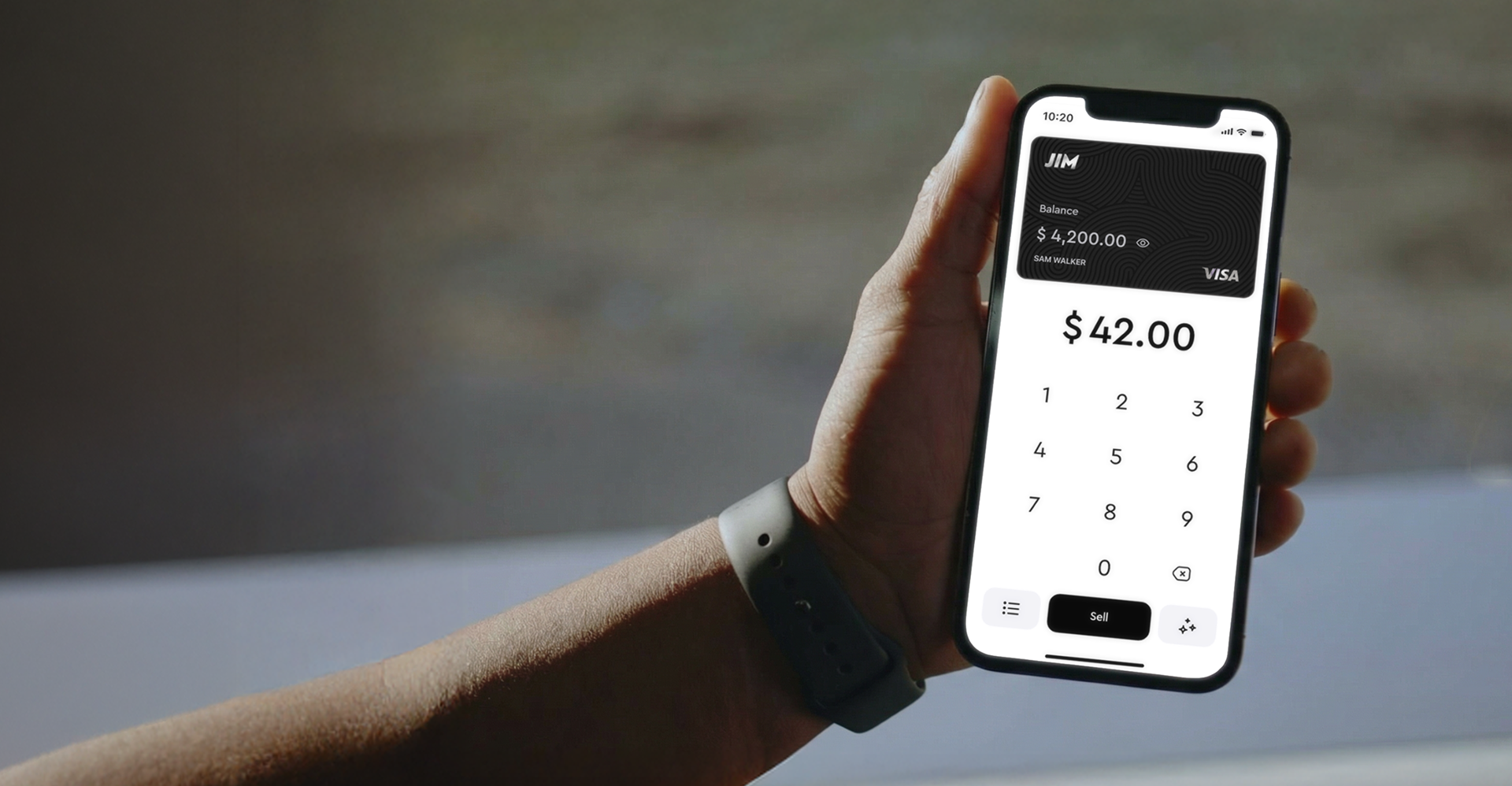
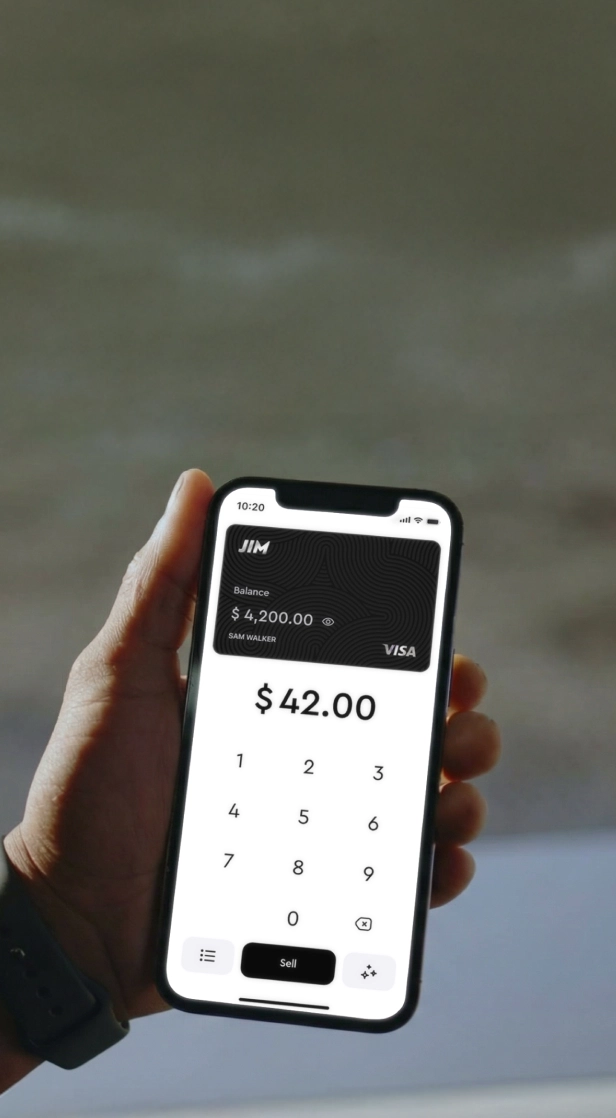
For fireworks businesses that need to accept payments on-site or on-the-go, JIM offers a streamlined solution. With JIM, you can accept debit, credit and digital wallets directly through your smartphone - just tap and done. At just 1.99% per transaction with no hidden costs or extra hardware needed, it's particularly useful for seasonal pop-up stands.
- Get Started: Download JIM app for iOS
- Make a Sale: Type the sales amount, hit sell, and ask your customer to tap their card or device on your phone
- Access Funds: Your money is available right on your JIM card as soon as the sale is done - no waiting for bank transfers
Sales and inventory tracking
With sales happening so fast, it is easy to lose track of what is selling. A simple spreadsheet is enough to start. List your products and update quantities at the end of each day. This helps you know what to reorder and what to discount.
A mistake many first-timers make is not tracking inventory at all. They end up with a pile of unsold fireworks after the season. A daily count prevents this and gives you clear data for next year’s order.
Here are 3 immediate steps to take:
- Compare payment processing fees, noting that many providers charge 2.5% to 3.5% plus hardware costs.
- Download the JIM app to see how you can accept payments directly on your smartphone.
- Create a simple spreadsheet to list your products and track daily sales counts.
Step 6: Fund your business and manage finances
Funding options for your fireworks stand
Personal savings and business credit cards are a common place to start. They offer quick access to funds but often come with higher interest rates. You might want to use them for smaller initial costs like permits or deposits while you secure long-term financing.
For larger amounts, look into an SBA 7(a) loan. Lenders will want to see a strong business plan with detailed safety protocols. Loan amounts for startups often range from $50,000 to $100,000, with interest rates typically between 10% and 13%.
Many new owners make the mistake of underestimating their cash needs. You should have enough working capital to cover your first full sales season without any revenue. This includes your inventory order, insurance premiums, rent, and a 20% buffer for unexpected costs.
Here are 3 immediate steps to take:
- Open a dedicated business bank account to keep your finances separate.
- Review the SBA 7(a) loan requirements on the SBA website to check your eligibility.
- Calculate your total startup costs and add a 20% contingency fund for your working capital goal.
Step 7: Hire your team and run operations
Hiring and training your staff
You will likely hire temporary Sales Associates. Their duties include customer service, restocking shelves, and enforcing safety rules. A competitive wage is around $15 to $20 per hour. Many owners hire friends or family, but make sure they are trained properly.
Once you hire your team, safety training is the next step. Some states require a brief certification from the fire marshal. A frequent oversight is failing to train staff on how to use a fire extinguisher or what to do during an emergency. Practice these procedures before you open.
Scheduling and management
For staffing levels, a good rule of thumb is one employee for every $10,000 in projected daily sales. During your busiest days, like July 3rd and 4th, you might need two or three people on shift at all times to manage the customer flow and keep shelves stocked.
With a temporary team, simple scheduling apps like When I Work or Homebase can prevent confusion. They allow you to build and share schedules easily. For a very small crew, a shared spreadsheet can also work just fine. The key is clear communication.
Here are 3 immediate steps to take:
- Draft a job description for a Sales Associate that emphasizes safety responsibilities.
- Contact your local fire marshal to ask about any required employee training or certifications.
- Outline a staffing schedule for your peak sales week based on your revenue goals.
Step 8: Market your business and attract customers
Build local awareness early
Your marketing should start before your tent goes up. Focus on high-visibility yard signs and banners. Plan for 50 to 100 signs placed at major intersections and with permission from other local businesses. Budget around $200 to $400 for professional printing.
Many new sellers wait until opening day to advertise. You should place your signs a week in advance to build anticipation. Just be sure to check local sign ordinances first to avoid any fines that could cut into your budget.
Use social media and partnerships
Use free platforms like local Facebook groups and Nextdoor to announce your location, hours, and featured products. A quick video tour of your tent setup can generate interest. Keep posts informative and focus on safety and product variety.
You can also partner with a local charity or youth sports team. Offer to donate 10% of sales from customers who mention their organization. This strategy drives traffic to your stand and creates valuable community goodwill.
Here are 3 immediate steps to take:
- Design and price out an order for 50 yard signs and a large banner.
- Join two local Facebook community groups and prepare your first introductory post.
- Identify one local non-profit or youth team to contact for a potential partnership.
Step 9: Price your products for profit
Markup and profit margins
Your pricing starts with your wholesale cost. A standard markup in the fireworks industry is between 100% and 200%. This means an item that costs you $10 from a supplier should retail for $20 to $30. This range helps cover your significant overhead costs.
A mistake many new sellers make is pricing too low. A simple 100% markup might not be enough to pay for your insurance, rent, and licenses. You should calculate your break-even point first to ensure your pricing strategy actually leads to profit.
Strategies for setting prices
Once you have a baseline, visit your competitors. Note their prices on popular items like 500-gram cakes and artillery shells. You do not have to be the cheapest, but you need to be in the same ballpark to stay competitive in the local market.
Consider creating bundles to increase the average sale. You can group several items into a "Family Pack" for $100. This strategy moves more product than selling each piece individually. Also, offering a popular item like smoke balls at a low margin can attract customers to your stand.
Here are 3 immediate steps to take:
- Calculate your total fixed costs to determine your break-even point.
- Visit two competitor stands and record their prices for five comparable products.
- Design three product bundles at different price points (e.g., $50, $100, and $250).
Step 10: Control quality and scale your operations
Quality control and standards
Your supplier's reputation is your first quality check. Only buy from wholesalers who carry products certified by the American Fireworks Standards Laboratory (AFSL). This ensures they meet basic safety and performance standards. Inspect every case upon delivery for water damage or crushed boxes.
A frequent mistake is to accept the entire shipment without a spot check. Open at least 10% of your cases to look for damaged fuses or leaky powders. Set aside any compromised product immediately and contact your supplier for credit. This protects both your customers and your business.
Benchmarks for growth
Once your seasonal revenue consistently tops $75,000, you can plan for a second location. If you sell through 80% of your inventory before July 4th for two consecutive years, it is a strong signal to increase your next wholesale order by 30%.
When you manage more than five temporary employees, you might want to promote one to a Stand Manager role. For managing inventory across multiple locations, you could look at systems like Finale Inventory, but a detailed spreadsheet works well for one or two stands.
Here are 3 immediate steps to take:
- Ask your wholesale supplier for documentation on their AFSL-certified products.
- Calculate your sell-through rate from your last sales season to guide your next order.
- Set a revenue target that, if met, would trigger your search for a second location.
Starting a fireworks business is a unique venture where safety is just as important as sales. Remember that your reputation for responsible operations will build more trust than any discount. With careful planning, your stand can become a celebrated part of local traditions.
As you manage the rush, a simple payment solution helps. JIM turns your smartphone into a card reader, so you can accept payments for a flat 1.99% fee without extra hardware. This keeps your checkout line moving smoothly. Download JIM to get started.
.avif)