How to start a food vendor business: a guide to the first sale

Launch your food vendor business with a clear roadmap. Get practical steps on funding, licensing, and insurance to avoid common mistakes.

2 min read time

Copied
How to start a food vendor business
Main topics

Starting a food vendor business is a rewarding venture that blends a passion for cooking and customer service with smart business sense. The industry pulls in billions of dollars annually, fueled by a steady demand for unique food at festivals, local markets, and busy city centers.

This guide will take you through the practical steps of validating your concept, obtaining the right permits, selecting a location, and acquiring equipment to help you launch a successful food vendor business in the U.S.

Step 1: Plan and validate your business idea

Before you buy a cart or perfect a recipe, confirm your idea has legs. Spend a few weekends at local farmers' markets, festivals, and downtown food truck rallies. Observe what people are lining up for and note any gaps in the offerings.

A common misstep is creating a menu that is too broad or does not fit the local palate. Keep your initial concept simple and focused on a few standout items. You can always expand later.

Analyze competitors and costs

Use Google Maps and Yelp to identify direct competitors in your desired locations. See their menus, pricing, and customer reviews. This research helps you find your unique angle and avoid saturated markets.

Speaking of costs, your initial investment can range from $20,000 to over $100,000. A used food cart might cost $15,000, while a new truck can exceed $100,000. Also, budget for permits ($500-$2,000) and initial inventory ($1,000-$3,000).

Here are 4 immediate steps to take:

  • Visit three local food events to scout the competition and customer demand.
  • Draft a simple, one-page business plan outlining your menu and target customer.
  • Create a detailed startup budget with a 15-20% contingency fund.
  • Use Google Maps to plot the locations of at least five potential competitors.

Step 2: Secure your licenses and legal structure

With your business plan in hand, the next move is to make your operation official. You might consider forming a Limited Liability Company (LLC). It protects your personal assets if the business is sued, which is a real possibility when you serve food to the public.

A sole proprietorship is simpler to set up but offers no liability protection. Once you are profitable, you can look into an S-Corp election for potential tax savings. First, get a free Employer Identification Number (EIN) from the IRS website. You will need it for almost everything.

Navigate local permits

Your local health department is the main regulatory body you will deal with. Expect to apply for a Health Department Permit, which can cost between $100 and $1,000 and take several weeks to process. They will inspect your cart or truck before approval.

You will also need a Mobile Food Vending Permit from your city or county, which can range from $500 to over $2,000. In addition, everyone who handles food must have a Food Handler's Permit. You can get this certification online through programs like ServSafe.

Here are 4 immediate steps to take:

  • Register your business as an LLC with your state’s Secretary of State office.
  • Apply for a free Employer Identification Number (EIN) directly from the IRS.
  • Contact your local health department to get their mobile food vendor checklist.
  • Enroll in a Food Handler's Permit course like ServSafe for yourself and any staff.

Step 3: Insure your business against common risks

Insurance is a non-negotiable part of your setup. Many festivals and markets will not even consider your application without proof of adequate coverage. A frequent mistake is to underinsure, only to find your policy does not meet an event’s minimum requirements.

Key insurance policies and costs

General Liability insurance is your first priority. It protects you from claims like foodborne illness or a customer who slips near your setup. Plan for a policy with $1 million to $2 million in coverage, which typically costs between $400 and $1,500 per year.

You also need Commercial Auto insurance for your truck or trailer, as a personal policy will not cover business use. In addition, Inland Marine insurance covers your equipment while in transit. For providers, look into specialists like FLIP (Food Liability Insurance Program), Insureon, or Progressive Commercial.

Here are 4 immediate steps to take:

  • Request quotes from at least three insurers that specialize in food businesses.
  • Confirm your General Liability policy meets the $1 million minimum required by most events.
  • Secure a separate Commercial Auto policy for your business vehicle.
  • Ask about bundling policies like General Liability and Inland Marine to lower your premium.

Step 4: Choose your location and equipment

Find your commissary and vending spots

Most health departments require you to use a licensed commissary kitchen for food prep and storage. These can cost $500 to $1,200 per month. When you look for a lease, ask for a six-month term to start. This gives you flexibility.

Your city's clerk office dictates where you can operate. Some cities have designated food truck zones, while others have strict distance rules from brick-and-mortar restaurants. Get a copy of the local ordinances before you commit to a spot.

Buy your core equipment

Your truck or cart needs commercial-grade gear to pass inspection. A frequent mistake is to purchase residential appliances, which health inspectors will reject immediately. This can cause significant delays and unplanned costs right before you launch.

Budget for a 3-compartment sink ($300-$700), a commercial refrigerator ($1,500-$4,000), and cooking equipment like a 24-inch griddle ($400-$1,000). You can find these items at suppliers like WebstaurantStore or local restaurant depots.

Here are 4 immediate steps to take:

  • Contact your health department for a list of approved commissary kitchens.
  • Get the mobile vending ordinance map from your city clerk’s office.
  • Price out a commercial refrigerator and 3-compartment sink from two suppliers.
  • Ask a potential commissary kitchen about negotiating a six-month initial lease.

Step 5: Set up your payment system

You need a fast way to take money. While some customers still use cash, most expect to pay with a card or phone. A slow or clunky payment process can create long lines and cost you sales, especially during a lunch rush.

Many new vendors stumble by choosing a payment processor with high fees. Competitors often charge between 2.5% and 3.5% per swipe and may require you to buy or rent a separate card reader. These costs add up quickly.

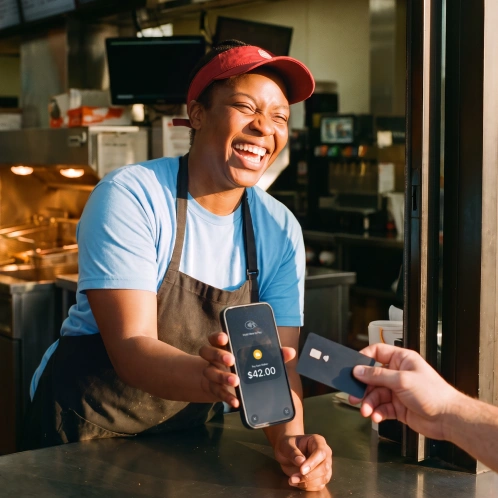
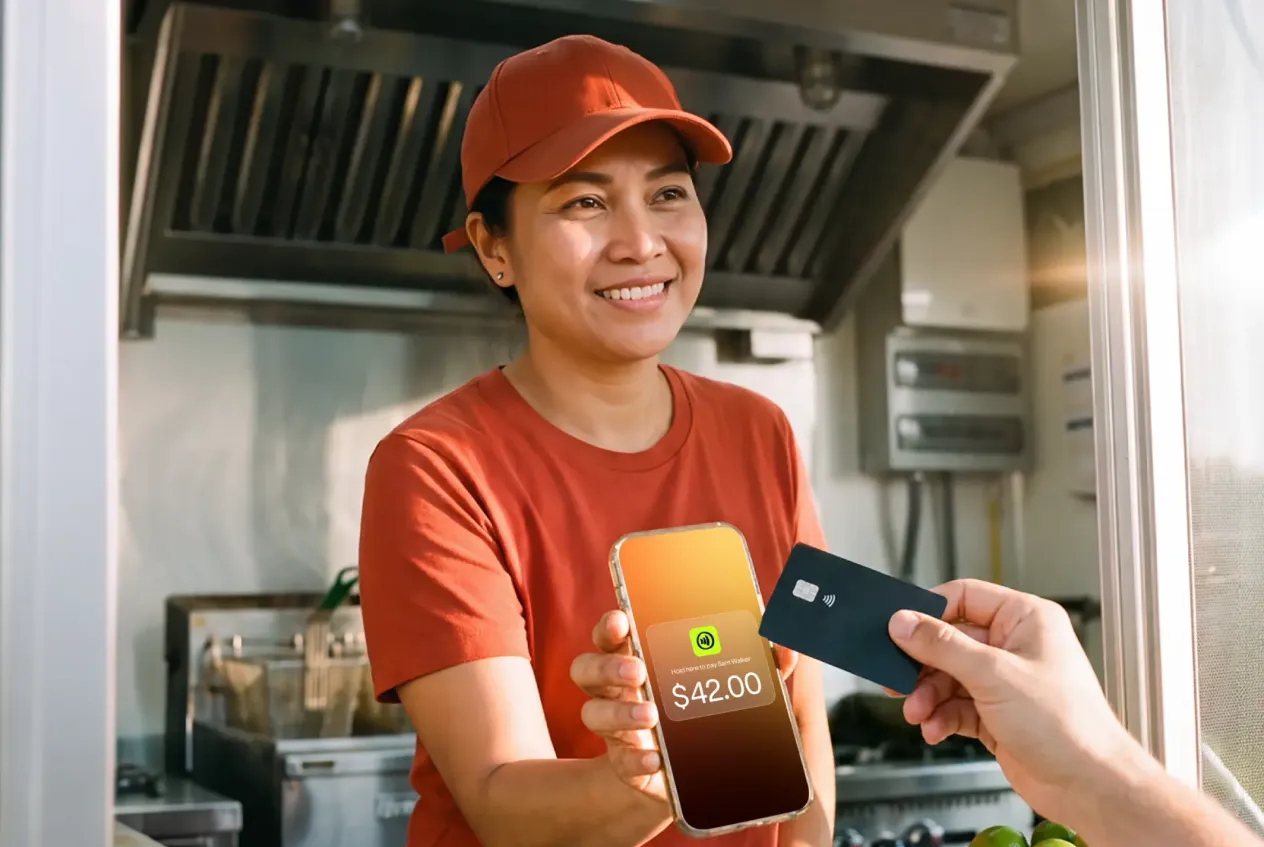
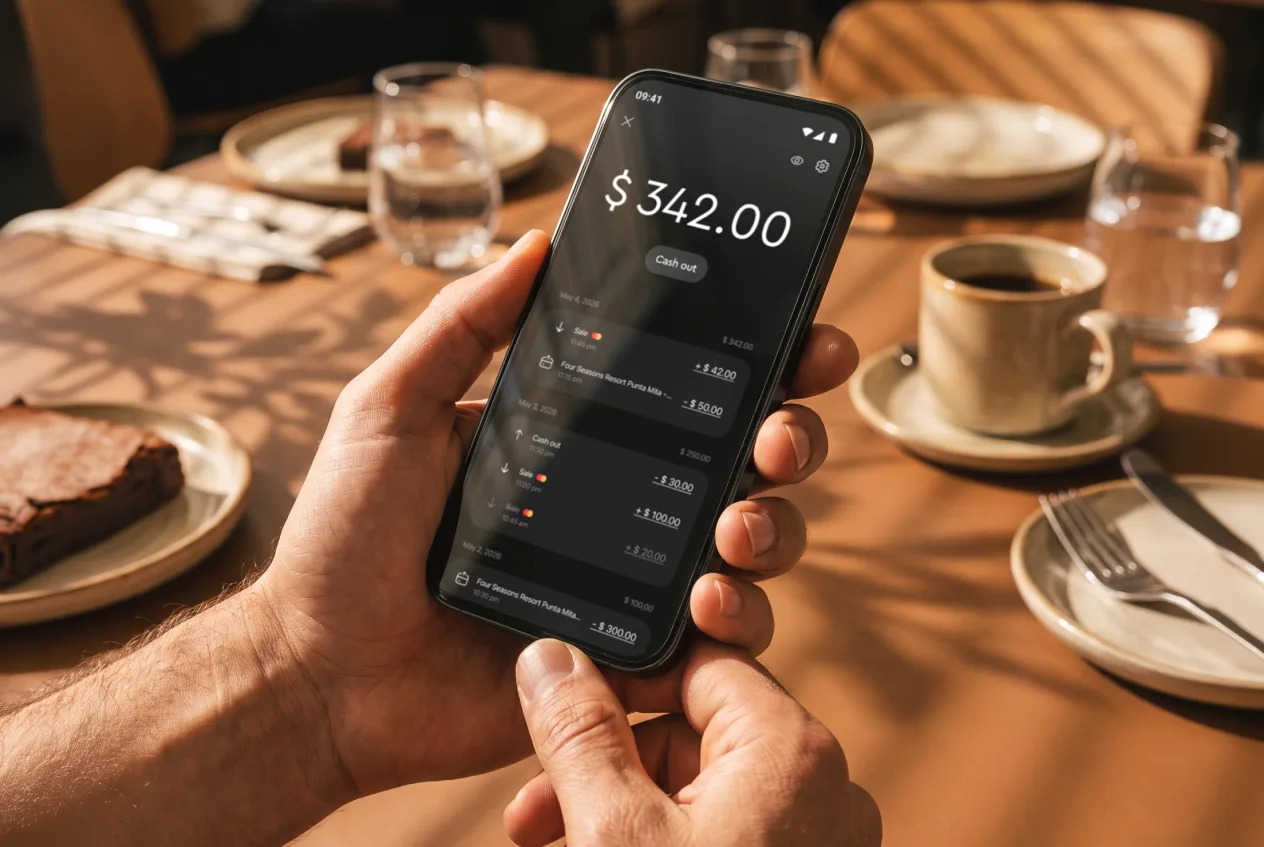
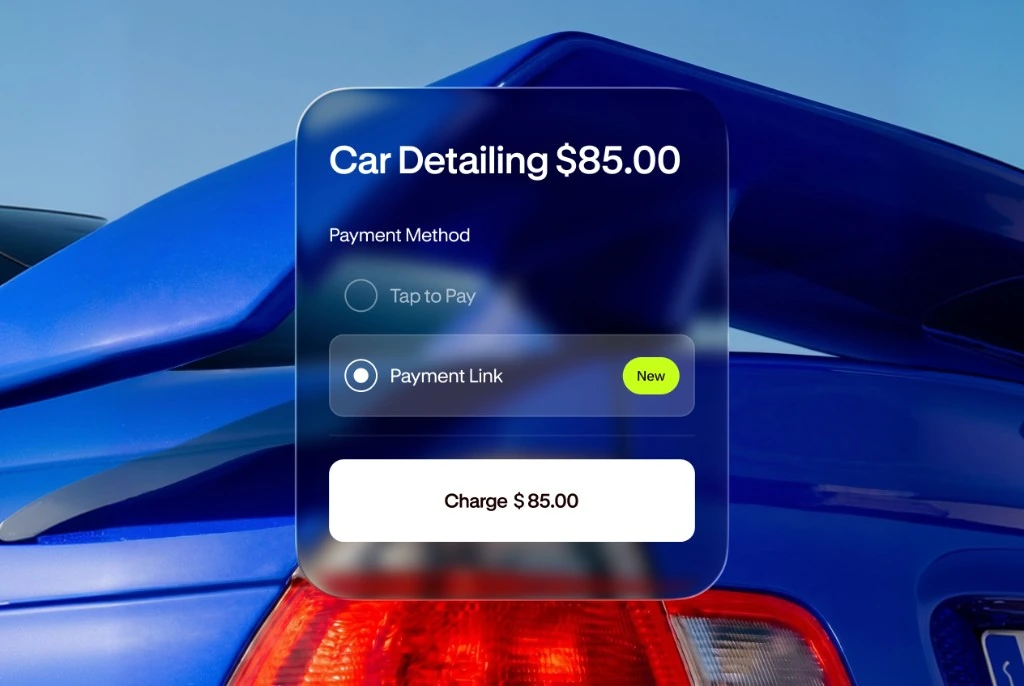
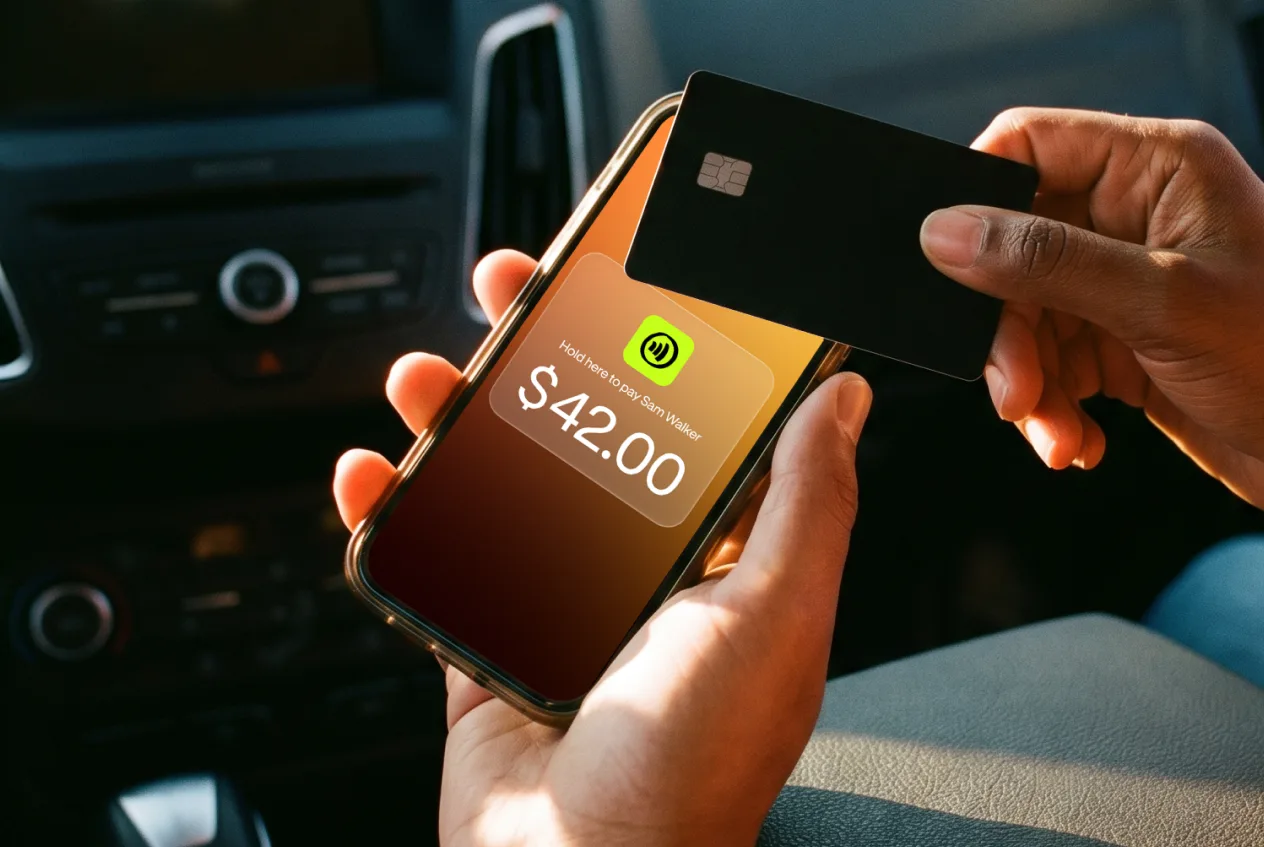
For food vendors who need to accept payments on-site, JIM offers a streamlined solution. With JIM, you accept debit, credit, and digital wallets directly through your smartphone. Just tap and done.

At just 1.99% per transaction with no hidden costs or extra hardware needed, it is particularly useful to keep lines moving at busy festivals. This simple fee structure helps you predict your costs without any surprises.

  • Get Started: Download the JIM app for iOS.
  • Make a Sale: Type the sales amount, hit sell, and ask your customer to tap their card or device on your phone.
  • Access Funds: Your money is available right on your JIM card as soon as the sale is done - no waiting for bank transfers.

Here are 4 immediate steps to take:

  • Compare the transaction fees of two other payment processors with JIM's 1.99% rate.
  • Download the JIM app to explore its features.
  • Decide if you will also accept cash and plan for having enough change on hand.
  • Time a mock transaction with your chosen system to ensure it is fast enough for a rush.

Step 6: Fund your business and manage finances

The Small Business Administration (SBA) is a good first stop. Their Microloan program offers up to $50,000, with typical interest rates between 8% and 13%. You will need a strong business plan and a credit score over 640 to qualify.

Also, look at local credit unions. They can be more flexible with new businesses than large national banks. For smaller amounts, a platform like Kiva can provide community-backed loans with 0% interest, which is a great way to get started with less risk.

Estimate your working capital

You need enough cash to cover expenses for the first six months. A common mistake is to underestimate this figure and run out of money before sales become consistent. Calculate your monthly costs for inventory, fuel, and commissary fees, then multiply by six.

For example, if your monthly burn is $3,000, you need $18,000 in working capital. It is smart to add a 20% buffer for unexpected costs. That extra $3,600 can prevent a major headache down the road.

Here are 4 immediate steps to take:

  • Contact your local SBA office to ask about their Microloan program requirements.
  • Calculate your six-month working capital and add a 20% contingency fund.
  • Research small business loan options at two local credit unions.
  • Search for food-related business grants on a site like Grants.gov.

Step 7: Hire your team and set up operations

Build your crew

To start, you will likely need one or two people. Look for a 'Cook' to handle food prep and a 'Cashier' for orders and payments. Pay typically ranges from $15 to $20 per hour. Many new owners hire friends without clear roles, which can complicate the business.

Everyone on your team must have a valid Food Handler's Permit. This is a firm requirement for your health inspection. You should make this a day-one task for any new hire to ensure you are always compliant.

Streamline your daily operations

For scheduling, you might consider an app like 7shifts or Homebase to manage shifts and track hours. As you operate, aim to keep labor costs between 25% and 35% of sales. This is a common target for maintaining profitability in the food industry.

It is also smart to write down simple procedures for opening, closing, and food prep. This helps ensure every customer gets the same quality product, no matter who is working. Without these standards, your reputation can suffer from inconsistency.

Here are 4 immediate steps to take:

  • Draft simple job descriptions for a Cook and a Cashier.
  • Confirm that all team members have or can get a Food Handler's Permit.
  • Explore scheduling apps like 7shifts or Homebase to see which fits your needs.
  • Calculate your target labor cost as a percentage of your projected sales.

Step 8: Market your business and find customers

Your marketing starts with great photos. Use Instagram and Facebook to post daily pictures of your food and your location. A clear, bright photo of your signature dish can attract customers from blocks away. Keep your posts consistent.

Build a local presence

Your truck or cart is a mobile billboard, so make it count with professional branding. Beyond that, you can partner with local breweries or office parks that lack food options. This gives you a built-in audience.

Many vendors overlook the power of online reviews. You should actively monitor your business on Yelp and Google. A quick, polite response to a negative comment shows you care and can even win back a customer.

For a small budget, you can run targeted ads on social media. An ad on Facebook can reach potential customers within a five-mile radius for just $10 a day. Also, consider a simple punch card to encourage repeat visits.

Here are 4 immediate steps to take:

  • Create business pages on Instagram and Facebook for daily updates.
  • Design a simple "buy nine, get one free" punch card.
  • Contact one local office park or brewery to propose a lunch partnership.
  • Set up Google Alerts for your business name to track reviews.

Step 9: Develop your pricing strategy

Your menu prices directly impact your profitability. A good starting point is to aim for a food cost percentage between 25% and 35%. This means if the ingredients for a dish cost you $3, its menu price should be between $8.50 and $12.

Choose your pricing model

Most vendors use cost-plus pricing. You calculate the total cost of ingredients for one serving, then add a markup to reach your target food cost. This method ensures every sale is profitable. It is a straightforward way to protect your margins from day one.

With that baseline set, look at what your competitors charge. It is tempting to price lower than everyone else to attract business, but this can signal low quality and hurt your brand. Instead, use their prices as a guide to position your own offerings.

Also, consider value-based pricing. If your food is unique or uses premium ingredients, you can command a higher price. Customers often pay more for a gourmet taco or an organic smoothie because they perceive it as a better product. Your price tells a story about your quality.

Here are 4 immediate steps to take:

  • Calculate the exact food cost for each of your menu items.
  • Set a target food cost percentage, aiming for 28-32% to start.
  • Visit two competitors and note their prices for similar dishes.
  • Create a combo meal deal to test its effect on average order value.

Step 10: Maintain quality and scale your operations

Keep your quality consistent

Your reputation depends on consistency. A customer's favorite dish should taste the same every time. Use standardized recipes with exact measurements for every item on your menu. This removes guesswork for your staff and ensures a uniform product.

To measure quality, track the number of remade orders or customer complaints. A good target is to keep this figure below 2% of total sales. You can also use a simple checklist for daily opening and closing duties to maintain cleanliness standards.

Know when to grow

Many vendors expand too quickly. Before you buy a second cart, make sure you are consistently profitable for at least six months. A good benchmark for hiring another person is when your current team regularly exceeds 40 hours per week to meet demand.

As you grow, spreadsheets can become messy. Look into inventory management software like MarketMan to track stock levels and food costs automatically. This helps you see your profit margins in real time and reduces waste.

Here are 4 immediate steps to take:

  • Create a standardized recipe card for each menu item.
  • Set a quality goal, like keeping remade orders under 2%.
  • Define the monthly profit number that signals you are ready to expand.
  • Explore an inventory management app to see how it could fit your workflow.

Conclusion

You now have the roadmap to launch your food vendor business. Remember, consistency in your food and service is what builds a loyal following. The plan is here, now go build your dream.

A smooth operation also needs a simple way to get paid. JIM lets you accept cards on your phone with no extra hardware for a flat 1.99% fee. This keeps your line moving and sales simple. Download JIM to be ready for day one.

sell and get paid in seconds with jim

Start selling