Starting a freelance photography business is an exciting venture that combines creative vision and technical skill with business savvy. The photography market is a massive industry, and there's steady demand for quality images for everything from weddings to corporate headshots. While it's easier than ever to get started, real success depends on more than just a good camera.
This guide will take you through the practical steps of defining your niche, acquiring the right equipment, obtaining necessary licenses, and building a client base to help you launch a successful freelance photography business in the U.S.
Step 1: Plan your business and validate your idea
First, decide on your niche. Will you shoot weddings, family portraits, or commercial products? This choice guides every other decision. To validate your idea, analyze local demand on platforms like Thumbtack or browse local vendor lists to see what services are popular.
Once you have a niche in mind, study your competition. Use Instagram and Pinterest to review the style, branding, and packages of at least five local photographers. This research provides a realistic baseline for your own pricing and service offerings.
Estimate your startup costs
Your initial investment will vary, but it helps to budget carefully. A frequent misstep is buying too much gear upfront. You might want to rent specialized lenses or lighting for your first few jobs until you have consistent bookings to justify the expense.
Expect to spend between $2,500 and $8,000 to get started. This includes a camera body and versatile lenses ($1,500+), basic lighting ($500+), editing software like Adobe Creative Cloud (about $55/month), and business insurance (around $500 annually).
Here are 3 immediate steps to take:
- Research five local competitors to analyze their service packages and pricing.
- Create a detailed budget spreadsheet for your initial equipment and software needs.
- Use the Professional Photographers of America (PPA) member directory to identify popular niches in your city.
Step 2: Establish your legal structure and get licensed
You might want to form a Limited Liability Company (LLC). This structure separates your personal assets from business debts, offering valuable protection. Filing fees typically range from $50 to $500 depending on your state. Many photographers start this way for peace of mind.
Once your business structure is chosen, get an Employer Identification Number (EIN) from the IRS. It’s free and you can apply online to receive it immediately. You will need this number for tax filings and to open a business bank account.
Secure your licenses and permits
Next, check with your state’s Secretary of State to officially register your business. You will also likely need a general business license from your city or county clerk’s office. These can cost between $50 and $100 annually, with processing times of a few weeks.
A frequent oversight is forgetting location permits. Shooting in a national park requires a permit from the National Park Service, and city parks often have their own rules. These permits can cost anywhere from $50 to over $250, so factor this into your project quotes.
Here are 4 immediate steps to take:
- Decide between operating as a sole proprietorship or forming an LLC for liability protection.
- Apply for a free Employer Identification Number (EIN) on the IRS website.
- Find the general business license application on your city clerk’s website.
- Research permit requirements for two or three popular public photo locations in your area.
Step 3: Secure your insurance and manage risk
Protect your business with the right coverage
General liability insurance is your first line of defense. It covers third-party injuries or property damage. Many venues require at least $1 million in coverage before you can shoot on-site. Expect annual premiums to start around $400 for this protection.
Next, you need equipment insurance. A frequent misstep is to assume your homeowner's policy covers gear used for work, which it often does not. This policy protects against theft or damage, with costs based on the total value of your equipment.
You might also consider professional liability insurance. This covers you if a client claims you failed to deliver, such as missing key wedding photos. It offers a safety net for situations where a client is dissatisfied with the final product.
For tailored policies, look at providers that understand photography. You could get quotes from companies like Hiscox, Full Frame Insurance, or The Hartford. They are familiar with the specific risks of the trade and can build a relevant package for you.
Here are 4 immediate steps to take:
- Request general liability quotes from two photography-specific insurers.
- Create an inventory of your gear to get an accurate equipment insurance quote.
- Ask potential insurers about adding professional liability coverage to your policy.
- Confirm if your top-choice wedding venues require proof of insurance.
Step 4: Set up your workspace and get your gear
Establish your home office or studio
Most photographers start with a home office. You just need a dedicated area of about 100 square feet for editing and storage. Check your local zoning rules for home-based businesses, as some cities have restrictions on client traffic.
If you need a dedicated studio, look for commercial spaces. When you negotiate a lease, you might ask for a shorter term, like one or two years. This gives you flexibility as your income grows.
Acquire your core photography kit
Your camera is the heart of your setup. A full-frame body runs $1,500 to $3,000. Pair it with a versatile 24-70mm f/2.8 lens (around $1,800) and a prime lens like a 50mm f/1.8 (about $200) for portraits.
Before you buy everything, consider renting. Services like Lensrentals let you try expensive or specialized gear for a specific job. This is a smart way to manage costs when you are new.
Good lighting is non-negotiable. A basic two-light kit with softboxes will cost between $500 and $1,000. Also, get reliable memory cards from brands like SanDisk or Lexar. A frequent oversight is buying cheap cards that can corrupt your files.
For prints and albums, you will need a professional lab. Suppliers like White House Custom Colour or Miller's Professional Imaging have no minimum orders. This lets you order products for clients one at a time.
Here are 4 immediate steps to take:
- Check your city’s website for home-based business zoning regulations.
- Price out a full-frame camera body and a 24-70mm f/2.8 lens from B&H Photo or Adorama.
- Create an account with a professional print lab like WHCC or Miller's.
- Research gear rental options on Lensrentals for specialized shoots.
Step 5: Set up your payment processing
You will want to require a non-refundable deposit, typically 50%, to secure a booking in your contract. The remaining balance is usually due before you deliver the final edited images. This structure protects your time and covers initial costs.
When you choose a payment solution, look for low transaction fees and simplicity. Many providers charge between 2.5% and 3.5% per transaction, which adds up. A frequent mistake is overlooking monthly fees or the need for extra hardware.
Accept payments on the go
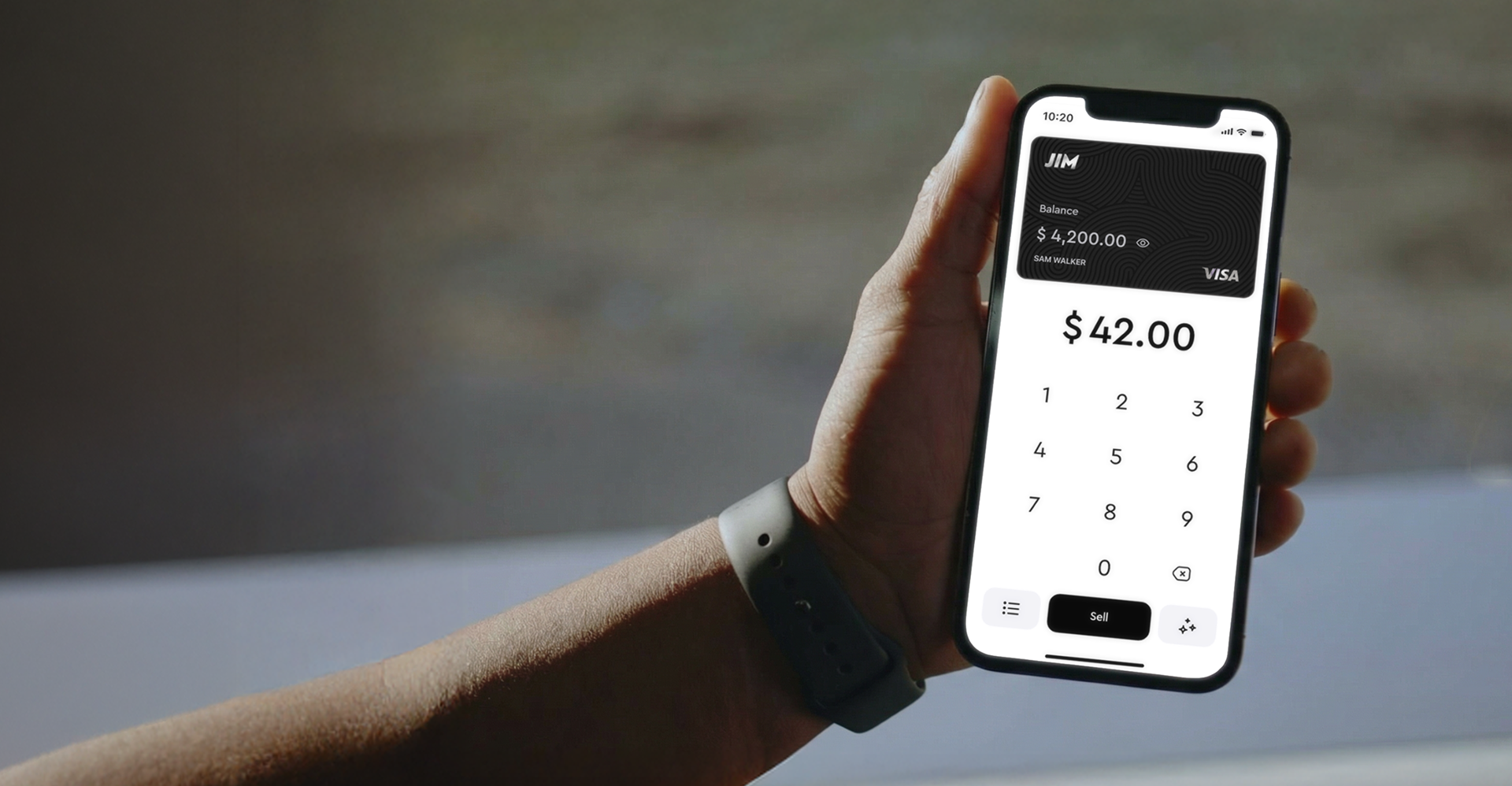
For photographers who need to accept payments on-site, JIM offers a streamlined solution. With JIM, you can accept debit, credit, and digital wallets directly through your smartphone—just tap and done. It is particularly useful for collecting final payments after a portrait session.
At just 1.99% per transaction with no hidden costs, its rate is very competitive. Other payment solutions often have higher average commission rates and may require you to buy a card reader. With JIM, no extra hardware is needed.
- Get Started: Download JIM app for iOS.
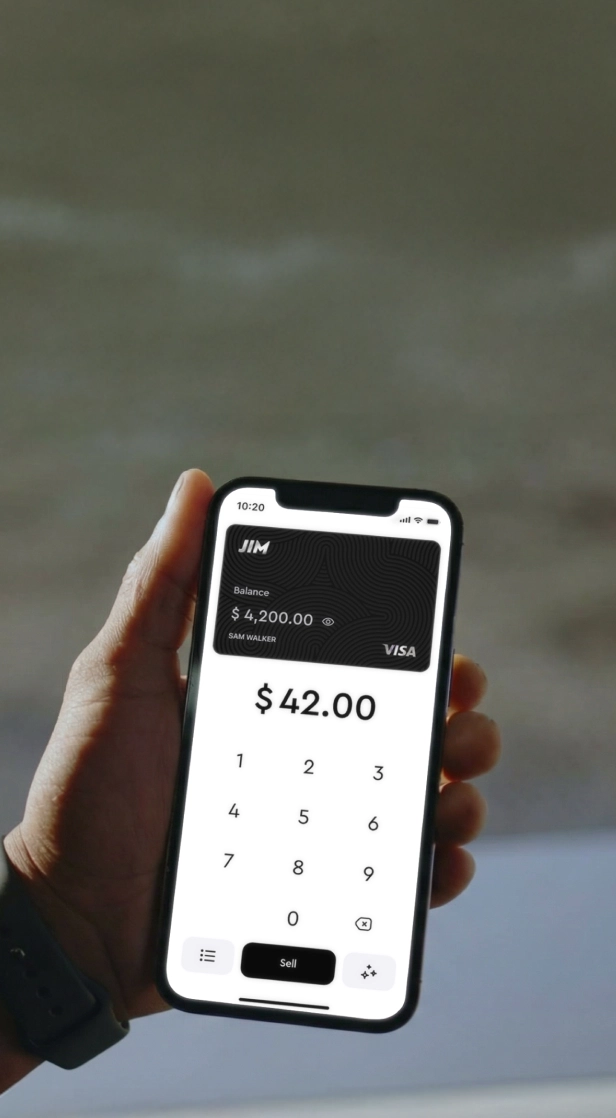
- Make a Sale: Type the sales amount, hit sell, and ask your customer to tap their card or device on your phone.
- Access Funds: Your money is available right on your JIM card as soon as the sale is done - no waiting for bank transfers.
Here are 3 immediate steps to take:
- Draft your standard payment terms (e.g., 50% deposit) to include in client contracts.
- Compare the 1.99% transaction fee from JIM with another payment processor you are considering.
- Download the JIM app to see how the payment process works on your phone.
Step 6: Fund your business and manage your finances
SBA Microloans are a solid option for initial funding. These loans go up to $50,000 with interest rates between 8% and 13%. You will need a strong business plan and good personal credit to qualify. Equipment financing is another route if you just need to cover gear.
Look for industry-specific grants
Grants are competitive but provide funds you do not have to repay. You might want to look into the PPA Charities grant program. Also, check with your local and state arts councils, as many offer small business grants for creative entrepreneurs with specific application deadlines.
Set up your financial systems
Plan to have $1,500 to $3,000 in working capital. This covers your first six months of software, insurance, and marketing before client payments become regular. A frequent oversight is to underestimate these non-gear expenses, which can strain your cash flow early on.
Once you have your EIN, open a dedicated business bank account. This step keeps your personal and business finances separate, which simplifies tax preparation and helps you track profitability accurately. It also adds a layer of professionalism when you manage client payments.
Here are 4 immediate steps to take:
- Research SBA Microloan lenders and their requirements in your state.
- Open a dedicated business checking account to separate your finances.
- Search for arts grants offered by your local city or state council.
- Calculate your estimated working capital needs for the first six months.
Step 7: Hire your team and manage your workflow
You will likely start as a one-person show. As you book larger events like weddings, you might want to hire a second shooter. Pay typically runs $25 to $75 per hour based on their experience. A frequent misstep is hiring a friend without first reviewing their portfolio.
To free up your time for shooting, consider outsourcing your photo editing. A freelance retoucher may charge between $0.25 and $5 per image, or an hourly rate of $20 to $50. This allows you to take on more clients and grow your revenue faster.
Manage your workflow with software
Client management software helps you handle contracts, invoices, and scheduling in one place. You might look at platforms like HoneyBook or Dubsado, which are popular with photographers. Plans often start around $39 per month and can save you hours of administrative work each week.
When you set your prices, remember to include contractor fees. A second shooter for a wedding could cost you $400 to $600 for the day. This cost should be built directly into your package price to protect your profit margin.
Here are 4 immediate steps to take:
- Create a list of potential second shooters in your area by searching local photography groups.
- Research freelance photo editors on platforms like Upwork or through industry referrals.
- Sign up for a free trial of a client management system like HoneyBook or Dubsado.
- Review your pricing packages to ensure they account for potential contractor costs.
Step 8: Market your business and get clients
Build your online presence
Your portfolio website is your digital storefront. Use a platform like Squarespace or Pixieset to showcase your best work. A frequent oversight is using large image files that slow down your site. Compress your images for the web to ensure they load quickly for potential clients.
Next, set up a free Google Business Profile. This is how clients find you through local searches. Encourage every client to leave a review. Your goal should be to get your first 5-10 reviews as soon as possible to build credibility and improve your search ranking.
For social media, focus on visual platforms like Instagram and Pinterest. Post consistently, about 3-5 times per week, and use a mix of your work, behind-the-scenes content, and client testimonials. Tag local venues and vendors to expand your reach within the community.
Network to find your first clients
Referrals are a powerful source of business. You might want to connect with local wedding planners, florists, or venue managers. Offer them a complimentary headshot session to build a relationship. This goodwill often leads to them recommending you to their own clients.
Once you have some revenue, you could test paid advertising. A small budget of $100 on Instagram or Facebook ads, targeted to engaged couples in your city, can generate initial leads. Track how much each inquiry costs to see if it is a worthwhile investment.
Here are 4 immediate steps to take:
- Set up your Google Business Profile and ask a few past clients for reviews.
- Compress the images on your portfolio website to improve loading speed.
- Make a list of three local vendors to connect with this month.
- Plan one week of social media posts for Instagram.
Step 9: Price your services and create packages
Most clients prefer the clarity of packages, so you might want to start there. A good approach is to create three tiers. For a family portrait session, a basic package could be $350 for 30 minutes and 10 edited images. A premium option might be $800 for 90 minutes, 30 images, and a print credit.
Calculate your costs to set prices
To set your prices, first analyze at least three local competitors to see their offerings. Then, calculate your cost of doing business (CODB) for each shoot. This includes your time, travel, and software. A frequent mistake is to copy prices without knowing your own costs, which can erase your profit.
With your costs calculated, aim for a profit margin of at least 50%. For custom work that does not fit a package, you can set an hourly rate. This often ranges from $75 to $250 depending on your market and experience.
Here are 4 immediate steps to take:
- Research the package prices of three local competitors in your niche.
- Calculate your cost per shoot, including editing time and travel expenses.
- Draft three tiered packages with clear deliverables for your main service.
- Set an hourly rate for custom projects that fall outside your packages.
Step 10: Maintain quality and scale your business
Define your quality standards
To maintain quality, create a checklist for every gallery you deliver. It should cover image sharpness, color consistency, and adherence to your brand’s editing style. Track client feedback and aim for a referral rate of over 20% as a measure of satisfaction.
A frequent misstep is inconsistent editing when you get busy or outsource. Give any editor you hire a detailed style guide with examples. This ensures your final product always looks like your work, protecting your brand identity.
Know when to grow
Once you start turning down more than three ideal clients per month, it is time to scale. You might want to hire a freelance editor if you spend over 15 hours a week on post-production. This frees you up to shoot more.
You can also automate your gallery delivery and print sales with a platform like Pic-Time or CloudSpot. These systems handle client proofing and order fulfillment. Plan to raise your prices by 10-15% once you are booking 75% of your available dates.
Here are 4 immediate steps to take:
- Create a final image checklist to review before every gallery delivery.
- Set a personal benchmark for when to hire an editor, like spending 15 hours per week editing.
- Explore gallery delivery platforms like Pic-Time to automate client proofing.
- Decide on a booking rate, like 75% capacity, that will trigger a 10-15% price increase.
You now have a clear path to launch your photography business. Remember, your unique artistic style is what sets you apart and builds a loyal client base. Trust your vision, follow these steps, and you are ready to start your journey.
With that in mind, make sure getting paid is just as smooth. JIM turns your smartphone into a card reader, letting you accept payments on the spot for a flat 1.99% fee, no extra hardware required. Download JIM to simplify your sales.
.avif)