Starting a juice bar is a rewarding venture that blends a passion for health and creativity with business savvy. The market is worth billions, fueled by a steady demand for fresh drinks from gym-goers, busy professionals, and health-conscious families.
This guide will take you through the practical steps of validating your concept, securing funding, getting the right permits, and choosing a location to help you launch a successful juice bar business in the U.S.
Step 1: Plan your business and validate your concept
Start by researching your local market. Visit farmers' markets and health food stores to survey potential customers directly. You can also use Google Trends to gauge local interest in terms like "cold-pressed juice" or "smoothie bowl" to understand demand.
Next, analyze your competition. Use Google Maps to identify nearby juice bars. Study their online menus, pricing, and customer reviews on platforms like Yelp. This helps you find a gap in the market you can fill, whether through unique recipes or better pricing.
Estimate your startup costs
To budget for a juice bar requires careful planning. Many new owners miscalculate equipment costs. A commercial cold-press juicer might seem expensive at $5,000-$15,000, but it improves juice yield and quality, which pays off long-term compared to cheaper models.
Overall, expect initial startup costs to range from $30,000 to $80,000. This typically includes equipment ($20k-$50k), a rent deposit ($5k-$15k), initial inventory ($3k-$7k), and permits ($500-$2k). Having this financial picture is a key part of your business plan.
Here are 3 immediate steps to take:
- Draft a one-page business plan that defines your target customer and unique offerings.
- Analyze three local competitors, noting their menu, prices, and peak hours.
- Create a detailed startup budget based on the cost estimates for equipment and rent.
Step 2: Secure your licenses and legal structure
Most new juice bar owners form a Limited Liability Company (LLC). This structure protects your personal assets if the business faces a lawsuit. Many people start as a sole proprietor to save on fees, but this leaves personal finances exposed. An LLC offers protection and simpler pass-through taxation.
Navigate permits and regulations
First, get a free Employer Identification Number (EIN) from the IRS website. You need this for taxes and hiring. Next, apply for a local business license from your city or county clerk. Also, contact your state's department of revenue for a seller's permit to collect sales tax.
Your most important permit is the Food Service License from your local health department. Costs range from $100 to $1,000, and approval can take 30-90 days. A frequent oversight is not planning for the health inspection timeline, which can delay your opening by weeks.
Here are 3 immediate steps to take:
- File for an LLC with your state’s Secretary of State office.
- Apply for a free EIN directly on the IRS website.
- Contact your local health department for their food service permit application and inspection checklist.
Step 3: Protect your business with the right insurance
Your first move is to secure a Business Owner's Policy (BOP). This bundles general liability and property insurance, which protects you from slip-and-fall accidents and covers your expensive equipment. Expect to pay between $600 and $1,500 annually for a policy with $1 million in liability coverage.
Cover your products and people
Many new owners assume a BOP covers everything, but it often excludes food-related claims. You need separate product liability insurance. This protects you if a customer has an allergic reaction or gets sick. It is a vital shield for any food business.
If you hire even one employee, you must have workers' compensation insurance. This is a state requirement that covers medical costs and lost wages if a team member gets injured on the job. In addition, consider commercial auto insurance if you plan to use a vehicle for deliveries.
You might want to get quotes from providers like The Hartford, Next Insurance, or the Food Liability Insurance Program (FLIP). They understand the specific risks of the food service industry and can help you find the right coverage without overpaying.
Here are 3 immediate steps to take:
- Request a quote for a Business Owner's Policy that includes at least $1 million in general liability.
- Ask your insurance agent to confirm you have specific product liability coverage.
- Check your state’s workers' compensation laws to ensure you are compliant before hiring.
Step 4: Find your location and buy equipment
Aim for a space between 500 and 1,500 square feet zoned for commercial use. High foot traffic near gyms, schools, or office parks is a good bet. A frequent misstep is to underestimate storage needs; you need ample room for produce, packaging, and dry goods.
When you negotiate your lease, ask about a Tenant Improvement (TI) allowance. This is money from the landlord to help pay for your build-out, like plumbing and electrical work. A few months of free rent upfront is also a common and valuable concession to request.
Choose your equipment
Your juicer is the heart of your operation. A commercial cold-press model runs from $5,000 to $15,000 but delivers better yield and quality. You will also need high-performance blenders ($500-$1,500 each), commercial refrigeration ($3,000+), and an ice machine ($1,500+).
You can find new and used items from suppliers like WebstaurantStore or a local restaurant depot. Buying used can save you up to 50%, but always check the warranty and condition. Make sure to get NSF-certified equipment to meet health department standards.
Here are 3 immediate steps to take:
- Scout three potential locations and confirm their commercial zoning.
- Price out a commercial cold-press juicer and two blenders from a restaurant supplier.
- Ask a commercial real estate agent about typical Tenant Improvement allowances in your area.
Step 5: Set up your payment system
Your customers will expect to pay with debit, credit, and digital wallets. When you look at payment solutions, focus on transaction fees and hardware costs. Many providers charge 2.5% to 3.5% per transaction and may require you to buy or lease expensive terminals.
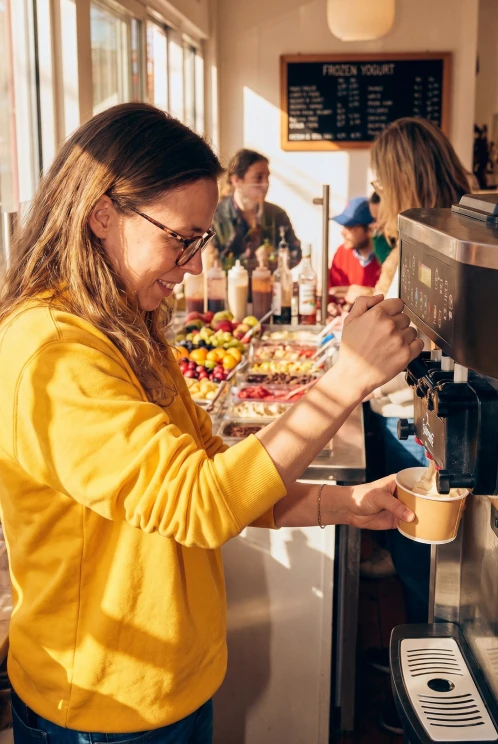
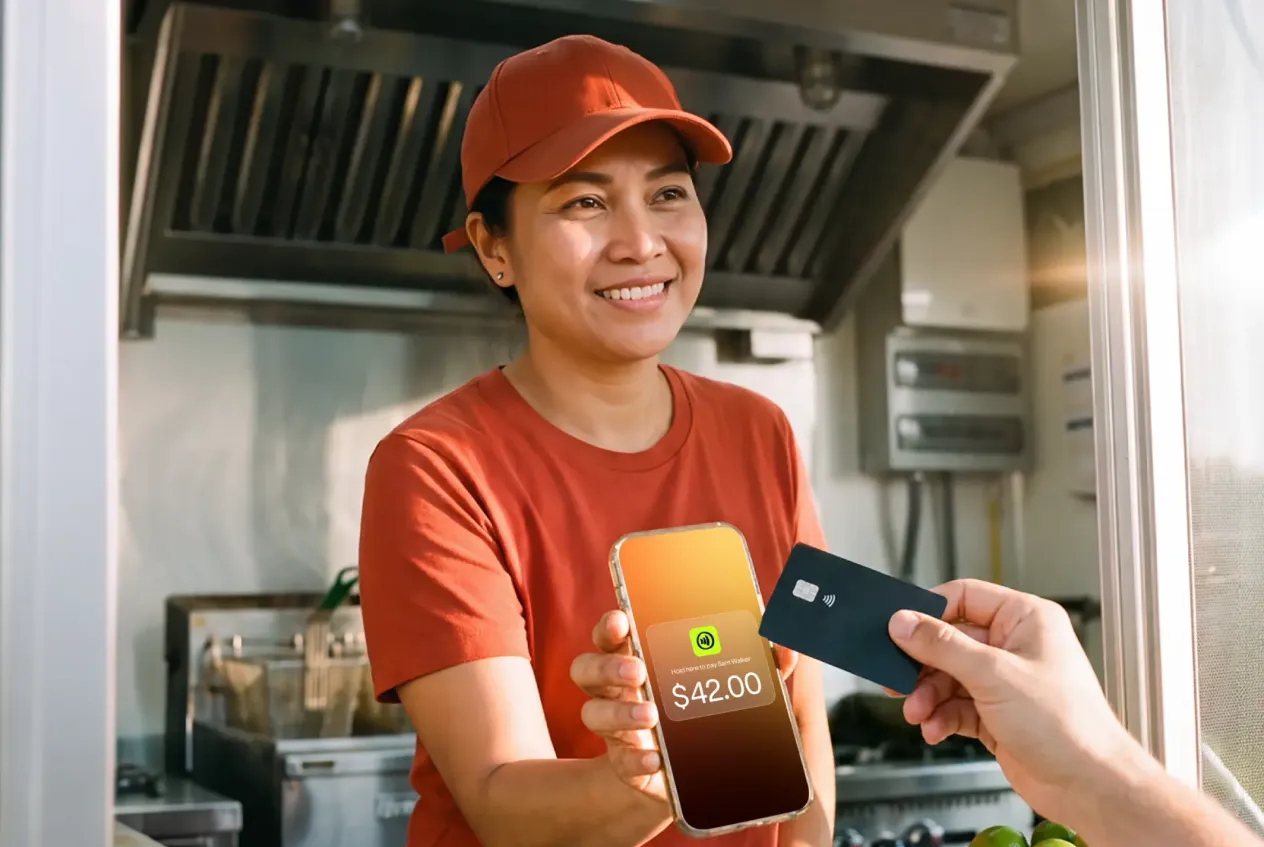
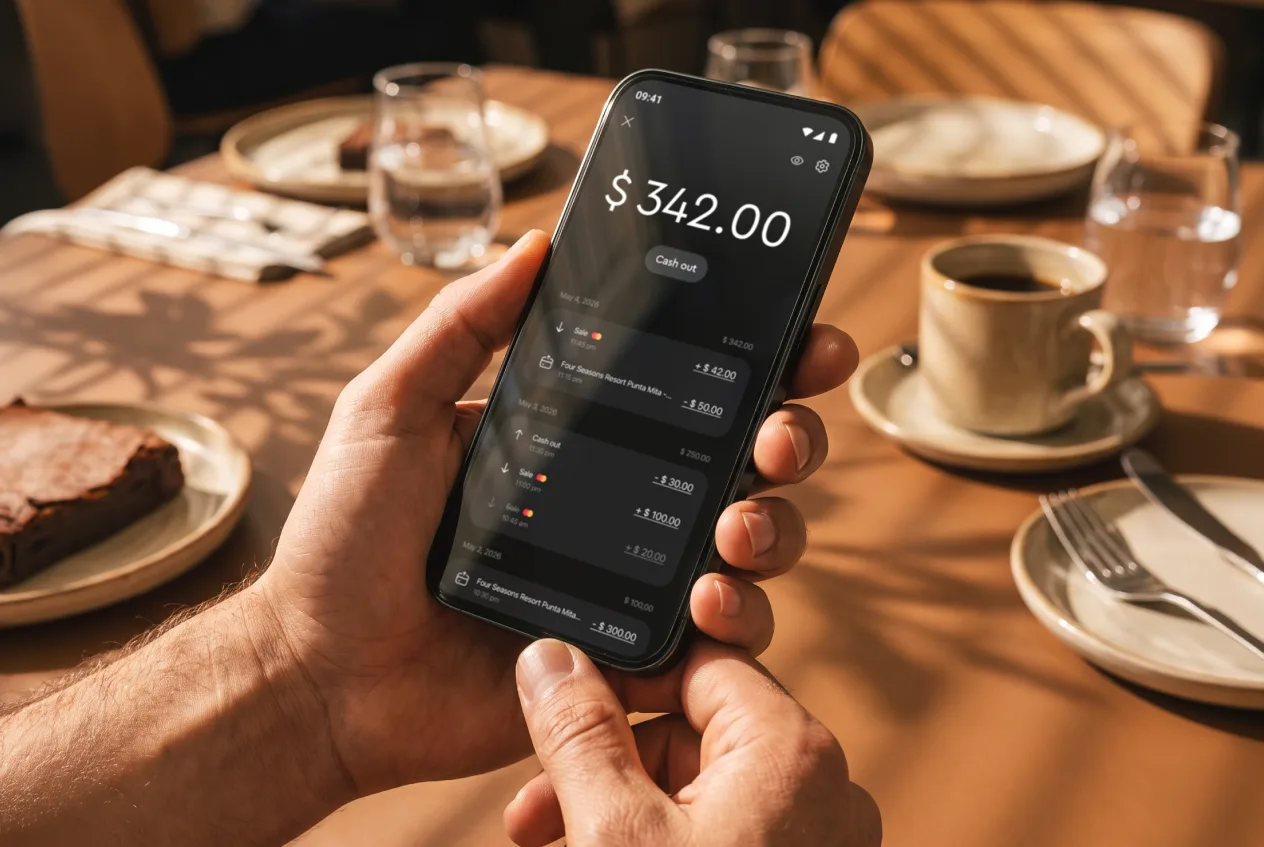
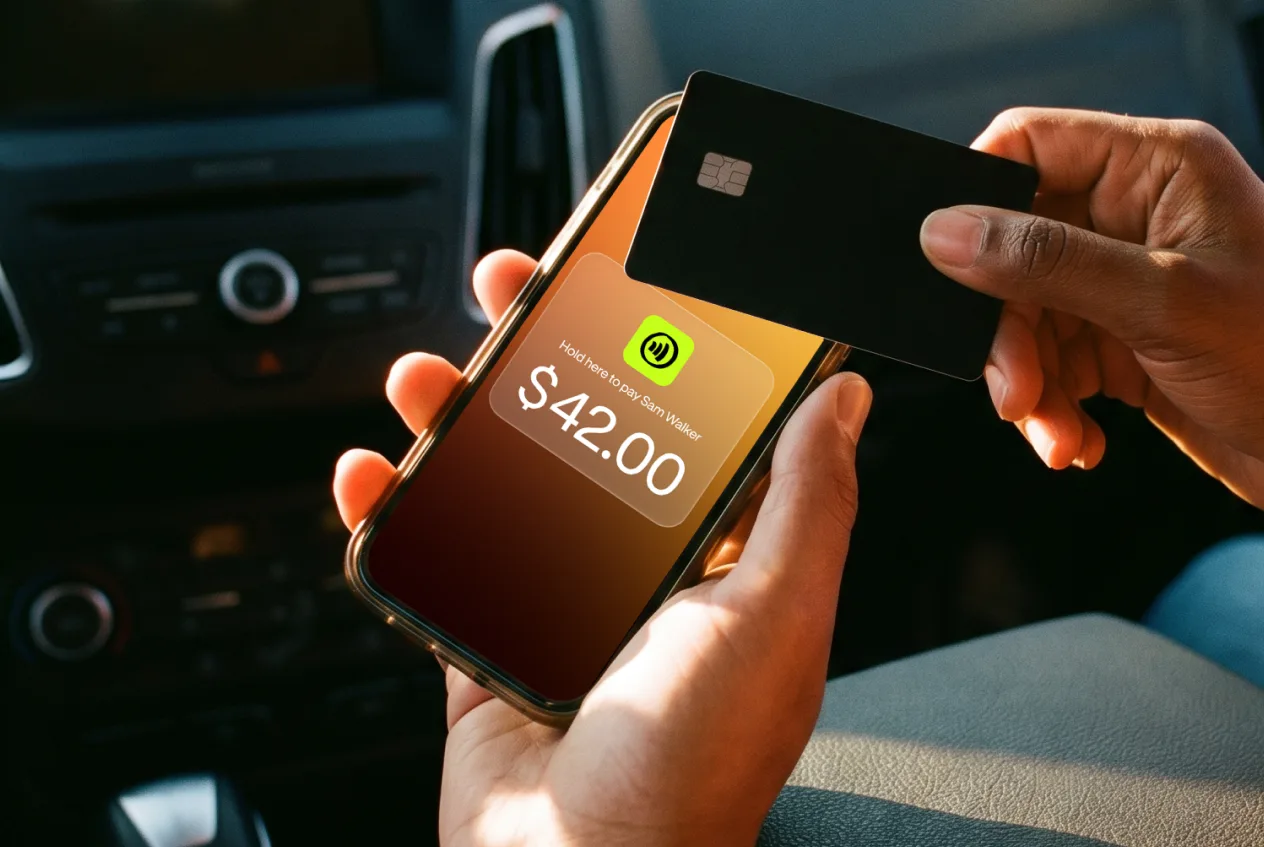
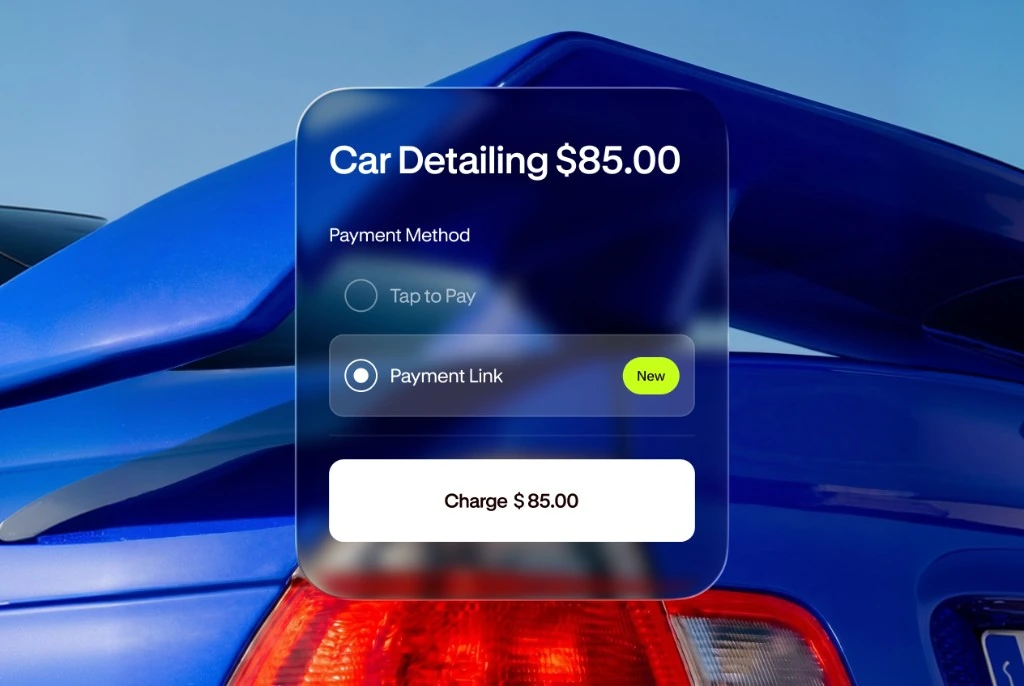
For juice bars that need to accept payments on-site or on-the-go, JIM offers a streamlined solution. With JIM, you can accept debit, credit, and digital wallets directly through your smartphone. Just tap and you are done. At just 1.99% per transaction with no hidden costs or extra hardware needed, it is particularly useful for selling at farmers' markets or local events.
The process is simple:
- Get Started: Download the JIM app for iOS.
- Make a Sale: Type the sales amount, hit sell, and ask your customer to tap their card or device on your phone.
- Access Funds: Your money is available right on your JIM card as soon as the sale is done. There is no wait for bank transfers.
Here are 3 immediate steps to take:
- Compare the transaction fees of two different payment providers.
- Decide if you need a mobile payment option for events or deliveries.
- Download the JIM app to see how it works.
Step 6: Fund your business and manage finances
With your business plan ready, it is time to secure funding. An SBA 7(a) loan is a great option. These government-backed loans can range from $50,000 to $150,000 for a new juice bar. Lenders typically look for a credit score over 680 and a detailed business plan.
Another route is equipment financing. This loan specifically covers your juicers and refrigerators. The equipment itself serves as collateral, which can make approval easier. Rates are often between 4% and 12%, depending on your credit and the equipment's value.
Manage your cash flow
Many new owners focus on startup costs but forget about working capital. You need cash to cover rent, payroll, and inventory for at least six months. A safe buffer is between $20,000 and $40,000 to keep the business running before you turn a profit.
Keep your business and personal finances separate from day one. Open a dedicated business bank account as soon as your LLC is formed. This simplifies bookkeeping and protects your personal assets, which is the main reason you formed an LLC in the first place.
Here are 3 immediate steps to take:
- Check your credit score to see if you qualify for an SBA loan.
- Calculate your working capital needs for the first six months of operation.
- Open a separate business bank account for your juice bar.
Step 7: Hire your team and set up operations
Your first hires will likely be one or two Juice Baristas. Their duties include drink preparation, customer service, and daily cleaning. You can plan for a pay rate of $15 to $18 per hour. Also, every employee must have a valid Food Handler's Card, so check your local requirements early.
Build your staff and schedule
A frequent oversight is having too few staff during peak hours. To avoid this, aim to keep your total labor costs between 25% and 35% of revenue. This metric helps you stay profitable while you have enough help for the morning and lunch rushes.
With your team in place, you need a way to organize shifts. Software like Homebase or 7shifts can manage schedules and let employees swap shifts easily. This prevents last-minute confusion and keeps your operation smooth.
Here are 4 immediate steps to take:
- Draft a job description for a Juice Barista with pay and responsibilities.
- Find your local health department’s rules for the Food Handler's Card.
- Calculate your target labor budget based on 25-35% of projected sales.
- Compare features on scheduling software websites like Homebase and 7shifts.
Step 8: Market your business and get customers
Focus on local marketing
Your first customers will come from your neighborhood. Use Instagram to post high-quality photos of your colorful juices. Also, partner with a nearby gym or yoga studio. You can offer their members a 10% discount to drive initial foot traffic.
A mistake many new owners make is to ignore their Google Business Profile. Set yours up completely with your menu, hours, and photos. This is a free way to appear in "juice bar near me" searches and is often more effective than a complex website at first.
Encourage repeat business
A simple loyalty program works wonders. A "buy nine, get the tenth free" punch card or digital app can increase repeat visits by over 20%. This is much cheaper than paid ads, where acquiring a single new customer can cost $15 to $30.
Consider a grand opening event. Promote a "buy one, get one free" deal on social media for your first weekend. This creates buzz and gets people in the door. Collect email addresses at the register to build a list for future promotions.
Here are 4 immediate steps to take:
- Set up and complete your Google Business Profile with photos and your menu.
- Contact one local gym to propose a cross-promotional discount.
- Design a simple "buy 9, get 10th free" loyalty card.
- Plan a grand opening special and create social media posts to promote it.
Step 9: Price your menu for profit
Calculate your costs per item
A reliable starting point is cost-plus pricing. Calculate the exact cost for each menu item, including every ingredient. For a 16 oz green juice, this might be $2.50. One thing new owners often overlook is the cost of cups, lids, and straws, which can add another $0.50 per drink.
Aim for a food cost percentage between 25% and 35%. This means if a juice costs you $3.00 to make, you should price it between $8.50 and $12.00. This strategy helps you achieve a healthy gross profit margin of 65-75% on each sale.
Set your final menu prices
Once you have your costs down, analyze what nearby juice bars charge. If their similar green juice is $9, pricing yours at $11 might be difficult unless you offer a clear benefit, like using all-organic ingredients. Use their prices as a benchmark, not a strict rule.
You might also consider tiered pricing. For example, offer a 12 oz juice for $8 and a larger 16 oz for $10. This encourages customers to upgrade for what feels like a small price jump, which can increase your average sale amount.
Here are 3 immediate steps to take:
- Calculate the total cost for three of your signature recipes, including packaging.
- Research the menu prices of two local competitors for similar items.
- Set a target food cost of 30% and calculate initial prices for your full menu.
Step 10: Maintain quality and scale your business
Set your quality standards
Consistency is your best marketing tool. Create a recipe book with exact measurements for every item. This ensures a customer's favorite green juice tastes the same on Monday as it does on Friday. Many new owners let recipes drift, which can disappoint regulars.
Track your food cost percentage weekly. If it climbs above 35%, your portions may be off or your suppliers raised prices. Also, monitor online reviews. Aim for a 4.5-star average on Google and Yelp. A dip in ratings is an early warning of service or quality issues.
Know when to grow
Growth should be data-driven. When you consistently sell out of popular items before closing, it is time to increase your produce orders. If your team seems rushed and wait times exceed five minutes during peak hours, you can likely afford to add another staff member.
Once you have six months of steady profits, you can explore expansion. This could mean a larger location or adding a delivery service. Inventory software like MarketMan can help you manage supplies as you scale, preventing waste and tracking costs across multiple locations.
Here are 3 immediate steps to take:
- Create a recipe book with exact measurements for your top three juices.
- Set up a system to track your weekly food cost percentage.
- Define your hiring trigger, such as when customer wait times exceed five minutes during peak hours.
Conclusion
You have the roadmap to launch your juice bar. Remember that success in this business comes down to consistency. A great green juice that tastes the same every time builds loyalty faster than any marketing campaign. Now you are ready to get started.
Once you are set up, keep your payments simple. JIM turns your smartphone into a card reader, so you can accept payments anywhere for a flat 1.99% fee with no extra hardware. Download JIM to be ready for your first sale.