Starting a neon sign business is an exciting venture that combines artistic creativity and technical skill with business savvy. The market for custom signs is a billion-dollar industry, with steady demand for unique pieces from restaurants, retail shops, and even for personal home decor.
This guide will take you through the practical steps of validating your business concept, acquiring the right equipment, obtaining necessary permits, and building supplier relationships to help you launch a successful neon sign business in the U.S.
Step 1: Plan and validate your business idea
Market and competitor research
Start by exploring what's popular on platforms like Etsy and Pinterest. Search for "custom neon sign" to see current design trends and pricing. Then, use Google Maps to identify local sign shops and see what services they offer. This gives you a feel for the market.
For a deeper look, your local library likely offers free access to business databases like Data Axle. You can use it to create lists of potential B2B clients, like new restaurants or retail stores in your area, and analyze existing competitors' reported sales volumes.
Estimate your startup costs
With that research done, you can map out your initial investment, which will likely range from $8,500 to over $27,000. A significant portion is for specialized equipment. Some newcomers are tempted by cheaper gear, but this often leads to inconsistent quality and frustrating repairs.
Here is a typical breakdown: neon bending equipment can run $5,000-$15,000, glass tubing and gases add another $1,000-$3,000, and business formation plus insurance is about $500-$2,000. Also, factor in workshop rent and initial marketing expenses.
Here are 3 immediate steps to take:
- Analyze the top 10 "custom neon sign" listings on Etsy for pricing and style.
- Use Google Maps to list all sign-making businesses within a 30-mile radius.
- Contact a sign-making equipment supplier for a quote on a complete starter kit.
Step 2: Set up your business legally
Choose your business structure
Most new sign makers form a Limited Liability Company (LLC). This structure protects your personal assets, like your home and car, if the business faces a lawsuit. It is a straightforward process you can often complete online through your state's Secretary of State website.
Once your LLC is approved, you need an Employer Identification Number (EIN) from the IRS. It is free and you can get it instantly online. Think of it as a Social Security number for your business, required for taxes and opening a bank account.
Secure the right licenses and permits
Your state likely requires a specialty contractor's license for sign installation. In California, for example, you need a C-45 Sign Contractor license. Check your state's contractor licensing board website for requirements, which may include an exam and proof of experience.
A frequent misstep is to skip this license, as some believe it is only for large-scale work. Without it, you cannot legally pull permits for most installations, which puts your projects at risk. The process can take 2-3 months, so start early.
For every sign you install, you will likely need a permit from the local city or county building department. This involves submitting your design for review. Also, expect to need an electrical permit for any sign that plugs in or is hardwired.
Permit fees typically range from $50 to over $200 per sign. To avoid delays, ensure all your electrical components are UL-certified. This is a non-negotiable for most inspectors and confirms your sign meets safety standards.
Here are 4 immediate steps to take:
- File for an LLC with your state's Secretary of State.
- Apply for a free EIN on the IRS website.
- Identify the specific sign contractor license your state requires.
- Call your local building department to ask about their sign permit process.
Step 3: Secure your insurance and manage risk
Key insurance policies
You will want to start with General Liability insurance. This covers you if you damage a client's property during installation or if someone gets hurt in your workshop. A $1 million policy is standard and typically costs between $500 and $1,500 per year.
Next, consider Commercial Property insurance to protect your expensive equipment from fire or theft. A frequent mistake is to underinsure your gear. Make sure your policy covers the full replacement cost of your benders and power supplies, not just their depreciated value.
If you use a vehicle for installations or supply runs, you need Commercial Auto insurance. Your personal auto policy will likely deny claims for accidents that happen during business activities. Also, if you hire anyone, you must have Workers' Compensation insurance.
Finding a provider and understanding risks
You might want to get quotes from insurers like The Hartford, Hiscox, or Next Insurance. They specialize in policies for contractors and artisans. A general agent may not understand the specific risks of sign fabrication, such as electrical hazards or liability from a fallen sign.
With this in mind, be direct about your work. Explain that you bend glass, handle high-voltage transformers, and perform on-site installations. This ensures your policy has no surprise exclusions and properly covers the unique risks associated with neon sign work.
Here are 4 immediate steps to take:
- Request a quote for a $1 million general liability policy from a provider like Hiscox.
- Ask an agent about a policy that covers the full replacement cost of your equipment.
- Review your personal auto policy for business use exclusions and get a commercial quote if needed.
- Confirm that any policy you consider explicitly covers off-site installation work.
Step 4: Find a workshop and buy your equipment
Secure your workspace
You will want to find a workshop of at least 500-800 square feet. Look for spaces zoned for light industrial or commercial use, as residential areas will not permit the fumes and noise. Proper ventilation is a must, so prioritize spaces where you can install an exhaust system.
When you negotiate a lease, discuss electrical needs upfront. Your bombarder transformer requires a 220v outlet, which is not standard in all commercial units. Confirm the landlord will permit the installation of both the outlet and your ventilation hood before you sign anything.
Purchase your gear
With your space secured, you can purchase your equipment. A quality bombarder, which processes the tubes, will cost between $3,000 and $7,000. You will also need a set of burners, like crossfires and ribbon fires, and a vacuum system to remove air from the glass.
You can get quotes from industry suppliers like EGL or FMS. Many beginners overlook that glass tubing is sold by the case, often in quantities of 25-50 tubes. Ask suppliers about starter kits, which bundle the main components and can simplify your initial purchase.
Here are 4 immediate steps to take:
- Check the zoning regulations for a potential workshop with your local planning department.
- Ask landlords if they will permit electrical and ventilation upgrades.
- Request a quote for a bombarder transformer from a supplier like EGL.
- Inquire about the contents and cost of a neon equipment starter kit.
Step 5: Set up your payment and invoicing system
For custom work, it is standard to require a 50% deposit upfront. The remaining balance is due upon completion or delivery. This protects you from clients who back out and covers your initial material costs.
A mistake some new makers make is working without a contract. Always have a simple agreement that outlines the project scope, timeline, and payment terms. This prevents misunderstandings about the final design or payment schedule.
When it comes to getting paid, you will want a solution that is simple and cost-effective. Many payment processors charge around 2.5% to 3.5% per transaction plus monthly fees. Look for a system with transparent pricing, especially if you plan to take payments on-site.
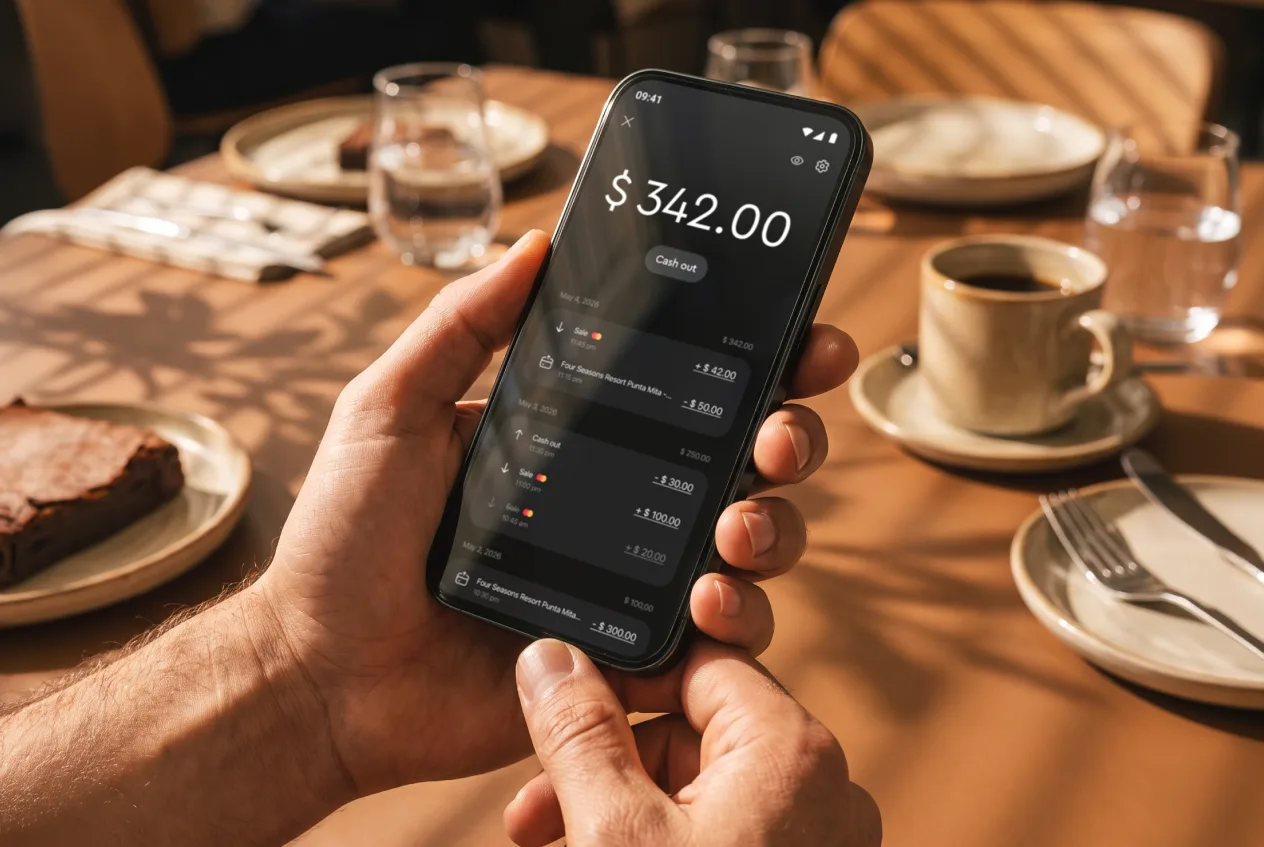
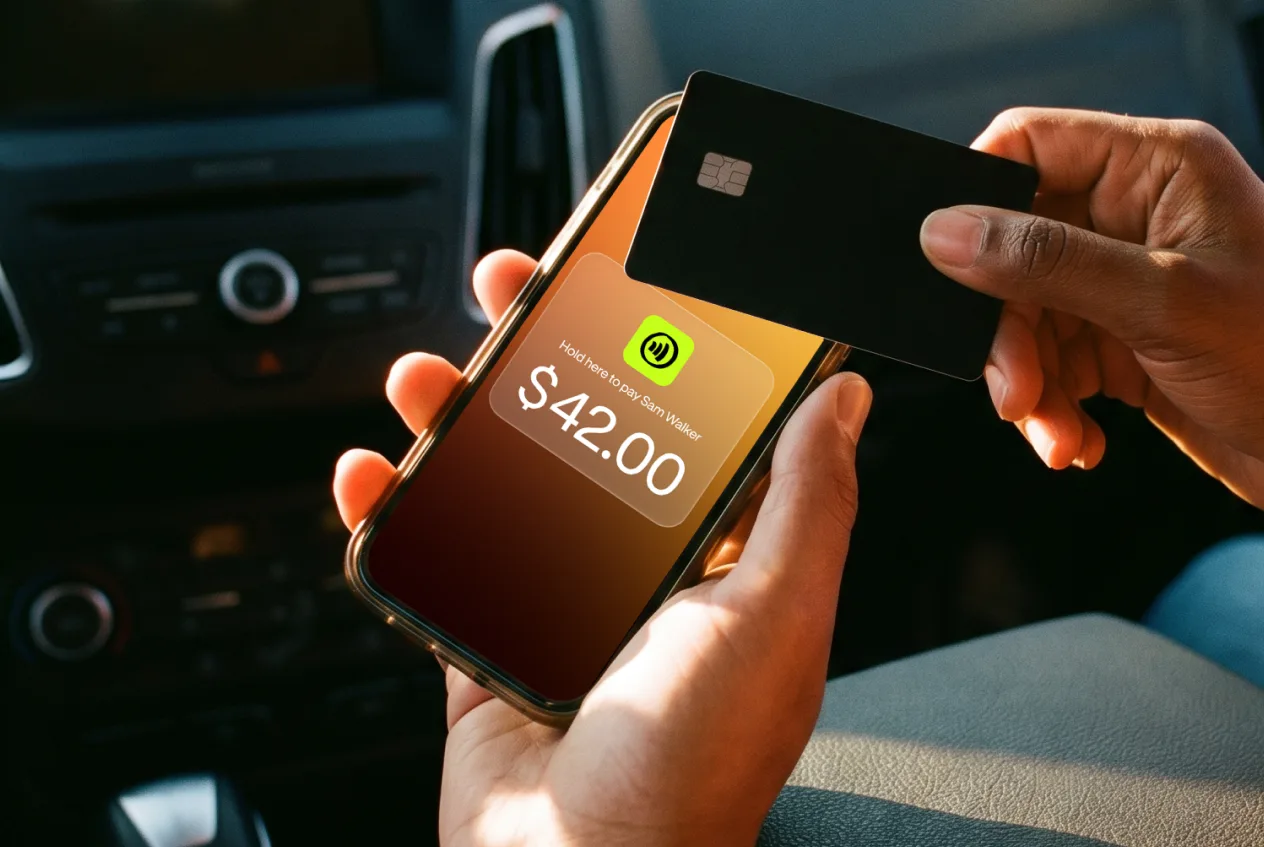
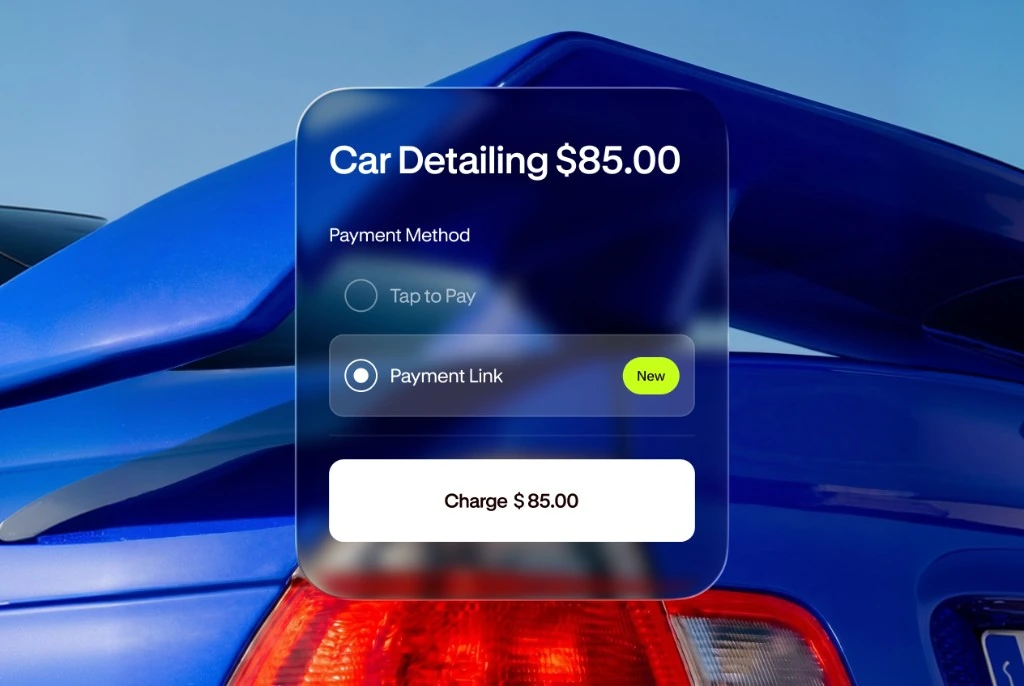
For a neon sign business that needs to accept payments on-site or on-the-go, JIM offers a streamlined solution. With JIM, you can accept debit, credit and digital wallets directly through your smartphone. Just tap and done.
At just 1.99% per transaction with no hidden costs or extra hardware needed, it is particularly useful for collecting final payments after an installation. You avoid the higher commission rates common with other providers.
- Get Started: Download the JIM app for iOS.
- Make a Sale: Type the sales amount, hit sell, and ask your customer to tap their card or device on your phone.
- Access Funds: Your money is available right on your JIM card as soon as the sale is done. No waiting for bank transfers.
Here are 3 immediate steps to take:
- Draft a standard contract that requires a 50% upfront deposit.
- Calculate the fee difference between a typical 2.9% processor and JIM's 1.99% rate for a $1,000 sign.
- Download the JIM app to explore its interface for on-site payments.
Step 6: Secure funding and manage your finances
Explore your funding options
You might want to look into an SBA Microloan, which can provide up to $50,000. Lenders will want to see a detailed business plan and a personal credit score, typically over 680. These loans are great for covering equipment and initial operating costs.
Another route is equipment financing, which you can often get directly through your suppliers. When you request a quote for a bombarder or bender, ask if they partner with a lender. This can simplify the process since the loan is tied to a specific asset.
Also, check for grants from your local arts council or Small Business Development Center (SBDC). These are competitive and take time to secure, but they offer funding you do not have to repay. Focus on grants for artisans or skilled trades.
Calculate your working capital
You will need enough cash to cover your first six months of operation. Plan for at least $10,000 to $20,000 in working capital. This covers rent, utilities, insurance, and a starting inventory of glass tubing and gases before sales become consistent.
A frequent oversight is not tracking material costs from the start. A single case of colored glass can run hundreds of dollars. You might want to use a simple program like QuickBooks Self-Employed to monitor every expense so you know your true cost per sign.
Here are 4 immediate steps to take:
- Research SBA Microloan lenders in your state via the SBA website.
- Ask your top equipment supplier if they offer in-house financing.
- Create a spreadsheet projecting your first six months of operating expenses.
- Search for your local arts council to find grant programs for artisans.
Step 7: Hire your team and set up operations
Key roles and what to pay
Your first hire will likely be a Neon Glass Bender, a true artisan. Look for someone with a strong portfolio, as this is a craft learned over years. An experienced bender can command a salary of $50,000 to $75,000, depending on their skill and your location.
You may also need a Sign Installer. This person handles mounting signs and all electrical work. For this role, you should expect to pay between $45,000 and $65,000. Many business owners find it is best to hire a licensed electrician to ensure all installations meet local codes.
Managing your workflow
As a solo operator, you might manage up to $150,000 in annual revenue. Once you push past that, you will probably need an installer to keep up. This frees you to focus on bending glass and securing new clients, which is a better use of your time.
For scheduling, a shared Google Calendar works well initially for tracking client consultations and installation dates. As you get busier, you might want to explore field service software like Jobber. It helps manage jobs, quotes, and dispatching from one place.
Here are 4 immediate steps to take:
- Draft a job description for a Neon Glass Bender, emphasizing portfolio and experience.
- Research salaries for sign installers in your area using sites like Glassdoor.
- Confirm your state's licensing requirements for electrical sign installation.
- Explore a field service app like Jobber to see how it could organize your jobs.
Step 8: Market your business and get customers
Build your visual portfolio
Your work is visual, so platforms like Instagram and Pinterest are your storefront. You should post high-quality photos and videos of your signs. Show the glass bending process, the glow of a newly filled tube, and the final installation. This content tells a story.
A frequent misstep is to only show finished products. People buy the artistry behind the sign, and process videos help justify premium prices. This behind-the-scenes look builds a connection with potential buyers and sets you apart from mass-produced alternatives.
Connect with commercial clients
You might want to target interior designers and architects directly. They often specify signage for commercial projects and can provide a steady stream of work. A single design firm could bring you several high-value projects per year, which is more efficient than finding one-off customers.
Also, create a list of 20 local businesses that are opening soon. You can find these through local business journals or by simply driving around your area. Offer a free design consultation. With good follow-up, you can expect to convert about 10% of these cold leads.
Here are 4 immediate steps to take:
- Create an Instagram profile and post five videos of your work process.
- Use a local business directory to list 10 interior design firms in your area.
- Draft an introductory email to designers that includes a link to your portfolio.
- Identify three local businesses opening soon and prepare a pitch.
Step 9: Set your pricing and create a sales strategy
Establish your pricing model
A common way to price your work is per linear foot of glass. You might want to start with a rate of $75 to $150 per foot, which covers your skill and labor. On top of that, add your material costs for glass, gas, and transformers, marked up by 3x to 5x.
Many new makers forget to value their own time and only charge for materials. You should also factor in an hourly rate for your bending work, around $50-$75 per hour, especially for designs with intricate bends or multiple colors. This ensures you are paid for your artistry.
Price against the market
Once you have a cost-based price, compare it to the market. Analyze the top custom neon sign listings on Etsy for a sign of similar size and complexity. Your goal is not to be the cheapest but to position your work fairly within the existing market range.
For example, a sign with 10 feet of glass could be priced this way: (10 ft x $100/ft) + ($150 material cost x 3 markup) = $1,450. This gives you a solid, defensible price to present to a client and helps you explain the value behind the cost.
Here are 3 immediate steps to take:
- Calculate your total material cost for a simple, one-color, 5-foot sign.
- Create a spreadsheet to compare your price for that sign against three Etsy competitors.
- Draft a simple pricing formula: (Linear Feet x Rate) + (Material Cost x Markup).
Step 10: Control quality and scale your operations
Establish your quality control process
Your reputation rests on the quality of your work. Create a final inspection checklist for every sign. This should include a 24-hour burn-in test to spot any flickering or overheating transformers. All your electrical components must be UL-certified to meet safety and inspection standards.
Pay close attention to visual consistency. The light should be even, with no dark spots, particularly around the bends. You should also compare the finished piece against the approved digital design. Aim to keep any physical deviation under 1/8 of an inch from the plan.
Plan your growth path
Once your quality is consistent, you can think about growth. When you must turn down more than two or three projects a month due to your workload, it is a strong signal to hire an installer. This frees you up to focus on bending and sales.
This is also when you will likely outgrow simple scheduling. A shared calendar works for a solo operation, but with a team, you might want to use field service software like Jobber. It helps you manage quotes, job assignments, and client communication in one place.
Here are 4 immediate steps to take:
- Draft a final inspection checklist that includes a 24-hour burn-in test.
- Confirm all your component suppliers provide UL-certified parts.
- Set a personal benchmark, like turning down three jobs in a month, to trigger your first hire.
- Schedule a demo for a field service app like Jobber to see its features.
You have the roadmap to turn your artistic vision into a glowing business. Remember that your unique style is your greatest asset in this craft. People buy the story behind the sign, not just the light. Now, go create something brilliant.
When you complete a job, a simple payment process helps. JIM turns your phone into a card reader for a flat 1.99% fee, so you can accept payment on the spot without extra hardware. Download JIM and you are ready for your first sale.