Starting an audiobook business is an exciting venture that combines a love for storytelling and audio production with sharp business savvy. The global audiobook market is a multi-billion dollar industry, with steady demand from commuters, fitness enthusiasts, and avid readers who enjoy multitasking.
This guide will take you through the practical steps of validating your business concept, acquiring the right equipment, building relationships with authors, and securing funding to help you launch a successful audiobook business in the U.S.
Step 1: Plan your business and validate the concept
Begin by analyzing market trends. Spend a few weeks on platforms like Audible and Goodreads. Look at the top charts in different genres, not just fiction. Note which publishers consistently produce bestsellers in niche categories like self-help or specialized history.
For competitor analysis, you can review the catalogs of major players like Penguin Random House Audio and smaller independent producers directly on their websites or Audible pages. This shows you their genre focus, production quality, and pricing strategies.
Understand your startup costs
Initial equipment costs can range from $500 to over $2,500. A quality microphone like a Rode NT1 runs about $300, an audio interface like a Focusrite Scarlett 2i2 is around $200, and a Digital Audio Workstation (DAW) can be free (Audacity) or a one-time $60 fee (Reaper).
Many people forget to budget for sound treatment, which can add another $100 to $1,000. Also, factor in business formation fees, which are typically $50 to $300 depending on your state. These initial investments are manageable when planned correctly.
Here are 3 immediate steps to take:
- Create a spreadsheet to track the top 10 bestsellers in three different genres for one month.
- Draft a preliminary budget that lists expected costs for your microphone, audio interface, and sound treatment.
- Research the LLC formation process and associated fees in your specific state.
Step 2: Establish your legal entity and secure licenses
For most new audiobook producers, forming a Limited Liability Company (LLC) is a practical move. It protects your personal assets if the business faces debt or legal issues. You can file for an LLC through your state's Secretary of State website, with fees from $50 to $500.
An LLC offers pass-through taxation, so business profits are reported on your personal tax return. Once your income grows, you might want to elect S Corp status with the IRS using Form 2553. This can reduce your self-employment tax burden but requires more formal bookkeeping.
Get your federal and local paperwork in order
Once your LLC is approved, get a free Employer Identification Number (EIN) from the IRS website. You will need this number to open a business bank account. This process takes only a few minutes online; a common mistake is to pay a third-party service for an EIN.
If you plan to operate under a name different from your legal LLC name, you will also need to file a "Doing Business As" (DBA) name. This usually costs between $25 and $100 through your county clerk's office and keeps your branding consistent.
Next, check your city or county clerk's office for a general business license. These typically cost between $50 and $150 annually. Operating without one can result in fines, so it is best to handle this before you take on your first client. Processing can take a few days to weeks.
Here are 4 immediate steps to take:
- File LLC formation documents with your state's Secretary of State.
- Apply for a free Employer Identification Number (EIN) directly on the IRS website.
- Check if you need to file a DBA with your county clerk's office.
- Contact your local city government to apply for a general business license.
Step 3: Secure insurance to manage business risks
Protect your operations and reputation
Start with two key policies. General Liability insurance covers third-party claims like property damage. Professional Liability, or Errors & Omissions (E&O), protects you if a client claims your work was negligent, for example, a major narration error that forces a recall.
For $1 million in coverage, expect annual premiums of $400 to $700 for General Liability. E&O insurance for the same amount typically runs from $600 to $1,200 per year. A frequent oversight is to skip E&O, which exposes you to significant financial risk from work-related mistakes.
Insure your physical assets
Next, protect your gear with Business Property insurance. A policy that covers $10,000 worth of microphones, interfaces, and computers might cost around $250 annually. Do not assume your homeowner's or renter's policy covers business equipment; most explicitly exclude it.
As your business grows, you may need more coverage. If you hire employees, you will need Workers' Compensation. If you use a vehicle for business errands, you will need Commercial Auto insurance. For now, focus on the main liabilities. You can find media-focused policies from providers like Hiscox, The Hartford, and Next Insurance.
Here are 4 immediate steps to take:
- Request quotes for both General Liability and Professional Liability insurance.
- Create an inventory of your equipment and its value to determine property coverage needs.
- Review your homeowner's policy to confirm its limitations on business equipment.
- Contact an insurer that specializes in media, like Hiscox or The Hartford.
Step 4: Set up your recording space and equipment
Find your recording space
You do not need a commercial lease to start. A quiet interior room in your home, like a walk-in closet or a small bedroom of about 100 square feet, works perfectly. These spaces minimize outside noise and have less natural echo.
Home-based studios rarely face zoning issues for a single operator. A quick check of your local residential ordinances can confirm this, but it is not usually a hurdle for this type of work.
Acquire your production gear
Your microphone and audio interface are your primary investments. An XLR microphone like the Rode NT1 (around $300) paired with an interface like the Focusrite Scarlett 2i2 (around $200) gives you professional quality and future flexibility.
Many new producers buy a great microphone but forget about room acoustics. Your recording will sound amateurish without sound treatment. Budget at least $200 for acoustic foam panels and bass traps to control echo and reverb.
For software, you can start with Audacity for free. A more robust Digital Audio Workstation (DAW) like Reaper offers a one-time license for $60 and provides advanced editing features you will appreciate later.
Here are 4 immediate steps to take:
- Measure a quiet room or large closet to confirm it can fit a small desk and chair.
- Compare prices for a Rode NT1 and a Focusrite Scarlett 2i2 on sites like Sweetwater.
- Watch a few YouTube tutorials on DIY acoustic panels to manage initial costs.
- Download the free trial of Reaper to test its features before you purchase the license.
Step 5: Set up your finances and payment processing
Most audiobook projects use a 50% upfront deposit and 50% upon completion. This structure secures your time and ensures final payment. For longer projects, you might break payments into milestones, like 25% upfront and 25% at the halfway point.
Choose your payment solution
When you choose a payment solution, look for low transaction fees and fast fund access. Many new producers get caught by high rates, which can be 3% or more, plus monthly fees. These costs add up quickly and can eat into your profits.
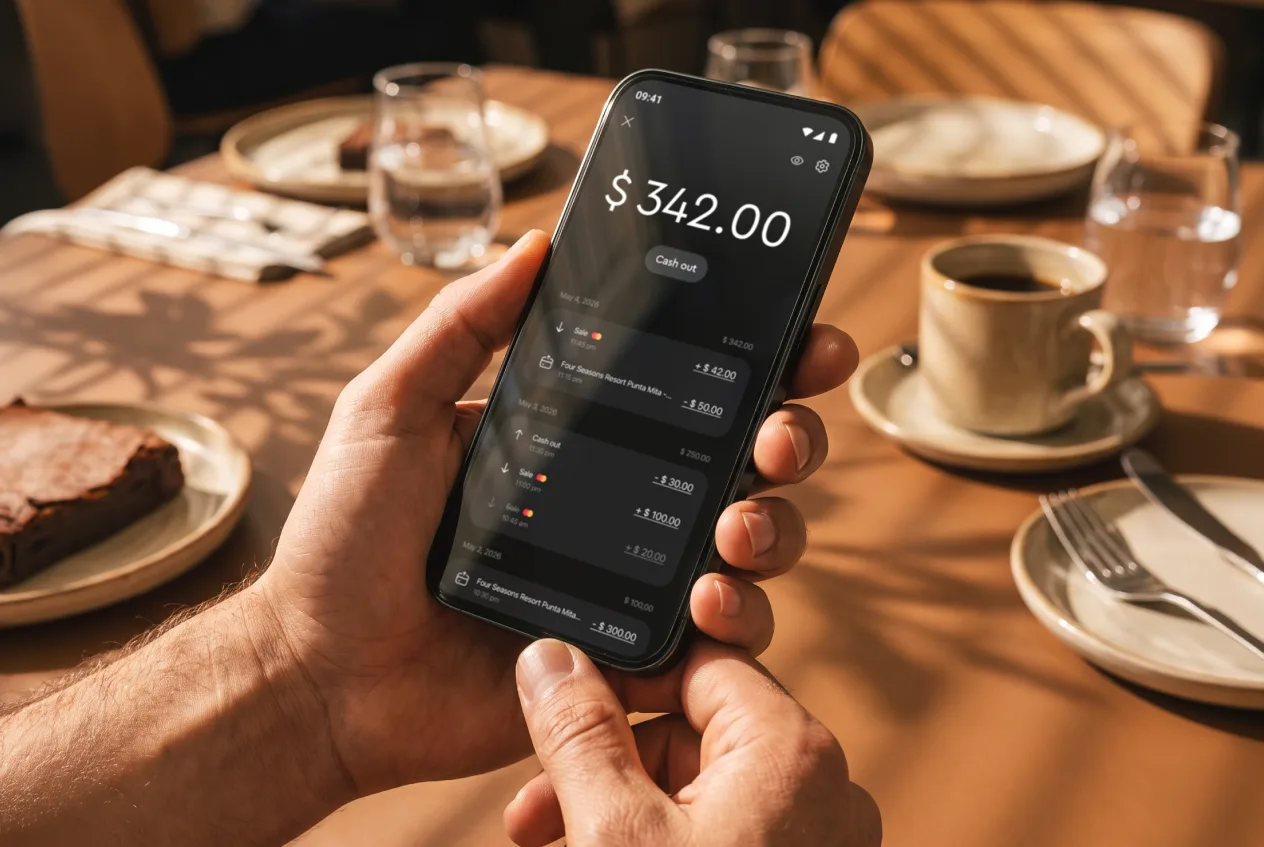
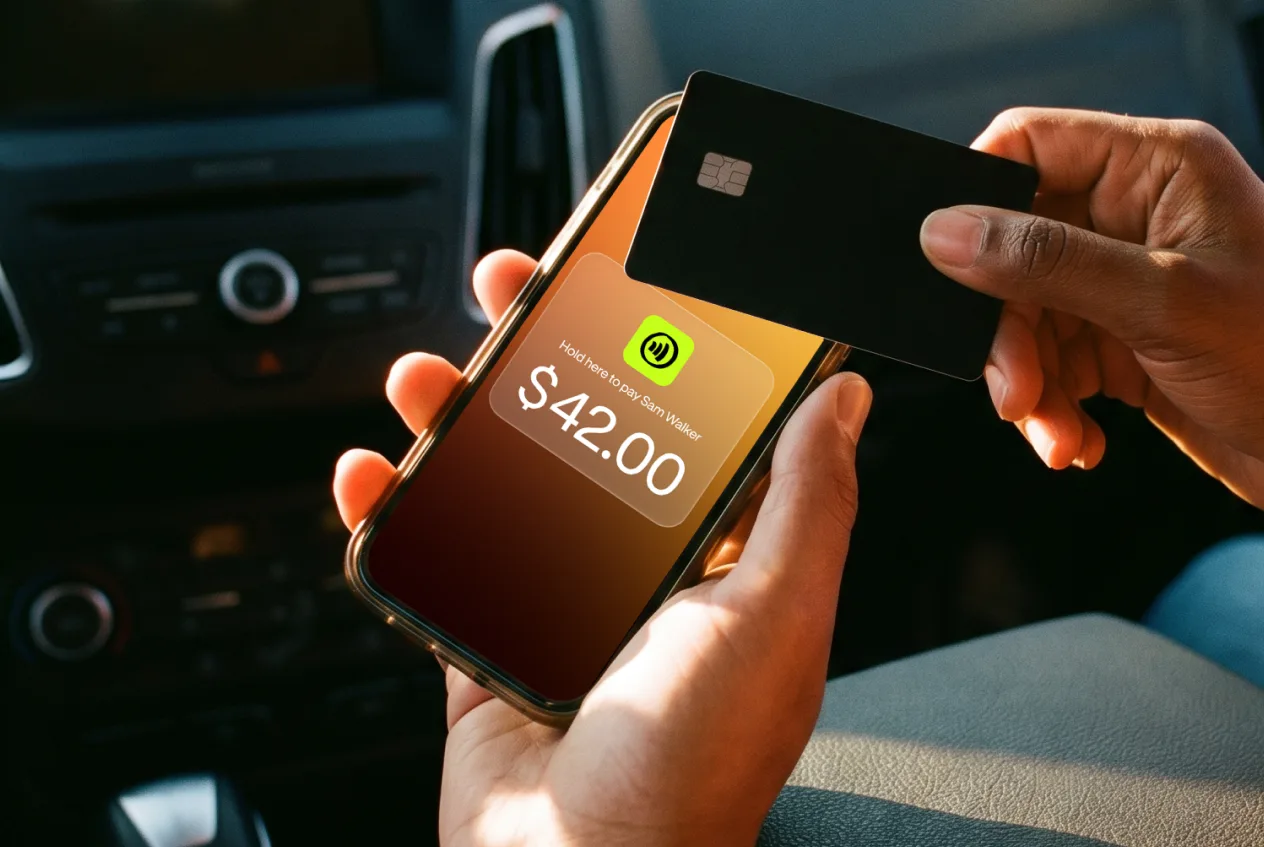
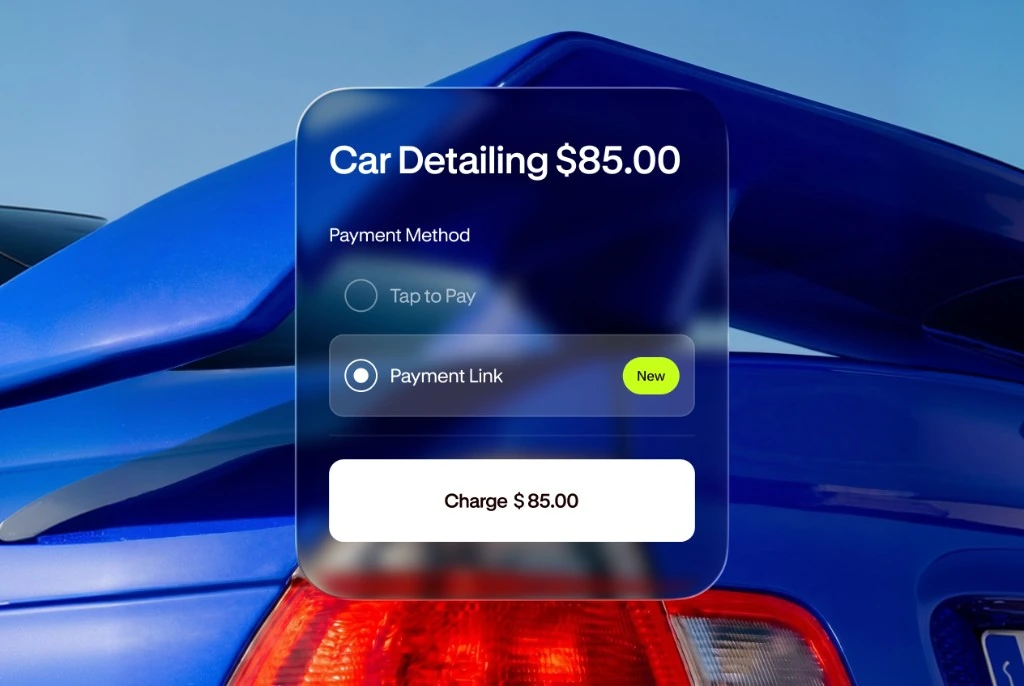
For audiobook producers who need to accept payments on-site or on-the-go, JIM offers a streamlined solution. With JIM, you can accept debit, credit, and digital wallets directly through your smartphone—just tap and done. At just 1.99% per transaction with no hidden costs or extra hardware needed, it is particularly useful for in-person meetings with authors.
Getting started is straightforward:
- Get Started: Download the JIM app for iOS.
- Make a Sale: Type the sales amount, hit sell, and ask your customer to tap their card or device on your phone.
- Access Funds: Your money is available right on your JIM card as soon as the sale is done—no waiting for bank transfers.
Here are 3 immediate steps to take:
- Draft a standard contract that outlines a 50% deposit payment structure.
- Compare the transaction fees of two or three payment processors.
- Download the JIM app to explore its interface and features.
Step 6: Find funding and manage your finances
Secure your startup capital
Most audiobook businesses self-fund or start with small loans. An SBA Microloan is a strong option, offering up to $50,000. You will typically need a good credit score (above 620) and a solid business plan to qualify for interest rates that are often between 8% and 13%.
Another route is a business line of credit from your bank. This gives you flexible access to cash when you need it, which is perfect for covering unexpected project costs. Approval often depends on your personal credit history and your relationship with the bank.
You might also look into grants from your local arts council. These programs sometimes support creative entrepreneurs and may offer a few thousand dollars. This can cover initial software and marketing costs without the need for repayment. These are competitive but worth the effort.
Calculate your working capital
Plan for at least six months of operating expenses. A frequent misstep is to focus only on equipment costs. You should budget $3,000 to $8,000 for your first six months. This covers software subscriptions, insurance premiums, marketing, and other administrative fees before you have steady client income.
Here are 4 immediate steps to take:
- Research SBA Microloan lenders in your area through the SBA's website.
- Ask your bank about requirements for a small business line of credit.
- Check the website of your city or state's arts council for grant opportunities.
- Create a spreadsheet to project your operating expenses for the first six months.
Step 7: Build your team and streamline operations
You will likely start as a one-person operation, but you should plan to outsource tasks as you grow. Most audiobook producers rely on a network of skilled freelancers rather than full-time employees. This model keeps your overhead low and provides flexibility.
Key freelance roles
Your first hire will probably be an audio editor or proofer. They handle the technical work of cleaning up recordings and mastering files to platform specifications. Expect to pay a freelance editor between $75 and $150 per finished hour of audio.
You may also collaborate with narrators. While you might narrate projects yourself, hiring voice actors expands your capacity. Non-union narrators typically charge between $100 and $350 per finished hour, or they may agree to a royalty-share agreement on platforms like ACX.
A frequent misstep is to hire freelancers based only on their quoted price. Always request a short, paid sample of 5-10 minutes. This lets you vet their quality and communication style before you commit to an entire book project.
For project management, you can use a simple spreadsheet or a dedicated platform like Trello or Asana to track deadlines and deliverables for each project. This keeps everyone aligned.
Here are 4 immediate steps to take:
- Create a profile on a freelance marketplace like Upwork to browse narrator and editor portfolios.
- Draft a standard freelance contract that outlines payment rates and project deadlines.
- Set up a free project board on Trello to map out the stages of an audiobook production.
- Define your vetting process, including a paid 5-minute sample edit for potential editors.
Step 8: Market your business and acquire customers
Build your online presence
Create a simple one-page portfolio website on a platform like Squarespace or Wix. This might cost $15 to $30 per month. Your site should feature at least three high-quality, 60-second audio samples from different genres. Authors will judge your entire business on these clips, so they must be flawless.
A frequent oversight is to neglect search engine optimization (SEO). Use keywords like "audiobook narrator" or "indie author audiobook production" in your site's text and metadata. This helps authors find you through Google searches over time.
Engage directly with authors
Direct outreach is effective for your first clients. Join indie author groups on Facebook or use LinkedIn to connect with writers. Offer a free 15-minute consultation or a sample chapter narration to demonstrate your value. A 2-5% response rate on cold outreach is a solid start.
You can also create a profile on ACX (Audiobook Creation Exchange). While the platform is crowded, a professional profile with excellent audio samples can attract authors who are actively looking for producers. This is a good supplement to your direct marketing efforts.
Here are 4 immediate steps to take:
- Set up a one-page portfolio website with your contact information.
- Record and polish three 60-second audio samples in different genres.
- Join two active author communities on Facebook or LinkedIn.
- Create a producer profile on the Audiobook Creation Exchange (ACX).
Step 9: Set your pricing strategy
Choose your pricing model
Most producers use a Per Finished Hour (PFH) rate. This means you charge for the length of the final, edited audiobook. A typical PFH rate for full production, including narration and editing, is between $200 and $400. This model guarantees your income for the work you complete.
A mistake many new producers make is to undercharge. Remember that one finished hour of audio can take four to six hours of work. If you set your PFH rate too low, you will not cover your time, which can lead to burnout before your business gets off the ground.
Another option is a Royalty Share (RS) agreement, common on platforms like ACX. Here, you split royalties 50/50 with the author instead of an upfront payment. This is a gamble on the book's success but can provide passive income if it sells well over time.
Research your competition
To find your price point, review producer profiles on ACX or Upwork. Look at what narrators with a similar number of completed projects charge. This gives you a realistic baseline for your own rates. You can also offer a hybrid model, a lower PFH rate plus a small royalty percentage.
Here are 4 immediate steps to take:
- Research 10 producer profiles on ACX to compare their PFH rates.
- Calculate your minimum viable PFH rate based on a 4:1 work-to-finished-hour ratio.
- Define the criteria for a book you would accept for a Royalty Share deal.
- Draft a simple rate sheet with packages for PFH and hybrid options.
Step 10: Maintain quality and scale your operations
Establish your quality control process
Your reputation depends on consistent quality. Platforms like ACX have strict technical requirements. Your audio files must have RMS levels between -23dB and -18dB, peak values no higher than -3dB, and a noise floor below -60dB. Master these specs to avoid rejections.
A mistake some producers make is to rely only on their own ears. Use a plugin like a loudness meter to check your files. This ensures every project meets the technical standard before you send it to a client or platform, which saves you from time-consuming revisions.
Know when to grow
You can scale your business once you have a steady workflow. A good benchmark for hiring your first freelance editor is when you are consistently booked two to three months in advance. This frees you up to focus on narration and client acquisition.
When you start turning down more than 20% of qualified projects due to a full schedule, it is a clear signal to expand. You might also consider raising your PFH rates by 10-15% at this point to manage demand and increase your revenue.
As you add freelancers, a shared project board on a platform like Trello or Asana becomes your command center. It helps you track progress, share files, and keep everyone on the same page without constant emails. This keeps your operations smooth as you grow.
Here are 4 immediate steps to take:
- Download and print the official ACX audio submission checklist.
- Install a loudness meter plugin for your DAW to verify your RMS levels.
- Set a monthly calendar reminder to review your project pipeline and capacity.
- Create a template project board in Trello for managing a standard audiobook production.
You now have the map to launch your audiobook business. Remember that your reputation rests on audio quality and author relationships, so focus on those two things above all else. With a solid plan, your first project is closer than you think.
As you connect with authors, make payments simple. JIM turns your phone into a card reader for a flat 1.99% fee, with no extra hardware, so you get paid on the spot. Download JIM to get started.