A guide to MCC 5999: Miscellaneous & specialty stores

MCC code 5999 explained. See its business impact and how to check your code. Download JIM for iOS/Android; take phone payments in seconds for a 1.99% fee.

2 min read time

Copied
Plumber fixing kitchen sink pipes
Main topics

MCC 5999 is a merchant category code used by the International Organization for Standardization (ISO) to classify miscellaneous and specialty retail stores. This code applies to businesses that sell unique or niche products not covered by other, more specific MCCs. Transactions from establishments like antique shops, art supply stores, or even fortune tellers often fall under this broad category for specialty merchants.

Which businesses fall under MCC 5999?

MCC 5999 applies to a broad range of specialty retail establishments:

  • Pet shops: These stores sell pets, pet food, and supplies like toys and leashes. Large chains such as Petco and PetSmart, along with local independent pet stores, use this code for their transactions.
  • Art supply stores: Retailers like Michaels or Blick Art Materials fall under this code. They offer paints, canvases, brushes, and other creative tools for artists and hobbyists.
  • Antique shops: These establishments specialize in selling old collectibles, furniture, and decorative items. Transactions at local antique malls and independent dealer shops are classified with MCC 5999.
  • Coin and stamp dealers: Businesses that buy and sell rare coins, currency, and postage stamps for collectors use this code. These are often highly specialized storefronts for numismatists and philatelists.
  • Trophy shops: These stores specialize in awards, plaques, and custom engravings for sports leagues and corporate events. Most local award and engraving businesses use this MCC for payment processing.
  • Bait and tackle shops: These retailers cater to anglers by selling fishing rods, reels, lures, and live bait. Independent shops near lakes and coastal areas typically fall under this category.
  • Magic shops: These unique stores sell magic tricks, props, and instructional materials for amateur and professional magicians. They represent a niche segment of the specialty retail market.

Business implications of MCC 5999

Payment networks including Visa, Mastercard, American Express, and Discover use MCC 5999 to categorize transactions, which affects several aspects of business operations. These networks assess a business's risk level based on its MCC. For MCC 5999, the broad and miscellaneous nature of the businesses can sometimes lead to higher interchange rates compared to more defined, lower-risk categories.

Beyond risk assessment and transaction fees, this code also influences other operational functions. These functions range from internal expense management to customer-facing reward programs, shaping how a business handles its finances and interacts with its clientele.

Expense tracking

Companies rely on MCC codes to automatically sort business purchases on credit card statements. This simplifies expense reporting by grouping all specialty retail spending under MCC 5999, which can help identify potential deductions for items like office art or client gifts.

Financial analysis

Businesses analyze spending patterns associated with MCC 5999 to gain better financial oversight. By tracking these miscellaneous expenses, finance teams can more accurately forecast future costs, manage departmental budgets, and identify areas where spending on specialty goods can be optimized.

Compliance and auditing

Consistent application of MCC 5999 creates a clear audit trail for financial reviews. This allows auditors to quickly verify that expenses claimed under this category are legitimate business purchases from specialty retailers.

Rewards and customer behavior

MCC coding directly affects credit card rewards eligibility for consumers. A purchase at a store coded as 5999 might not qualify for bonus points offered for specific categories, which can influence where a customer chooses to shop.

How to verify your business's MCC

Specialty retail owners should confirm their MCC classification to process transactions correctly and avoid customer confusion over rewards eligibility. If you find your business is incorrectly classified, for example a pet shop coded as a grocery store, contact your payment processor immediately to request reclassification.

Here's how to verify if your MCC classification is set up correctly:

  • Contact Your Payment Processor: Your merchant services provider assigned the MCC code when you opened your account. To verify your classification, contact their customer service department or review the details in your original merchant agreement documents.
  • Review Processing Statements: Your monthly merchant statements typically display the assigned MCC code. Look for a four-digit number, often located in the account information or business profile details section, to confirm your current code.
  • Check with Your Acquirer: The acquiring bank or financial institution that processes your transactions maintains the MCC code in their system. You can call their merchant support team, and they can confirm your current classification over the phone.
  • Test Transaction Method: Some merchants process a small test transaction on a personal credit card. They then check the statement to see how the purchase is categorized. Note that this method is less reliable than direct confirmation from your processor.

How to choose a reliable payment service provider

Your MCC 5999 classification influences interchange rates and processing requirements, so the choice of a payment processor is important. Providers handle specialty retail transactions with different pricing models, settlement speeds, and support levels. These variations have a cumulative effect on your business, so consider the following factors when you select a partner.

  • Transparent pricing: Flat-rate pricing offers predictability over complex interchange-plus or tiered models. The JIM tap-to-pay app for iPhone and Android charges 1.99% per transaction with no setup costs, monthly fees, or premium card surcharges.
  • Payment method support: Your processor should accept all major cards like Visa, Mastercard, and Discover, plus digital wallets such as Apple Pay and Google Pay, to meet customer expectations.
  • Fast fund access: Quick access to funds helps manage cash flow. Instant settlements allow you to restock inventory, handle supplier payments, and make payroll without delay.
  • Security: Processors should protect customer data with tokenization and encryption. With tokenization, actual card numbers are never stored on your device, which reduces your liability.
  • Reporting: Modern processors offer advanced analytics. The JIM AI assistant provides sales reports and transaction history through a chat interface for better business insights.

Streamline payments with JIM

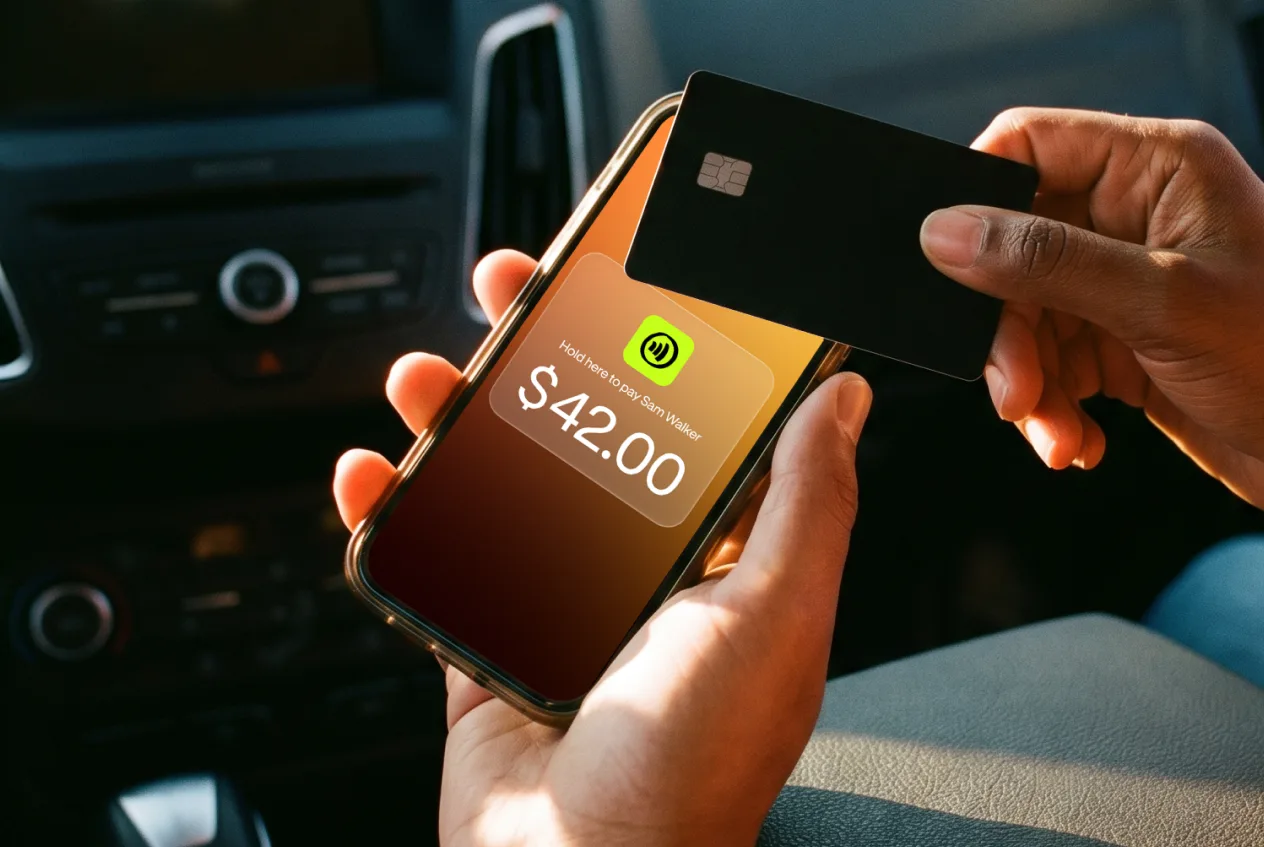
JIM offers specialty retail store owners a straightforward payment processing solution. The JIM tap-to-pay app transforms your iPhone or Android device into a payment terminal with no extra hardware. It uses NFC technology to accept contactless payments directly on your phone. You pay a flat 1.99% per transaction. There are no setup costs, monthly fees, or variable rates for premium cards, so your expenses remain predictable.

For remote transactions, you can use payment links (perfect for custom orders or online deposits) at a rate of 4.99% + $0.30 per sale. After each transaction, your funds become available instantly on your JIM Visa Prepaid Card. You can add this card to Apple Pay or Google Pay, which allows you to use your earnings immediately for business expenses or personal purchases. This system gives you direct control over your cash flow.

Frequently Asked Questions

Question

What is Merchant Category Code 5999?

Merchant Category Code 5999 is a four-digit classification number assigned to miscellaneous and specialty retail stores by payment networks and the International Organization for Standardization (ISO). This code identifies transactions from businesses with niche offerings, such as antique shops, art suppliers, and pet stores. Payment processors use this code to set interchange fees, generate reports, and determine rewards program eligibility.

Is Merchant Category Code 5999 high-risk?

Payment processors classify MCC 5999 as a standard-risk category. This classification stems from the relatively low chargeback rates and fraud instances associated with specialty retail stores. Because the risk is not elevated, businesses under this code receive favorable interchange rates from payment networks, avoiding the higher fees common in high-risk industries.

Can a business have multiple MCC codes?

A business typically receives one MCC code that reflects its main revenue source. However, companies with diverse operations can maintain multiple merchant accounts, each with a distinct code. For example, a large garden center classified under MCC 5261 might operate a separate gift shop with its own merchant account under MCC 5999. This setup allows the business to properly categorize sales from the specialty retail portion of its operations, which keeps financial records clean and accurate.

What happens if my MCC code is wrong?

An incorrect MCC code can have several negative consequences for your business. Customers may not receive the credit card rewards they expect, which can influence their shopping preferences and reduce repeat business. Additionally, your business could face improper interchange rates, either resulting in higher processing fees or potential penalties from payment networks for underpayment. This misclassification creates financial and reputational risks that are best avoided.

Can merchants choose their MCC code?

Merchants do not have the ability to choose their own MCC code. Payment processors assign the code based on a business's main source of revenue, and they must adhere to established ISO and payment network guidelines. If a business owner believes the assigned code misrepresents their operations, they can contact their processor to request a review and reclassification to a code that more accurately reflects their business model.

How does MCC 5999 affect my payment processing costs?

MCC 5999 directly influences the interchange rates you pay on every transaction. Businesses in this category typically face moderate rates, which are lower than those in high-risk industries but often higher than what grocery stores or gas stations pay. The specific financial effect on your business, however, depends entirely on your payment processor's pricing structure.

Processors that use an interchange-plus model pass these variable rates directly to you, causing costs to fluctuate with each card type, while flat-rate processors like JIM absorb the variability and charge you a consistent fee regardless of card type.

sell and get paid in seconds with jim

Start selling