Merchant Category Code (MCC) 7011 is a classification used by the International Organization for Standardization (ISO) for lodging, hotels, motels, and resorts. This code applies to businesses that provide temporary accommodation to the public for a fee. Covered transactions typically involve payments for room rentals and other services offered by these establishments, from large hotel chains to smaller bed and breakfasts or tourist cabins.
Which businesses fall under MCC 7011?
MCC 7011 applies to a broad range of lodging establishments:
- Hotels: These businesses provide short-term lodging with various amenities. Major chains like Hilton and Marriott, as well as independent city hotels, use this code for room bookings and related charges.
- Motels: Motels offer roadside accommodation, typically with direct room access from the parking area. Well-known examples include Motel 6 and Super 8, which process payments under this category.
- Resorts: These are destination properties that offer extensive recreational facilities in addition to lodging. All-inclusive resorts like Sandals or large casino hotels in Las Vegas classify their accommodation services under MCC 7011.
- Bed and Breakfasts: B&Bs are smaller lodging establishments, often in private homes, that include breakfast with the room rate. These intimate accommodations process guest payments using the 7011 code.
- Hostels: Hostels provide budget-friendly, shared-room accommodations for travelers. Establishments like those in the Hostelling International network use this MCC for their dormitory or private room payments.
- Apartment Hotels: Also known as aparthotels, these offer long-stay accommodations with hotel-like services. Companies like Sonder provide furnished apartments and process payments under MCC 7011 for guest stays.
Business implications of MCC 7011
Payment networks including Visa, Mastercard, American Express, and Discover use MCC 7011 to categorize transactions, which affects several aspects of business operations. These networks use the code to assess the risk profile of a business. For lodging establishments, this can influence the interchange rates charged for processing payments.
Higher-risk categories sometimes face higher fees, although MCC 7011 is generally standard. Beyond risk assessment, this code also has other operational applications that streamline financial management for both the business and its customers.
Expense tracking
Companies rely on MCC codes to automatically sort business travel expenses on credit card statements. This simplifies reimbursement processes and helps identify lodging costs, which can be useful for documenting business-related travel for tax purposes.
Financial analysis
Businesses analyze spending data associated with MCC 7011 to understand travel and accommodation patterns. This information allows them to track costs against budgets, forecast future lodging expenses, and negotiate corporate rates with preferred hotel partners for better cost management.
Compliance and auditing
The consistent application of MCC 7011 creates a clear audit trail. This helps companies verify that employee travel expenses are legitimate and comply with corporate travel policies during internal or external audits.
Rewards and customer behavior
Credit card issuers use MCC 7011 to determine eligibility for travel rewards, like bonus points on hotel stays. This can influence where customers book their accommodations, as they may choose establishments that qualify them for valuable loyalty program benefits.
How to verify your business's MCC
Hotel owners should confirm their MCC classification to ensure proper transaction processing and avoid customer confusion regarding rewards eligibility. If you find out that your business is incorrectly classified—for example, a hotel coded as a real estate agency—contact your payment processor immediately to request reclassification.
Here's how to verify if your MCC classification is set up correctly:
- Contact Your Payment Processor: Your merchant services provider assigned the MCC during account setup. To confirm your classification, contact their customer service department or review the details outlined in your original merchant agreement documents. This is the most direct method.
- Review Processing Statements: Your monthly merchant statements often display the assigned MCC. Look for a four-digit number, usually located in the account information or business profile section, to find your current code and confirm its accuracy.
- Check with Your Acquirer: The acquiring bank or financial institution that processes your transactions maintains the MCC code in their system. You can reach out to their merchant support team, who can look up and confirm your current classification.
- Test Transaction Method: Some business owners process a small test transaction on a personal credit card. They then check the statement to see how the purchase is categorized. However, this method is less reliable than direct confirmation from your processor.
How to choose a reliable payment service provider
Your MCC 7011 classification influences interchange rates and processing requirements. Processors handle these transactions differently, and variations in pricing, settlement speed, and support impact your bottom line. When selecting a provider, consider the following factors to find the best fit for your lodging business.
- Transparent pricing: Flat-rate pricing offers predictability over complex models with hidden fees, helping you forecast expenses. The JIM tap-to-pay app for iPhone and Android charges a simple 1.99% per transaction with no setup costs, monthly fees, or premium card surcharges.
- Payment method support: Your processor must accept all major credit cards like Visa, Mastercard, and Discover. Support for digital wallets such as Apple Pay and Google Pay is also standard to meet guest expectations for convenient payment.
- Fast fund access: Lodging businesses require consistent cash flow. Quick access to funds is necessary for daily operations like restocking supplies, paying vendors, and meeting payroll without disrupting guest services.
- Security: Protect guest data with a processor that uses encryption and tokenization. JIM uses tokenization for every transaction, so card numbers are never stored on your device, which reduces liability and builds trust.
- Reporting: Modern processors offer more than basic statements. The JIM AI assistant provides sales reports and transaction history through a chat interface, giving you quick access to performance data.
Streamline payments with JIM
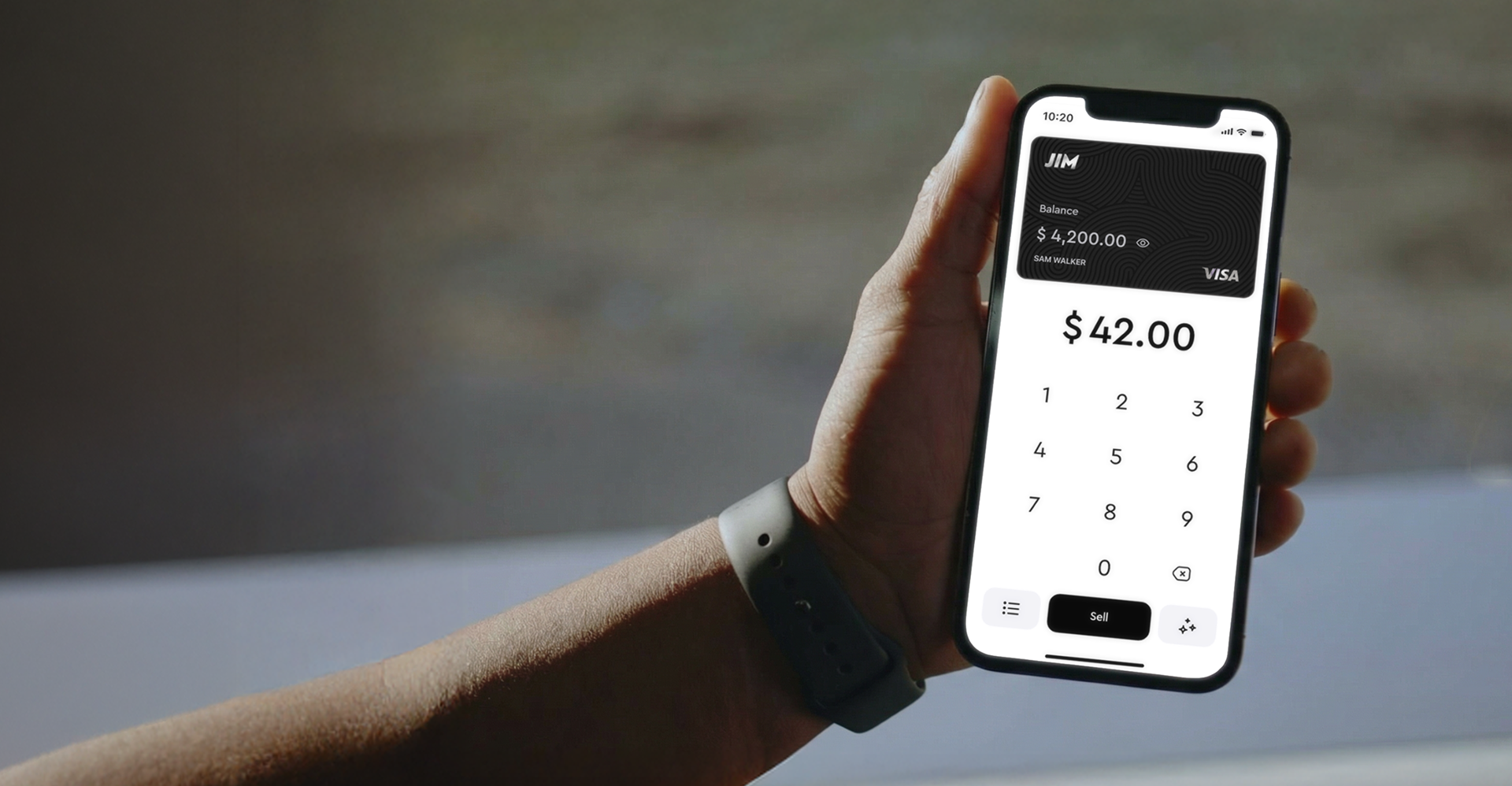
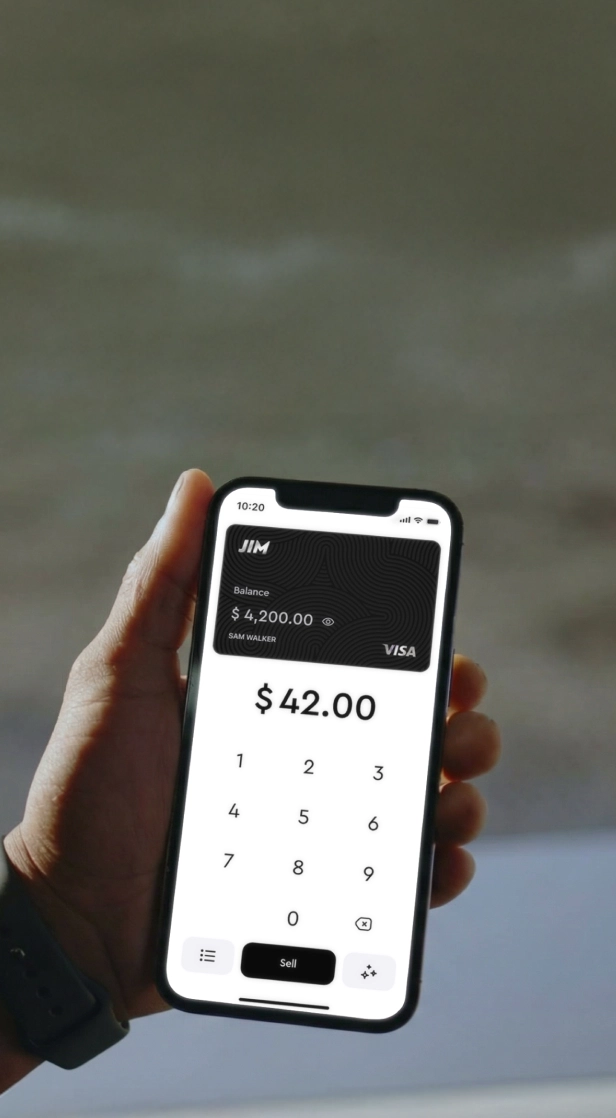
JIM offers hotel owners a straightforward payment solution. The JIM tap-to-pay app turns your iPhone or Android phone into a tap-to-pay terminal, so you need no extra hardware. It uses NFC technology to accept contactless payments directly on your device. For payments, you have a flat 1.99% rate per transaction with no setup costs, monthly fees, or variable rates for premium cards. This clear price model simplifies your financial forecasts.
You can also send payment links to guests for 4.99% + $0.30 per sale (ideal to collect advance deposits). After a transaction, funds are available instantly on your JIM Visa Prepaid Card. Add this card to Apple Pay or Google Pay for immediate use. This quick access to revenue supports your daily cash flow without delay.
.avif)