MCC 4812 is a merchant category code used by the International Organization for Standardization (ISO) to classify telecommunications equipment, including telephone sales. This classification applies to businesses that primarily sell communication hardware such as mobile phones, pagers, and fax machines. The code identifies merchants whose main revenue comes from the sale of these physical devices rather than from telecommunication services.
Which businesses fall under MCC 4812?
MCC 4812 applies to a broad range of telecommunications retail establishments:
- Mobile phone stores: These retailers focus on the sale of smartphones, tablets, and related accessories. Carrier-operated stores like AT&T or T-Mobile are prime examples of businesses using this code for device sales.
- Big-box electronics retailers: Large electronics stores that feature dedicated mobile phone sections also fall under this code. Retailers like Best Buy sell a wide variety of unlocked phones and carrier-specific devices.
- Authorized wireless dealers: These independent shops are authorized to sell products and plans for major carriers. They operate under their own brand but focus on specific network providers like Verizon.
- Satellite phone suppliers: Companies that sell satellite phones and equipment for remote communication are classified here. These suppliers serve customers who need connectivity outside of traditional cellular network coverage.
- Pager and beeper companies: Though less common today, businesses that specialize in selling pagers and beepers use this MCC. These merchants cater to niche industries like healthcare that still use this technology.
- Fax machine suppliers: Businesses that primarily sell or lease fax machines and related supplies use this code. Office supply stores with a focus on communication hardware may also qualify for this classification.
Business implications of MCC 4812
Payment networks including Visa, Mastercard, American Express, and Discover use MCC 4812 to categorize transactions, which affects several aspects of business operations. These networks assess a merchant's risk profile based on their MCC to determine interchange rates. For telecommunications equipment sales, the risk is often considered moderate due to the high value of goods, potentially leading to slightly higher fees.
Beyond transaction fees, this code also has implications for internal financial management and customer engagement. The classification shapes how a business operates from multiple angles, from expense reporting to marketing strategies.
Expense tracking
Companies use MCC codes to automate expense management. When an employee buys a new phone for work, the transaction is automatically labeled as a telecommunications equipment purchase on the company card statement. This simplifies bookkeeping and supports claims for business expense deductions.
Financial analysis
Businesses analyze spending patterns under MCC 4812 to gain a clear view of their telecommunications hardware costs. This data allows finance teams to track expenditures against their budget, forecast future equipment needs, and identify opportunities for cost savings with specific suppliers.
Compliance and auditing
The consistent application of MCC 4812 creates a clear audit trail. This digital record helps auditors quickly verify that equipment purchases are legitimate business expenses, which supports internal compliance and financial transparency.
Rewards and customer behavior
Credit card rewards programs often use MCCs to determine bonus eligibility. A customer might choose to buy a new smartphone from a store coded as 4812 to earn extra points, influencing their purchasing decision and fostering loyalty to specific retailers.
How to verify your business's MCC
Telecommunications equipment retailer owners should confirm their MCC classification for proper transaction processing and to avoid customer confusion regarding rewards eligibility. If you find that your business is incorrectly classified, for example, a mobile phone store coded as a telecommunications service provider, contact your payment processor immediately to request reclassification.
Here's how to verify if your MCC classification is set up correctly:
- Contact Your Payment Processor: Your merchant services provider assigned the MCC during account setup. Contact their customer service or review your merchant agreement documents to verify the classification.
- Review Processing Statements: Monthly merchant statements typically display the assigned MCC code. Look for a four-digit number in the account information or business profile details section of your statement.
- Check with Your Acquirer: Your acquiring bank or financial institution maintains the MCC code in their system. The merchant support team can confirm your current classification upon request.
- Test Transaction Method: Some merchants process a small test transaction and check how it appears on a personal credit card statement. This method is less reliable than direct confirmation from your processor.
How to choose a reliable payment service provider
Your MCC 4812 classification affects interchange rates, which makes your choice of payment processor important. Providers handle electronics sales with unique pricing, settlement speeds, and support. These variations impact your bottom line over time. Consider these factors when you select a partner for your business.
- Transparent pricing: Flat-rate pricing offers predictability over complex models that can hide fees. The JIM tap-to-pay app for iPhone and Android charges 1.99% per transaction with no setup costs, monthly fees, or premium card surcharges. This simplifies expense management.
- Payment method support: Your processor should accept all major credit cards, like Visa and Mastercard, plus digital wallets such as Apple Pay and Google Pay. This flexibility meets customer expectations and prevents lost sales at checkout.
- Fast fund access: Quick access to funds is necessary for managing cash flow in high-turnover retail. Faster settlements allow you to restock inventory, cover supplier payments, and make payroll without delay, which maintains business momentum.
- Security: A provider should use tokenization and end-to-end encryption to protect customer data. With tokenization, actual card numbers are never stored on your device, which reduces your liability in the event of a data breach.
- Reporting: Advanced analytics help you understand sales trends. JIM's AI assistant provides sales reports and transaction history through a chat interface, which gives you quick access to business insights.
Streamline payments with JIM
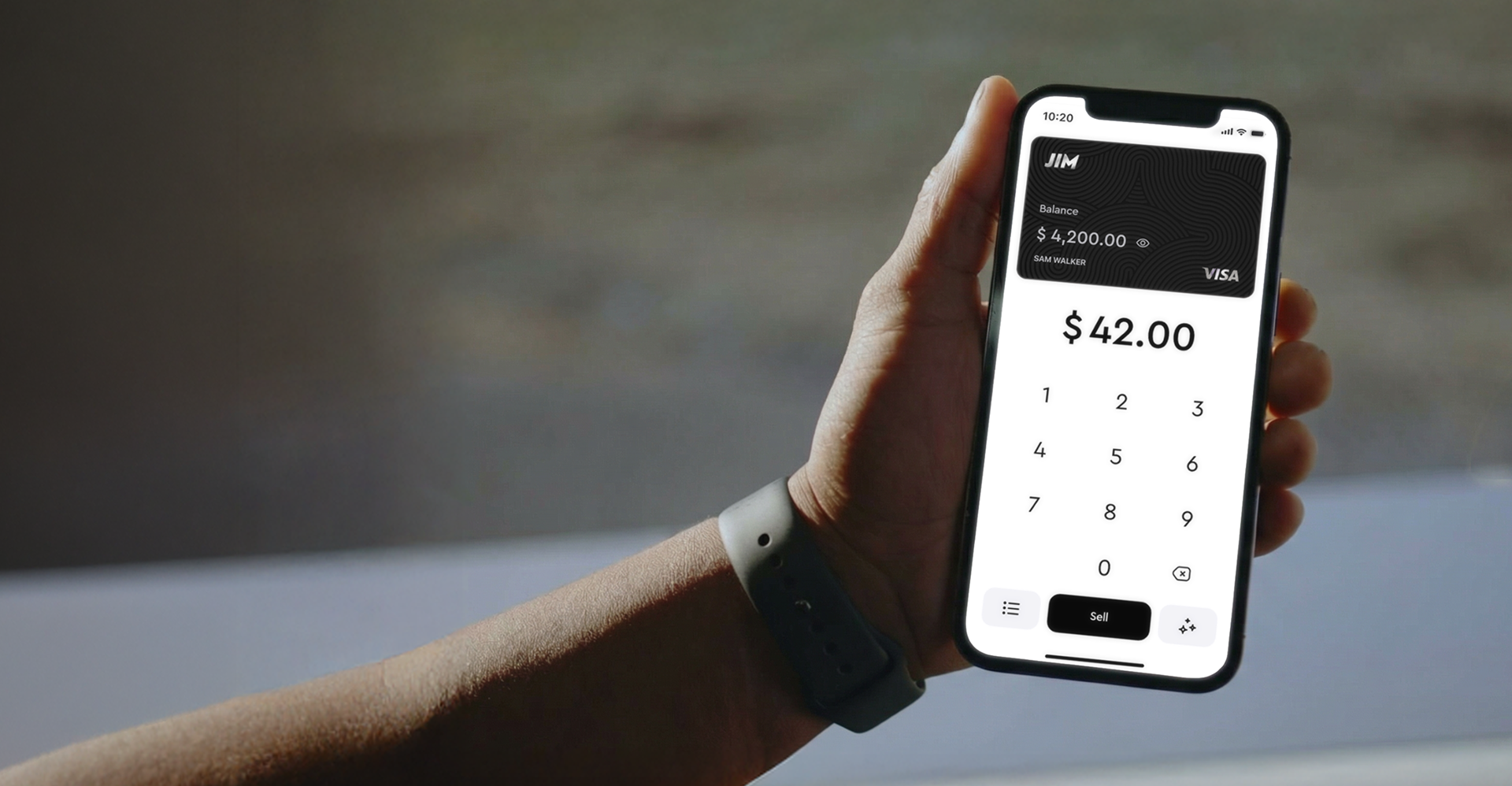
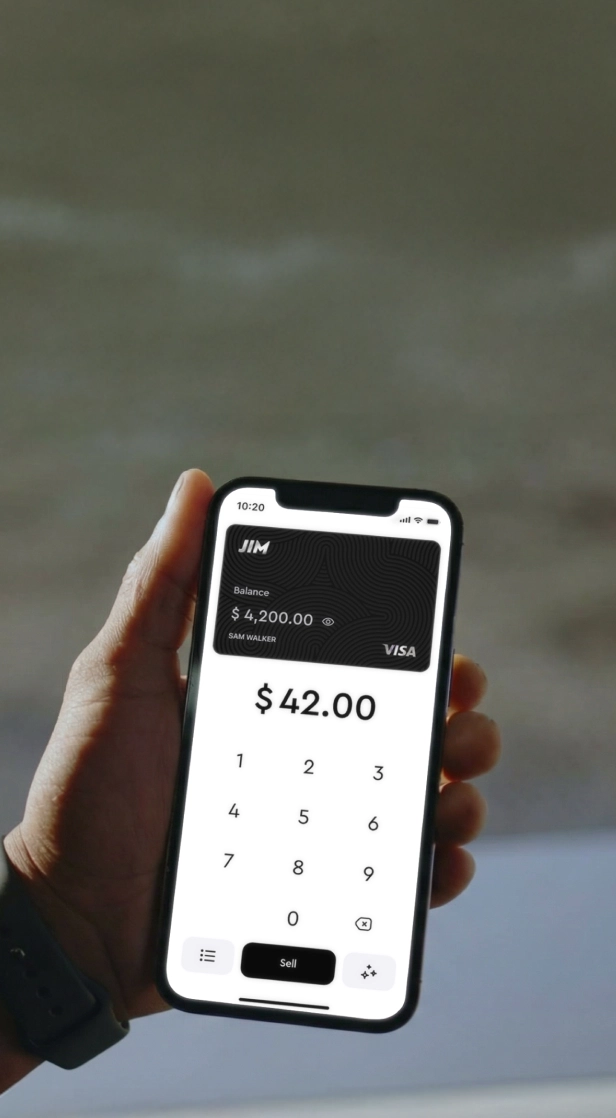
JIM offers telecommunications equipment retail owners a straightforward payment processing solution. The JIM tap-to-pay app transforms your iPhone or Android into a payment terminal, so you need no extra hardware. It uses NFC technology to accept contactless payments on your phone. You pay a flat 1.99% per transaction, with no setup costs, monthly fees, or variable rates for premium cards. This clear pricing simplifies your financial forecasts.
For remote transactions, create payment links at a rate of 4.99% + $0.30 per sale, perfect for online pre-orders or special equipment invoices. After a sale completes, your funds become available instantly on a JIM Visa Prepaid Card. You can add this card to Apple Pay or Google Pay for immediate use. This quick access to revenue helps you manage cash flow and restock high-value inventory.
.avif)