MCC 5045 is a merchant category code used by the International Organization for Standardization (ISO) to classify businesses that sell computers, computer peripheral equipment, and software. This category includes retailers that specialize in the sale of computer hardware, software packages, and accessories like printers or monitors. Transactions with these types of vendors, whether they occur online or in a physical store, will typically be assigned this code.
Which businesses fall under MCC 5045?
MCC 5045 applies to a broad range of technology retail establishments:
- Computer and Electronics Retailers: These large-format stores sell a wide array of electronics, including desktops, laptops, and tablets. Well-known examples include Best Buy and Micro Center.
- Software Stores: These businesses focus on selling packaged software for personal and professional use. This includes operating systems and productivity suites from companies like Microsoft or Adobe.
- Direct-from-Manufacturer Sales: Many computer makers sell directly to consumers through their websites or physical brand stores. Purchases from companies like Apple or Dell often use this code.
- Computer Peripheral Shops: These retailers specialize in components and add-ons for computer systems. They sell items like keyboards, mice, webcams, external hard drives, and monitors.
- IT Hardware Resellers: These suppliers cater to other businesses, providing bulk computer hardware, servers, and networking equipment. They often outfit entire offices with new technology.
- Custom PC Builders: These shops build computers to a customer's specifications, sourcing and assembling individual components. The final sale of the complete system is classified under MCC 5045.
- Computer Repair Shops with Retail: While service is a primary function, many repair shops also sell parts, peripherals, or software. These specific retail transactions are coded as 5045.
Business implications of MCC 5045
Payment networks including Visa, Mastercard, American Express, and Discover use MCC 5045 to categorize transactions, which affects several aspects of business operations. These networks use the code to help determine a business's risk profile. Since MCC 5045 covers high-value electronics, it can influence the interchange fees a merchant pays.
Beyond risk assessment, the MCC code is used for other operational aspects. It helps with expense management, financial planning, and can shape customer spending through rewards programs, showing its wide-ranging effect on business activities.
Expense tracking
Companies rely on MCC 5045 to automatically sort business expenses on credit card statements. This simplifies tracking technology purchases like new computers or software. Proper categorization also supports accurate tax deductions for capital equipment, streamlining financial record-keeping for hardware assets.
Financial analysis
Businesses analyze spending data associated with MCC 5045 to understand technology procurement patterns. This information allows them to monitor IT costs against budgets, forecast future hardware and software expenses, and identify opportunities for cost savings with specific vendors or product categories.
Compliance and auditing
The consistent application of MCC 5045 creates a clear audit trail for business expenses. This simplifies the process for internal or external auditors to verify technology-related purchases and confirm compliance with company spending policies.
Rewards and customer behavior
Credit card issuers use MCC 5045 to determine eligibility for bonus rewards on technology purchases. Cardholders may receive extra points or cash back for shopping at these stores, which can influence their decision to buy from one retailer over another.
How to verify your business's MCC
Computer and software retailer owners should confirm their MCC classification for proper transaction processing and to avoid customer confusion regarding rewards eligibility. If you find out that your business is incorrectly classified—for example, a computer store coded as an office supply store—contact your payment processor immediately to request reclassification.
Here's how to verify is your MCC classification is set up correctly:
- Contact Your Payment Processor: Your merchant services provider assigned the MCC during account setup. To verify your classification, contact their customer service department or review the details in your merchant agreement documents. They can confirm the code on file for your business.
- Review Processing Statements: Your monthly merchant statements typically display the assigned MCC. Look for a four-digit number in the account information or business profile section of the statement. This number represents your current business classification with the payment network.
- Check with Your Acquirer: The acquiring bank or financial institution that processes your transactions maintains the MCC code in their system. You can reach out to their merchant support team, and they will be able to confirm your current classification upon request.
- Test Transaction Method: Some merchants process a small test transaction using a personal credit card. They then check the card statement to see how the purchase is categorized. However, this method is less reliable than direct confirmation from your payment processor.
How to choose a reliable payment service provider
Since MCC 5045 affects interchange rates, selecting the right payment processor is an important decision. Providers handle these transactions with varied pricing, settlement speeds, and support. These differences can impact your business's bottom line. Consider these factors when you choose a provider.
- Transparent pricing: Look for a provider with flat-rate pricing to avoid complex models and simplify cost forecasting. The JIM tap-to-pay app for iPhone and Android charges 1.99% per transaction with no setup costs, monthly fees, or premium card surcharges.
- Payment method support: Your processor should accept all major credit cards like Visa, Mastercard, and Discover. Support for digital wallets such as Apple Pay and Google Pay is also necessary to meet modern customer expectations.
- Fast fund access: Quick access to funds helps manage cash flow in a high-value inventory business. Faster settlement allows you to restock inventory, cover supplier payments, and meet payroll without delays.
- Security: A secure processor uses tokenization and end-to-end encryption to protect customer data. Tokenization replaces sensitive card numbers with a unique code, so the original data is never stored on your device.
- Reporting: Detailed analytics help you understand sales trends. JIM's AI assistant provides sales reports and transaction history through a simple chat interface, which simplifies business analysis.
Streamline payments with JIM
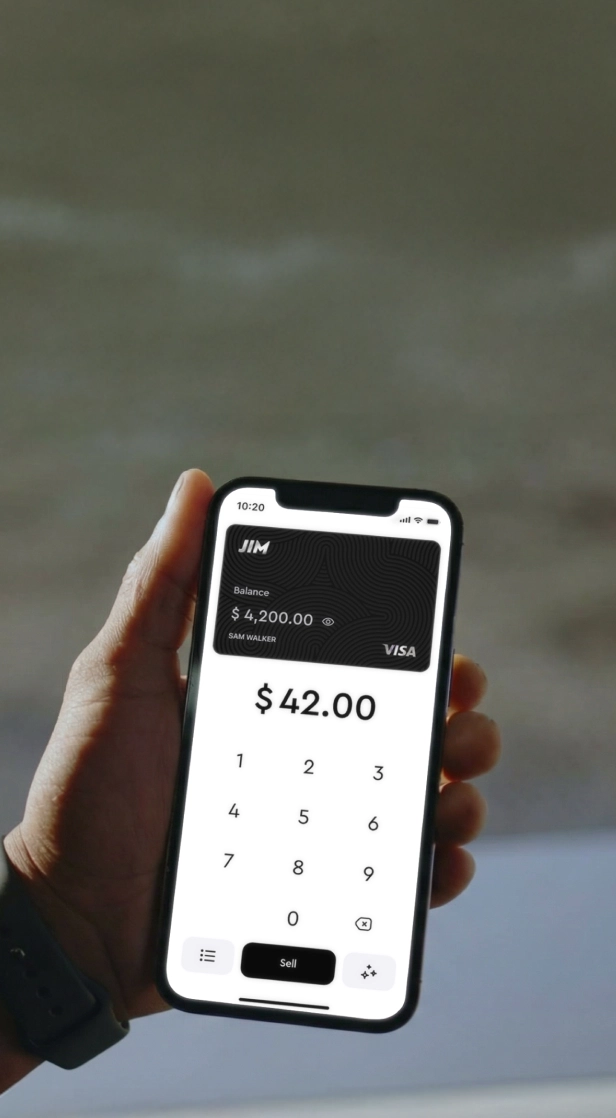
JIM offers computer and software business owners a straightforward payment processing solution. The JIM tap-to-pay app transforms your iPhone or Android device into a payment terminal with no extra hardware. It uses NFC technology to accept payments directly on your phone. You pay a flat 1.99% per transaction. There are no setup costs, monthly fees, or variable rates for premium cards.
For remote transactions, you can use payment links (for custom build deposits or remote software sales) at a rate of 4.99% + $0.30 per sale. After a sale, your funds become available instantly on a JIM Visa Prepaid Card. You can add this card to Apple Pay or Google Pay for immediate use. This system gives you quick access to your revenue without typical bank delays.
.avif)