MCC 5046 is a merchant category code for COMMERCIAL EQUIPMENT, Not Elsewhere Classified (NEC), as designated by the International Organization for Standardization (ISO). This classification applies to B2B vendors that sell a variety of professional equipment not covered by a more specific code. These transactions can include the sale of items such as industrial machinery, store fixtures, and office furniture to other businesses.
Which businesses fall under MCC 5046?
MCC 5046 applies to a broad range of business-to-business equipment establishments:
- Office furniture suppliers: These vendors sell desks, chairs, and filing cabinets directly to companies. Businesses like Staples or dedicated suppliers such as Herman Miller use this code for their B2B furniture transactions.
- Restaurant equipment suppliers: This includes wholesalers that provide commercial-grade kitchen appliances, from ovens to freezers. Establishments like Restaurant Depot or WebstaurantStore fall into this category when outfitting professional kitchens.
- Store fixture wholesalers: These companies sell retail essentials like shelving units, display cases, mannequins, and checkout counters. Large distributors such as Uline and Global Industrial often process these sales under MCC 5046.
- Salon and spa equipment suppliers: This category covers businesses that sell professional items like barber chairs, styling stations, and massage tables. Companies such as Minerva Beauty equip salons and spas with this specialized furniture.
- Commercial cleaning equipment suppliers: These merchants provide janitorial supplies like industrial floor buffers, carpet cleaners, and large-scale cleaning carts. Wholesalers like Grainger classify these B2B sales under the 5046 code.
- Vending machine sales: This applies to companies that sell vending machines for snacks, drinks, or other products to other businesses. The initial purchase of the hardware itself is classified under this MCC.
Business implications of MCC 5046
Payment networks including Visa, Mastercard, American Express, and Discover use MCC 5046 to categorize transactions, which affects several aspects of business operations. These networks evaluate the risk level of a business based on its MCC. For B2B sales under MCC 5046, this assessment directly impacts the interchange rates charged for processing payments.
While this code often corresponds to standard B2B transaction risk, it can also qualify for specific interchange programs. The MCC classification extends beyond payment processing, touching on financial management and customer incentives, which provides further operational context for businesses.
Expense tracking
Companies rely on MCC codes to automate the categorization of business expenses on credit card statements. This simplifies bookkeeping for purchases of office furniture or commercial equipment. Proper classification also helps substantiate these expenditures as legitimate business costs for tax deduction purposes.
Financial analysis
Businesses analyze spending data associated with MCC 5046 to identify cost patterns and manage budgets. By tracking expenditures on commercial equipment, finance teams can better forecast future capital outlays and negotiate with suppliers for more favorable terms on large purchases.
Compliance and auditing
Consistent application of MCC 5046 creates a clear audit trail for internal and external reviews. This standardized data allows auditors to quickly verify that equipment purchases align with company expense policies.
Rewards and customer behavior
Credit card issuers use MCCs to determine eligibility for rewards programs, such as bonus points on B2B spending. Businesses may choose suppliers based on whether their purchases will qualify for these incentives, which influences their procurement decisions and vendor selection.
How to verify your business's MCC
Commercial equipment supplier owners should confirm their MCC classification for proper transaction processing and to avoid customer confusion regarding rewards eligibility. If you find your business is incorrectly classified, for example, a store fixture wholesaler coded as a hardware store, contact your payment processor immediately to request reclassification.
Here's how to verify if your MCC classification is set up correctly:
- Contact Your Payment Processor: Your merchant services provider assigned your MCC code during account setup. To confirm your classification, contact their customer service department or review the details outlined in your merchant agreement documents.
- Review Processing Statements: Your monthly merchant statements typically display the assigned MCC code. Look for a four-digit number in the account information or business profile section of the document. This provides a regular opportunity to check your classification.
- Check with Your Acquirer: The acquiring bank or financial institution that processes your transactions also maintains your MCC code. You can reach out to their merchant support team, and they can confirm your current classification directly from their records.
- Test Transaction Method: Some merchants run a small test transaction on a personal credit card to see how it appears on the statement. This method is less reliable than direct confirmation from your processor, but it can offer a clue.
How to choose a reliable payment service provider
Your MCC 5046 classification directly affects interchange rates and processing requirements, so selecting the right payment processor is a major business decision. Processors handle these B2B transactions differently, and variations in pricing, settlement speed, and support can have a cumulative effect on your bottom line. Consider these factors when you choose a provider.
- Transparent pricing: Predictable, flat-rate pricing models prevent surprise fees that often accompany tiered or interchange-plus structures. For example, the JIM tap-to-pay app for iPhone and Android charges 1.99% per transaction with no setup costs, monthly fees, or premium card surcharges.
- Payment method support: A modern processor should accept all major credit cards, including Visa, Mastercard, and Discover, as well as digital wallets like Apple Pay and Google Pay to meet diverse customer preferences.
- Fast fund access: Quick access to your funds is necessary for maintaining healthy cash flow. Instant settlements allow you to cover immediate operational expenses like restocking inventory, making supplier payments, and meeting payroll without delay.
- Security: Look for a provider that uses end-to-end encryption and tokenization to protect sensitive payment data. These technologies shield your business and customers from fraud by securing information from the moment of transaction.
- Reporting and analytics: Detailed reporting tools help you track sales performance and understand customer behavior. The JIM AI assistant provides sales reports and transaction history through a simple chat interface, which simplifies financial analysis.
Streamline payments with JIM
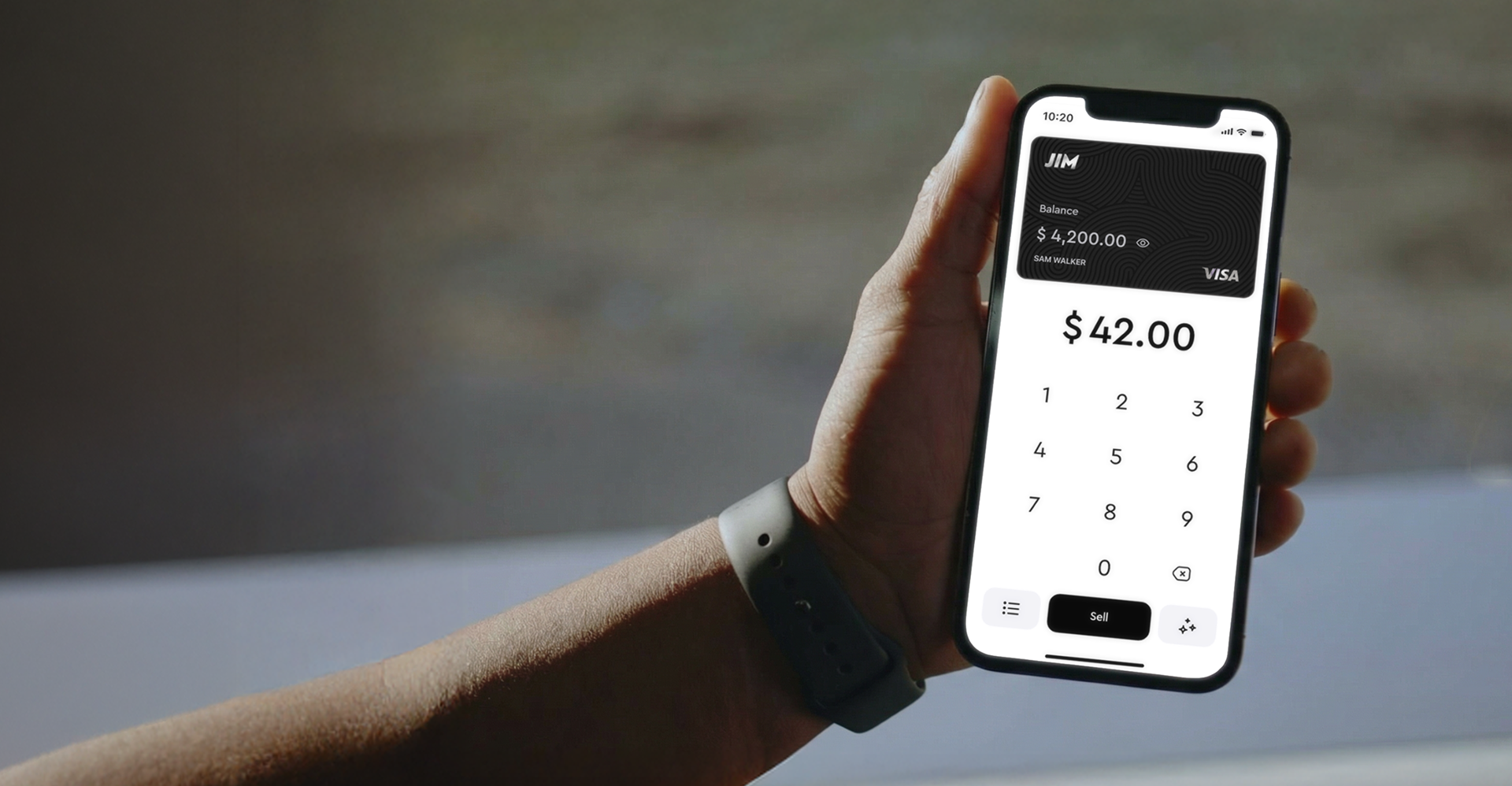
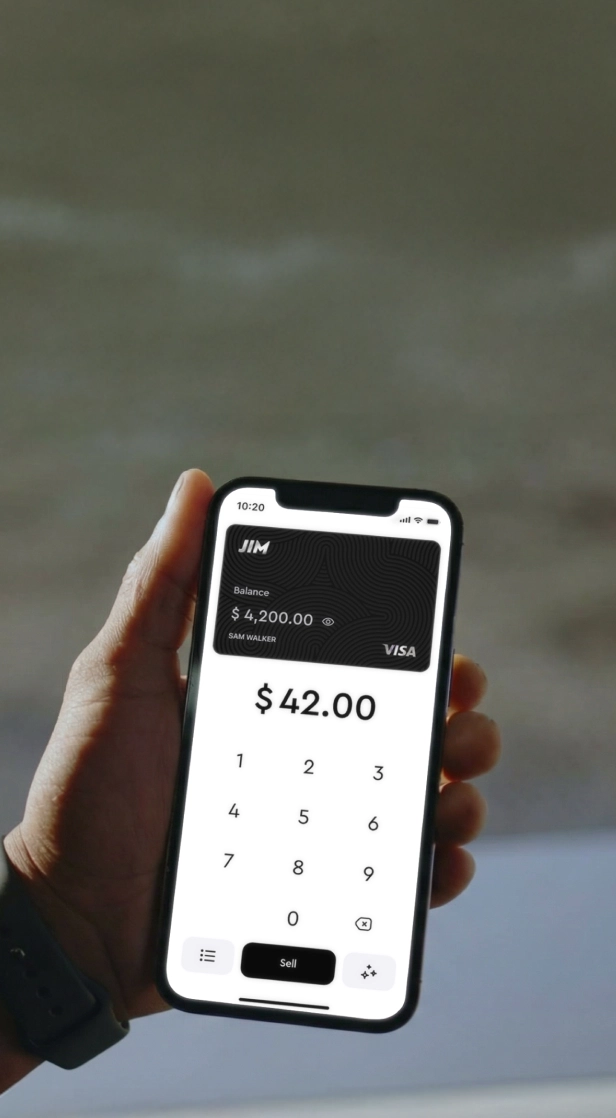
JIM offers commercial equipment supplier owners a straightforward payment solution. The JIM tap-to-pay app turns your iPhone or Android into a tap-to-pay terminal, so you need no extra hardware. It uses NFC technology to accept payments directly on your phone. You pay a flat 1.99% per transaction with no setup costs, monthly fees, or variable rates for premium cards. This simple structure helps you predict expenses.
For remote sales, you can use payment links at a rate of 4.99% + $0.30 per sale (ideal for deposits on large equipment orders). After a transaction, your funds become available instantly on a JIM Visa Prepaid Card. Add this card to Apple Pay or Google Pay to use your revenue right away for business expenses. This immediate access to capital supports your daily operations.
.avif)