MCC 5722 is a merchant category code used by the International Organization for Standardization (ISO) to classify appliance stores (NEC) or household appliance stores. This code applies to businesses that primarily sell new household appliances like refrigerators, stoves, washing machines, and televisions. The classification also extends to establishments that offer related appliance parts and repair services, covering a wide range of transactions for home goods.
Which businesses fall under MCC 5722?
MCC 5722 applies to a broad range of home appliance establishments:
- Large appliance retailers: These are big-box stores that sell a wide array of home appliances alongside other goods. Think of major chains like Best Buy, The Home Depot, or Lowe's.
- Specialty appliance stores: These businesses focus exclusively on household appliances, often providing expert advice and installation services. Examples include regional chains like P.C. Richard & Son or local independent dealers.
- Kitchen and bath showrooms: Establishments that display and sell high-end or built-in appliances like ovens and dishwashers use this code. Ferguson Bath, Kitchen & Lighting Gallery is a prominent example in this category.
- Vacuum cleaner stores: Retailers specializing in the sale and service of vacuum cleaners fall under this MCC. This includes brand-specific stores like Dyson Demo Stores or multi-brand local shops.
- Sewing machine stores: Businesses that primarily sell and repair sewing machines and related accessories are classified here. Stores like Singer or local quilting and sewing centers fit this description.
- Appliance repair services: Companies that offer repair services for household appliances but also sell parts use this code. Many local repair shops and authorized service centers for brands like Whirlpool are included.
- Appliance parts suppliers: These merchants specialize in selling replacement parts for a variety of home appliances. Businesses such as RepairClinic.com or local parts distributors would use this merchant code for transactions.
Business implications of MCC 5722
Payment networks including Visa, Mastercard, American Express, and Discover use MCC 5722 to categorize transactions, which affects several aspects of business operations. These networks evaluate the risk level of a business based on its MCC. For appliance stores under MCC 5722, this assessment influences the interchange rates charged for processing credit card payments.
Higher-risk categories often face higher fees, although appliance stores are generally considered moderate risk. Beyond risk assessment and fees, the MCC code also has other operational applications that impact financial management and customer interactions.
Expense tracking
Companies use MCC codes to automate the categorization of business expenses on credit card statements. For purchases from an appliance store, this simplifies tracking equipment costs, which can support claims for tax deductions on eligible business assets.
Financial analysis
Businesses analyze spending data associated with MCC 5722 to understand procurement patterns. This information helps them track appliance-related costs against their budget, identify savings opportunities, and forecast future capital expenditures for equipment upgrades or replacements.
Compliance and auditing
The consistent application of MCC 5722 creates a clear audit trail for financial reviews. This simplifies the process of verifying business expenses and confirms that purchases align with company spending policies.
Rewards and customer behavior
Credit card issuers use MCCs to determine rewards eligibility, such as extra points for home improvement purchases. Customers aware of these promotions may choose to shop at stores with the 5722 code to maximize their benefits, influencing their purchasing decisions.
How to verify your business's MCC
Appliance store owners should confirm their MCC classification for proper transaction processing and to avoid customer confusion regarding rewards eligibility. If you find out that your business is incorrectly classified—for example, an appliance store coded as a general electronics store—contact your payment processor immediately to request reclassification.
Here's how to verify your MCC classification is set up correctly:
- Contact Your Payment Processor: Your merchant services provider assigned the MCC during account setup. To verify your classification, contact their customer service team or review the details in your original merchant agreement documents.
- Review Processing Statements: Your monthly merchant statements typically display the assigned MCC. Look for a four-digit number, often located in the account information or business profile section of the document, to confirm your code.
- Check with Your Acquirer: The acquiring bank or financial institution that processes your transactions maintains the MCC in their system. Their merchant support team can access your account details and confirm your current classification upon request.
- Test Transaction Method: Some merchants process a small test transaction on a personal credit card. They then check the statement to see how the purchase is categorized. This method is less reliable than direct confirmation from your processor.
How to choose a reliable payment service provider
Your MCC 5722 classification affects interchange rates, making your choice of payment processor a major business decision. Providers handle transactions for appliance stores differently, with variations in pricing, settlement speed, and support that impact your bottom line. Consider the following factors when you select a payment service provider.
- Transparent pricing: Look for a provider with flat-rate pricing to avoid complex fee structures. The JIM tap-to-pay app for iPhone and Android charges 1.99% per transaction with no setup costs, monthly fees, or premium card surcharges, which simplifies financial planning.
- Payment method support: Your processor should accept all major credit cards, including Visa, Mastercard, and Discover, along with digital wallets like Apple Pay and Google Pay to meet modern customer expectations.
- Fast fund access: Quick access to funds is important for managing cash flow. For an appliance business, this means you can cover immediate needs like restocking inventory, making supplier payments, or processing payroll without delay.
- Security: Choose a processor that uses tokenization and encryption to protect customer data. With tokenization, sensitive card numbers are never stored on your device, which reduces the risk of a data breach at your business.
- Reporting: Effective reporting tools help you track performance. The JIM AI assistant, for example, provides sales reports and transaction history through a simple chat interface, offering quick business insights.
Streamline payments with JIM
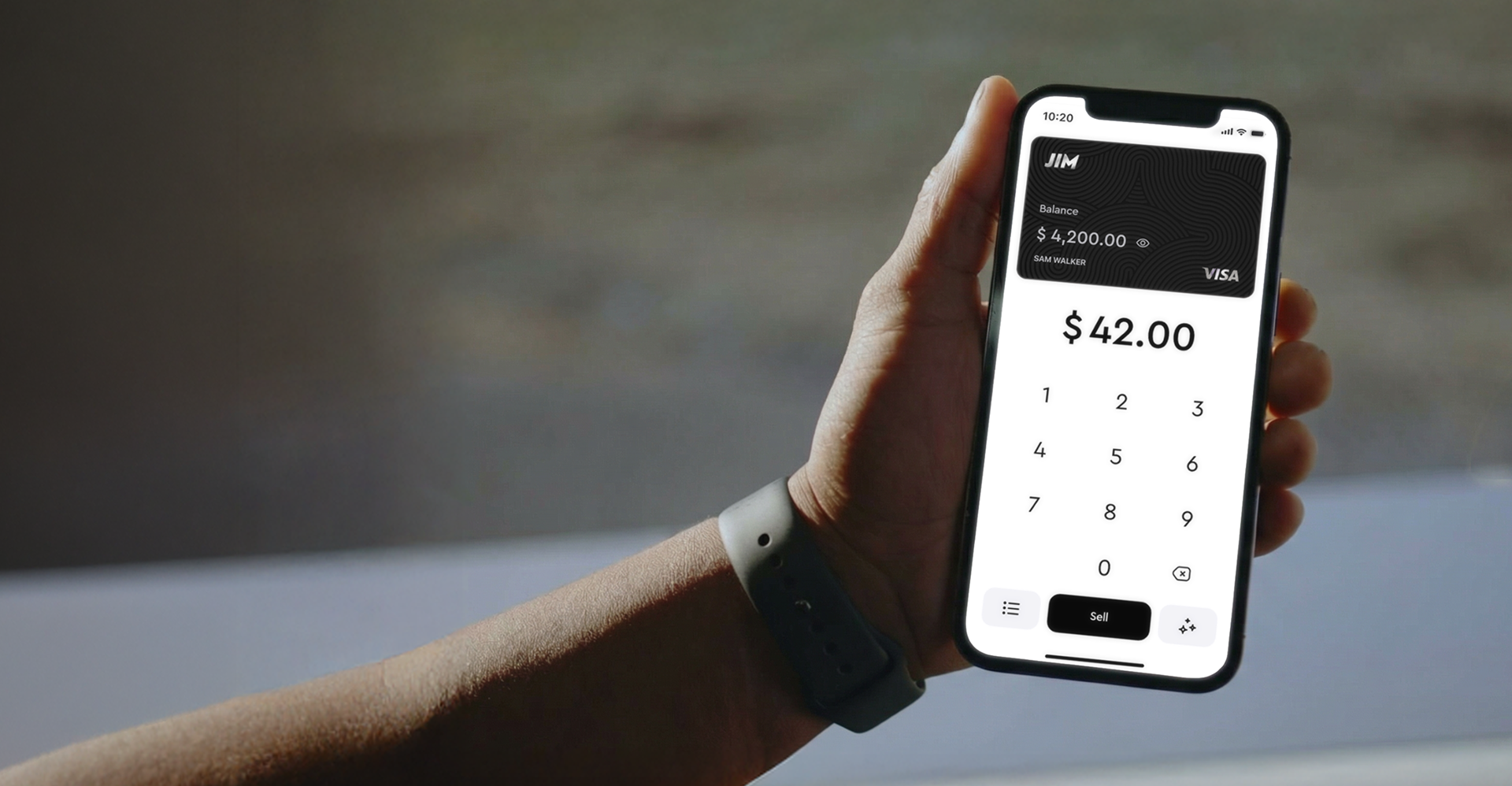
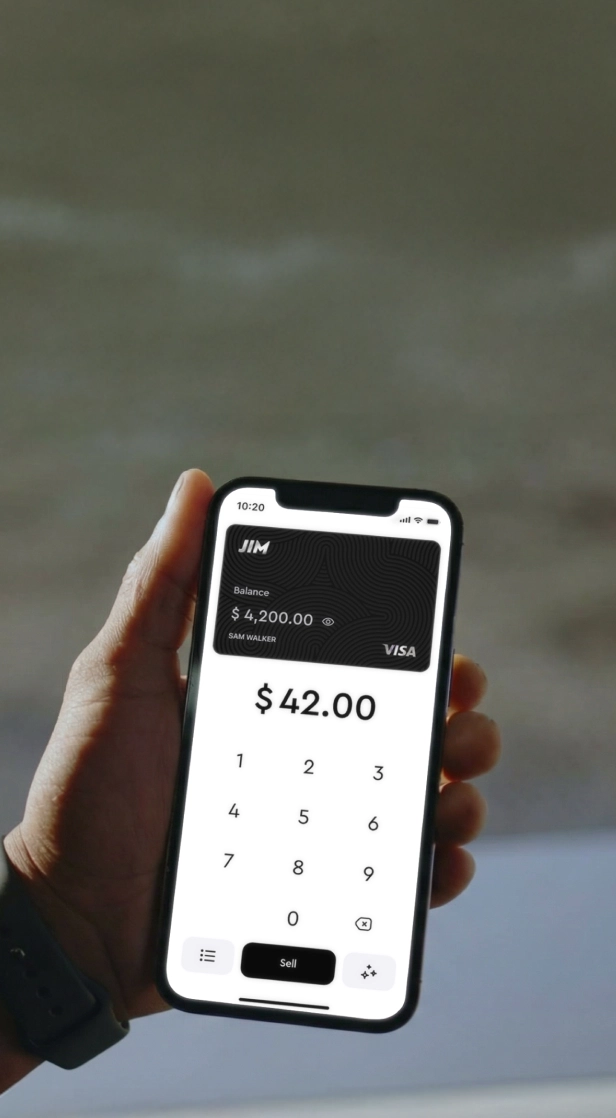
JIM offers appliance store owners a straightforward payment processing solution. The JIM tap-to-pay app transforms your iPhone or Android device into a tap-to-pay terminal, so you need no extra hardware. It uses NFC technology to accept payments directly on your phone. You get a flat 1.99% rate per transaction with no setup costs, monthly fees, or variable rates for premium cards.
For remote transactions, you can use payment links to collect deposits on special orders or custom installations. These sales cost 4.99% + $0.30 each. After a sale, your funds become available instantly on a JIM Visa Prepaid Card. You can add this card to Apple Pay or Google Pay for immediate use, which lets you purchase new inventory or cover other business expenses right away.
.avif)