What is a merchant account? A guide to payment processing

See article summary
- A merchant account is a settlement account that temporarily holds card payment funds before they transfer to your business bank account.
- It works in five steps: card read, gateway encryption, network authorization, funds enter the account, then settlement to your bank.
- Traditional providers stack nine fee types, from transaction and PCI compliance to early termination charges, often exceeding the headline rate.
- Most small businesses no longer need a standalone merchant account; integrated payment solutions handle it behind the scenes.
- JIM charges a flat 1.99% per Tap to Pay sale with no monthly fees and no settlement delay.
A merchant account is a settlement account that temporarily holds funds from card payments before transferring them to your business bank account. It sits between your customer's card and your bank, capturing each sale for authorization and clearing before the money reaches you.
Understanding how it works, what it costs, and when you can skip one helps you choose a payment setup that protects your margin instead of draining it.
What Is a Merchant Account?
A merchant account is one component of merchant services, the tools and financial relationships that let your business accept and process card payments securely. The account itself is a settlement account managed by a payment processor or merchant account provider, not a place where you write checks or withdraw cash.
When a customer pays with a card, the funds land in the merchant account for verification and processing, then move to your regular business bank account after a settlement period. In banking terms, it functions as a holding account that exists solely to facilitate electronic payments and protect both sides of the transaction during card processing.
The merchant account sits at the heart of traditional payment processing, working alongside payment gateways and processors to move money from your customer's card to your bank. Every time you accept a credit card payment at your point of sale, whether that's a physical terminal or a mobile device, the merchant account springs into action behind the scenes.
When comparing merchant services providers, focus on which parts of the process they handle directly, such as payment gateway management or fund settlement, and which they outsource.
How a Merchant Account Works: The Journey of a Payment
A merchant account works in five steps: the card is read, the gateway encrypts and transmits the details, the card network authorizes the charge, the funds enter the merchant account, and the acquirer settles them into your business bank account.
The payment processor works with an acquiring bank, the financial institution that holds your merchant account and communicates with issuing banks through card networks like Visa or Mastercard.
Here's what happens during a typical card transaction:
Step 1: Customer Initiates Payment. Your customer swipes, inserts, or taps their card at your POS system. For contactless payments, this could mean tapping a physical card or using a digital wallet on their phone.
Step 2: Payment Gateway Encrypts and Transmits. The payment gateway (the technology that captures and encrypts card information) sends the transaction details to your payment processor. This happens in milliseconds, securing sensitive data before it travels anywhere. Want to understand more about modern payment technology? Check out how tap to pay works.
Step 3: Authorization and Approval. Your payment processor contacts the card network (Visa, Mastercard, etc.), which then checks with the customer's issuing bank. The bank verifies available funds and fraud indicators, then sends back an approval or decline.
Step 4: Funds Enter the Merchant Account. Once approved, the transaction amount moves into your merchant account. At this point, the money has left your customer's account but hasn't reached yours yet.
Step 5: Settlement and Transfer. After a settlement period, the funds transfer from your merchant account to your business bank account, minus any transaction fees. Traditional processors commonly settle in one to three business days, though exact timing varies by acquirer and card network.
Solutions like JIM collapse this flow. With Tap to Pay on iPhone, funds land on your JIM Visa Prepaid Card in seconds after each approved sale, eliminating the traditional settlement delay.
Types of Merchant Accounts: Finding Your Fit
Not all merchant accounts are created equal. Different business models require different account structures, each with its own requirements and fee schedules:
- Retail Merchant Accounts are designed for brick-and-mortar stores where customers present their cards in person. These accounts typically offer lower processing fees since card-present transactions carry less fraud risk. Perfect for shops, restaurants, and service businesses with physical locations.
- E-commerce Merchant Accounts are built for online transactions where cards aren't physically present. These accounts include additional security features and typically charge higher fees due to increased fraud risk. Essential for online stores and businesses taking payments through websites.
- Mobile Merchant Accounts are created for businesses on the move, these accounts work with mobile card readers or smartphone-based payment systems. Ideal for food trucks, market vendors, and service professionals who travel to customers.
- High-Risk Merchant Accounts are reserved for industries with higher chargeback rates or regulatory concerns, such as travel services or subscription businesses. These accounts come with stricter underwriting and significantly higher fees.
Many small businesses discover they can bypass traditional account types entirely by using integrated payment solutions.
Real-World Merchant Account Examples
Three common business profiles show how merchant accounts behave in practice.
- The Neighborhood Barber Shop uses a traditional POS terminal at its counter. The payment processor provides the merchant account behind the scenes, handling all the banking relationships. The barber never sees or manages the merchant account directly but pays an effective rate that often lands near 2.75% per transaction through their provider.
- The Artisan Coffee Truck accepts payments through multiple channels: a mobile POS system for regular customers and JIM's Tap to Pay on iPhone for busy morning rushes. With JIM, there's no separate merchant account to manage, just quick access to funds at 1.99% per tap.
- The Online Boutique processes orders through an integrated e-commerce payment platform that bundles the merchant account, payment gateway, and shopping cart functionality. The boutique owner focuses on sales while the platform provider handles the complex payment infrastructure behind the scenes.
These examples show how most small businesses today interact with merchant accounts indirectly through their payment service provider.
How to Create a Merchant Account: The Traditional Path
Setting up a traditional merchant account involves several steps and can take days or even weeks:
1. Gather Your Documentation: You'll need your Employer Identification Number (EIN), business license, bank statements, processing history (if available), and personal identification. High-risk businesses may need additional financial documents.
2. Complete the Application: Merchant account providers require detailed information about your business type, expected sales volume, and average transaction size. The application process includes credit checks and risk assessment.
3. Undergo Underwriting Review: The provider evaluates your business's financial stability and fraud risk. This process often takes several business days but can stretch longer for new businesses or high-risk industries.
4. Configure Your Payment Setup: Once approved, you'll receive a merchant ID and must configure your payment gateway settings, integrate with your POS system, and complete testing transactions.
This traditional process creates barriers for small businesses and startups eager to begin accepting payments. Solutions like JIM have simplified payment acceptance. With Tap to Pay on iPhone, you can download the app, verify your identity, and start accepting payments the same day with no hardware setup or lengthy approval process.
Understanding Merchant Account Limits and Fees
Every merchant account comes with processing limits and fee structures that can significantly impact your bottom line.
Processing Limits: Most providers set daily, weekly, or monthly processing limits based on your business history and risk profile. New businesses often start with lower limits and must request increases as they grow. Exceeding these limits can result in held funds or account freezes.
The Fee Maze: Traditional merchant accounts layer multiple fees. The ranges below reflect typical industry practice; exact figures vary by provider, card type, and contract.
| Fee Type | Typical Traditional Range |
|---|---|
| Transaction fees | 2.6% to 3.5% plus $0.10 to $0.30 per transaction |
| Monthly fees | $10 to $50 for account maintenance |
| PCI compliance fees | $5 to $20 monthly for security standards |
| Batch fees | $0.10 to $0.25 for each daily settlement |
| Chargeback fees | $15 to $25 per disputed transaction |
| Setup fees | $100 to $500 for account creation |
| Early termination fees | $200 to $500 if you close your account early |
| Annual fees | $50 to $200 for account reviews |
| Minimum fees | Charges if you don't process enough volume |
PCI compliance fees cover adherence to the PCI Data Security Standard, the card industry's framework for protecting payment data maintained by the PCI Security Standards Council.
Traditional credit card processing often involves multiple intermediaries and layered costs beyond simple transaction fees.
Some providers also enforce a monthly minimum, which means you'll pay extra if your card processing volume doesn't reach a preset threshold, another cost small businesses often overlook.
Compare this complexity to JIM's transparent approach: a flat 1.99% per transaction with no monthly fees, no setup costs, and no hidden charges.
If you process $1,000 in sales, your total cost is $19.90, and you get quick access to funds on your JIM Visa Prepaid Card. Discover how at JIM's Tap to Pay page.
Merchant Account vs. Business Account: Clearing the Confusion
Many business owners confuse merchant accounts with standard business bank accounts, but they serve entirely different purposes:
Merchant Account
- Temporary holding space for card payments
- Cannot write checks or make withdrawals
- Managed by payment processors
- Exists solely for payment settlement
- Funds automatically transfer out after clearing
Business Bank Account
- Your permanent business funds location
- Full banking features (checks, debit cards, transfers)
- Managed by traditional banks or credit unions
- Handles all business financial operations
- Where merchant account funds eventually land
Your merchant account is a settlement escrow held by the acquiring bank where payments arrive and wait for processing, while your business account is your actual office where you manage those funds. This separation protects both merchants and customers during the payment verification process.
For businesses focused on financial planning and understanding their complete money flow, this distinction becomes important when you create financial statements.
Who Needs a Merchant Account (And Who Can Skip It)
Choosing the right payment solution depends on your business needs, whether you prioritize instant payouts, fee transparency, or integration with existing software.
The payment landscape has evolved, and traditional standalone merchant accounts are no longer necessary for every business:
Businesses That Might Need Traditional Merchant Accounts:
- Large retailers with high transaction volumes are seeking the lowest possible rates
- Enterprises requiring complex integration with existing financial systems
- Businesses with specialized payment needs or custom processing requirements
Businesses That Can Use Integrated Alternatives:
- Food trucks and mobile vendors who benefit from mobile payment solutions
- Small retail shops and coffee shops want simple, predictable pricing
- Service providers accepting payments on-site
- Pop-up shops and seasonal businesses are avoiding long-term contracts
- Freelancers and contractors taking occasional card payments
Do I need a merchant account for online sales?
Online sellers need card processing, but not a standalone merchant account. Most e-commerce platforms bundle the merchant account, gateway, and cart into one package. If you sell through a hosted storefront, the platform handles merchant account functionality behind the scenes.
Merchant account for LLC vs sole proprietor
Both LLCs and sole proprietors can open a merchant account. The difference is documentation: an LLC supplies its EIN and business license, while a sole proprietor can often use a Social Security number. LLCs generally get better rates because the corporate structure lowers the processor's perceived risk.
High-risk merchant account requirements
High-risk industries, such as travel, subscriptions, or nutraceuticals, face stricter underwriting. Expect higher reserves, rolling reserves held back from settlements, longer approval times, and effective rates above 3%. A clean processing history and strong business bank statements improve your odds of approval.
Modern all-in-one payment solutions have made traditional merchant accounts optional for most small businesses. Services like JIM handle the merchant account functionality behind the scenes, letting you focus on sales rather than banking relationships.
The key is matching your payment method to your business needs, not legacy systems that slow you down.
Making Card Acceptance Simple for Your Business
Understanding merchant accounts helps you make informed decisions about payment processing, but you don't need to become a banking expert to accept cards successfully. The traditional model of separate merchant accounts, payment gateways, and multi-day settlement served its purpose but feels outdated in an era of instant everything.
Whether you're launching a mobile business, opening a brick-and-mortar shop, or adding card acceptance to your existing cash operation, you have more options than ever. The question isn't whether you need a merchant account anymore; it's which payment solution best fits your business goals.
You saw that traditional processors stack nine separate fee line items on top of their per-transaction rate and commonly hold your money for one to three business days. JIM charges a flat 1.99% per Tap to Pay sale with no monthly fees, no setup costs, and no settlement delay. Download JIM and start accepting payments from your phone today.
Frequently Asked Questions
Do I need a merchant account to accept card payments?
What is the difference between a merchant account and a payment processor?
How long does merchant account approval take?
What are typical merchant account fees?
Can I accept payments without a merchant account?
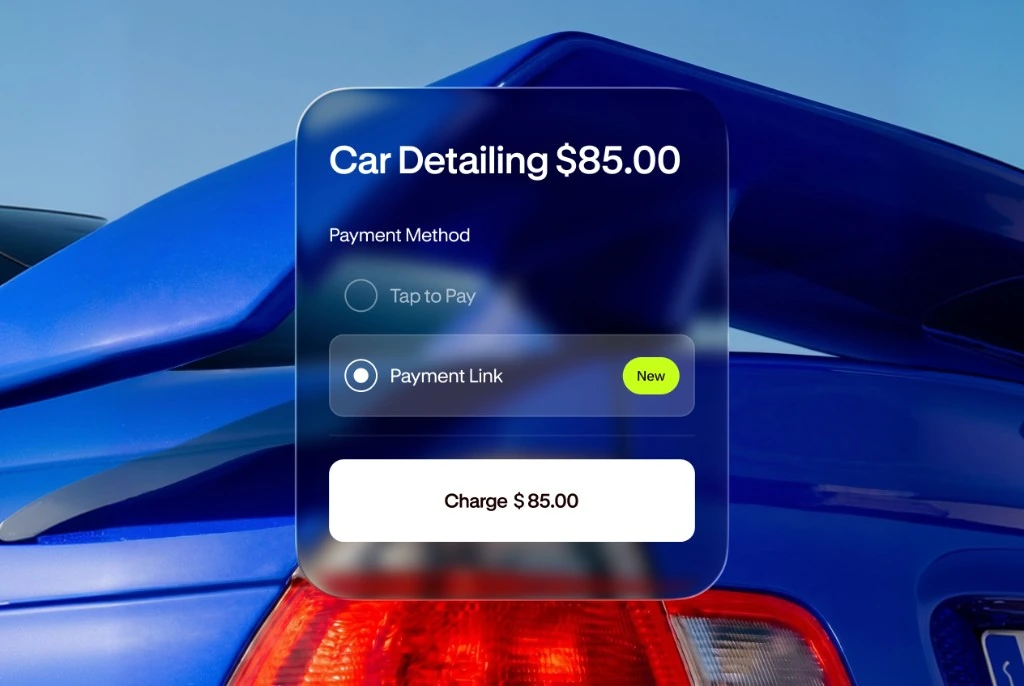



Sell and get paid in seconds with Jim