Generative AI in Payments: What Small Businesses Should Use It For

See article summary
- Generative AI in payments handles retrieval and drafting, never transaction authorization, credit, or dispute decisions.
- Three checks sort any payment task: sensitive data, money movement, and customer or regulatory decisions.
- A safe first pilot uses one reversible task, listed inputs, a named reviewer, and logged errors.
- JIM AI Assist retrieves transaction details, sales history, and receipts without authorizing payments or deciding disputes.
- Card numbers and personal data stay out of public AI chatbots and inside your approved payment system.
Generative AI in payments can handle constrained, reviewable work like retrieving a sales record or drafting a receipt message, but it should never independently authorize a transaction, decide credit, or promise a dispute outcome.
Generative AI creates text or answers from a prompt; treat it as a payment assistant, never the decision-maker.
Judge a task by three questions: does it touch sensitive data like card numbers under the Payment Card Industry Data Security Standard (PCI DSS), does it move money, and does it make a customer or regulatory decision?
That, not how impressive the tool sounds, tells you what a task can access and change.
Which Payment Tasks Can Generative AI Assist With?
Those three criteria sort every payment task into two sides. Retrieval and drafting fit the assistive side: pulling an approved sales record, drafting a receipt message, or preparing website copy. Anything that moves money, sets an obligation, or makes a regulated customer decision does not.
Use AI for retrieval and drafting, not commitments
The assistive side of the line covers work you can read and correct before it reaches a customer. A solo seller who gets a request for a past receipt can use approved order information to find the record and draft a reply, an illustrative case of retrieval done safely.
The same seller must not let a chatbot promise a refund or touch raw card details. That crosses from retrieval into a commitment your payment technology solutions and your own judgment have to own.
Three checks before a payment-related task
Apply each of those checks before you hand a payment-related task to AI. The Payment Card Industry Data Security Standard governs any business that stores, processes, or transmits cardholder data (PCI Security Standards Council), so a yes to sensitive inputs, money movement, or a customer and regulatory decision keeps the task on the human-controlled side, not in your first pilot.
| Task | Permitted input | Payment or customer consequence | Required human approval | First-pilot suitability |
|---|---|---|---|---|
| Retrieve an approved sales record | Transaction summary, no card numbers | None; read-only | Glance to confirm the record | Suitable |
| Draft a receipt or customer reply | Order details you already hold | None until you send it | You edit and send | Suitable |
| Prepare website or product copy | Public product information | None until you publish | You publish | Suitable |
| Put raw card or personal data in a public chatbot | Nothing; not allowed | Exposes protected cardholder data | Prohibited | Never |
| Authorize a payment or refund | Not applicable | Moves money | Approved payment system and a person | Not a pilot |
| Decide a credit application or set terms | Not applicable | Regulated credit decision | A person with a documented reason | Not a pilot |
| Promise or auto-answer a dispute | Not applicable | Binding customer commitment | A person decides | Not a pilot |
Credit and dispute tasks carry a legal weight worth naming. Regulation B, the rule that enforces the Equal Credit Opportunity Act (ECOA), requires a specific, accurate reason for any adverse credit action. The Consumer Financial Protection Bureau confirms this duty applies to every credit decision regardless of the technology used, so a black-box generative model cannot excuse a missing reason.
Fraud sits on this side too. Generative AI can help draft or triage messages, but it can also produce convincing scam content, so keep it as one reviewed input rather than an automatic fraud gatekeeper.
A task earns a first-pilot slot only when its inputs are approved, it cannot change money movement or obligations, and a person reviews the output.
How to Pilot Generative AI Without Handing It Payment Control
Run your first pilot on one reversible task, with approved inputs and a named reviewer, before you let the tool near anything else. That discipline is what separates using AI in banking and finance from handing over a payment you can't take back.
Pick one reversible task
Start with a job you can undo, like pulling a sales-history summary or drafting a receipt reply. Retrieval and drafting stay reversible because you read and correct the output before anyone sees it. Skip anything that moves money or sets an obligation; those never belong in a first test.
Set the input and approval rules before testing
Write the rules down before the tool runs, not after it slips:
- Choose one retrieval or drafting task you can reverse, and pilot only that.
- List the inputs it may use and the ones it may not: approved order data in, raw card numbers and customer personal data protected under the Payment Card Industry Data Security Standard stay out.
- Name one person who reads every output before it reaches a customer or a payment. Nothing ships unreviewed.
- Log each wrong answer, then revise or stop the pilot before you widen its scope.
Treat a customer's message as data, not as instructions. A planted line telling the tool to reveal card details or approve a refund is a prompt injection, and your input rules have to hold no matter what the message says.
Stop the pilot the moment it exposes sensitive data, creates a commitment nobody reviewed, or keeps returning wrong answers.
Take a solo seller who works online and takes cards at weekend markets. She points the pilot at one job: sales-history requests. She documents that no raw card data enters the tool, reads each answer before replying, and pauses the moment a response comes back wrong. Four controls, one reversible task.
A first pilot works when its scope stays reversible, its inputs stay approved, and a person owns every outcome that touches a customer or a payment.
A Bounded Example: Retrieve Payment Records With JIM AI Assist
JIM AI Assist shows what the assistive side of that boundary looks like in practice. From the app's chat, you can retrieve transaction details, request sales history, and share receipts, according to JIM's Help Center. That fits the retrieval-and-review pilot you just designed.
What it does not do matters as much. It does not authorize a transaction, decide credit, resolve a dispute, or stand in for compliance protection. Those stay with your approved payments system and a person who owns the outcome.
Your next step stays small: pick one retrieval task from your pilot, write down its permitted inputs and its named reviewer, then try it in the JIM app.
Frequently Asked Questions
Can I put customer card or personal data into a generative AI chatbot?
No. Never enter customer card numbers or personal data into a public, general-purpose AI chatbot. The Payment Card Industry Data Security Standard governs every system that stores, processes, or transmits cardholder data, so that data must stay inside your approved, PCI-compliant process, not an unapproved tool you cannot control.
Let the chatbot work only from summaries a person has already cleared, and keep any handling of card data within the approved payment system.
Can generative AI prevent payment fraud on its own?
Can AI decide a credit application or promise a dispute outcome?
No. A person must own every credit decision and every dispute reply. When you decline credit or change terms, the Equal Credit Opportunity Act, enforced through Regulation B, requires specific, accurate reasons, and a chatbot's guess will not meet that bar.
Never let AI promise a dispute outcome either. Use it to draft, then have an accountable person confirm the facts before anything reaches the customer. This is not legal advice.
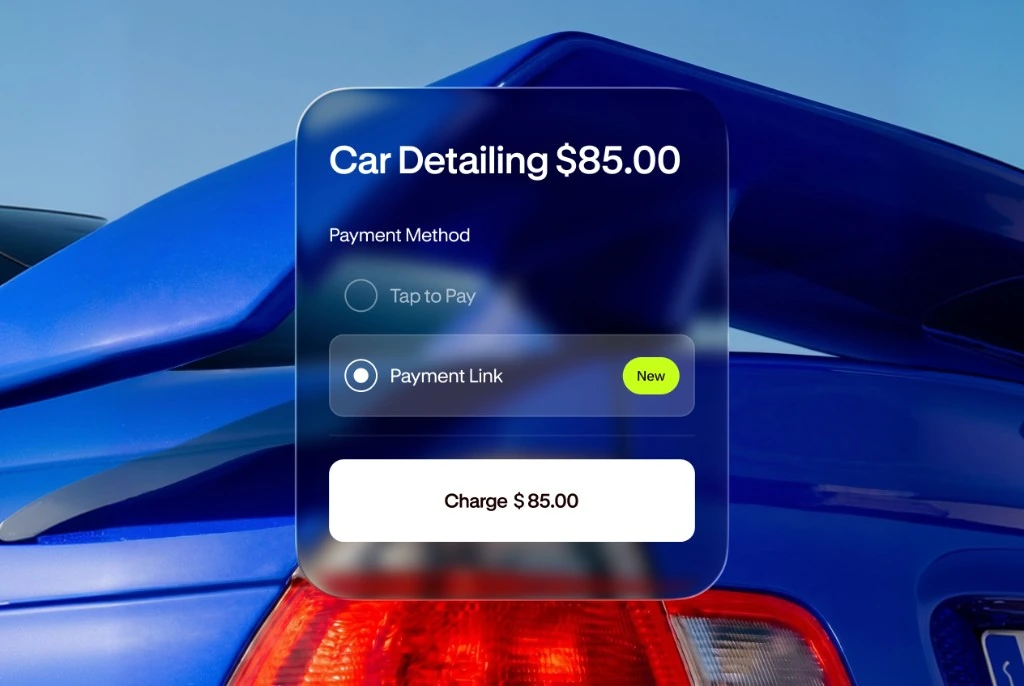



Sell and get paid in seconds with Jim