What to Sell at a Flea Market: 23 Profitable Ideas
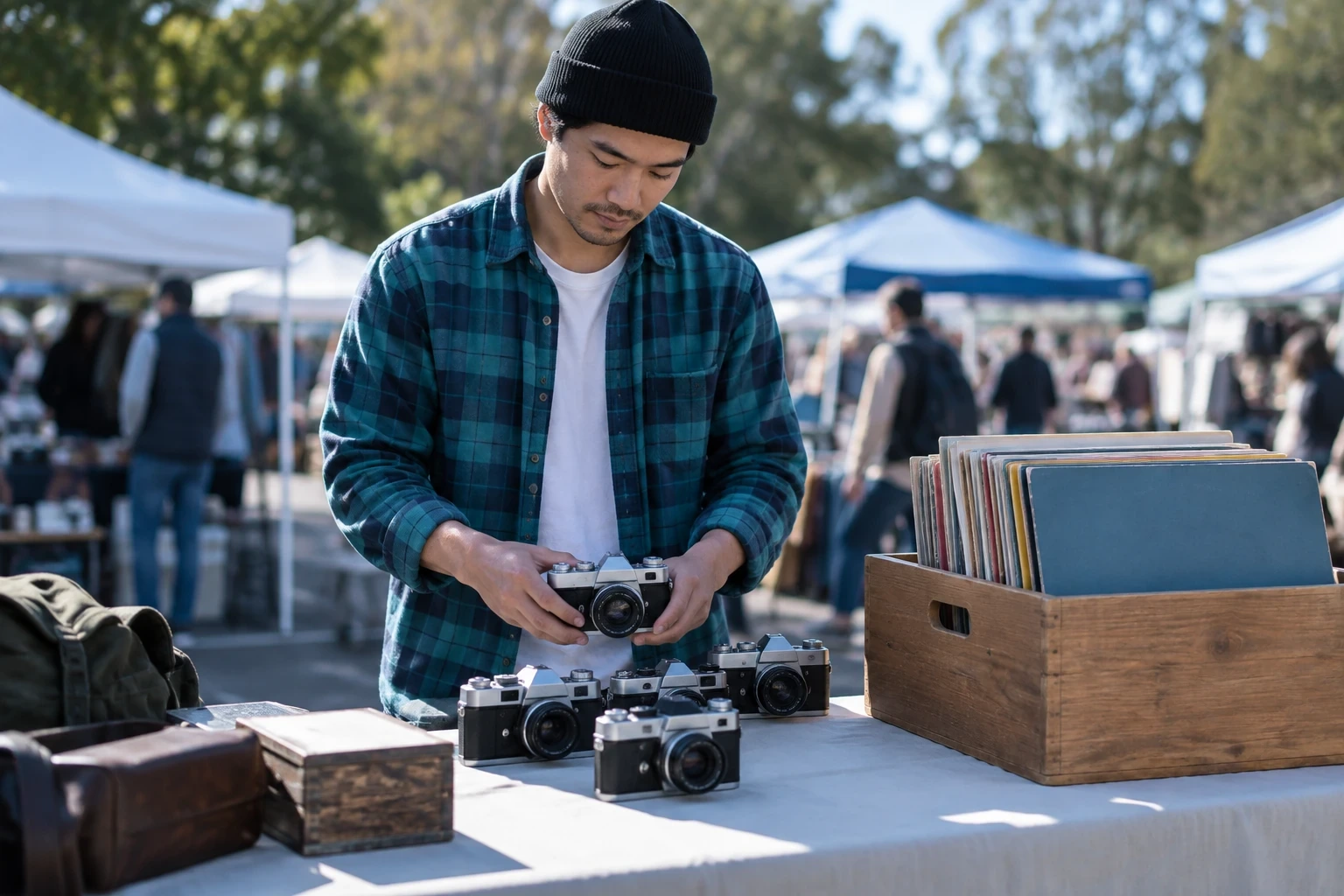
What to sell at a flea market comes down to one test: can you buy or make it for a fraction of its price and sell it to a stranger in under a minute? Vintage clothing, collectibles, handmade goods, cold drinks, and quick services pass that test most often.
Plan to take cards from your first weekend. In the Federal Reserve's 2025 Diary of Consumer Payment Choice, credit and debit cards made up 65% of U.S. consumer payments in 2024, and cash only 14%.
What sells best at a flea market?
The items that sell best share five traits. Run every idea on this page through them before you buy stock:
This page picks the products. For permits, booth gear, and startup costs, read how to start a flea market business.
Which vintage and resale items sell at flea markets?
Start with resale if you want the lowest startup cost. Your stock comes from estate sales, thrift stores, and yard sales, and you set the price.
| Item | Where to source | Startup cost | Why it sells |
|---|---|---|---|
| Vintage clothing and denim | Thrift bins, estate sales, rummage sales | Low | Shoppers dig for one-of-a-kind sizes and eras. See clothing resale |
| Sneakers | Retail drops, outlet sales, local resale groups | High | Buyers try pairs on and check condition in person. See sneaker reselling |
| Sports and trading cards | Collection buyouts, card shows, hobby shops | Medium | Collectors browse binders and trade face to face. See sports cards |
| Antiques and collectibles | Estate sales, auctions, pickers | Medium | Pieces with a history draw serious collectors. See antiques |
| Vinyl records and books | Library sales, estate lots, garage sales | Low | Crate digging is part of the fun, and bundle deals move volume |
| Used hand tools | Garage sales, estate sales, contractor clear-outs | Low | DIY buyers want solid older tools at a fair price |
In resale, you set your margin when you buy, not when you sell. Check sold listings on eBay, not asking prices, and pass on anything you can't resell for about three times what you pay. For a tag system that clears old stock, borrow the color-tag method from how to start a thrift store business.
Which handmade products sell well at flea markets?
Handmade goods win when you can make them in batches and show your process, because buyers pay for the maker as much as the product.
| Item | Where to source | Startup cost | Why it sells |
|---|---|---|---|
| Candles | Wax, wicks, and jars from craft wholesalers | Low | An easy gift, and buyers smell before they buy |
| Jewelry | Beads, findings, and wire from bead suppliers | Low | Small, light, and priced for impulse gifts |
| Crochet and knit goods | Yarn from craft stores or mill ends | Low | Plushies and hats show skill at a glance |
| Plants and succulents | Your own cuttings, local nurseries | Low | Living decor at a gift price, and cuttings cost you almost nothing |
| Art prints and stickers | Local print shops, online print services | Low | Local designs and inside jokes sell as souvenirs |
Count every cost in a handmade price: materials, packaging, the booth, and your hours. Suppose a candle takes $6 in materials and sells for $18. The 1.99% card fee is $0.36, which leaves $11.64 before your time, and batch production is what makes that number worth it.
What new goods can you sell at a flea market?
Sell new goods only when you buy from a source you can name, such as a wholesaler, a print shop, or the brand's authorized distributor.
| Item | Where to source | Startup cost | Why it sells |
|---|---|---|---|
| Phone accessories | Authorized wholesale distributors | Medium | Everyone forgets a cable or needs a new case |
| Graphic T-shirts | Blank tees plus a local screen printer | Medium | Local and seasonal designs sell as souvenirs |
| Seasonal and holiday decor | Wholesale marts, after-season clearance | Medium | Buyers want it this week, not next month |
| Pet accessories | Wholesale suppliers or your own sewing | Low | Dog owners shop with the dog on the leash. See dog collars |
New goods leave less room on price, because shoppers can check the online price on their phone at your table. Watch for knockoffs too: U.S. Customs and Border Protection (CBP) lists apparel, toys, jewelry, and cell phone accessories among its top counterfeit seizures by quantity in fiscal year 2025. Keep the invoice for every box you buy.
Can you sell food and drinks at a flea market?
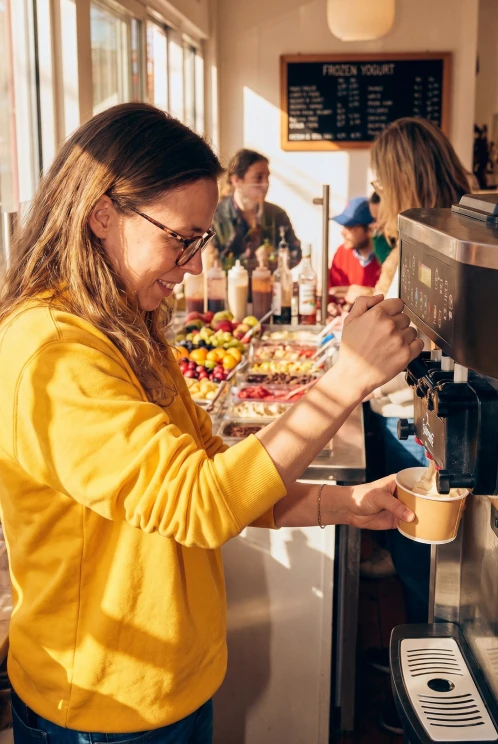
Yes, but food is the one category where your state and county decide what you can sell before the market manager does.
| Item | Where to source | Startup cost | Why it sells |
|---|---|---|---|
| Kettle corn | Bulk kernels, sugar, oil, a kettle, and a tent | High | The smell pulls people across the aisle |
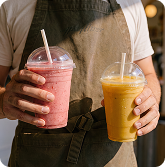
| Lemonade and aguas frescas | Grocery or restaurant supply stores | Low | Hot days and long aisles sell cold drinks. See lemonade stands |
| Cookies and baked goods | Your kitchen, under cottage food rules | Low | An easy add-on while shoppers browse. See cookie business |
| Jams, granola, and packaged treats | Your kitchen or a licensed commercial kitchen | Low | Shelf-stable and easy to carry home |
What services can you offer at a flea market booth?
Services need no stock, so your margin is mostly your time. Pick a skill you can finish in minutes while the customer keeps shopping.
| Item | Where to source | Startup cost | Why it sells |
|---|---|---|---|
| Knife and tool sharpening | Whetstones or a bench grinder, plus a sign | Medium | Customers drop knives off and pick them up after browsing. See knife sharpening |
| Phone screen repair | Parts from repair suppliers and a tool kit | Medium | A cracked screen fixed in the aisle beats a store appointment |
| Caricatures and portrait sketches | Paper, markers, and an easel | Low | Families watch, and the crowd draws more customers |
| Bike tune-ups | Hand tools, a repair stand, cables, and tubes | Medium | Riders arrive at the market on their bikes |
Service booths earn tips, so set a flat price per job and let the customer add a tip on the payment screen instead of relying on a jar.
How do you calculate your margin on flea market items?
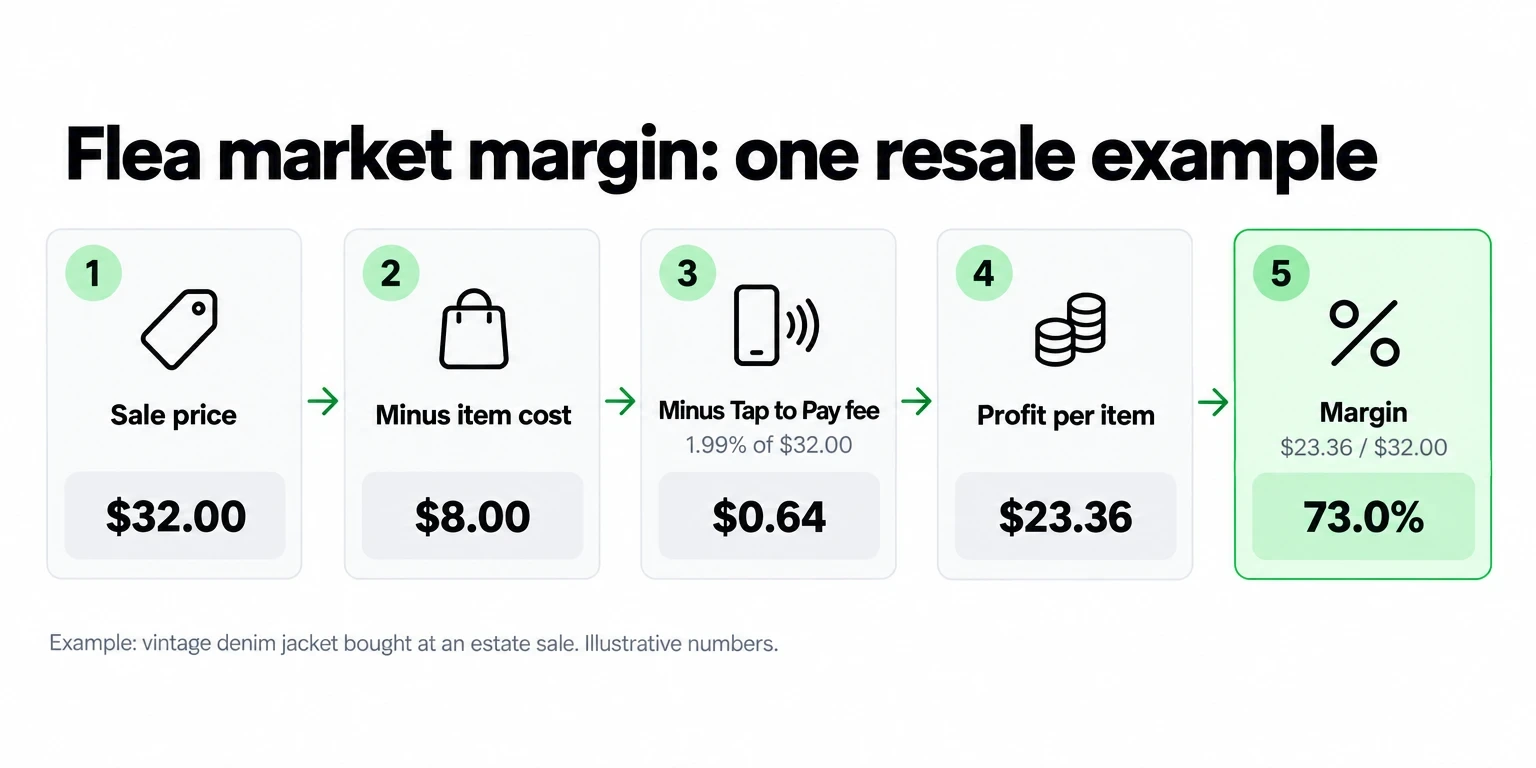
Use one formula for every item on your table, whether you bought it, made it, or perform it:
Suppose you buy a vintage denim jacket at an estate sale for $8 and sell it for $32 with Tap to Pay. The 1.99% fee is $0.64, so you keep $23.36: a 73.0% margin and a 300% markup. With a $40 booth fee for the day (an example, ask your market for its rate), two jackets cover the space, while the candle's $11.64 profit needs four sales.
Log what every item cost you in a free inventory spreadsheet, so you run the formula on real numbers, not memory.
What should you not sell at a flea market?
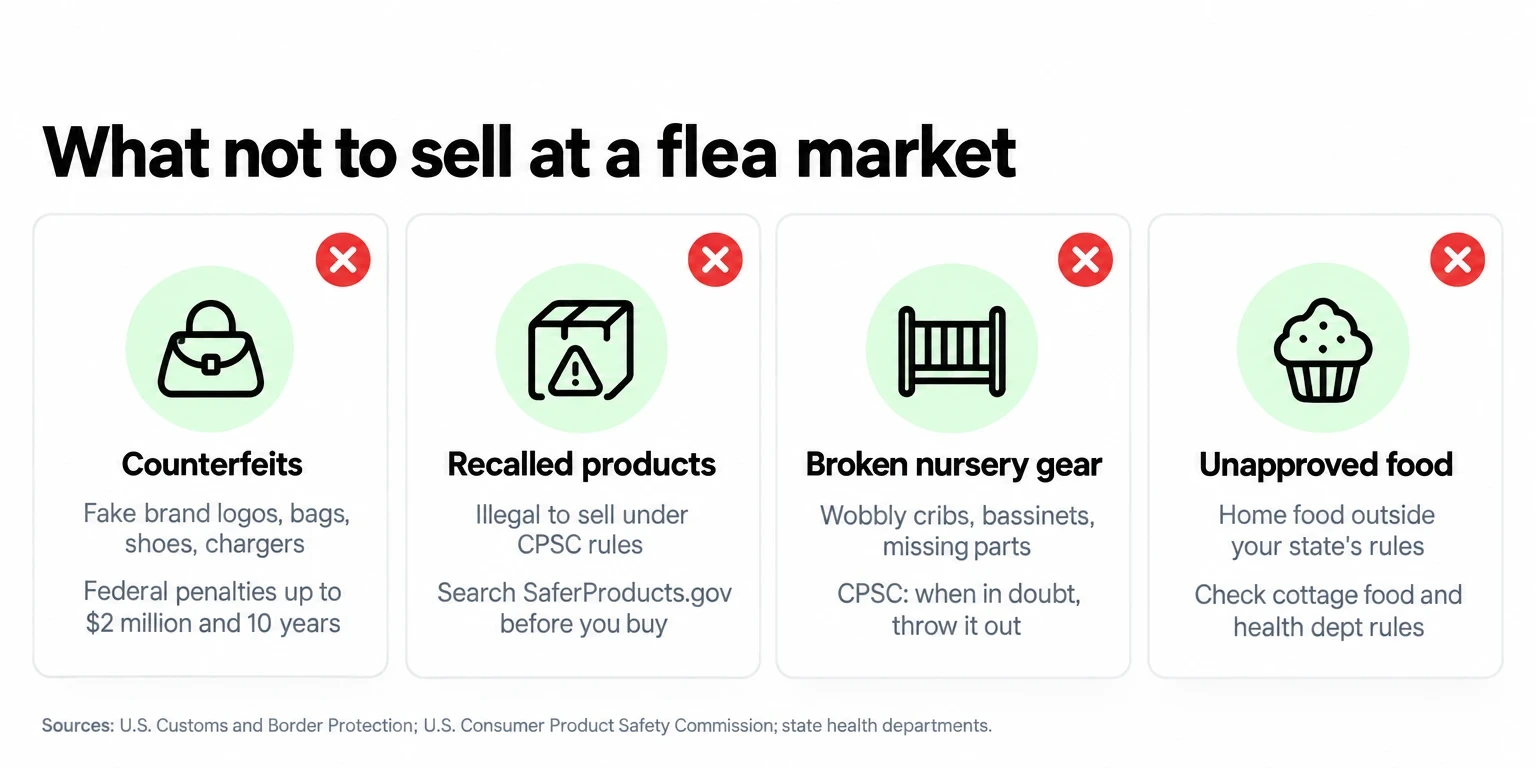
Never sell counterfeits, recalled products, broken baby gear, or food your state doesn't allow from a home kitchen.
How do you take card payments at a flea market?
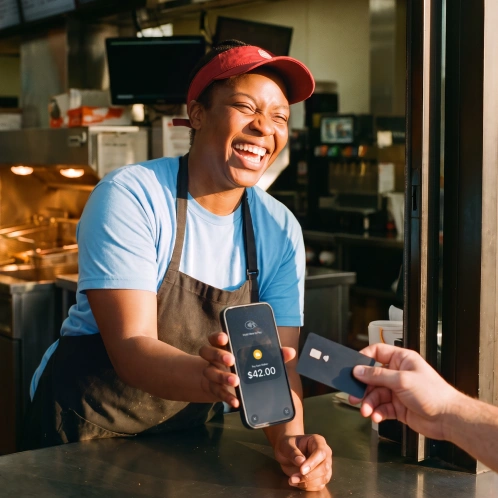
Take cards on your phone with Tap to Pay. With cards at 65% of consumer payments, a shopper without cash is a sale you lose to the next booth.
JIM turns an iPhone or Android phone with NFC into a card reader for 1.99% per Tap to Pay sale, with no reader to buy and no monthly fee. Buyers tap a contactless card, Apple Pay, or Google Pay. Each sale lands on your JIM Card, a Visa prepaid card, in seconds, so Saturday's sales can pay for Sunday's estate sale finds. Moving money to a bank by Same-Day ACH costs 1.99% + $0.99.
Instant settlements subject to terms. JIM is a financial technology company, not a bank; banking services are provided by Lead Bank, Member FDIC.
You saw the math: a $32 jacket leaves $23.36 after a $0.64 Tap to Pay fee. Pick three items from these lists, test them for two weekends, and keep the ones that cover your booth fee fastest. Planning a one-time event instead of a weekly stall? Read how to open a pop-up shop. Ready for your first tap? Download JIM and set up my seller profile.

Sell and get paid in seconds with Jim