A customer steps up to your counter, phone in hand, instead of a credit card. If you can't accept that tap, you've just lost a sale.
Alternative payment methods have moved from novelty to expectation. These payment options go beyond traditional cash, debit cards, and credit cards to include digital wallets, bank transfers, buy now pay later (BNPL) services, and more. Digital wallets now account for 49% of global e-commerce transactions, projected to reach 54% by 2026. This guide covers the most popular APMs, how they work, and what it takes to start accepting them.
This guide covers the main APM categories, how they work, and how to start accepting them at your business.
What Are Alternative Payment Methods?
The definition varies by market, and what's considered "alternative" in one country may be mainstream in another. These regional differences affect which payment methods to prioritize for your customer base.
Alternative payment methods are any form of payment that falls outside cash or traditional card networks like Visa, Mastercard, and American Express when using debit cards or credit cards. The category is broad, covering various forms of payment from digital wallets, mobile wallets, and bank transfers to installment plans, prepaid cards, and even cryptocurrency.
In practice, "alternative" is relative to geography. In the Netherlands, iDEAL handles roughly 70% of online purchases, making it the default rather than the exception. In China, Alipay and WeChat Pay dominate mobile payments. What counts as mainstream depends entirely on where your customers are. These payment solutions represent a shift away from traditional payment methods like cash and physical card swipes.
Types of Alternative Payment Methods
Several major APM categories exist, and each serves different business needs. Learning these payment technologies helps you build a smarter payment strategy. Here's a breakdown of the most common types.
Your mix will depend on where customers are located and how they prefer to pay. A boutique selling primarily in person may focus on digital wallets, while a subscription service might prioritize bank transfers for recurring billing.
Digital Wallets
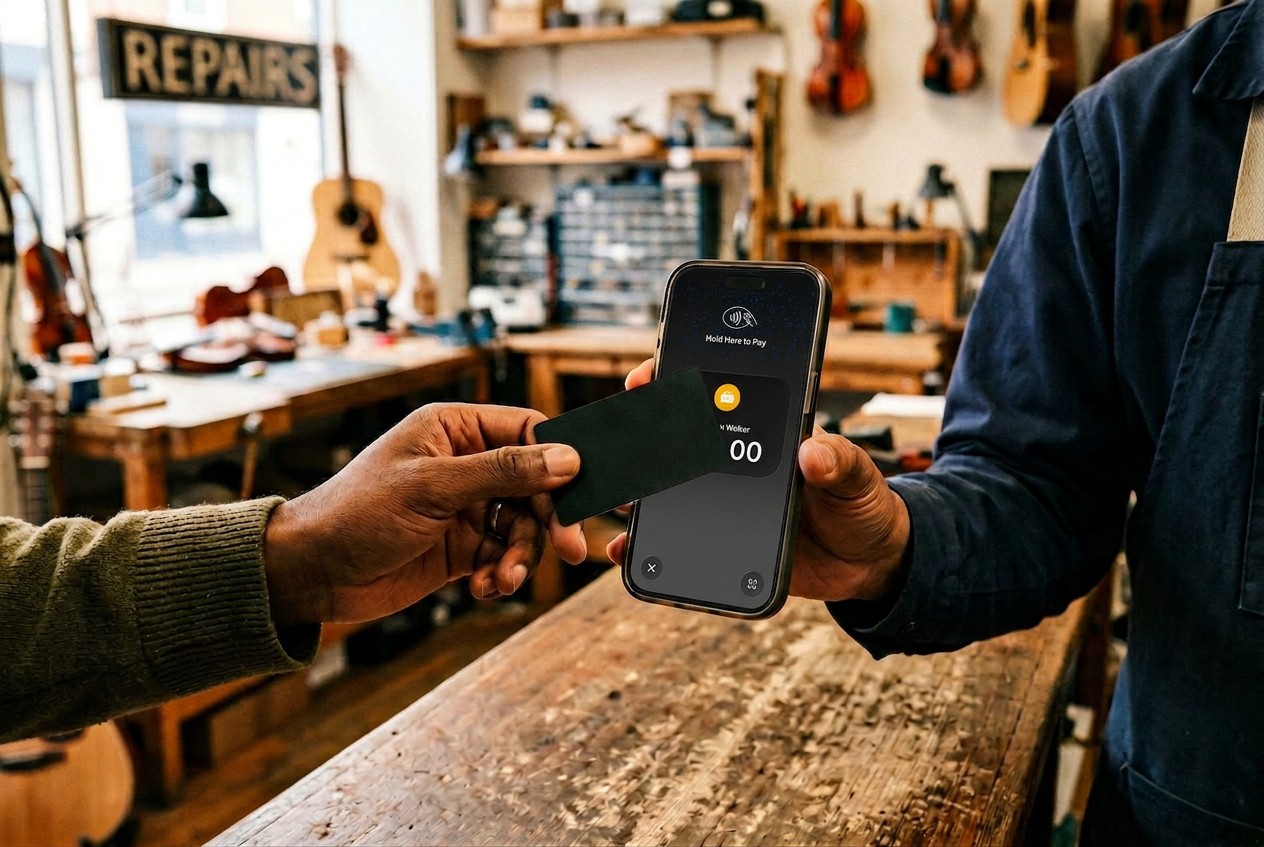
Most consumers are already familiar with digital wallets through Apple Pay and Google Pay on their smartphones. These apps store debit cards and credit cards digitally, then use NFC to transmit payment securely at checkout. The customer experience is fast: a quick tap completes the transaction.
Digital wallets store Visa, Mastercard, and other payment cards on a smartphone or wearable device. At checkout, customers complete authentication with biometrics or a PIN, then tap their device against an NFC-enabled terminal. Apple Pay, Google Pay, Samsung Pay, and PayPal are among the most widely used e-wallets globally, each supporting major card networks and improving overall cash flow for merchants through faster checkout.
These wallets rely on tap to pay technology, which uses tokenization to protect card details during the transaction. Many businesses integrate these wallets through payment gateway APIs to speed up checkout.
Bank Transfers and Real-Time Payments
Bank transfers and direct debit services move money directly between accounts without an intermediary card network, enabling fast money transfers. Examples include ACH in the United States, SEPA across Europe, PIX in Brazil, and UPI in India.
Real-time payment rails have grown quickly. India's UPI processed 18.6 billion transactions in May 2025 alone, making it one of the largest payment networks in the world. For merchants, bank transfers typically carry lower processing fees than card payments and can improve cash flow, though settlement times vary by network.
Buy Now, Pay Later (BNPL)
BNPL lets customers split purchases into smaller installments, often with no interest if paid on time. It addresses a clear customer preference: the ability to buy now without paying the full amount upfront.
BNPL services let customers split purchases into installments, often interest-free if paid on time. Klarna, Affirm, and Afterpay are among the most recognized providers.
For e-commerce merchants, BNPL can increase average order values by removing the upfront cost barrier. The global BNPL market is projected to exceed $450 billion by 2026, driven by adoption among younger shoppers who prefer flexible payment options.
Prepaid Cards and Virtual Cards
Prepaid cards appeal to customers without traditional bank account access, while virtual cards give businesses tighter control over vendor payments. Some merchants also accept cryptocurrency through specialized processors, though adoption remains niche compared to mainstream APMs.
Prepaid cards are preloaded with a set balance and aren't linked to a bank account. They appeal to customers who want spending limits or don't have traditional banking access.
Virtual cards, sometimes called ghost cards, are single-use or limited-use card numbers generated for specific transactions. Businesses often use them for recurring vendor payments or expense management, since each card can be tied to a specific supplier or budget category.
Popular APMs by Region
Payment preferences shift dramatically by geography, shaped by local banking infrastructure and consumer habits. What works in the United States may be irrelevant in Europe or Asia. These preferences shape which global payment methods to accept based on your target markets. Here's how preferences break down by region.
North America
Digital wallets now lead online payments, capturing 37% of transactions compared to 33% for credit cards. PayPal remains the most widely used digital wallet, with Apple Pay and Google Pay growing steadily.
Europe
Digital wallets lead European online payments at 30%, with growth projected to reach 40% by 2027. Bank transfers remain popular in specific markets, with iDEAL dominant in the Netherlands and Sofort widely used in Germany. SEPA direct debit handles many recurring payment setups across the region.
Asia-Pacific
Alipay and WeChat Pay hold over 90% of the mobile payment market share in China. In India, UPI processed over 16 billion transactions in a single month by late 2024, making it the default payment rail. Japan and South Korea show strong adoption of both domestic wallets and global players like Apple Pay.
Latin America
Brazil's PIX system processed over 41 billion transactions in 2023, transforming the country's payment landscape. The real-time bank transfer network has become a standard checkout option for both online and in-person payments.
Benefits of Accepting Alternative Payment Methods
Offering multiple payment options goes beyond convenience. It directly affects conversion rates, customer loyalty, and your ability to reach new markets. Here's why adding APMs to your payment strategy matters.
- Reduce cart abandonment. When customers can't pay with their preferred payment method, many will leave.
- Expand global reach. Accepting local payment methods like PIX, iDEAL, or UPI opens doors to international customers who may not use traditional credit cards.
- Improve security. Digital wallets use tokenization and authentication to protect card details during transactions with Visa, Mastercard, and other networks. Virtual cards add another layer by generating unique numbers for each transaction, reducing fraud exposure.
- Speed up checkout. Tap-and-go transactions are faster than swiping or entering card numbers manually, which improves the overall customer experience. A faster payment experience reduces friction and keeps customers coming back.
- Attract younger demographics. Gen Z and Millennial shoppers show strong preferences for BNPL and mobile wallets. Meeting them where they are can drive loyalty.
For a deeper look at processing options, see our guide to credit card processing for small businesses.
Accept More Payments, Reach More Customers
Alternative payment methods give your customers flexibility and reduce cart abandonment. From digital wallets and bank transfers to BNPL, the right mix depends on where you sell and who your customers are.
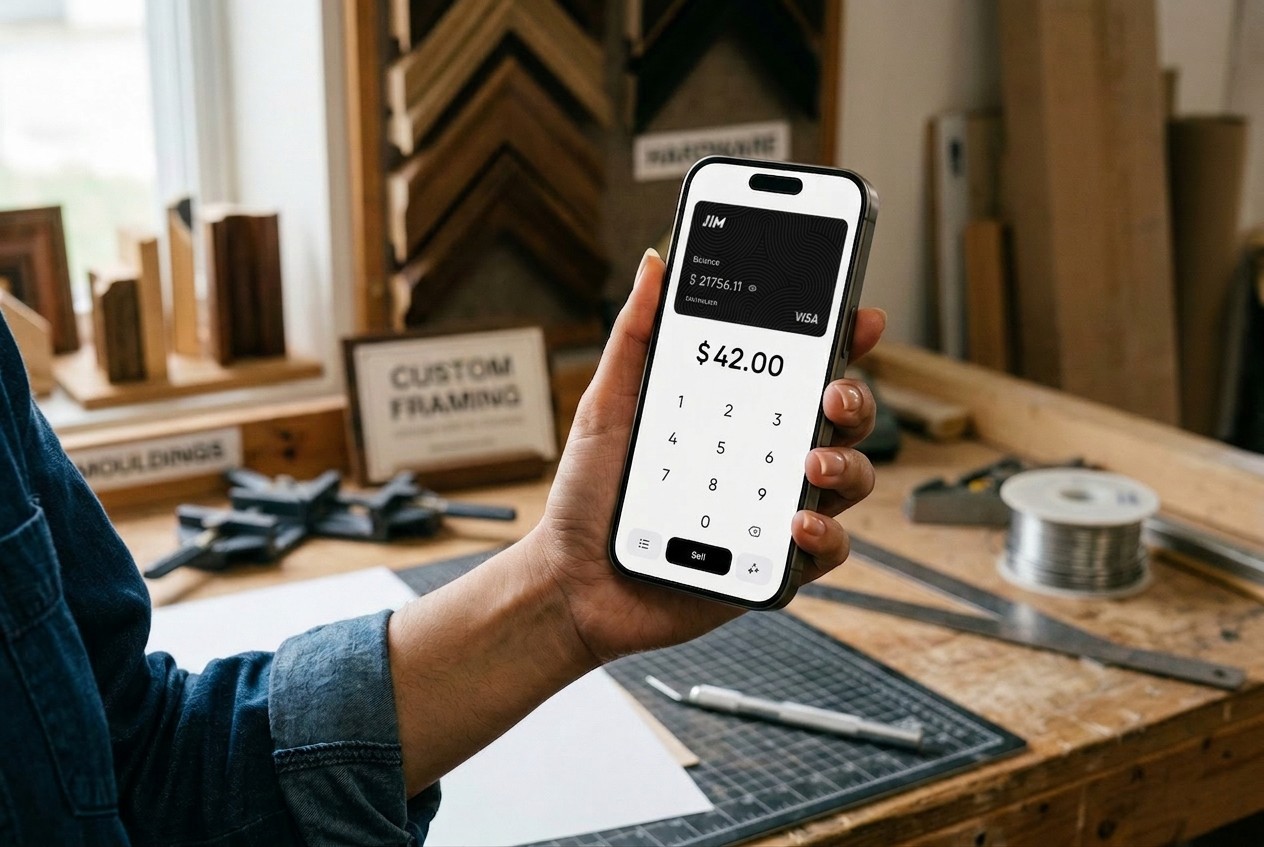
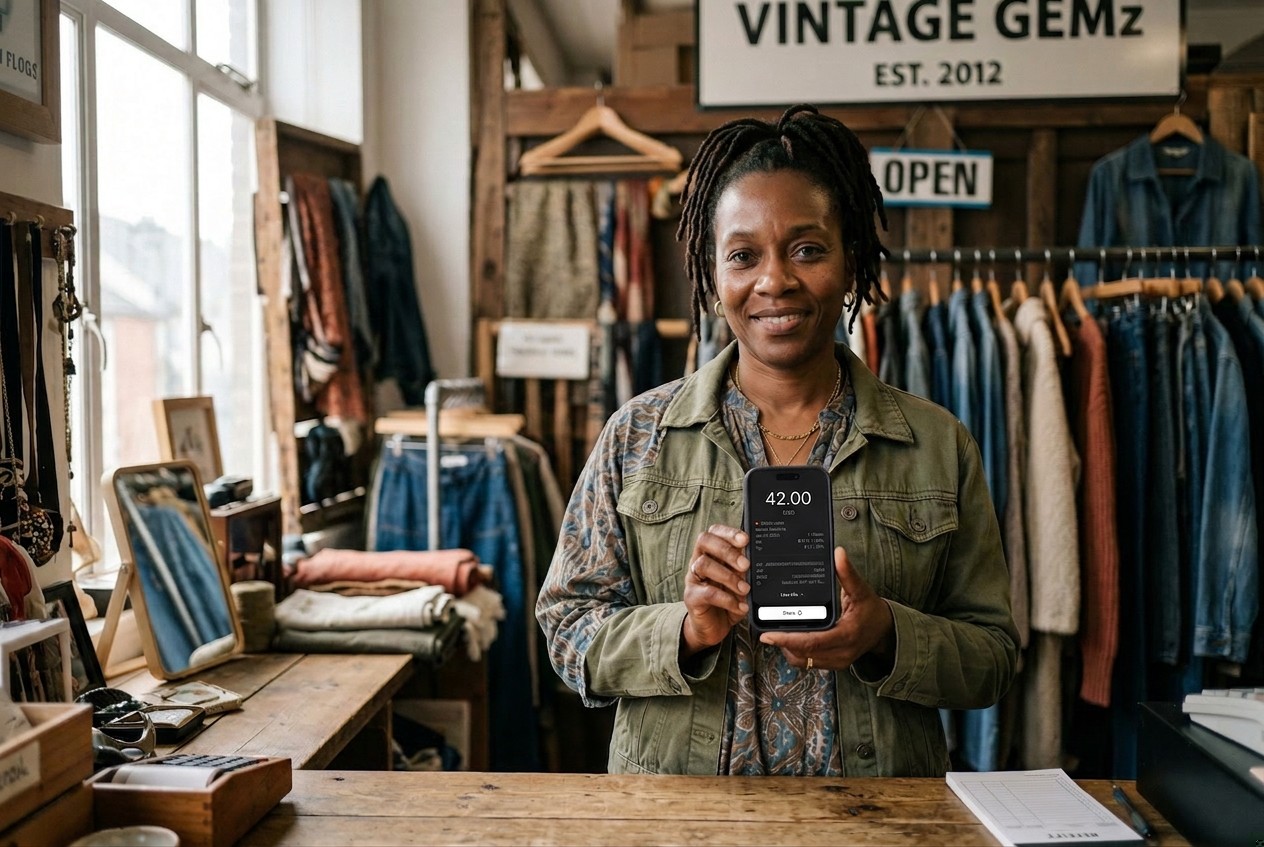
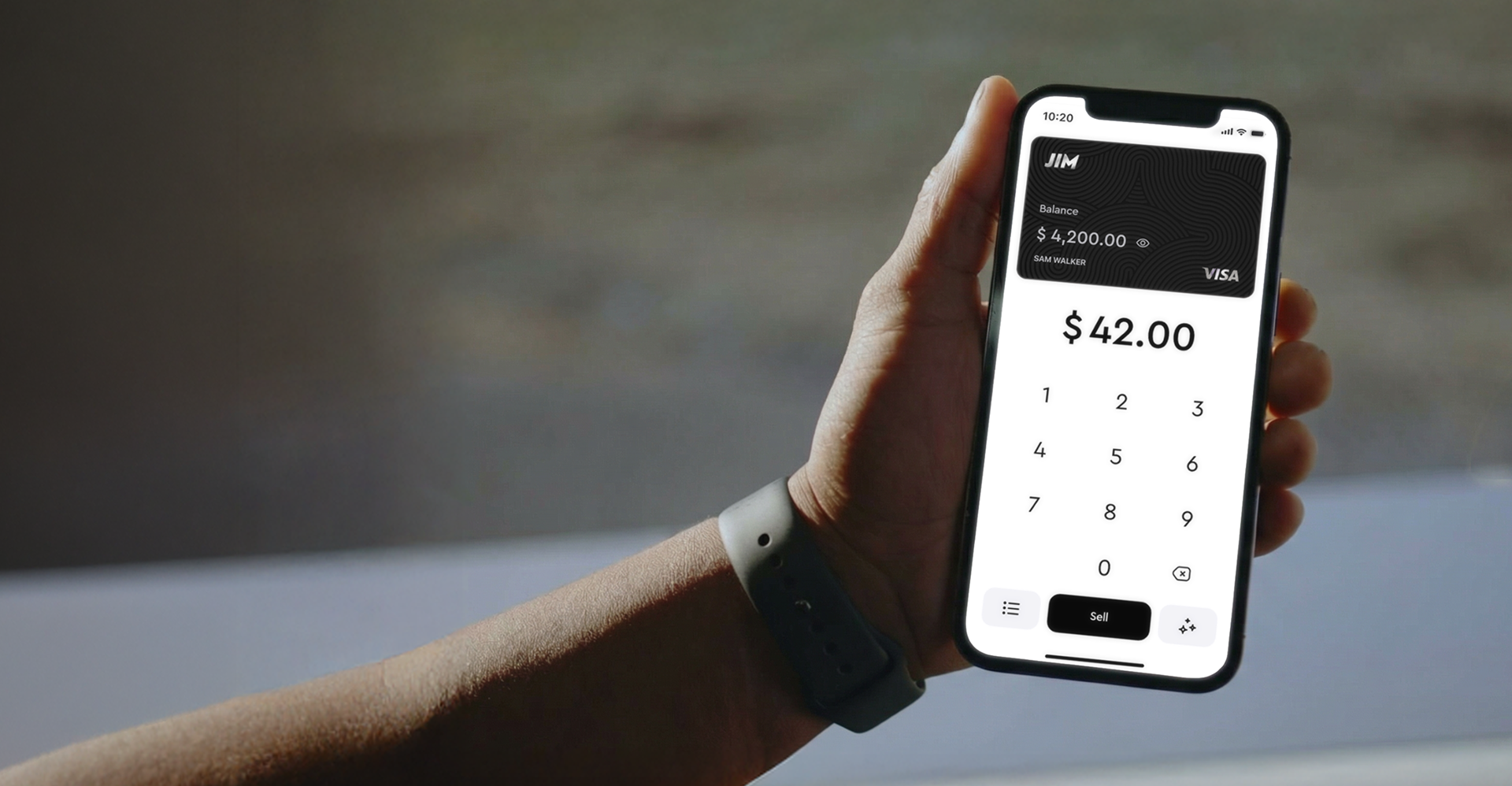
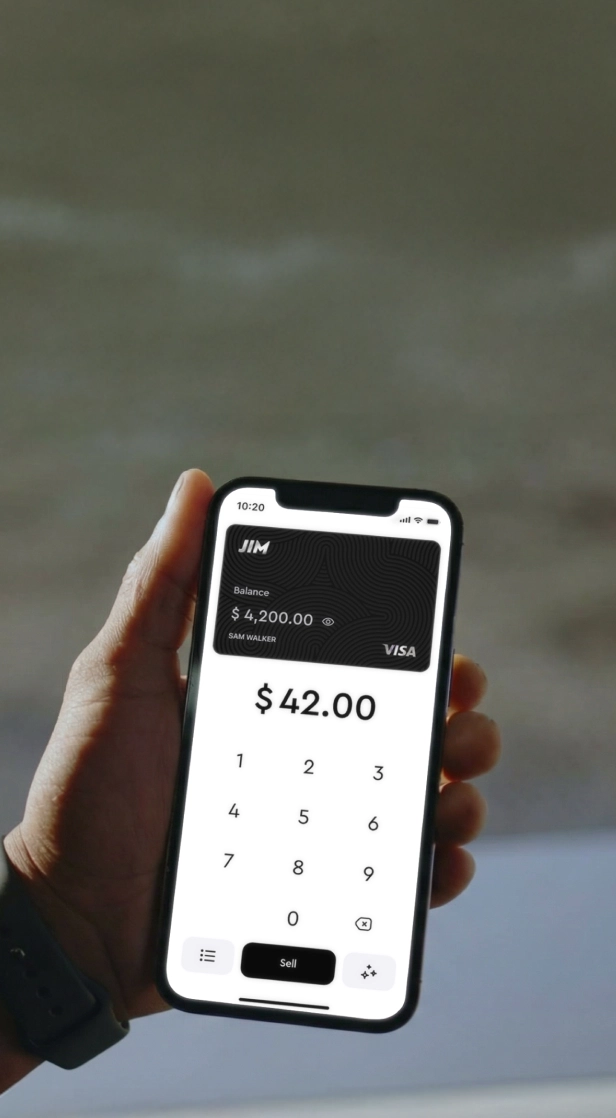
For in-person payments, the JIM mobile app accepts Apple Pay, Google Pay, and contactless cards directly on your iPhone. With a flat 1.99% fee, no hardware to buy, and instant access to your funds, it's a straightforward way to accept mobile and tap payments wherever you do business.
Ready to accept more payment methods from your phone? Download JIM and start taking contactless payments in minutes.
.avif)