Customers tap their cards and phones every day, but as contactless payments grow, many small business owners question whether convenience comes at the cost of security.
In reality, contactless payments often offer stronger protection than traditional swipes. Technologies like tokenization and encryption replace sensitive card data with unique, unusable tokens, so even if transaction data is intercepted, it cannot be reused or exposed. Understanding how these safeguards work starts with what happens behind every tap.
Below, we break down how contactless payment security works, compare tap to pay versus EMV chip transactions, and address common concerns about fraud risk and payment scams for small businesses.
Why Does Contactless Payment Security Matter?
The shift toward contactless payment systems has accelerated quickly. Research cited by AMU shows that contactless use jumped from 37% in 2019 to over 53% in 2021, and adoption continues climbing. Customers now expect fast, secure checkout experiences wherever they shop, from boutiques and coffee shops to farmers markets and food trucks.
For business owners, knowing how contactless payment security works helps you answer customer questions, build trust, and choose the right payment methods. When you can explain why tapping is safe, you reinforce confidence at the point of sale.
How Contactless Payment Security Works
Contactless payments rely on several technologies working together to protect transaction data. When a customer taps their card, smartphone, or wearable at your POS terminal, multiple security layers activate simultaneously to shield sensitive information from fraudsters and hackers.
Here is how each security measure protects your transactions.
Tokenization
Tokenization replaces the actual credit card number with a unique, single-use token generated for that specific transaction. This token has no value outside the original payment context, so even if intercepted, it cannot be reused. According to PYMNTS research, tokenization reduces fraud and improves authorization rates for merchants.
Dynamic Data Authentication
Each contactless transaction generates a one-time encrypted code that validates the payment. This dynamic authentication means the data changes with every tap, unlike magnetic stripe cards that transmit static information. If someone captures the encrypted code, they cannot use it for a future transaction because the code expires immediately.
Near Field Communication (NFC) Range
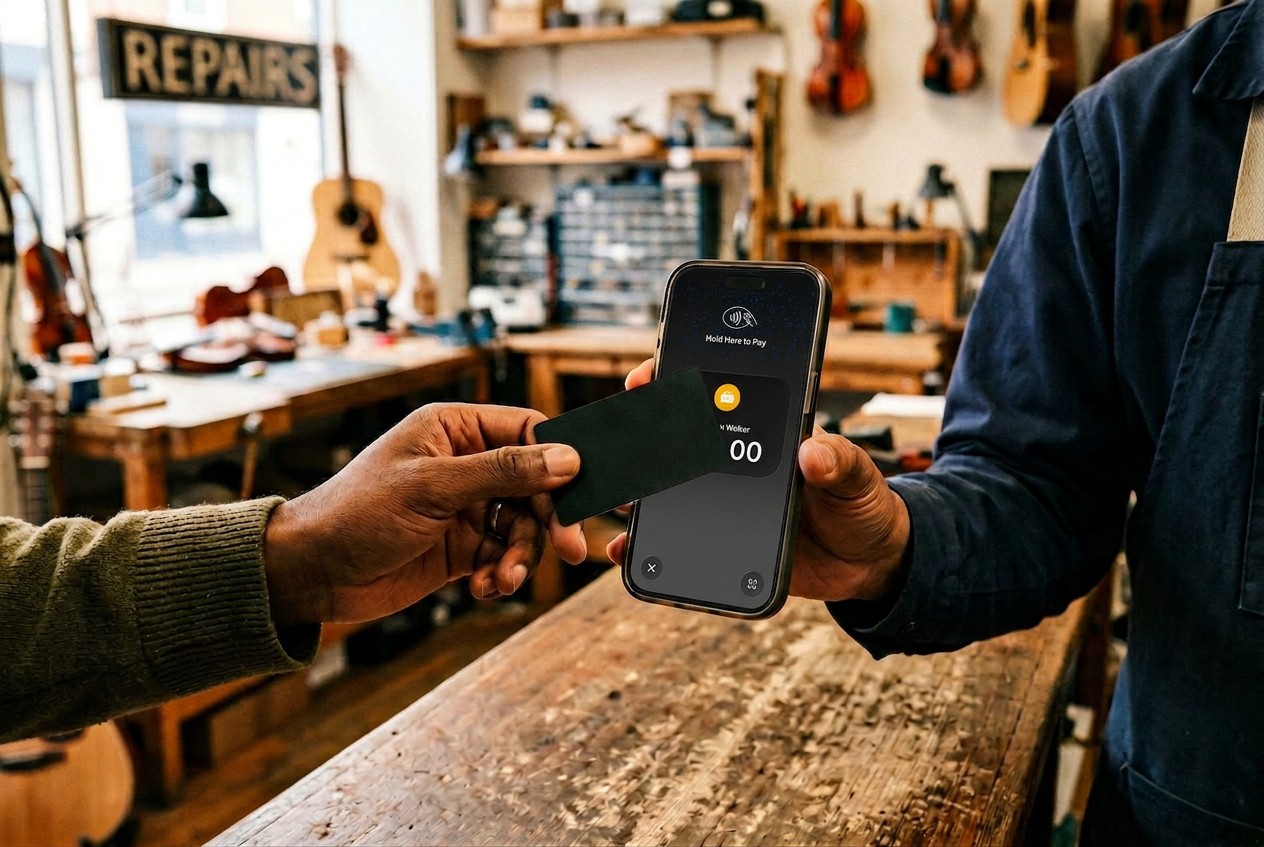
NFC (near field communication) technology transmits data only within approximately 4cm, requiring the card or mobile device to be directly over the payment terminal. This extremely short range makes remote interception impractical. A fraudster would need to be physically pressed against your checkout counter with specialized equipment to attempt data capture.
These layered protections work together to secure every tap. Knowing how tap to pay works helps you explain the security benefits to customers who may still have concerns about contactless transactions.
Is Tapping Your Card Safer Than Inserting?
Many business owners and customers wonder whether contactless payments are safer than traditional chip or swipe methods. The table below compares key security features across in-person payment options.
Tap to pay combines the security advantages of chip technology with reduced physical handling, making it the most protected in-person payment method available. Because the card never leaves the customer's hand during a contactless transaction, there is also less opportunity for card theft or skimming device installation.
What Are the Other Risks of Contactless Payments?
No payment method is completely risk-free. Recognizing potential vulnerabilities helps you take smart precautions and answer customer concerns honestly.
Most security measures handle common threats well, but a few scenarios still require attention.
Lost or Stolen Cards
Contactless cards typically allow small purchases, often under $50 to $100 depending on the card issuer, without requiring a PIN. If a card is lost or stolen, unauthorized transactions could occur before the cardholder notices. The solution is simple: report lost cards immediately to limit exposure. Most financial institutions offer zero-liability fraud protection that covers unauthorized contactless charges.
Skimming Concerns
Credit card skimming is a real concern, but traditional skimmers target the magnetic stripe data on cards, which contactless payments do not use. Because NFC operates at extremely close range (under 4cm), remote skimming is impractical. A criminal would need specialized equipment within inches of your card, which is nearly impossible in real-world checkout scenarios. RFID (radio frequency identification) blocking wallets offer additional peace of mind but are rarely necessary given these physical limitations.
Mobile Wallet Vulnerabilities
Digital wallets like Apple Pay and Google Pay store payment credentials on your smartphone. While malware or phishing attacks could theoretically target these credentials, biometric authentication through fingerprint or face ID adds strong protection. Keeping phone software updated closes security gaps and prevents most attacks. For more on mobile payment options, see our digital wallets guide.
The risks of contactless payments are lower than traditional methods when standard security practices are followed.
How to Protect Your Business and Customers
Accepting contactless payments securely involves choosing the right tools and following a few best practices. These steps help you maintain security standards while keeping checkout fast.
- Use payment solutions that meet PCI DSS compliance standards
- Enable transaction alerts and notifications to monitor activity in real time
- Inspect terminals regularly for signs of tampering
- Encourage customers to use mobile wallets with biometric authentication
- Choose providers with built-in fraud protection and encrypted NFC
Security is a shared responsibility. The right payment provider handles the technical safeguards so you can focus on serving customers. For mobile POS solutions that prioritize security, explore options with transparent pricing and instant settlement.
Accept Contactless Payments with Confidence
Contactless payment security combines tokenization, encryption, and limited transmission range to protect every transaction. Tapping is safer than swiping and at least as secure as chip insertion, with added convenience for both you and your customers.
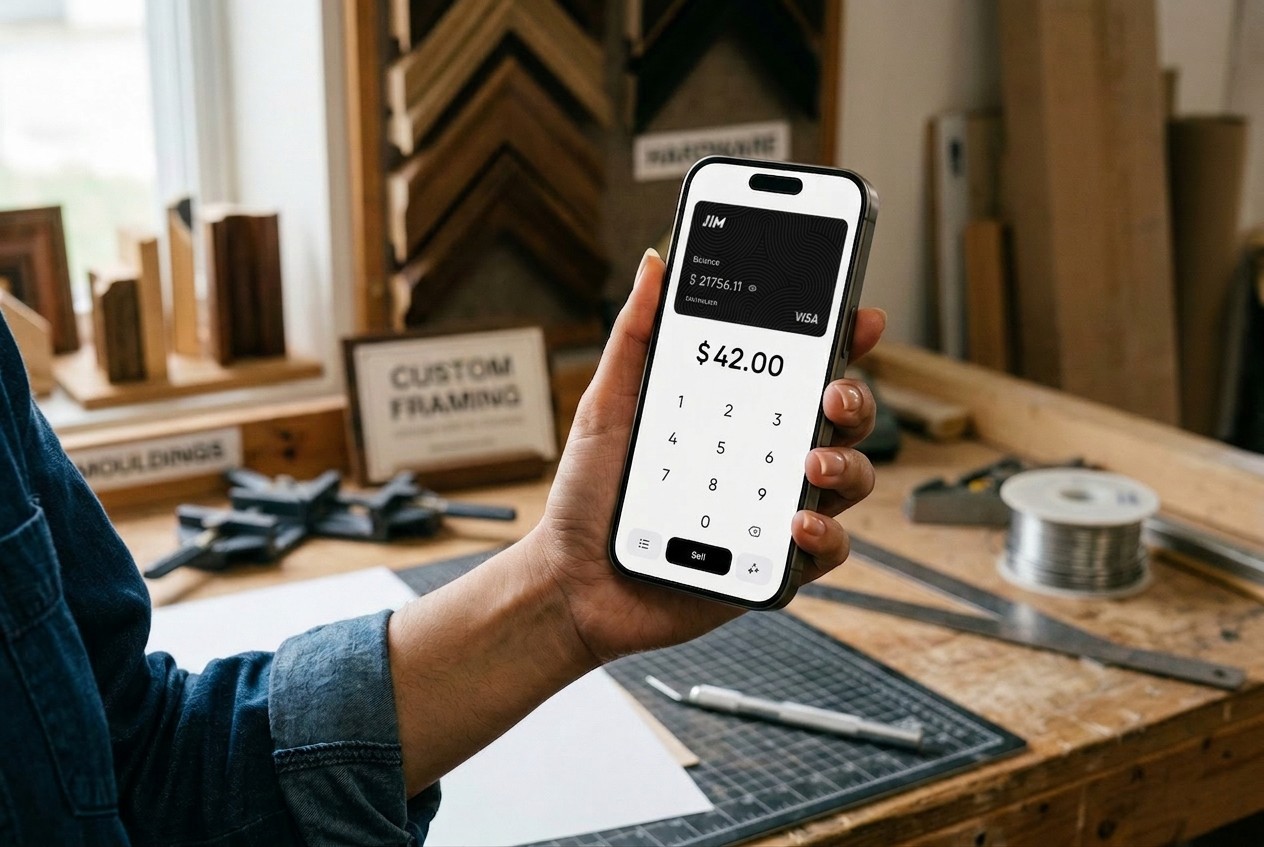
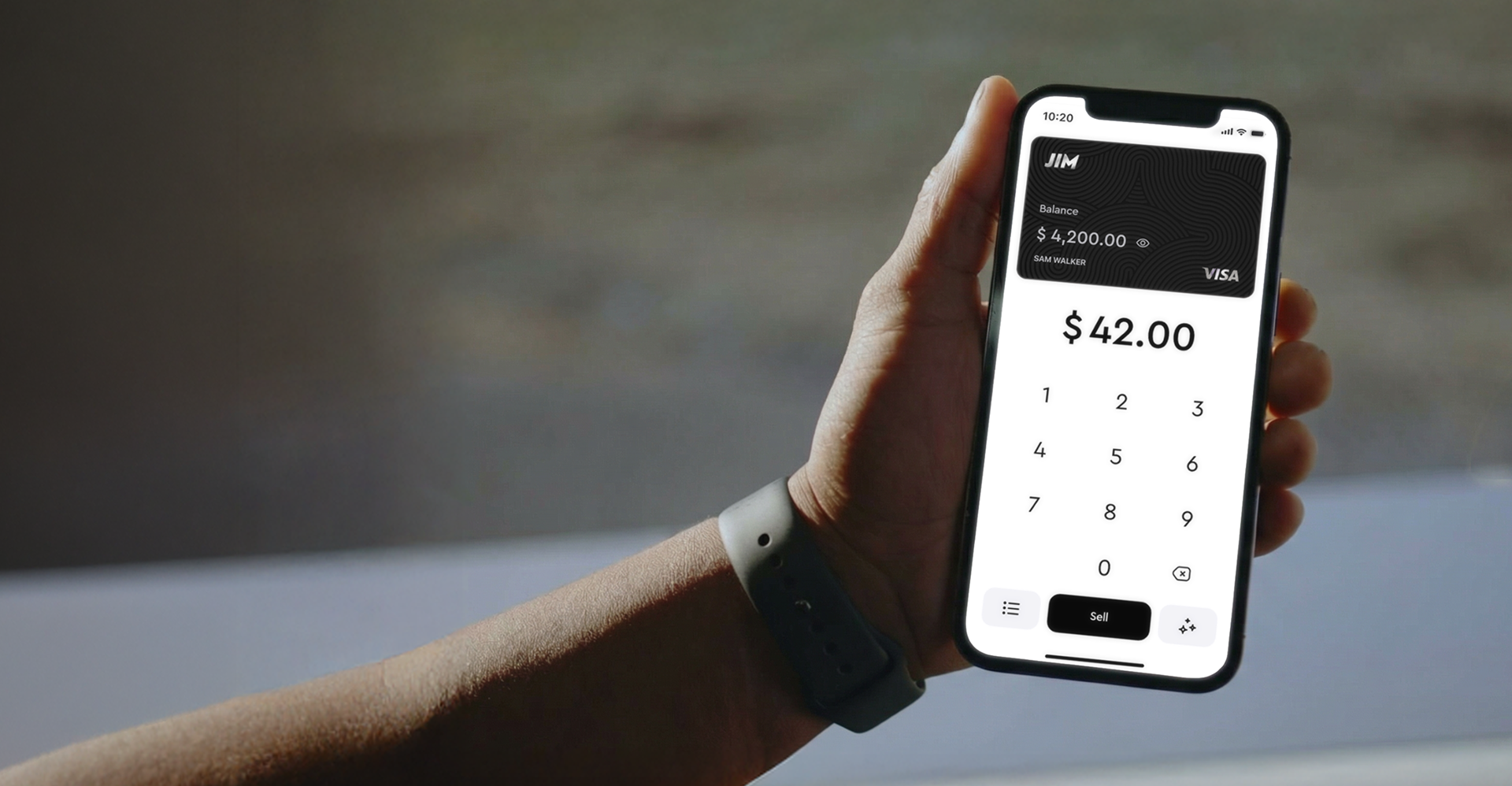
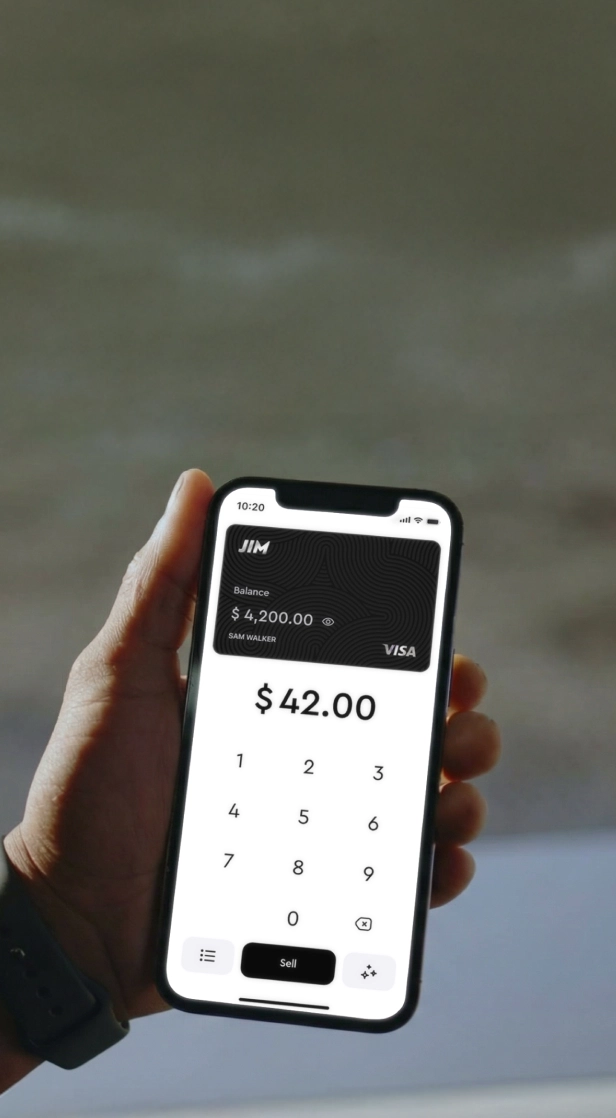
JIM uses encrypted NFC technology and meets PCI DSS standards, turning your iPhone into a secure payment terminal with a flat 1.99% fee and instant access to funds on your JIM Visa® Prepaid Card. No hardware purchase, no complex setup, no waiting days for settlement.
Ready to accept secure contactless payments? Download JIM and start selling with confidence.
.avif)