A customer taps their phone, the sale completes in seconds, and sensitive financial data travels through multiple systems you never see. Digital payment security protects each checkpoint from becoming a target for fraud.
Digital payment security refers to the technologies and protocols that protect financial data during electronic transactions. According to the EBA-ECB report on payment fraud, payment fraud across the European Economic Area reached €4.2 billion in 2024, up 17% year-over-year. For small businesses, this means secure payment systems are no longer optional.
This guide explains how digital payments stay secure, the threats you should recognize, and practical steps to protect your business.
Your customers expect both speed and safety at checkout, and customer trust depends on getting both right. Data breaches cost small businesses severely, with the global average reaching $4.45 million, according to IBM. Security concerns are valid, but modern cybersecurity measures work invisibly, protecting your transactions without requiring you to manage complex systems.
How Do Digital Payments Work?
Every digital payment passes through multiple checkpoints before funds move from buyer to seller. Understanding this transaction processing flow reveals where security measures protect cardholder data and why each layer matters for secure digital payment acceptance.
The path of a contactless payment
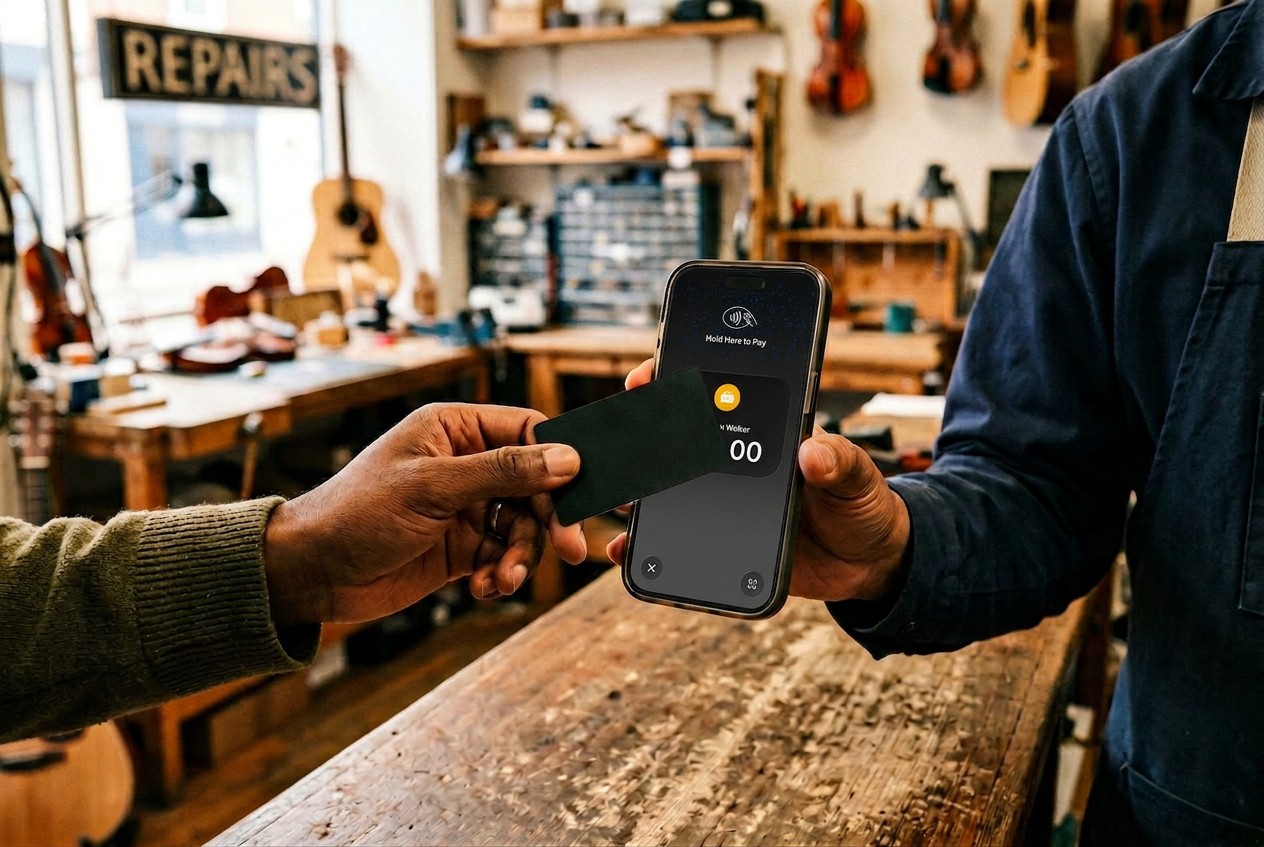
When a customer pays, the transaction passes through multiple security checkpoints before funds land in your account. The process happens in milliseconds, but each step applies specific protections to keep cardholder data safe. Here is how a typical contactless payment moves from tap to settlement:
- Data capture: The customer taps their card, phone, or smartwatch. Your terminal captures encrypted card information using NFC technology.
- Tokenization: The actual card number is immediately replaced with a unique token. This random string has no value outside the transaction context.
- Transmission: Encrypted data travels via TLS/SSL protocols to the payment processor. Even if intercepted, the data remains unreadable.
- Authorization: The processor verifies the transaction with the issuing bank and other financial institutions through card networks like Visa or Mastercard.
- Settlement: Funds transfer to your account. Timing varies by processor, with some offering instant access and others taking one to three business days.
According to Visa research, 97% of consumers in surveyed markets have adopted cautionary measures around digital payments, showing that security awareness is growing on both sides of the transaction.
Core Technologies Behind Digital Payment Security
Multiple cybersecurity technologies work together to protect every transaction against cyberattacks and security risks. Each layer addresses a specific vulnerability in the payment chain, and together they create a defense system that adapts to changing threats. While emerging technologies like blockchain offer promising approaches to transaction verification and decentralized security, today's proven methods already provide strong protection for most businesses handling online payments and mobile payments.
Encryption
Encryption converts payment information into unreadable code the moment it leaves your device. Transport Layer Security (TLS) protocols create a secure connection between your payment terminal and the processor's server. Throughout transmission, the data remains encrypted, making interception pointless for attackers.
Tokenization
Tokenization replaces sensitive card details with meaningless tokens before they travel anywhere. These tokens work only within their specific transaction context. Even if hackers intercept them, the tokens reveal nothing about the actual card number.
Per Chase, digital wallets using tokenization are more secure than traditional physical card payments because card details are never directly exposed during the transaction.
Multi-factor authentication
Multi-factor authentication (often called two-factor authentication or 2FA) combines something you know (a PIN or password) with something you have (your phone) or something you are (biometric data like a fingerprint). This layered approach means stolen passwords alone cannot authorize payments.
Per EBA-ECB data, transactions authenticated through Strong Customer Authentication show materially lower fraud rates than non-authenticated transactions, particularly for card payments.
Common Threats to Digital Payment Security
Fraudsters continuously adapt their tactics, targeting both technical vulnerabilities and human behavior through increasingly sophisticated scams and phishing attacks. Recognizing these threats helps you understand exactly what modern security measures are designed to prevent, protecting both customer information and credit card information from unauthorized access.
Phishing and social engineering
Fraudsters send fake emails, text message alerts, or create websites that mimic legitimate businesses. Their goal is to trick users into revealing credentials or payment information. Social manipulation remains a primary attack vector.
Data breaches and credential theft
Hackers exploit cybersecurity vulnerabilities in databases storing payment information, particularly in e-commerce environments, looking for card numbers, passwords, and personal data. Stolen credentials get sold on dark web marketplaces. This is precisely why tokenization matters: even if hackers breach a system, stolen tokens have no value outside their original transaction context.
Card skimming and device tampering
Physical skimming devices capture card data when inserted into compromised terminals. Contactless and tap payments reduce this risk considerably because no card insertion is required. The card never leaves your customer's hand.
Malware targeting payment apps
Malicious software can exploit vulnerabilities to intercept payment data on infected mobile devices. Modern mobile payment systems like Apple Pay and tap-to-pay solutions isolate payment credentials in secure hardware enclaves, keeping them separate from the main operating system where malware typically operates.
Best Practices for Enhancing Your Payment Security
Protecting your business and customers requires choosing the right tools and following smart cybersecurity practices. These steps reduce your exposure to payment fraud without requiring you to become a security expert.
Choose PCI-compliant payment solutions
PCI DSS (Payment Card Industry Data Security Standard) sets baseline security requirements for anyone handling card data. Working with compliant processors means they handle the complex security requirements for you. When evaluating providers, verify they explicitly confirm PCI compliance in their documentation.
Minimize stored payment data
The less sensitive data you store, the less attractive a target you become. Modern solutions like JIM's tap-to-pay never store card numbers on your device. When you need recurring billing, use tokenization-based systems that store tokens instead of actual card details.
Train yourself and staff on fraud recognition
Most breaches involve human error or manipulation rather than sophisticated hacking. Training employees to recognize phishing attempts and social engineering tactics is one of the most effective cybersecurity investments a business can make. Verify unusual payment requests through secondary channels before processing. Never share credentials via email or text message, regardless of how urgent the request appears.
Enable transaction alerts and monitoring
Set notifications for all transactions or establish thresholds that trigger alerts for larger amounts. Review your transaction history regularly, looking for anything unfamiliar. Acting quickly on suspicious activity limits potential losses.
Digital Payments vs. Traditional Payment Methods: Security Comparison
Many business owners assume cash is safer because it's tangible. In reality, digital payment security often exceeds traditional methods when implemented correctly.
Cash, once stolen, is unrecoverable. Digital fraud often has dispute resolution pathways. Checks can be altered or forged, while digital payments use cryptographic verification. Every digital transaction creates an audit trail that supports investigation if something goes wrong.
Per Federal Reserve research on payment systems, reliability and security go hand-in-hand in digital infrastructure, with built-in redundancies that physical payment methods lack.
What to Look for in a Secure Payment Processor
The processor you choose determines how much security comes built into every payment processing workflow. Not all payment processors handle security equally, so evaluating these criteria helps you avoid providers that cut corners. Whether you operate a physical POS location or accept payments on the go, these standards apply.
- Payment Card Industry Data Security Standard (PCI DSS) compliance: This is non-negotiable. Verify current certification before signing up with any provider.
- Encryption standards: Look for TLS 1.2 or higher. Older protocols have known vulnerabilities.
- Tokenization: Reduces your liability if a breach occurs elsewhere in the payment ecosystem.
- Fraud monitoring: Real-time detection catches suspicious transactions before they clear.
- Transparent fee structure: Hidden fees often signal cut corners in other areas too.
- Instant payouts: Faster settlement means a smaller window of exposure for both parties.
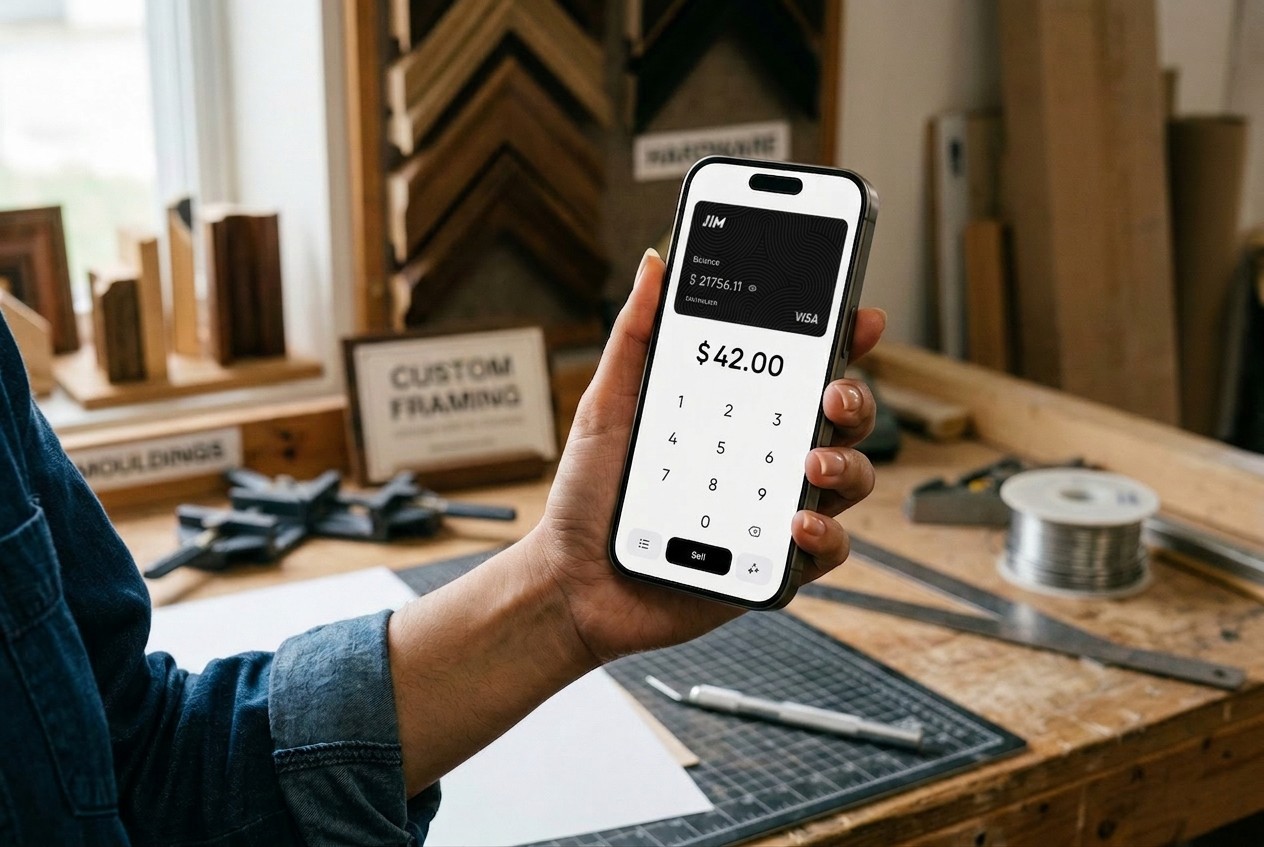
Mobile sellers and service providers often prioritize simplicity alongside security. JIM combines both: encrypted NFC payments through your iPhone, flat 1.99% pricing, and instant access to funds on your JIM Visa® Prepaid Card. Card details never touch your device, and transactions meet the same security standards used by major retailers. For those exploring mobile POS options, built-in security eliminates the need for separate fraud prevention tools.
Accept Secure Payments Without the Complexity
Digital payment security combines encryption, tokenization, authentication, and fraud monitoring to protect every transaction from initiation to settlement. Choosing a secure, compliant payment processor puts these protections to work for your business automatically, without requiring technical expertise on your part.
JIM simplifies secure payment acceptance for independent sellers and small businesses. With tap-to-pay through your iPhone, encrypted NFC transactions, instant payouts, and a flat 1.99% fee, you get strong security without complexity. There's no hardware to purchase, no lengthy setup, and no hidden costs eating into your margins.
Ready to accept credit card payments with security built in? Download JIM and start selling with confidence today.
.avif)