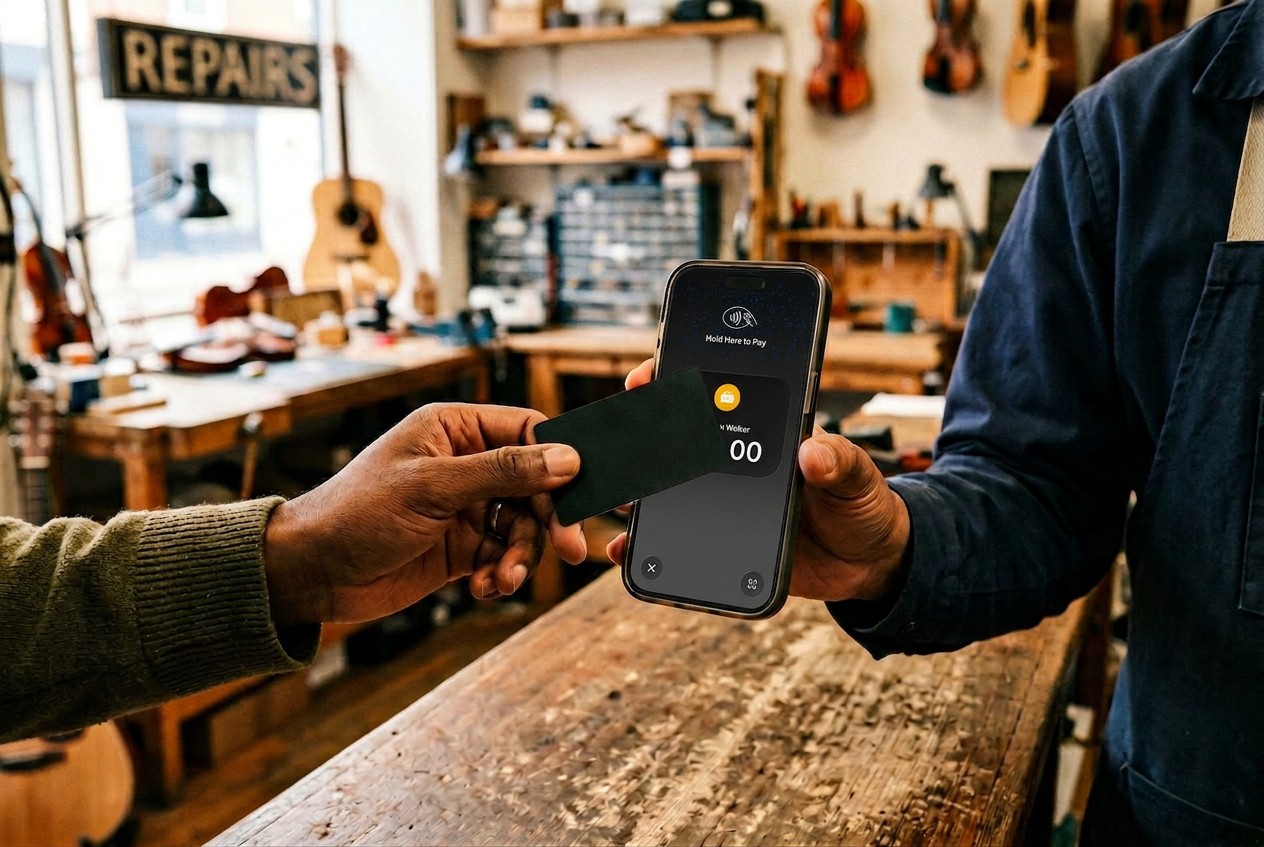
Your customer is standing at the counter, phone in hand, ready to tap and pay. Yet you're still sorting through bills and counting change while they shift impatiently.
That expectation reflects a broader shift in how people pay. Digital payment solutions let businesses accept cards, wallets, and contactless payments electronically. The Federal Reserve's Diary of Consumer Payment Choice found that credit and debit cards now account for over 60% of all consumer payments, while cash has fallen to just 16% of transactions. For the first time in the study's history, cash is no longer the most-used method even for purchases under $25. If your business relies on cash alone, you're missing the payment methods most customers prefer.
Let’s break down how digital payment solutions actually work, and how to choose the right one for your business.
What Is a Digital Payment Solution?
A digital payment solution is software or a platform that enables electronic money transfers between buyers and sellers. It covers online payments, mobile wallets, contactless cards, and bank transfers. Instead of handling physical cash, transactions happen through encrypted data exchange between financial institutions.
The key components include:
- Payment gateway: Captures and encrypts card information at the point of sale or online checkout
- Payment processor: Routes transaction data between your business, card networks, and banks or credit unions
- Merchant account or facilitator: Holds funds before they reach your bank account
Grasping how the digital payment ecosystem works helps you make informed decisions about accepting money from customers. Whether you sell at a farmers market or run an online store, the technology behind these systems affects your checkout speed, security, and cash flow. Learning how tap to pay works helps you evaluate which solution fits your use cases, whether you sell online, in person, or both.
Types of Digital Payment Methods
Today's merchants have more payment options than ever. From digital wallets to contactless cards to bank transfers, each method serves different customer preferences and transaction types. Understanding what each option offers helps you decide which to prioritize. The right mix depends on where and how you sell.
Digital wallets now account for roughly 30% of global point-of-sale volume, according to McKinsey's Global Payments Report. This shift means more customers expect to pay with their phones.
Merchants accepting payments in person need to treat digital wallet payments as standard. If you're not equipped to handle them, you risk losing sales.
How Digital Payment Solutions Work
Following the payment flow helps you troubleshoot issues and understand why some solutions settle faster than others. When a customer taps their card or phone, several steps happen in seconds.
- Customer initiates: The payer taps their card, phone, or smartwatch, or enters details online
- Data encrypted: The payment gateway secures card information using encryption (PCI DSS compliance). Globally, 96% of card-present transactions now use EMV chip technology for added protection.
- Authorization request: The processor routes the transaction to the card network (Visa, Mastercard), which contacts the issuing bank
- Approval or decline: The bank checks funds, flags fraud risks, and sends a response in under two seconds
- Settlement: Funds transfer to your account. Traditional processors take 1-3 business days; some cloud-based solutions offer instant payouts
The global payments industry processes 3.6 trillion transactions annually, according to McKinsey. Payment networks like Visa and Mastercard handle the real-time routing. The difference between providers comes down to speed, fees, and how quickly you access your money.
Benefits of Digital Payment Solutions
More merchants are moving away from cash-only operations for practical reasons. Accepting digital payments affects everything from checkout speed to accounting accuracy to how quickly you can access your earnings. The advantages go beyond convenience.
- Faster checkout: Contactless transactions complete in seconds, reducing wait times and lines. This speeds up service, improves customer satisfaction, and allows staff to focus on other tasks instead of counting cash.
- Broader reach: Digital payments let you accept funds from anyone with a credit/debit card, mobile wallet, or smartwatch. This expands your customer base beyond those who carry cash and enables remote or mobile sales.
- Better recordkeeping: Every transaction is automatically logged, making accounting simpler and more accurate. Digital records help with expense tracking, financial reporting, tax preparation, and identifying trends in sales.
- Improved cash flow: Many payment solutions provide instant or same-day payouts, so funds are available immediately instead of waiting several business days. This helps businesses manage expenses, payroll, and reinvestment more efficiently.
- Enhanced security: Encryption, tokenization, and fraud detection help protect sensitive card data. FTC data shows consumers lost $12.5 billion to fraud in 2024, a 25% increase from the previous year, highlighting how secure digital transactions reduce risk for both businesses and their customers.
- Reduced errors: Eliminating manual cash handling minimizes mistakes such as miscounted bills, lost change, or reconciliation discrepancies. This saves time and prevents revenue loss while keeping your accounting more reliable.
Cash usage has dropped to 46% of worldwide payments, down from 50% a year earlier, per McKinsey. Sellers who adapt capture more sales. Security improvements also build customer trust, especially for higher-ticket purchases where fraud concerns cause hesitation.
How to Choose a Digital Payment Solution
Before committing to a provider, evaluate factors that affect your operations and bottom line. The cheapest option on paper can cost more when you factor in hardware, payout delays, and hidden fees. Your ideal solution depends on your business model, transaction volume, and how you interact with customers. Use the criteria below to narrow your choices.
Mobile sellers, pop-up shops, and service providers should prioritize a few specific criteria:
- Prioritize solutions with no hardware purchase if you operate on the go
- Look for instant payouts if cash flow timing matters
- Confirm support for Apple Pay, Google Pay, and contactless cards
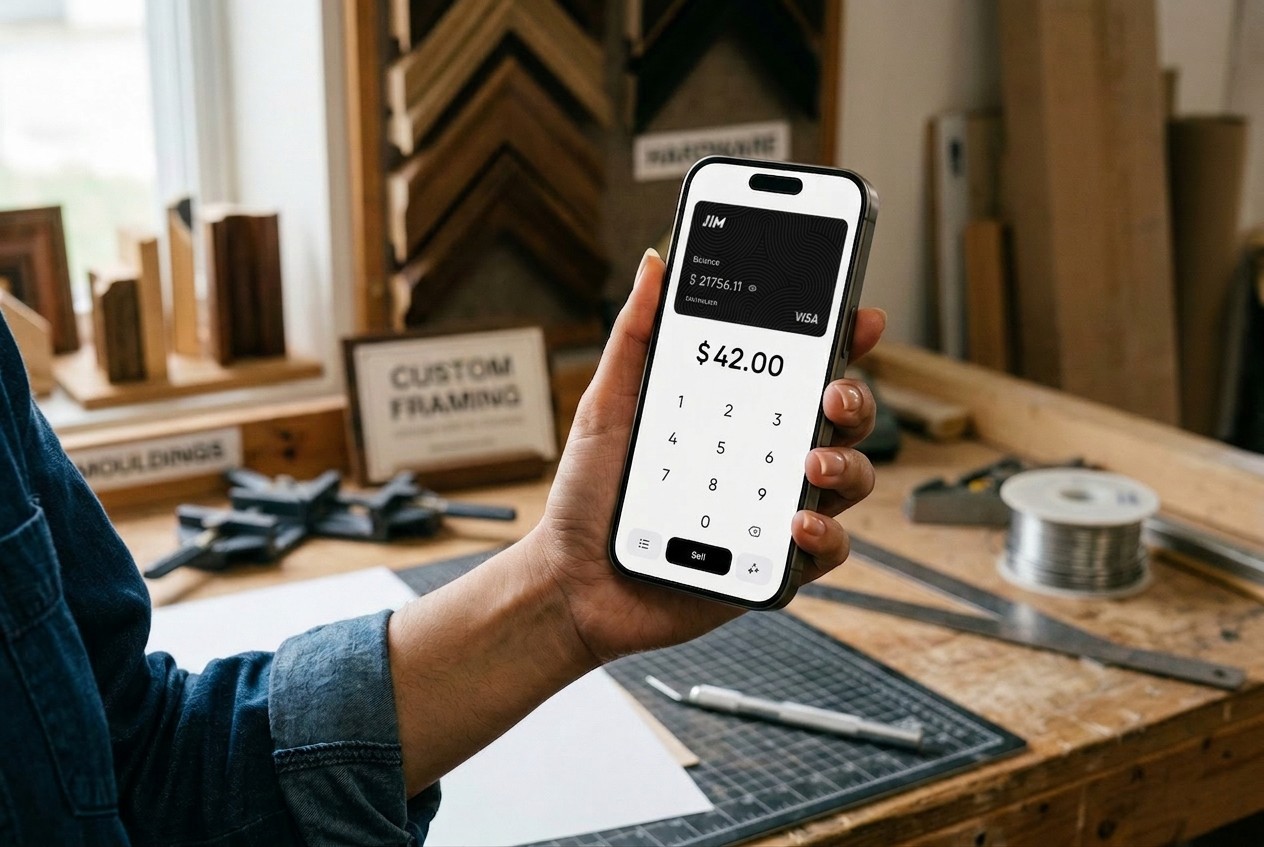
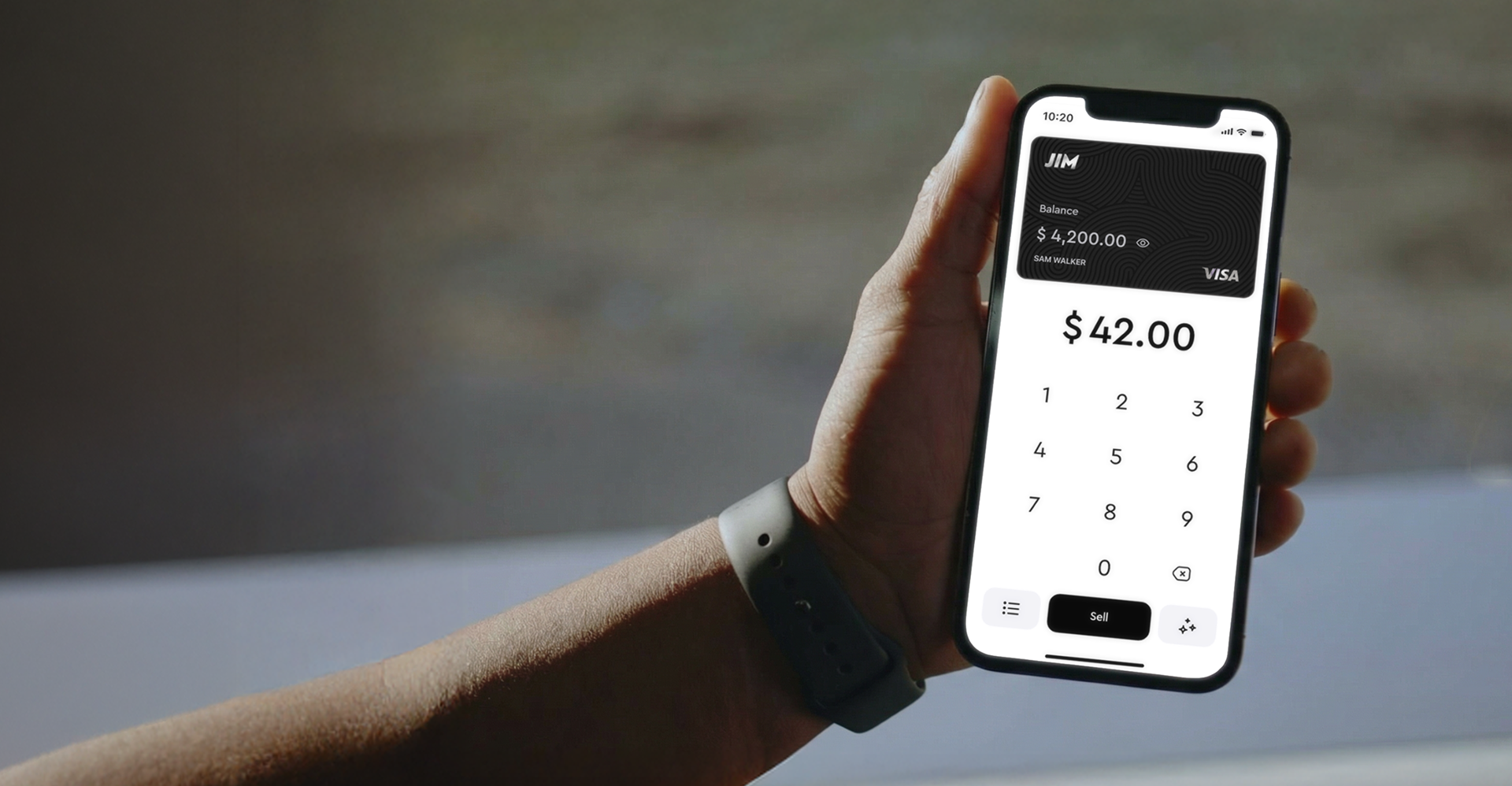
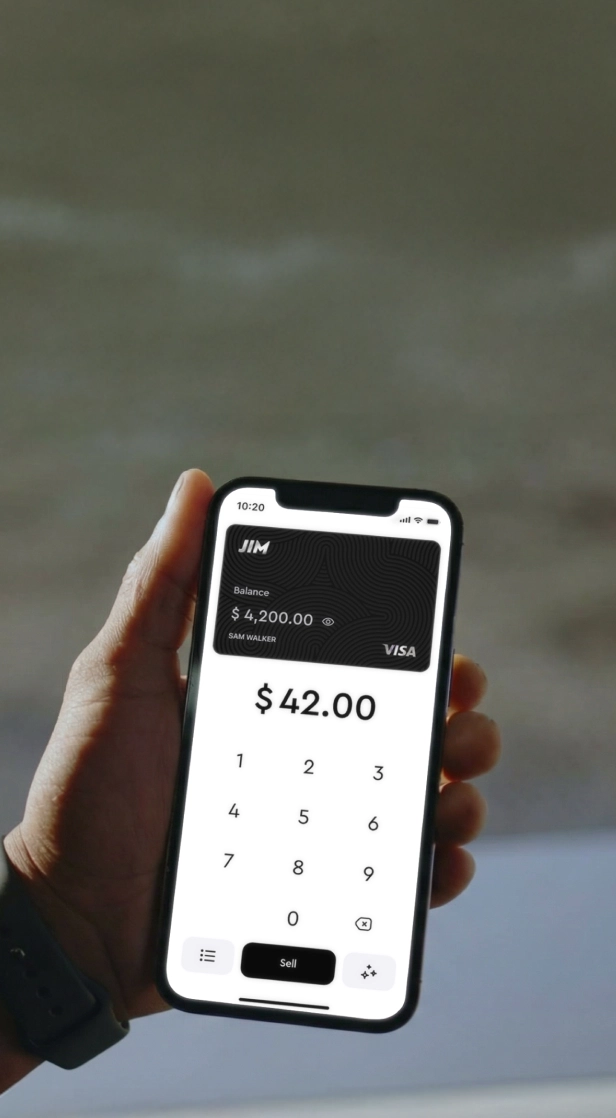
Many fintech providers offer resources like webinar sessions and white paper guides to help you evaluate their platforms. JIM takes a different approach: your iPhone becomes the payment terminal. A flat 1.99% fee, instant payouts to your JIM Visa® Prepaid Card, and no hardware to buy or complex setup to manage.
Accept Digital Payments and Strengthen Your Cash Flow
Digital payment solutions help you accept cards, wallets, and contactless payments while improving checkout speed, security, and financial tracking. The technology handles the complexity of moving money between banks and card networks so you can focus on serving customers.
Vendors and service providers who want simplicity can skip the hardware entirely with JIM. Your iPhone becomes a payment terminal. You pay a flat 1.99% per transaction with no monthly fees. Funds appear instantly on your JIM Visa® Prepaid Card.
Ready to simplify how you get paid? Download JIM and start accepting tap-to-pay transactions today.
.avif)