Event payment processing can make or break an event. Managing ticket sales, vendor payouts, and on-site transactions across disconnected systems creates operational chaos. Slow checkout lines or systems that can’t accept digital wallets cost both revenue and attendee trust.
This infrastructure moves money from attendees to organizers, covering registration fees, ticket sales, merchandise, and on-site purchases. According to McKinsey's Global Payments Report, the global payments industry generates $2.5 trillion from 3.6 trillion transactions annually. For event planners, choosing the right payment solution directly affects cash flow, the checkout experience, and overall profitability.
Discover how event payment processing operates, which features are critical, and how to pick a platform that aligns with your goals.
Why Event Payment Processing Matters
Attendees expect fast, frictionless checkout whether they're buying event tickets online or tapping a credit card at a food vendor booth. Digital wallets continue to gain ground as a preferred payment method, and cash use has declined sharply. If you can't accept contactless payments, you risk slower lines, frustrated attendees, and missed sales.
The right payment system handles credit cards, debit cards, Apple Pay, Google Pay, QR code payments, and other payment methods while keeping transactions secure and PCI-compliant. For event organizers managing both online payment and in-person payments, the decision comes down to processing fees, payout speed, security, and how many payment options you can offer.
How Event Payment Processing Works
Whether attendees pay online during event registration or tap their card on-site, the payment follows a similar flow. Knowing how this process works helps you troubleshoot issues and choose providers that match your speed and security requirements.
- Attendee initiates payment: The customer enters card details at checkout or taps their device at a point of sale terminal.
- Payment gateway encrypts and routes data: The gateway secures sensitive information and sends the transaction to the payment processor.
- Card network contacts issuing bank: Visa, Mastercard, or another network verifies available funds and checks for fraud indicators.
- Authorization returned: The issuing bank approves or declines the transaction, typically in seconds.
- Funds settle to merchant account: Approved payments move to your bank account, with timing ranging from instant to 3 business days depending on your provider.
The entire authorization happens in real-time. Settlement timing varies considerably between providers, which directly affects your cash flow.
How Long Does a Payment Stay in Processing?
Settlement timing matters for event organizers who need quick access to revenue for vendor payments, venue deposits, or post-event expenses. Traditional payment processors typically settle funds in 1 to 3 business days. Some platforms hold funds longer, especially for new merchant accounts or high-volume events.
Platforms with instant payouts, like JIM, make funds available in seconds rather than days. If same-day access impacts your event management operations, prioritize providers that advertise instant or same-day settlement. Also check whether your pricing structure includes faster payouts or if instant access requires an additional fee, especially important when processing high volumes of event tickets.
What to Look For in Event Payment Platforms
Not all platforms serve the same use cases. Online ticketing platforms differ from mobile POS solutions designed for on-site sales. Before committing, compare features that matter most for your event type.
The table below shows key differences between platform categories:
Multi-currency support matters for international events, and secure payment processing with PCI compliance is non-negotiable. Consider whether you need integrated ticketing features, standalone payment acceptance, or both. Some event organizers use ticketing platforms for advance sales and separate mobile solutions for on-site transactions and add-ons.
Key Features to Prioritize
Beyond basic payment acceptance, certain features separate adequate platforms from excellent ones. The right combination of payment tools can streamline operations and improve the payment experience for both organizers and attendees.
- Multiple payment methods: Credit cards, debit cards, digital wallets, and contactless options keep checkout hassle-free. Attendees expect payment options, not limitations.
- Real-time reporting: Track ticket sales and transaction fees as they happen through dashboards that update instantly. This lets you adjust staffing, inventory, or pricing mid-event.
- Automated reconciliation: Matching payments to registrations manually wastes hours. End-to-end platforms that sync transactions automatically save time and reduce errors.
- Flexible refund handling: Event cancellations and attendee no-shows happen. Easy refund workflows protect your reputation and reduce chargeback disputes.
- Security and PCI compliance: Encryption, tokenization, and PCI-compliant infrastructure protect attendee card data from breaches.
- API integration: For larger events or ecommerce operations, API access allows custom integrations with existing registration systems, CRM tools, or accounting software.
Prioritize features based on your event type. A festival vendor booth has different needs than a conference registration desk handling virtual events and in-person attendance simultaneously.
Accepting Payments at In-Person Events
Not every event sale happens online. Food vendors, merchandise tables, and registration desks need fast, reliable in-person payment acceptance that doesn't require complex setup or expensive hardware.
Consider a pop-up market vendor who sells handmade goods at weekend events. They don't need a full ticketing platform with recurring billing and fundraising features. They need a way to accept card payments without buying a dedicated terminal or signing a long-term merchant account contract.
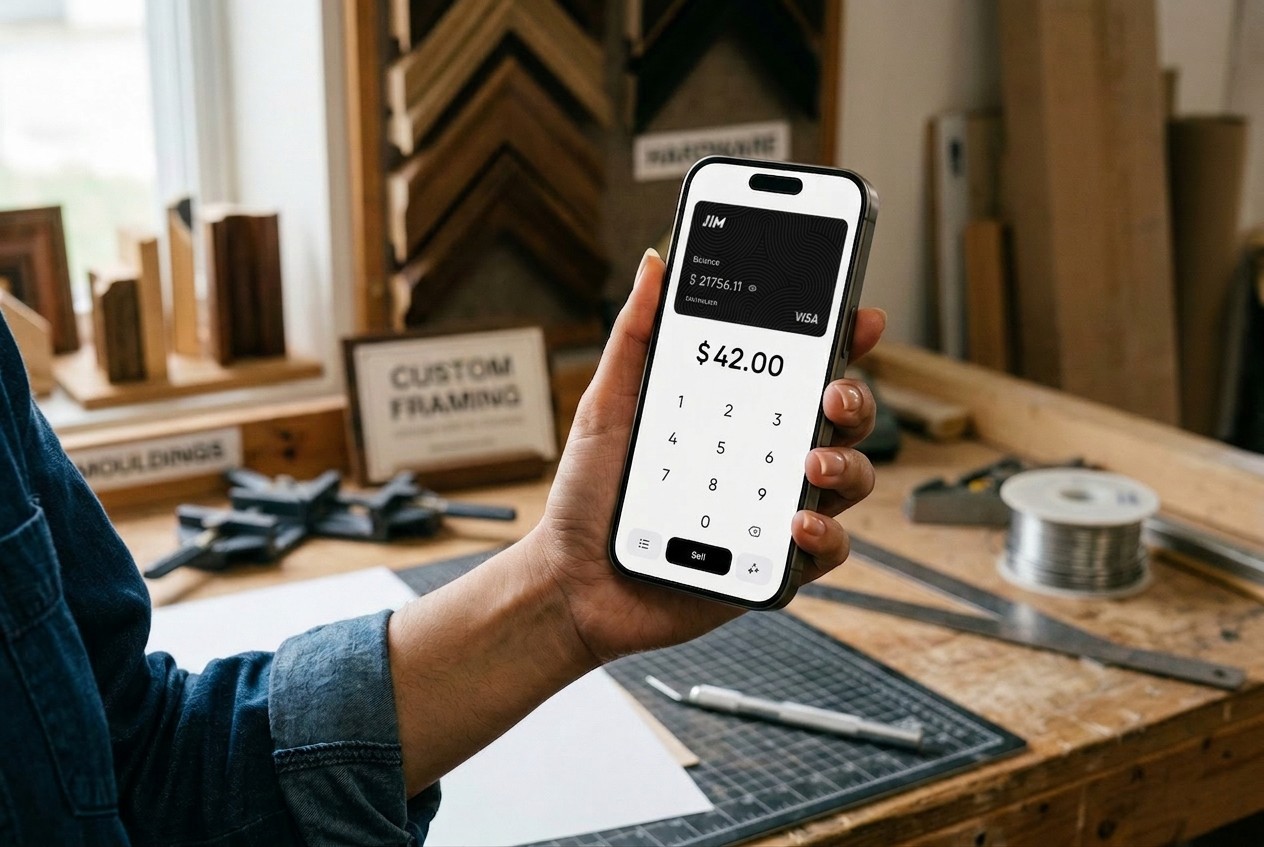
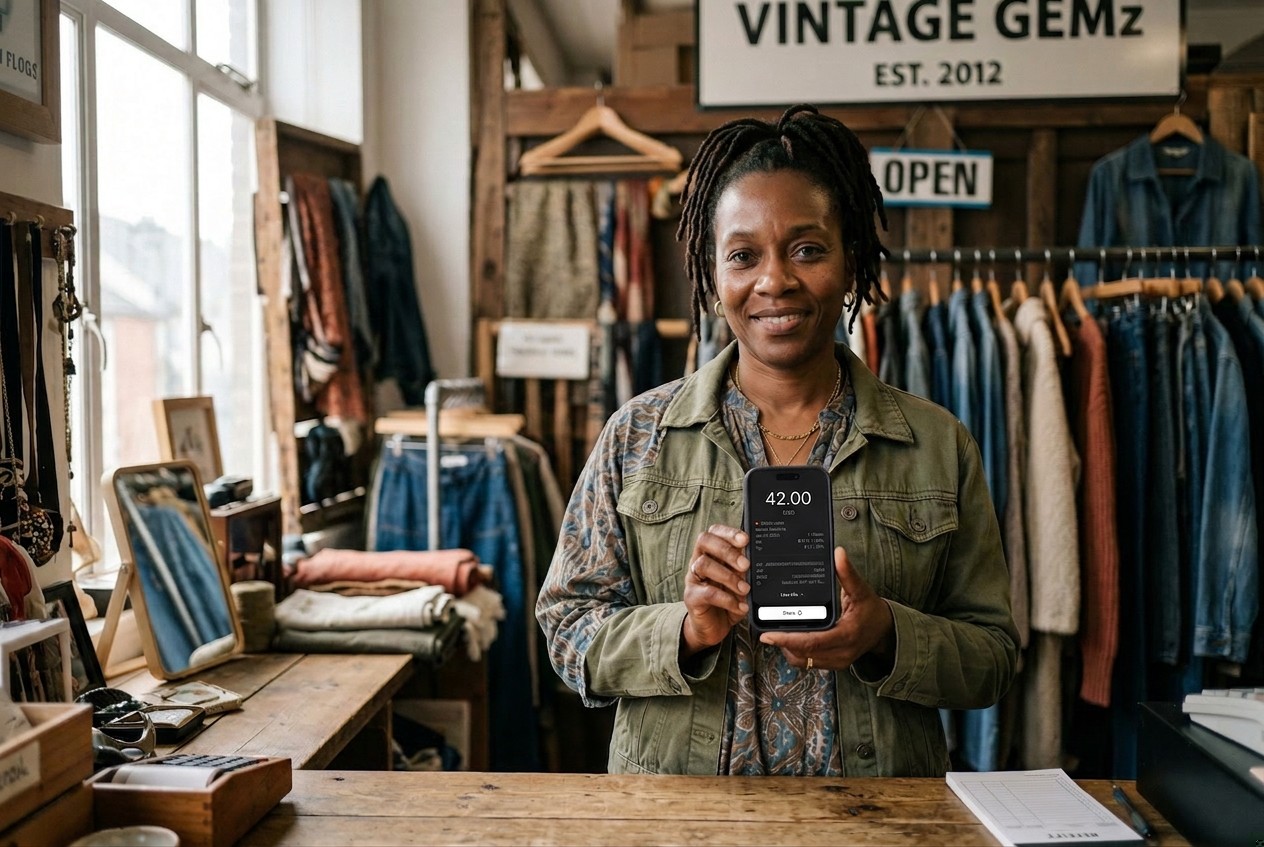
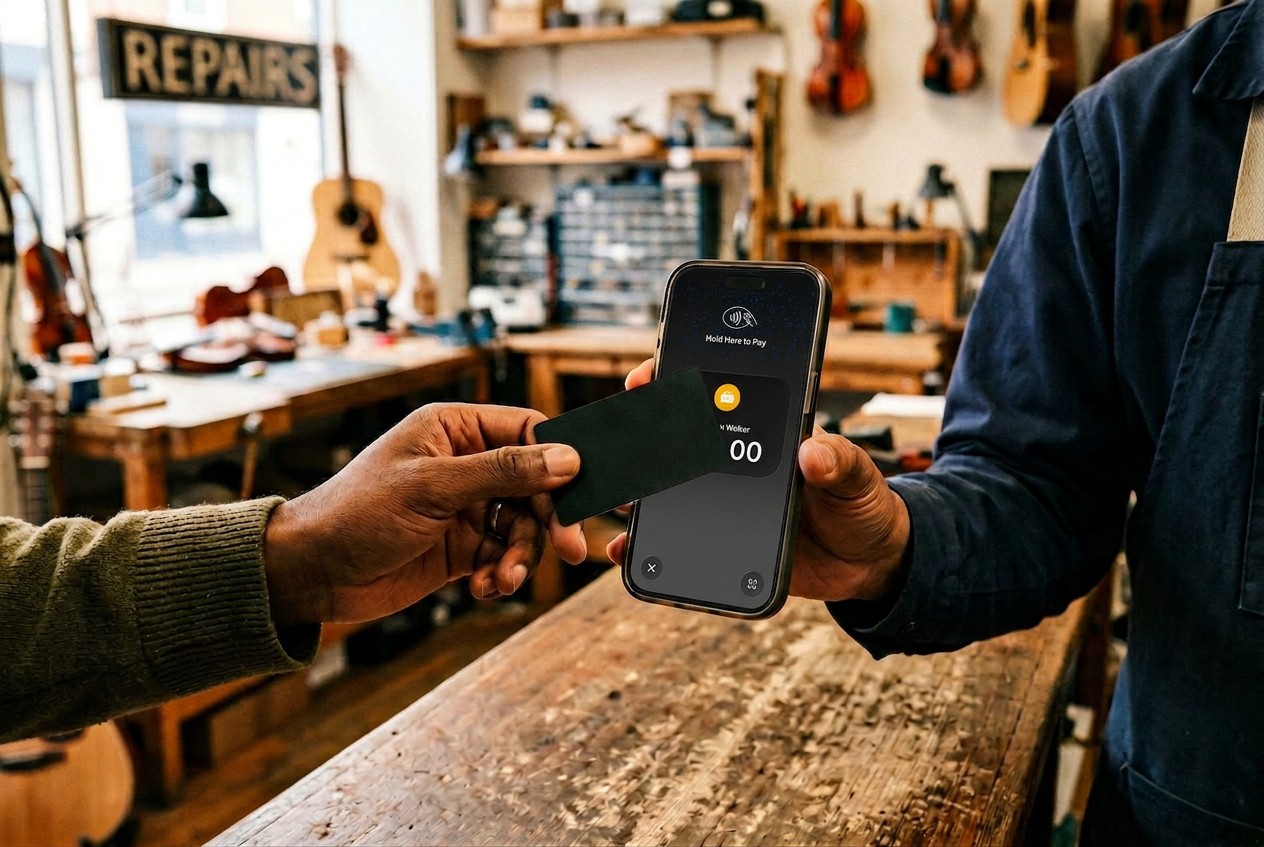
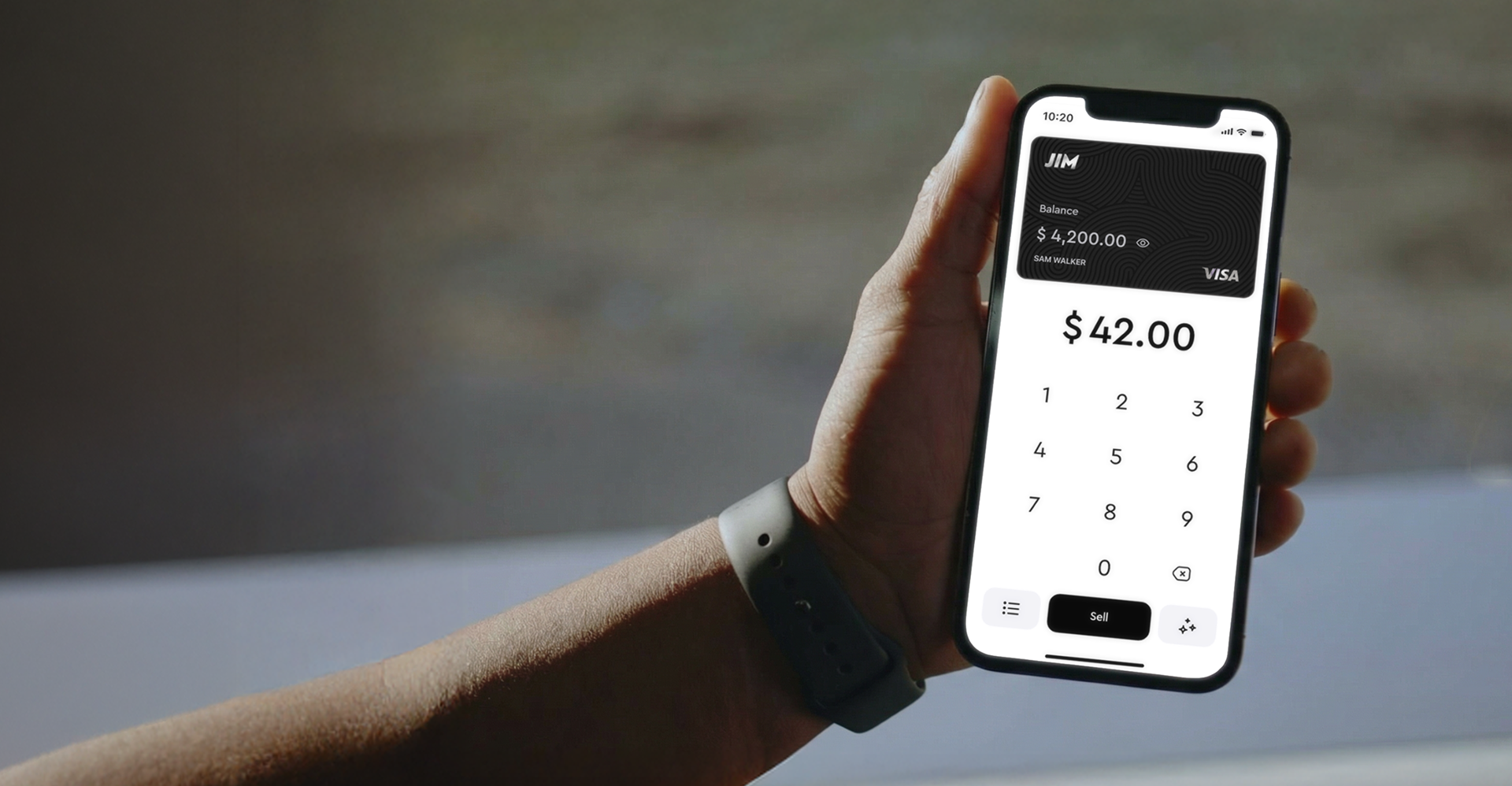
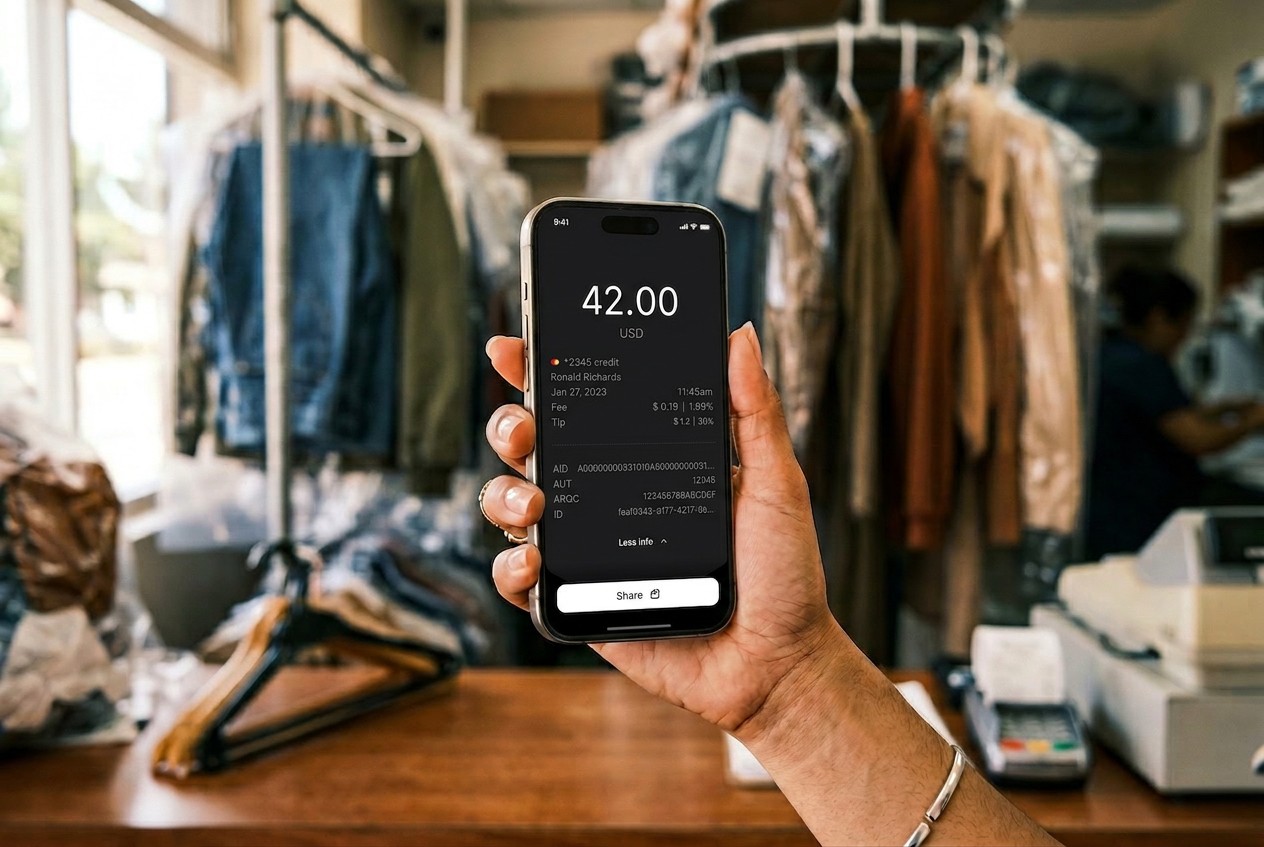
JIM fits this scenario well. Your iPhone becomes a contactless payment terminal with no additional hardware. The flat 1.99% transaction fee keeps pricing predictable, and instant payouts mean you can access funds immediately rather than waiting several business days. For food truck operators, market vendors, and mobile event businesses, this approach removes friction from the payment experience entirely.
Start Accepting Event Payments Today
Event payment processing touches every revenue stream, from ticket sales and event registration to merchandise and on-site purchases. The right platform reduces friction, speeds up checkout lines, and gets money into your bank account faster.
Want hassle-free in-person event payments? JIM turns your iPhone into a secure payment terminal. There’s no merchant account to set up, no card reader to buy, and funds are available instantly.
Ready to start accepting event payments? Download JIM and start accepting contactless payments in minutes.
.avif)