When a customer pulls out their phone ready to tap and go, you need the right equipment to capture that sale. An NFC payment terminal lets your business accept tap-to-pay transactions from contactless cards, smartphones, and digital wallets.
According to recent Mastercard data, 70% of in-person transactions are now contactless. Small businesses have more NFC terminal options than ever, from traditional countertop devices to smartphone-based solutions requiring no additional hardware.
Read on to learn how NFC payments work, compare terminal options, and discover how to accept contactless payments directly from your iPhone.
What Is an NFC Terminal?
NFC payment terminals use near-field communication (NFC) to process transactions when customers tap their credit card, phone, or wearable device within 1 to 2 inches of the reader. The NFC-enabled antenna picks up encrypted payment data via short-range radio waves.
Traditional terminals come as countertop devices with built-in PIN pad functionality or portable wireless units. Many retailers use Ingenico and similar EMV-certified devices with touchscreen interfaces and barcode scanners.
Smartphone-based payment solutions let you accept contactless payments using your iPhone's built-in NFC chip, eliminating the need for separate hardware.
How Do NFC Payments Work?
Understanding the transaction flow helps you troubleshoot issues and explain the process to customers who are new to tap to pay. NFC payment transactions complete in under two seconds, faster than chip card insertions.
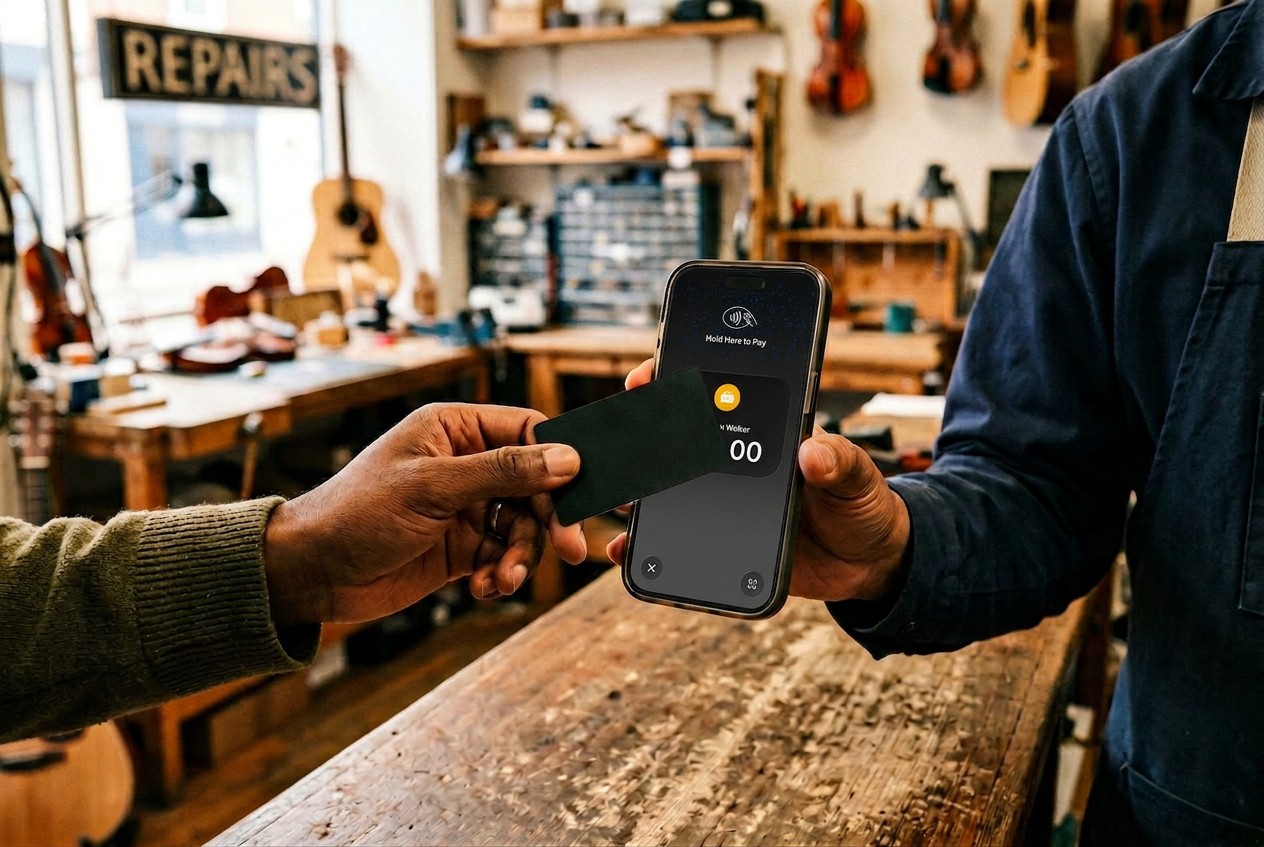
1. Customer initiates payment. The customer holds their NFC-enabled card, smartphone, or smartwatch within one to two inches of your terminal's antenna.
2. Data transmission begins. The terminal and payment device exchange encrypted information through radio waves. Tokenization replaces the actual card number with a one-time code, protecting sensitive data and enabling real-time authorization.
3. Authorization routes through the network. Your payment system sends the encrypted data to your processor, which routes it through the card network to the customer's issuing bank for approval.
4. Transaction completes. The terminal displays approval, and funds are processed according to your settlement schedule. With some mobile POS systems, you receive funds instantly rather than waiting one to three business days.
NFC Payment Terminal Options: Quick Comparison
Before investing in hardware, examine the main approaches to accepting contactless payments. Your choice depends on transaction volume, mobility needs, and budget constraints.
Each approach serves different scenarios. Traditional terminals suit established retail stores with dedicated checkout counters. Mobile card readers work for businesses that need occasional portability. Smartphone-based tap to pay offers the most flexibility for mobile businesses, pop-up shops, and service providers who meet customers at various locations. Your choice determines both upfront costs and long-term processing expenses, making this comparison essential before selecting your payment device.
NFC Payment Terminals: An In-Depth Look
Traditional NFC Payment Terminals
Dedicated payment devices remain popular among retailers with high transaction volumes and fixed checkout locations. These credit card terminals connect via wifi or Ethernet and often integrate with existing point of sale systems and POS systems that manage inventory and reporting.
Countertop Terminals
Fixed countertop units handle all payment methods: magstripe swipes, EMV chip cards, contactless cards, and digital wallets. Most include receipt printers, pinpad entry, and touchscreens. Basic credit card machines cost $200 to $500, while devices with inventory management run $600 or more. Ingenico and similar manufacturers offer EMV-certified hardware meeting PCI security standards.
Portable Wireless Terminals
Battery-powered portable terminals accept payments via wifi, cellular, or Bluetooth connectivity. Retailers use them tableside or throughout stores. Expect $300 to $800 pricing. They work well for service businesses and event vendors.
Both options typically require merchant accounts, monthly fees, and PCI compliance. Many providers lock you into contracts with early termination penalties.
Mobile NFC Solutions
Alternatives to traditional terminals range from compact Bluetooth card readers to smartphone-based solutions requiring no hardware.
NFC Credit Card Readers
Compact card reader devices connect to your smartphone via Bluetooth. Download the app, pair the reader, and process payments. Hardware costs $50 to $100, with fees around 2.6% to 2.9% plus per-transaction charges. While portable, you still need separate equipment to maintain.
Tap to Pay on Smartphone
Your smartphone’s built-in NFC chip can handle payment acceptance directly, eliminating the need for external hardware entirely. This approach transforms your phone into a complete mobile POS system with real-time transaction processing and instant fund settlement.
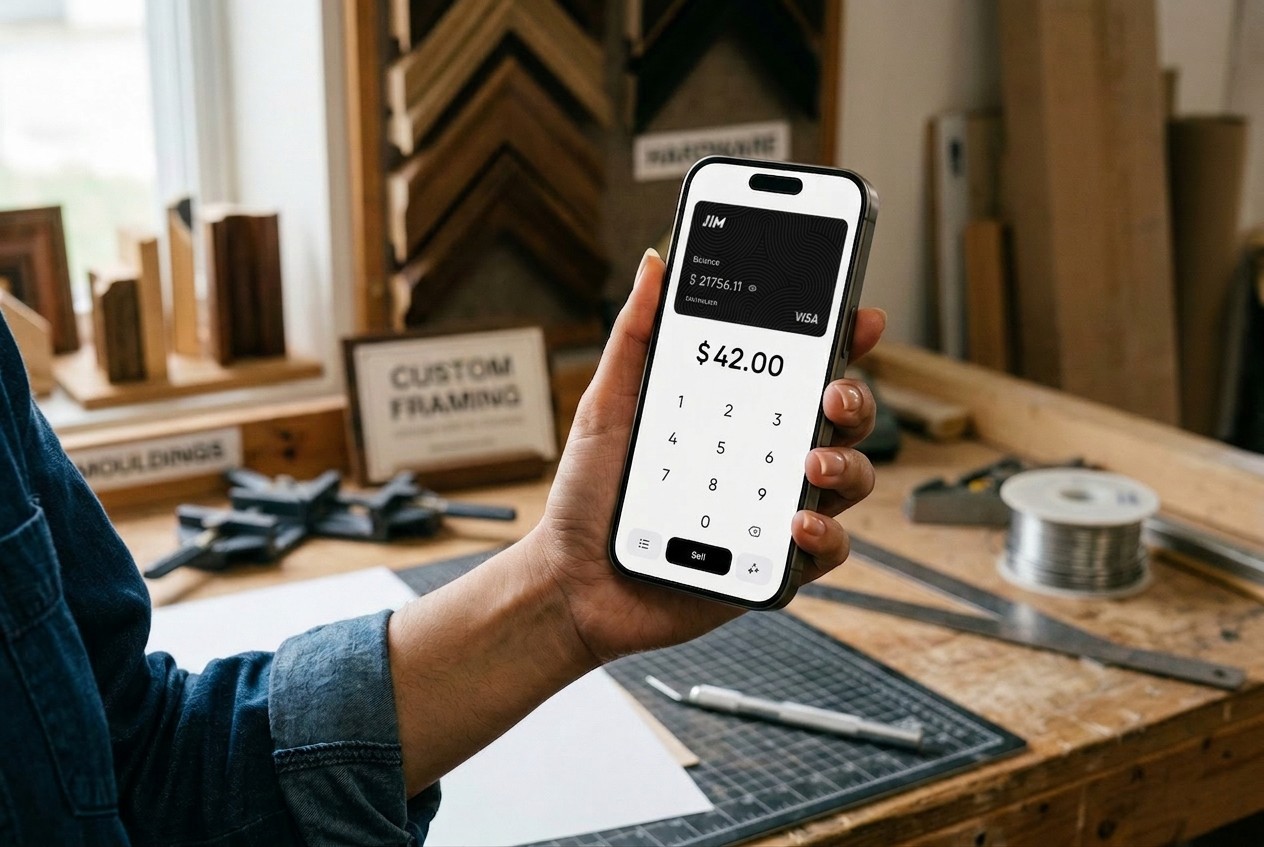
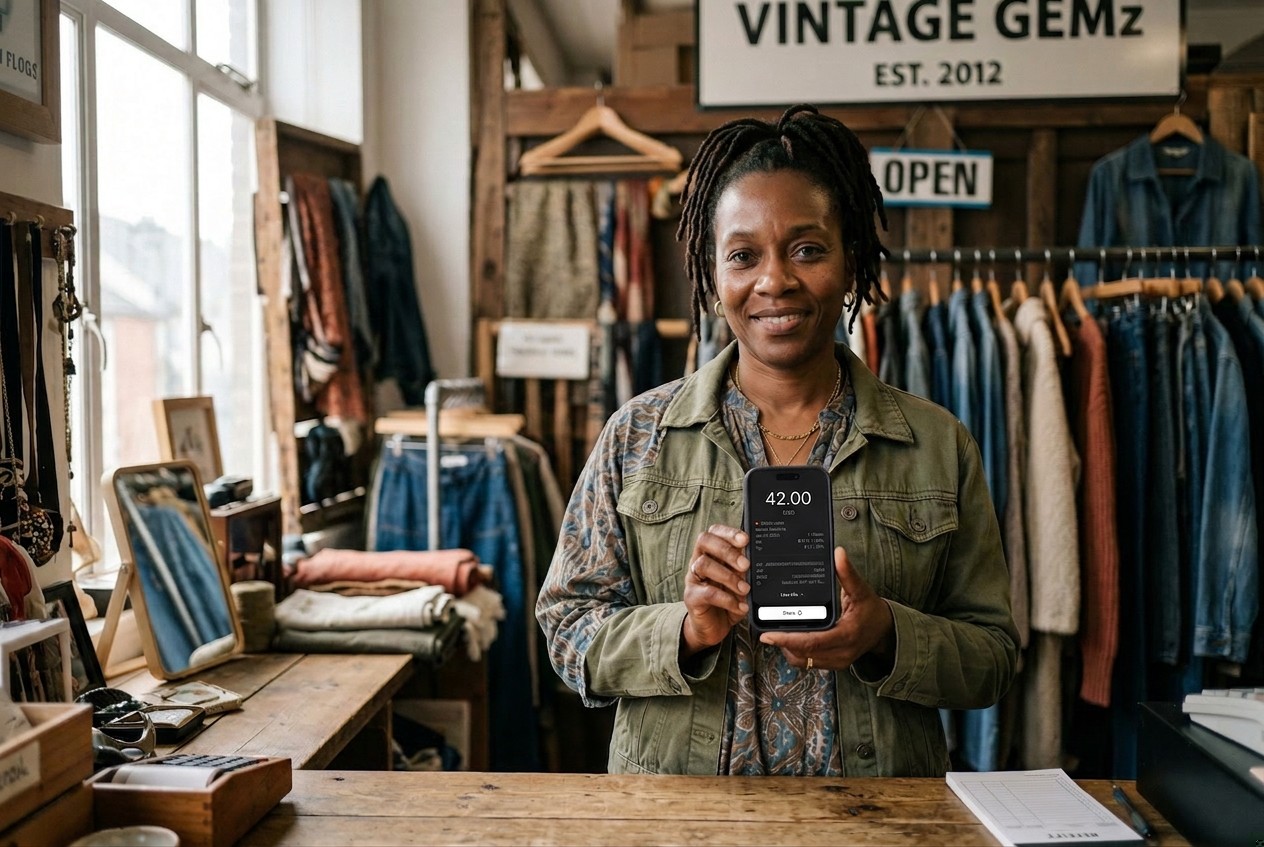
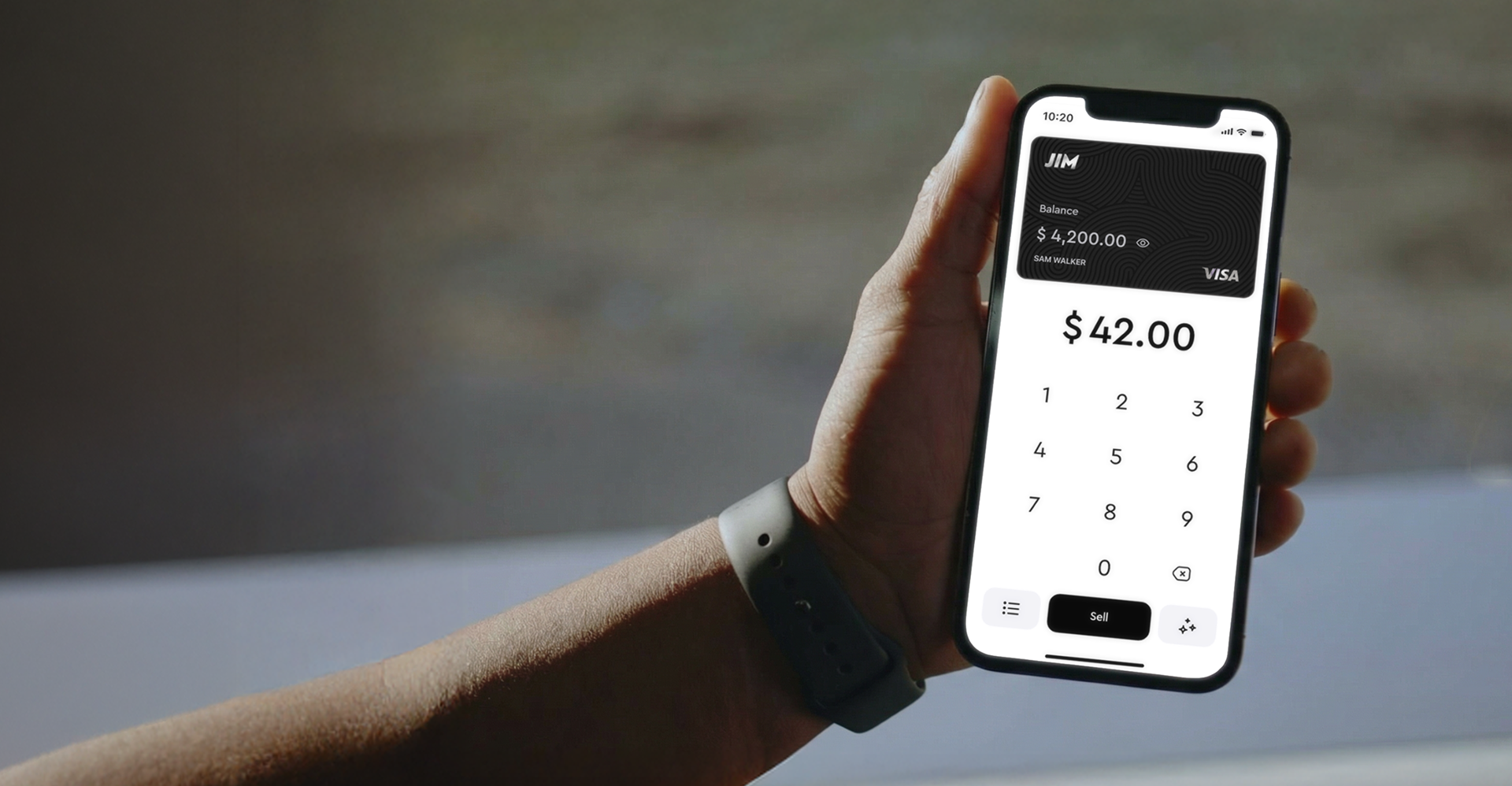
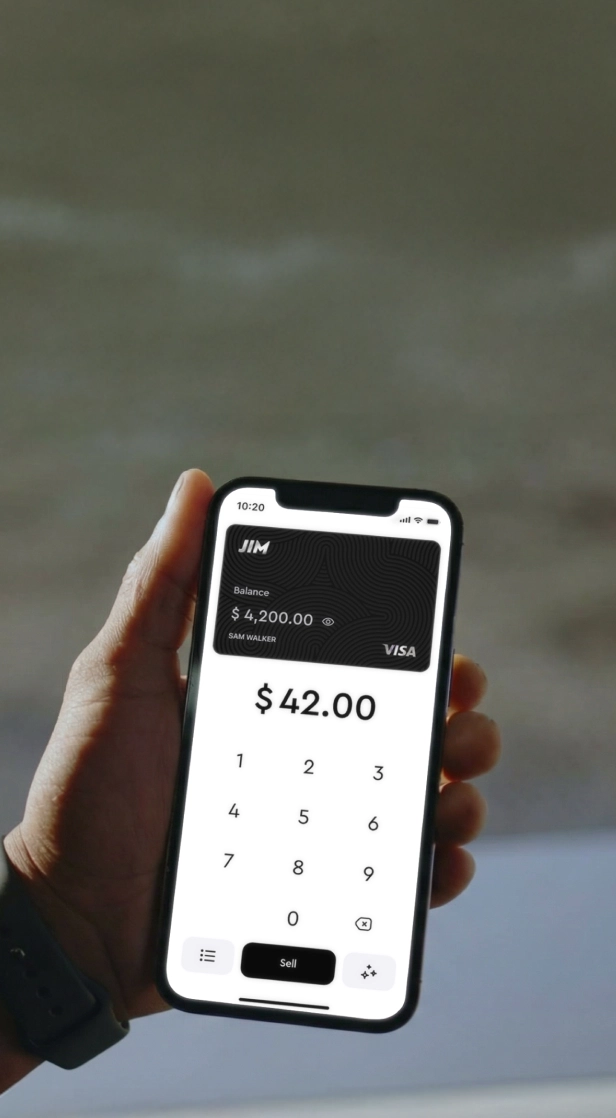
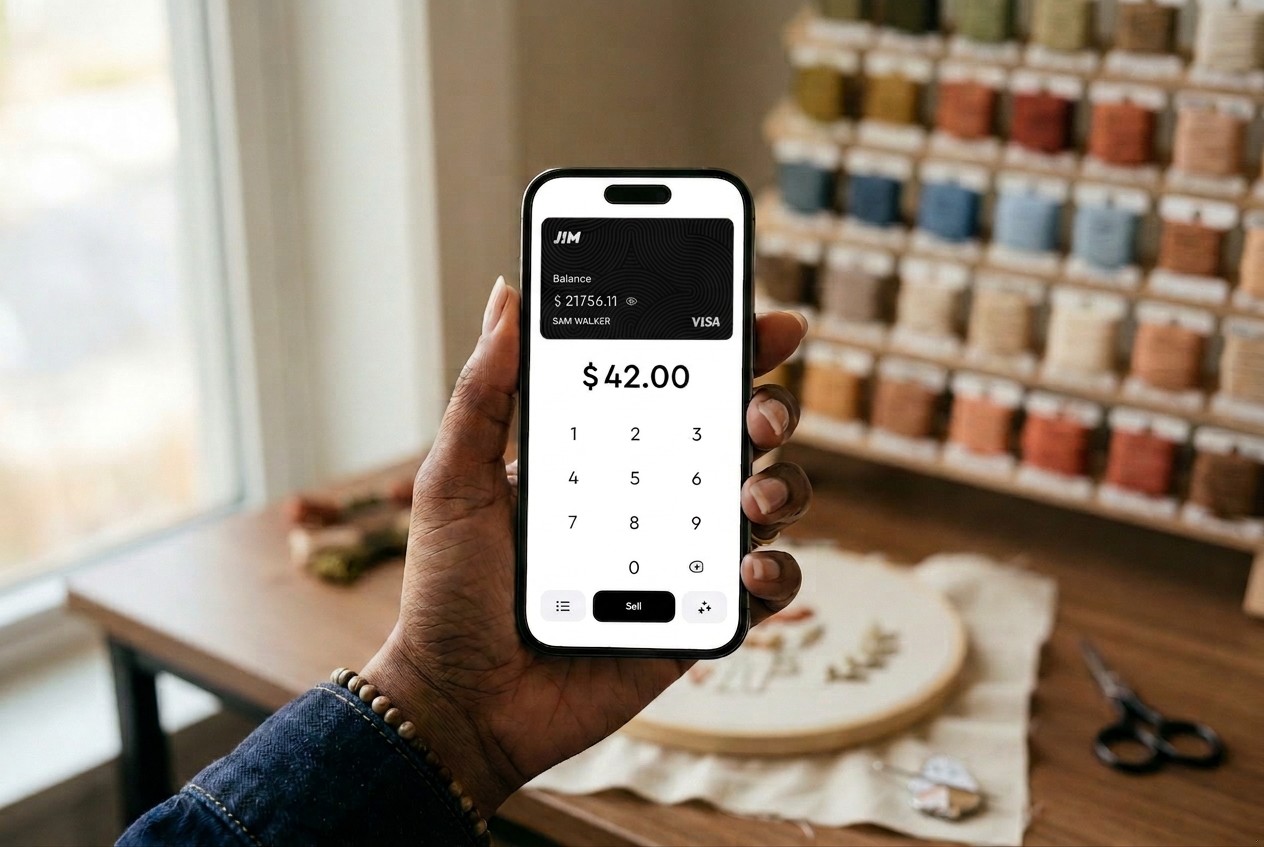
For iPhone users, JIM is a strong option to consider. It lets you accept contactless cards, Apple Pay, Google Pay, and Samsung Pay. Funds are available instantly on your JIM Visa® Prepaid Card, with no hardware, monthly fees, or complicated setup required. It’s a practical option for mobile businesses, contractors, and service providers who need a simple, flexible way to get paid.
NFC Terminal Costs Breakdown
The true cost of accepting card payments extends beyond hardware pricing. Understanding each expense category helps you compare payment options and calculate real impact on margins.
- Hardware: Ranges from $0 (smartphone) to $800 for all-in-one terminals with security features, barcode scanners, and inventory management functionality.
- Transaction fees: Traditional credit card machines charge 2.5% to 3.5% plus $0.10 to $0.30 per transaction. Mobile readers charge 2.6% to 2.9% plus fees. JIM charges a flat 1.99% with no per-transaction costs.
- Monthly fees: Traditional processors charge $10 to $50 monthly for PCI compliance and loyalty programs. JIM has no monthly fees.
- Settlement: Most payment systems hold funds one to three business days. JIM provides instant access on your JIM Visa® Prepaid Card.
The global contactless payment market reached $56.11 billion in 2025, projected to grow substantially through 2035. This expansion drives customer satisfaction expectations for fast mobile payments at retail stores and small businesses alike.
Which Phones Support NFC Payments?
Compatibility varies depending on whether you're accepting payments as a merchant or making payments as a customer. Understanding both sides helps you serve more customers and choose the right payment device for your business.
- For accepting payments: iPhones with iOS 16 or later support Tap to Pay. Android devices vary by processor availability. Square Terminal offers Android-based hardware as one payment option.
- For making payments: Most smartphones since 2015 include NFC. iPhone 6 and later support Apple Pay. Samsung Galaxy S6 and newer devices work with Samsung Pay and mobile wallets. Google Pixel and mid-range android phones support Google Pay.
When you accept NFC payments, you automatically accept all major digital wallets your customers might use.
Accept Tap to Pay Without Buying Equipment
NFC payment terminals have evolved from expensive countertop hardware to apps running on your smartphone. The market has shifted toward mobile solutions, eliminating dedicated credit card terminals. For small businesses prioritizing simplicity and instant fund access, smartphone-based options eliminate hardware costs and settlement delays.
Your phone becomes the payment device itself, processing NFC transactions through secure tokenization. No special equipment, no maintenance.
Ready to accept contactless payments without purchasing equipment? Download JIM and turn your iPhone into an NFC payment terminal without the extra hassle.
.avif)