You're at a weekend market, and a customer is ready to buy. They pull out their phone, expecting to tap and pay. But your checkout app crashes, or worse, you don't have a way to accept their preferred payment method.
The global digital payments market will reach $32.07 trillion by 2033, growing at a 13.59% CAGR. Customers increasingly expect fast, friction-free checkout experiences, whether they're shopping online, at a pop-up, or in a brick-and-mortar store.
Choosing the right online payment platform affects your processing fees, cash flow, and the overall payment experience you offer customers. This guide covers what these platforms do, how they differ, and how to pick one that fits your business.
What Is an Online Payment Platform?
An online payment platform is software or a service that enables businesses to accept electronic payments from customers. These platforms handle the complex process of moving money securely from a buyer's account to yours, whether the transaction happens on a website, through a mobile app, or at a physical location.
The terminology can get confusing. The gateway securely transmits payment data...while the processor handles the broader back-end movement. Many modern platforms bundle both functions into a single solution, along with additional tools for invoicing, reporting, and fraud prevention. The best platforms also help you streamline daily workflows, automate recurring payments, and track everything through a central dashboard.
Here are the key components that make up a payment platform:
- Payment gateway: Captures and encrypts card data during checkout (learn more about what is a POS)
- Payment processor: Routes transactions between banks and card networks
- Merchant account: Holds funds before they transfer to your bank account
- Checkout interface: The customer-facing form or terminal where payments happen
Knowing these pieces helps you evaluate whether an all-in-one solution or a custom setup makes more sense for your business.
Types of Online Payment Platforms
Payment platforms have evolved to serve different business models. Some focus on ecommerce, others on in-person sales, and many try to cover both. The right choice depends on where and how you sell.
All-in-One Platforms
All-in-one platforms bundle payment processing, point-of-sale tools, and business management features into a single package. They work well for small businesses that want simplicity over customization. You get invoicing, inventory tracking, and reporting alongside payment acceptance, though you may sacrifice flexibility for convenience.
Ecommerce-Focused Platforms
These platforms are built for online stores, offering robust checkout experiences, subscription billing, and seamless integration with shopping carts. They typically provide developer tools for custom storefronts and handle recurring payments well. If your primary sales channel is a website or app, ecommerce-focused processors offer the deepest feature sets.
Mobile-First Platforms
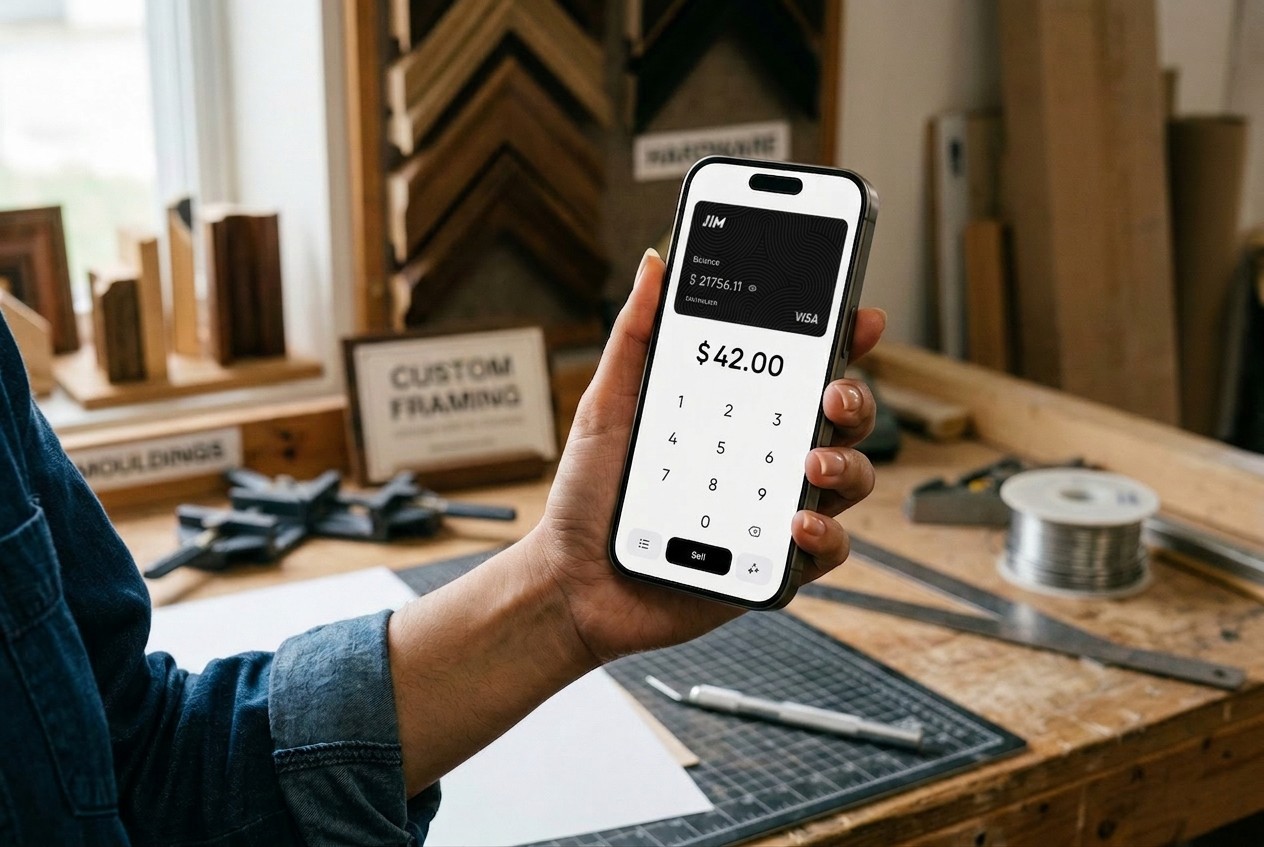
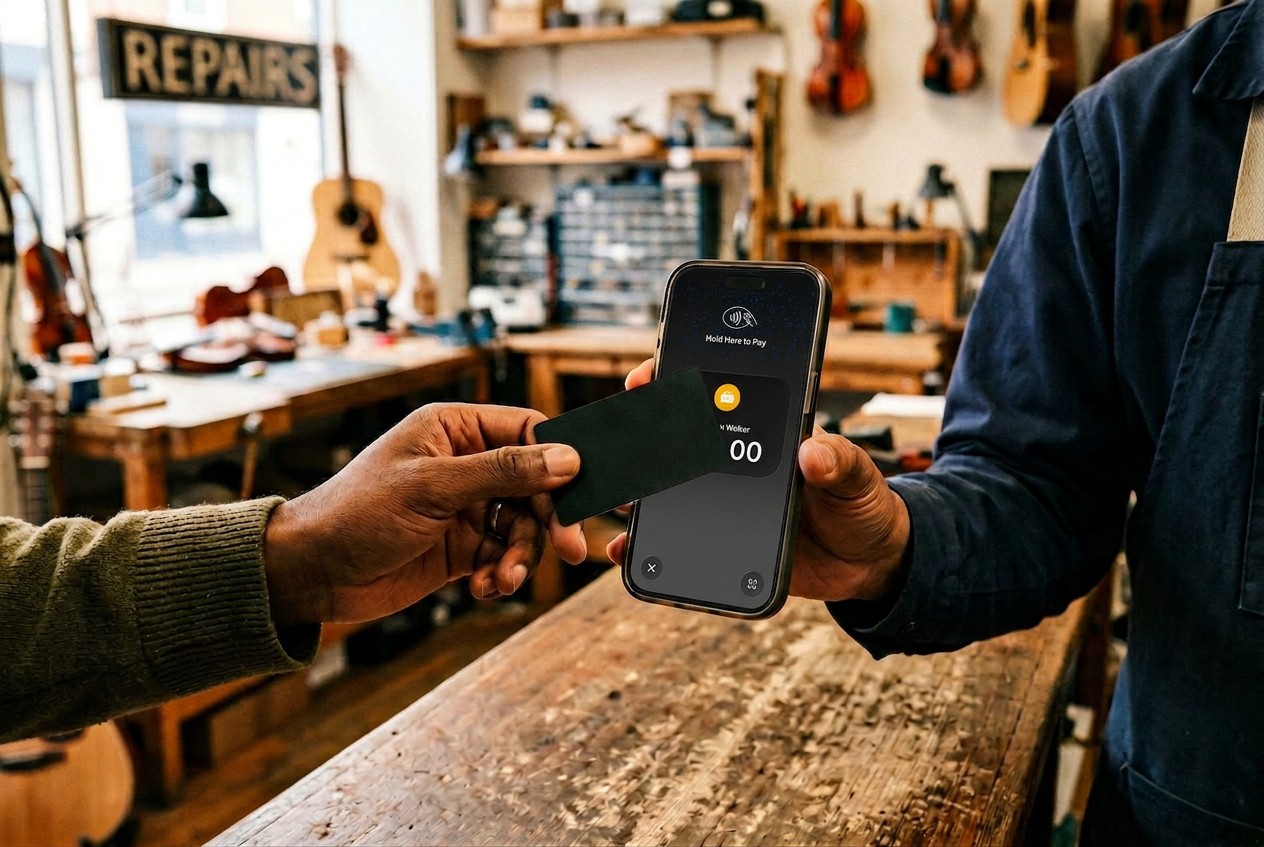
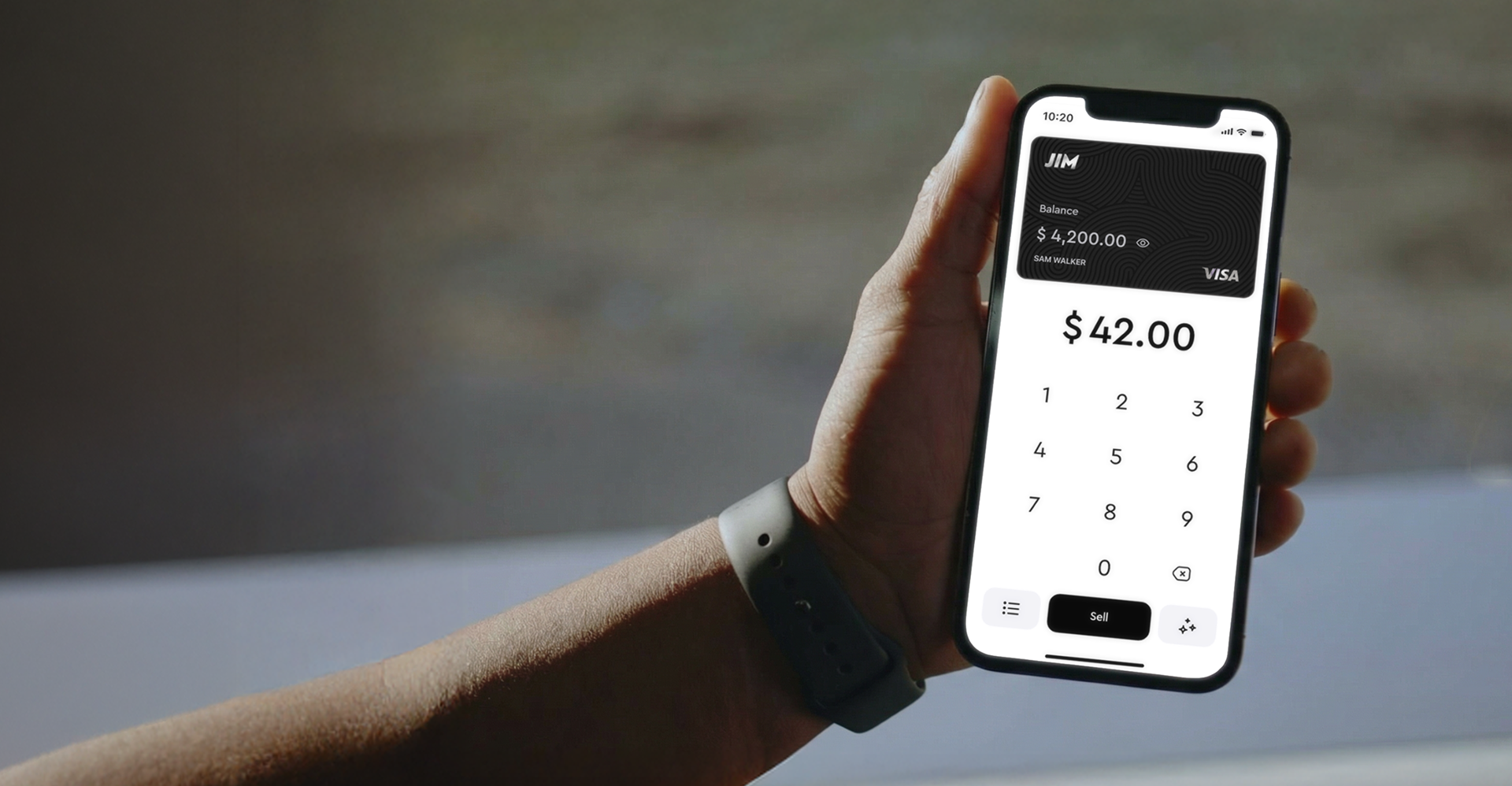
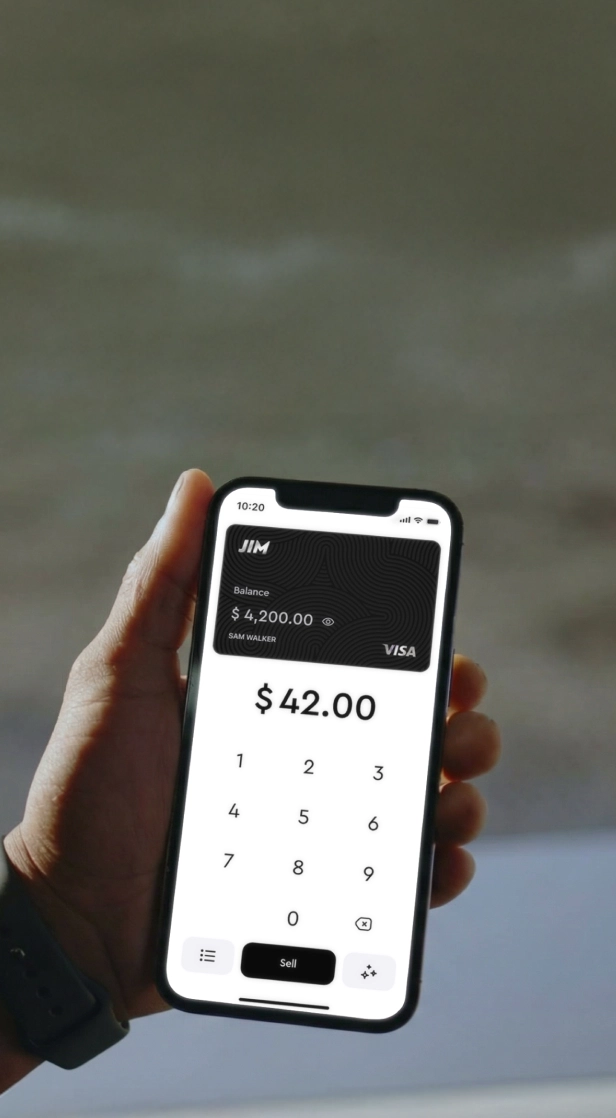
Mobile-first platforms turn smartphones into payment terminals, eliminating the need for dedicated hardware. They prioritize portability and speed for vendors, service providers, and businesses that operate on the go. JIM falls into this category, transforming your iPhone into a contactless terminal with instant fund access.
Enterprise and API-Driven Platforms
Enterprise platforms offer extensive APIs for businesses that need custom payment flows or complex integrations. They require developer resources but provide maximum control over checkout experiences, fraud rules, and multi-currency support. These solutions suit companies with unique requirements or high transaction volumes.
Payment Methods to Consider
Beyond platform type, consider what payment methods your customers prefer and where transactions happen. Whether you're processing in-store purchases, online orders, or mobile sales, platform capabilities vary widely. Some platforms specialize in recurring payments and subscriptions, while others support installments for larger purchases. Modern platforms typically accept credit and debit cards (Visa, Mastercard, American Express), digital wallets (Apple Pay, Google Pay, Samsung Pay), bank transfers, and buy-now-pay-later options like Klarna.
Is Online Payment Safe?
Security concerns keep some business owners from accepting digital payments, but reputable platforms have made electronic transactions safer than cash in many respects. The key is choosing a provider that takes compliance seriously.
According to the PCI Security Standards Council, all merchants accepting card payments must meet PCI DSS requirements. These standards govern how payment data is collected, transmitted, and stored. The good news: most modern payment platforms handle compliance for you, so you don't need to become a security expert.
When evaluating any online payment platform, look for these protections:
- PCI DSS compliance: The baseline standard for card payment security
- Tokenization: Card numbers are replaced with meaningless tokens, so stolen data is useless
- Encryption: Payment data is scrambled during transmission
- Fraud protection tools: Real-time monitoring flags suspicious transactions, blocks fraudulent activity, and helps optimize approval rates
JIM uses encrypted NFC technology for contactless payments, and card numbers are never stored on your device. The platform meets EMVCo standards, the same security protocols trusted by major retailers worldwide.
How to Choose the Right Online Payment Platform
With dozens of options available, narrowing down your choice requires honest assessment of how you actually do business. Start by answering these questions:
- Where do you sell? Online only, in-person only, or both? Platforms optimized for ecommerce may lack strong in-person payment options, and vice versa.
- What's your average transaction size? Flat-rate pricing benefits lower-ticket businesses, while interchange-plus models can save money on larger transactions.
- How quickly do you need funds? If cash flow is tight, waiting 2-3 days for payouts may hurt operations.
- What payment methods do your customers prefer? Some platforms limit digital wallet support or international card acceptance.
Watch for red flags that signal a problematic provider: hidden fees for chargebacks or minimum processing volumes, unclear security certifications, frequent complaints about payout delays or frozen accounts, and long-term contracts with steep early termination penalties.
Start Accepting Payments Your Way
Choosing an online payment platform comes down to four factors: fees, payout speed, security, and ease of use. The right platform makes checkout smooth for your customers and keeps more money in your pocket.
For merchants prioritizing instant fund access and mobile flexibility, JIM transforms your iPhone into a contactless payment terminal at a flat 1.99% per transaction. No hardware to buy, no settlement delays, no monthly fees. You can accept credit card payments, digital wallets, and debit cards from anywhere with just your phone.
Ready to simplify how you get paid? Download JIM and check out JIM's pricing to start accepting payments today.
.avif)