Choosing a point of sale system affects every transaction and daily workflow. When comparing Toast vs Clover, the decision shapes how you manage sales, track inventory, and process payments.
The right choice depends on your business type, hardware requirements, and monthly transaction volume. Toast built its platform for businesses with specialized operational workflows, while Clover serves retail stores, service providers, and various business types through flexible hardware options and POS software plans.
Here you'll find an in-depth look at the pricing, features, and hardware for each system, so you can match each platform to your specific needs and find the best POS system for your operation.
What is Toast?

Toast is a point of sale platform founded in 2012 and headquartered in Boston, Massachusetts. The company went public in 2021 (NYSE: TOST) and now powers approximately 120,000 U.S. businesses. Toast built its system specifically for a narrow set of specialized operations, with tools designed around sector-specific workflows and staff compensation management. The Toast POS platform runs on proprietary Android-based hardware that works exclusively with Toast's payment processing, creating an all-in-one but locked-in ecosystem.
Important consideration: Toast's feature set targets a specific business segment. Retail stores, professional services, and mobile vendors will find limited value in Toast's specialized tools. If you operate outside the hospitality sector, Clover or alternative solutions likely serve your needs better.
What is Clover?

Clover is a multi-industry POS system owned by Fiserv, one of the largest payment processors in the United States. Originally launched in 2012, Clover serves retail stores, professional services, and field service businesses through a range of hardware options and flexible software plans. Unlike Toast's narrow industry, Clover positions itself as an adaptable solution for various business types.
The key differentiator is processor flexibility: while Clover hardware is proprietary, it can work with multiple payment processors beyond Fiserv, giving business owners more options if they decide to switch providers down the line. Whether you run a single-location shop or manage multiple storefronts, Clover offers plans that scale with your growth.
Toast vs Clover: Quick Comparison
Here's how Toast POS and Clover compare at a glance. This overview helps you quickly assess which solution fits your business type and transaction volume.
Toast's free tier carries higher processing fees (3.09% to 3.69%), making Clover more cost-effective for high-volume retail operations. According to the Federal Reserve's 2025 Diary of Consumer Payment Choice, credit cards remain a dominant payment method, so processing rates directly impact your margins.
Feature Breakdown
Beyond pricing, you need to know what each system actually does day-to-day. Toast and Clover take different approaches to business features, and those differences matter for your workflow and customer satisfaction.
Here's what you get with each platform across the features that matter most for retail and service operations.
Key Differences
Here's where each platform shows its strengths. Toast prioritizes hospitality-specific depth, while Clover emphasizes flexibility and cross-industry versatility.
Toast's limitation for target-segment businesses: The platform's functionality centers on sector-specific workflows and compensation tools. Retail stores gain little value from these tools, and the locked ecosystem limits flexibility. If you sell products or provide services outside Toast’s intended use case, Toast's specialized design works against you.
Clover's advantage for retail and services: Hardware flexibility means you can negotiate better processing rates or switch providers without replacing your entire point of sale system. The 300+ app integrations support specialized needs from e-commerce platforms to appointment scheduling. Retail operations benefit from Clover's barcode scanning, inventory alerts, and customer management tools. If you use Clover, you also get access to backend reporting that helps track performance across locations.
If you're planning to start a small business, Clover's multi-industry design provides versatility across retail, professional services, and field operations.
Hardware and Processing
The equipment sitting on your counter needs to survive daily use and years of transactions. Just as important: how fast you actually get paid after each sale.
Hardware Options
Both systems sell their own hardware, but they target different business needs. The difference comes down to what happens if you ever want to switch payment processors.
Toast hardware runs on Android devices designed for its target business environments. Toast offers several options, but here's the catch: once you buy Toast hardware, you're locked into using Toast for payment processing. For non-target-segment businesses, these devices offer functionality you won't use while lacking tools you need.
Toast hardware runs on Android devices designed for hospitality environments. Toast offers several options, but here's the catch: once you buy Toast hardware, you're locked into using Toast for payment processing. For non-hospitality businesses, these devices offer functionality you won't use while lacking tools you need.
Clover offers more flexibility and better retail functionality with its hardware lineup. While the devices themselves are proprietary, Clover hardware can work with other payment processors if you decide to switch. The lineup includes:
- Station Duo: Dual-screen option for customer-facing displays, ideal for retail checkout
- Clover Flex: Portable handheld designed for line busting and mobile sales
- Mini POS terminal: Compact option for smaller counter spaces
- Additional peripherals: Compatible cash drawer, barcode scanners, card readers, and receipt printers for complete retail setups
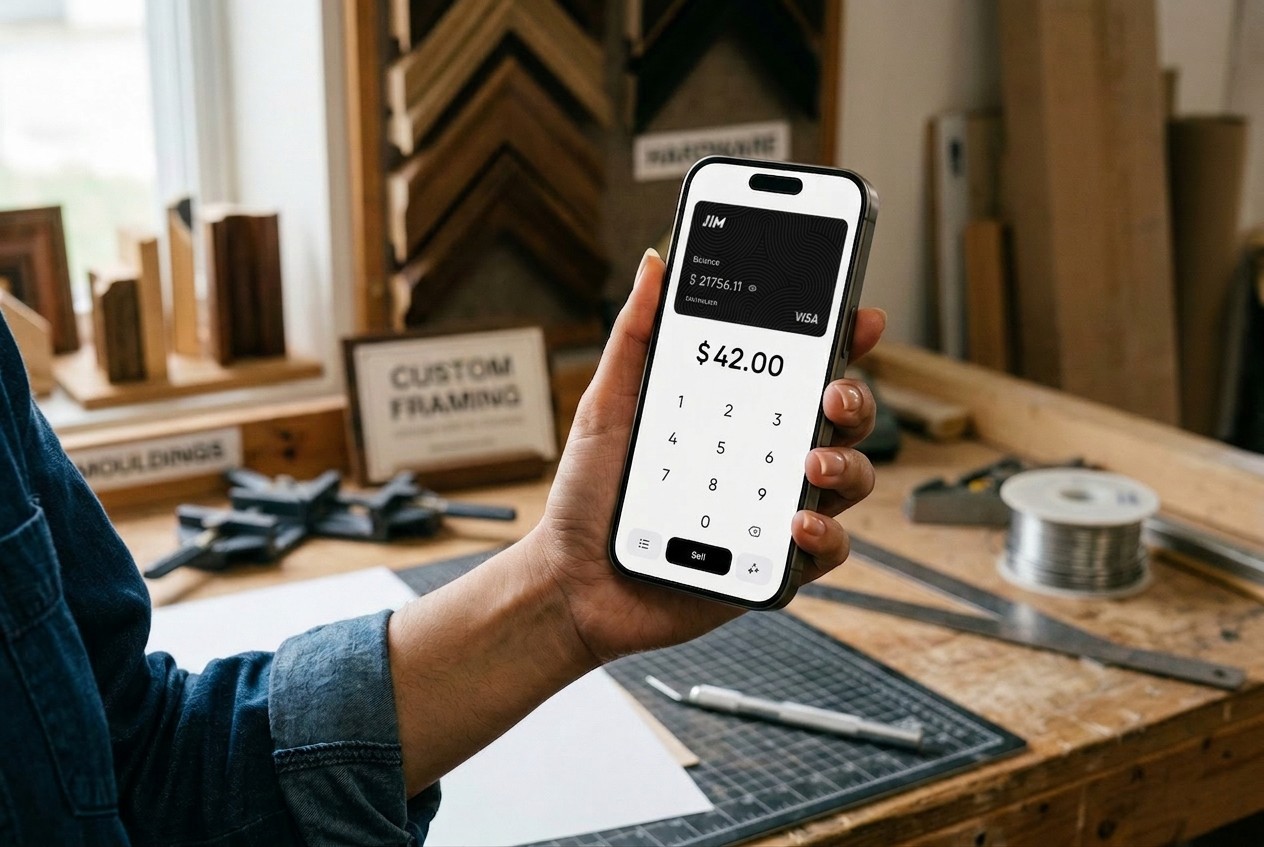
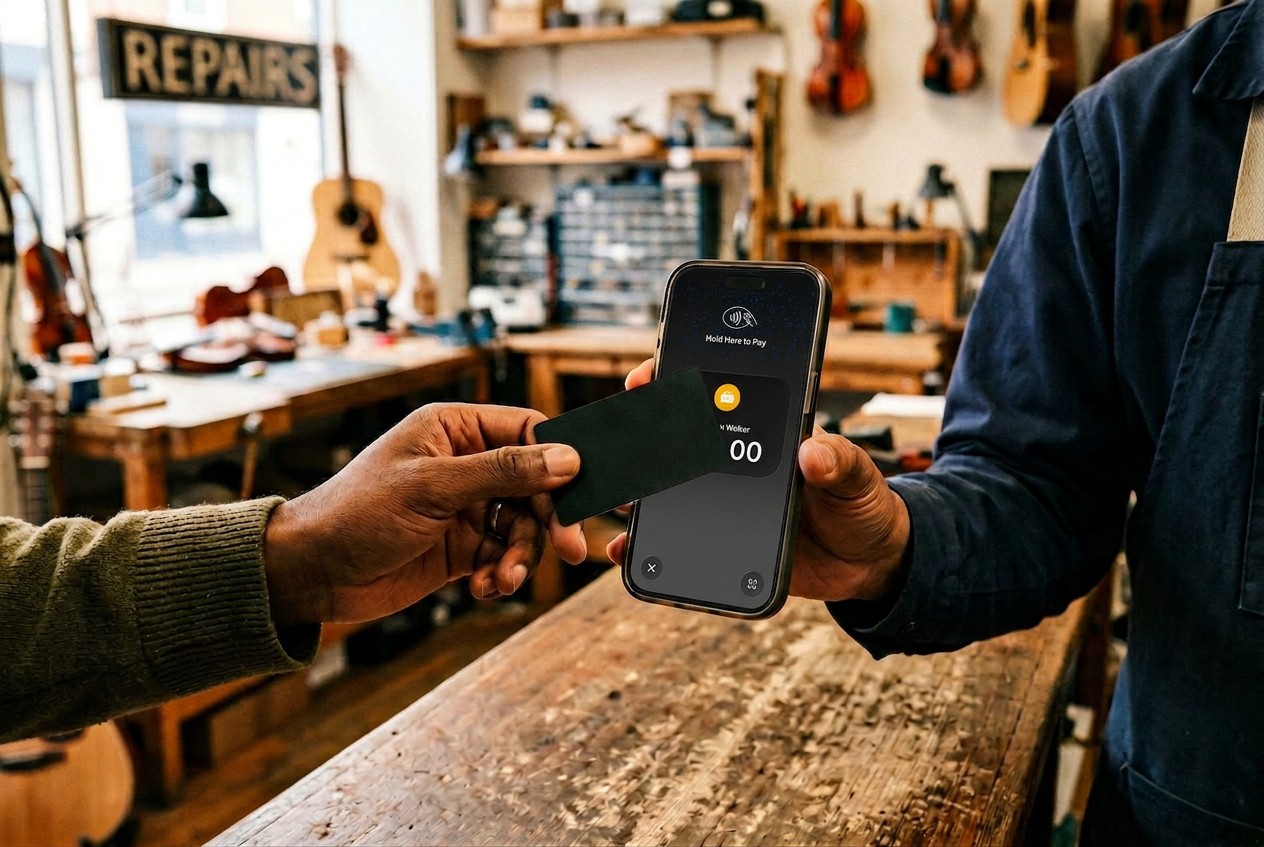
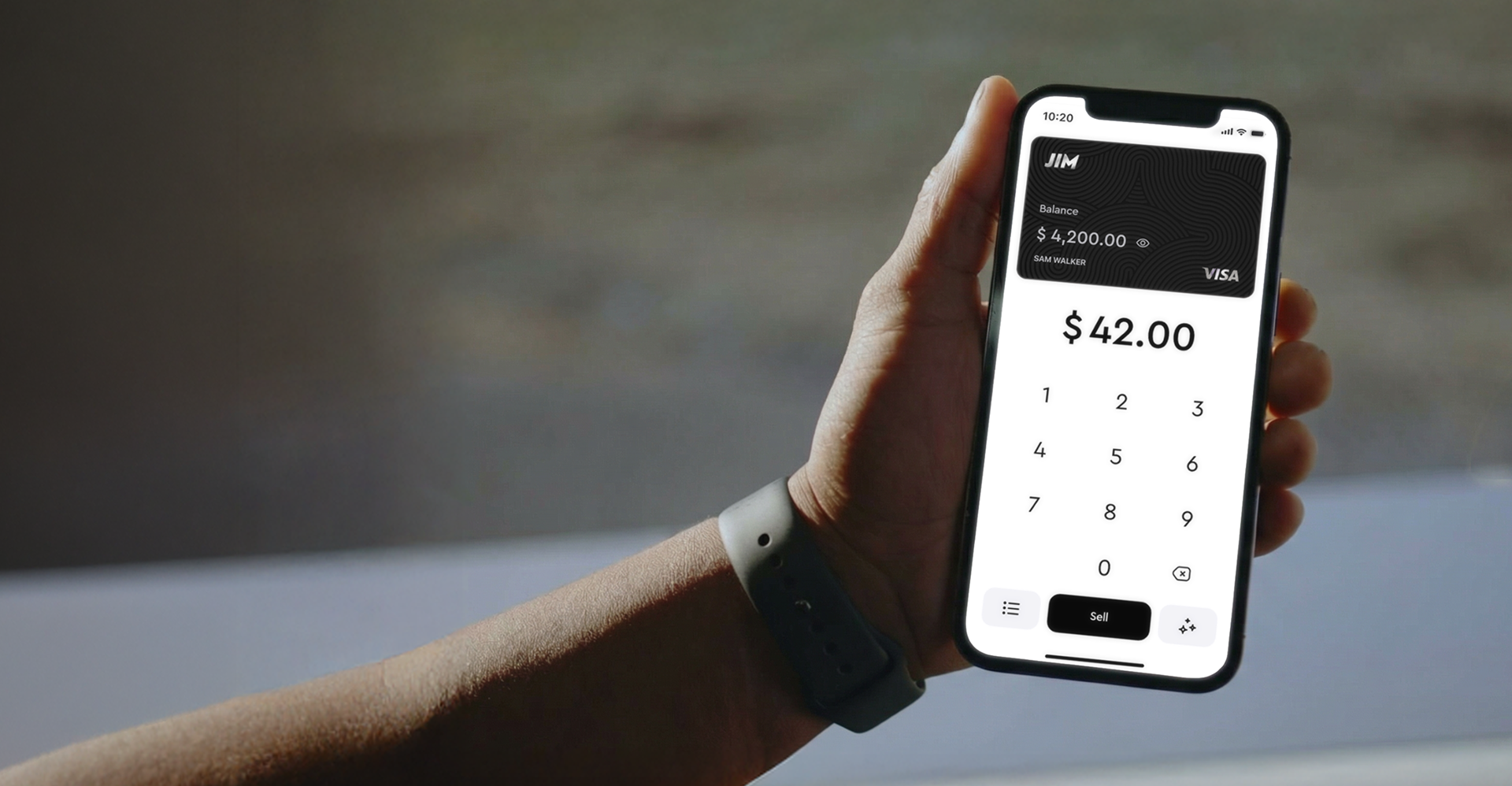
For mobile service providers and field professionals accepting in-person payments, JIM eliminates hardware purchases entirely. Your iPhone with NFC capability (iOS 16 or later) becomes your mobile POS, accepting contactless payments and digital wallets and other payment methods without additional equipment.
Settlement Speed
When you close out the day, you want to know when that money actually hits your account. Here's the waiting game with each provider.
Pricing Breakdown
The real cost goes beyond the advertised rates. Monthly fees, contract length, and processing rates all stack up differently depending on how much you sell each month.
Toast Pricing
Toast offers three main tiers, though their value proposition weakens significantly for non-target-segment businesses.
- Starter Kit: Free hardware and POS software, but processing runs 3.09% to 3.69% + 15¢ per transaction
- Core Plan: $69/mo with processing at 2.49% + 15¢
- Build Your Own: Custom pricing for larger operations needing advanced features
Toast typically requires multi-year contracts with early termination fees. For retail and service businesses, you're paying for sector-specific features you won't use.
Clover Pricing
Clover prices based on your business type and bundles hardware into each plan.
- Retail Starter: $60/mo includes compact hardware, processing at 2.3% + 10¢
- Retail Standard: $135/mo includes Station Solo with expanded features
- Professional Services: Custom plans with invoicing and appointment tools
- Virtual Terminal: $14.95/mo for businesses taking phone or keyed-in payments
Clover typically requires contracts through most providers. Processing fees run lower than Toast, and software features actually match retail and service business needs.
Which Offers Better Value?
For retail and service businesses, Clover consistently offers better value than Toast.
- Low volume (under $5,000/mo): Clover's retail plans provide relevant features at comparable costs to Toast's free tier, without paying for hospitality tools you don't need.
- Medium volume ($5,000 to $20,000/mo): Clover's 2.3% + 10¢ processing saves money compared to Toast's rates, and you get inventory management and e-commerce integrations that actually serve retail operations.
- High volume (over $20,000/mo): Clover's lower processing rates and processor flexibility make it the clear choice. On $20,000 in monthly sales, the difference in processing fees alone can exceed $100.
For a broader comparison of payment processing options across different business types, see our guide to credit card processing for small businesses.
Which One Should You Choose?
Your business type matters more than finding an objectively "better" system. Here's how to match your situation to the right platform.
Choose Toast if:
Toast makes sense only for its intended target operations.
- You operate a business where Toast's specialized sector-specific features apply
- You need the sector-specific workflow and staff compensation tools Toast is built around
- Industry-specific tools outweigh the downsides of processor lock-in
Choose Clover if:
Clover fits better for retail stores, service providers, and businesses wanting flexibility.
- You operate a retail store needing barcode scanning and inventory tracking
- You provide professional services and need invoicing and appointment scheduling
- You want user-friendly hardware that works with other processors if you switch providers
- High transaction volume makes lower processing rates worthwhile
- You need 300+ app and third-party integrations for specialized business needs
- You want e-commerce integration with Shopify or WooCommerce
- You value ease of use and quick staff training
Consider JIM if:
JIM fits mobile operators and service providers who prioritize simplicity and instant access to funds.
- You operate a mobile business or provide field services
- Instant access to funds directly impacts your cash flow and purchasing power
- You want to avoid hardware purchases and recurring monthly fees
- Flat-rate 1.99% pricing simplifies your expense tracking
- You already use an iPhone for business operations
- You need to accept contactless payments without complex setup
Start Accepting Payments Your Way
For retail and service businesses, Clover offers the flexibility and relevant features that Toast's narrow-industry focus cannot match. Toast serves its target market well, but that market is narrow.
Both traditional point of sale systems require hardware investments and contracts. For mobile sellers and service providers who need simpler in-person acceptance, JIM turns your iPhone into a contactless payment terminal with a flat-rate 1.99% fee and instant payouts to your JIM Visa® Prepaid Card.
Ready to accept payments without terminals, contracts, or settlement delays? Download JIM and start selling today.
.avif)